Social media users are creating Studio Ghibli-style portraits using ChatGPT's new native image-generation capabilities.
The big picture: The Ghibli fest is dividing admirers of the Japanese animation studio, with some awed by the visuals and others dismissing them as "AI slop."
Why it matters: The incident has raised serious questions about whether the group chat violated laws including the Espionage Act and some Democratic lawmakers are calling for an investigation and potential repercussions against the officials involved.
There's a balance to be struckbetween defense software and hardware; without one, your targeting's bricked, and without the other, you're not seizing airfields.
The problem is the Pentagon has yet to find the sweet spot.
Why it matters: In a world of robots, autonomous weapons and global supply chains, conflicts will be swayed by the team that refreshes its code quicker and shares its information more accurately.
A hypothetical war with China in 2027 will be fought with what the U.S. military hasin hand right now.
The speculation floodgates flung open in the minutes following Boeing's win of the U.S. Air Force Next Generation Air Dominance fighter contract.
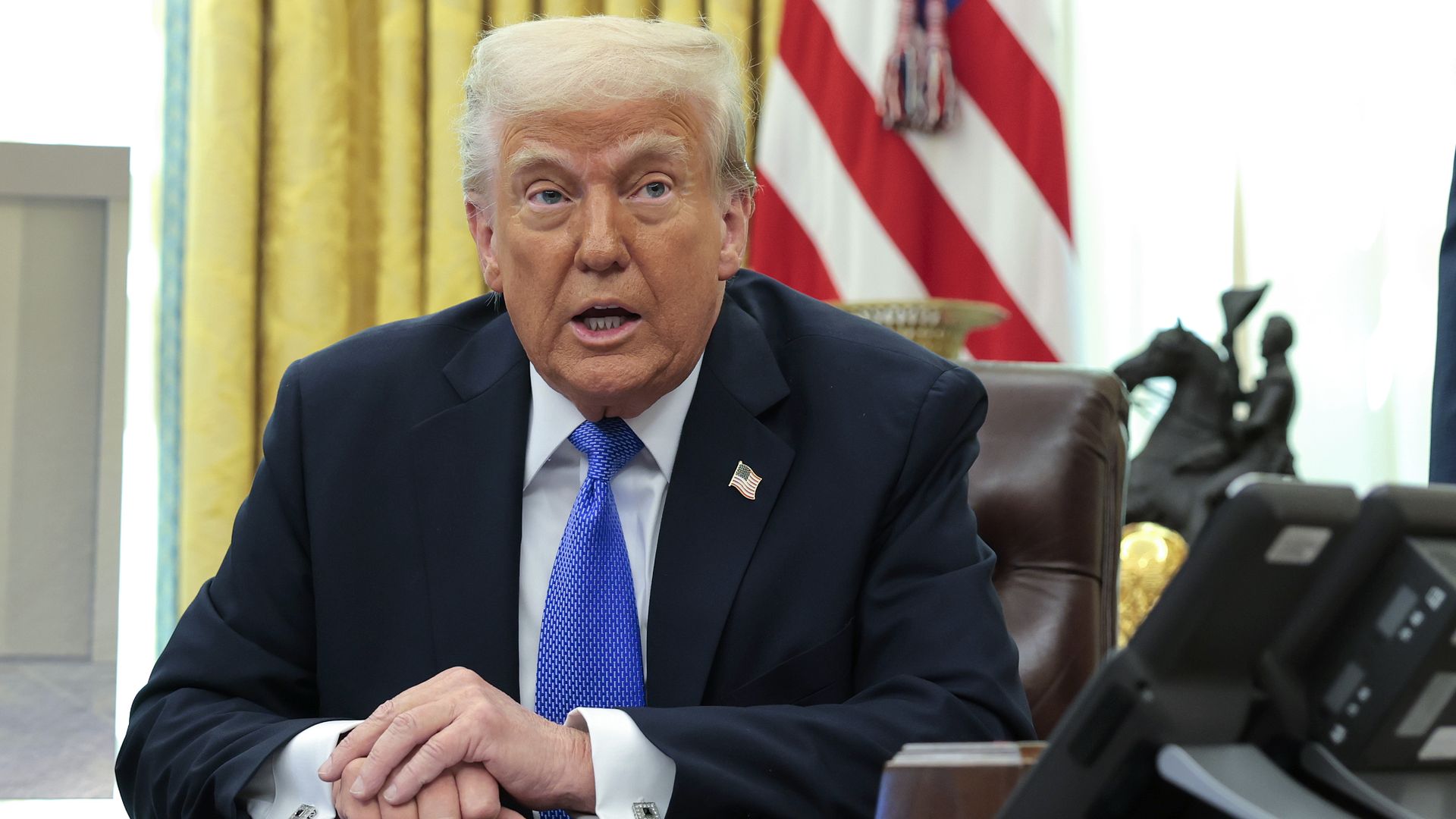
Why it matters: The F-47, as it's now known, is highly secretive. President Trump said he couldn't disclose the per-tail cost because it would reveal "some of the technology and some of the size of the plane."
"America's enemies will never see it coming," he added.
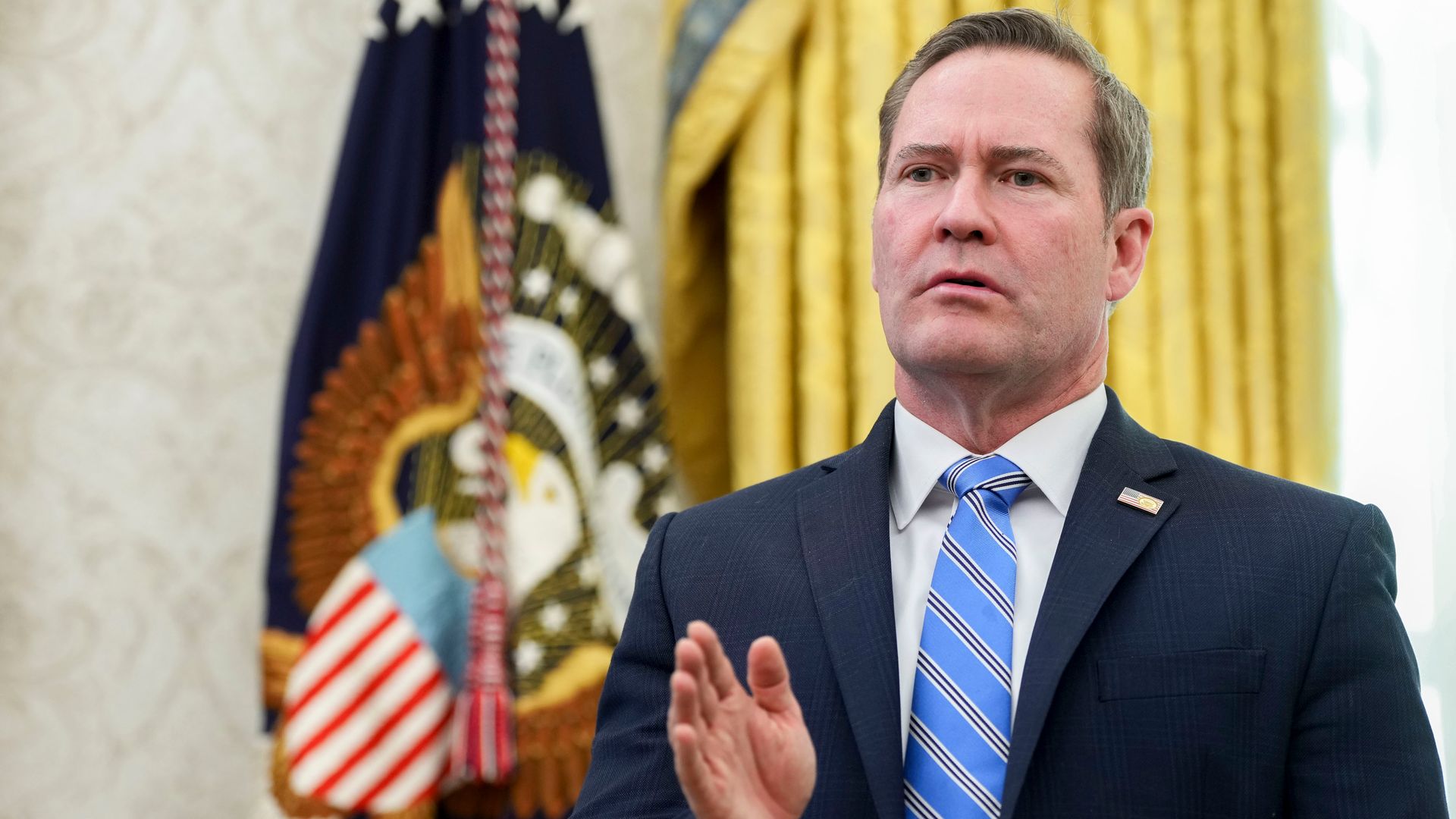
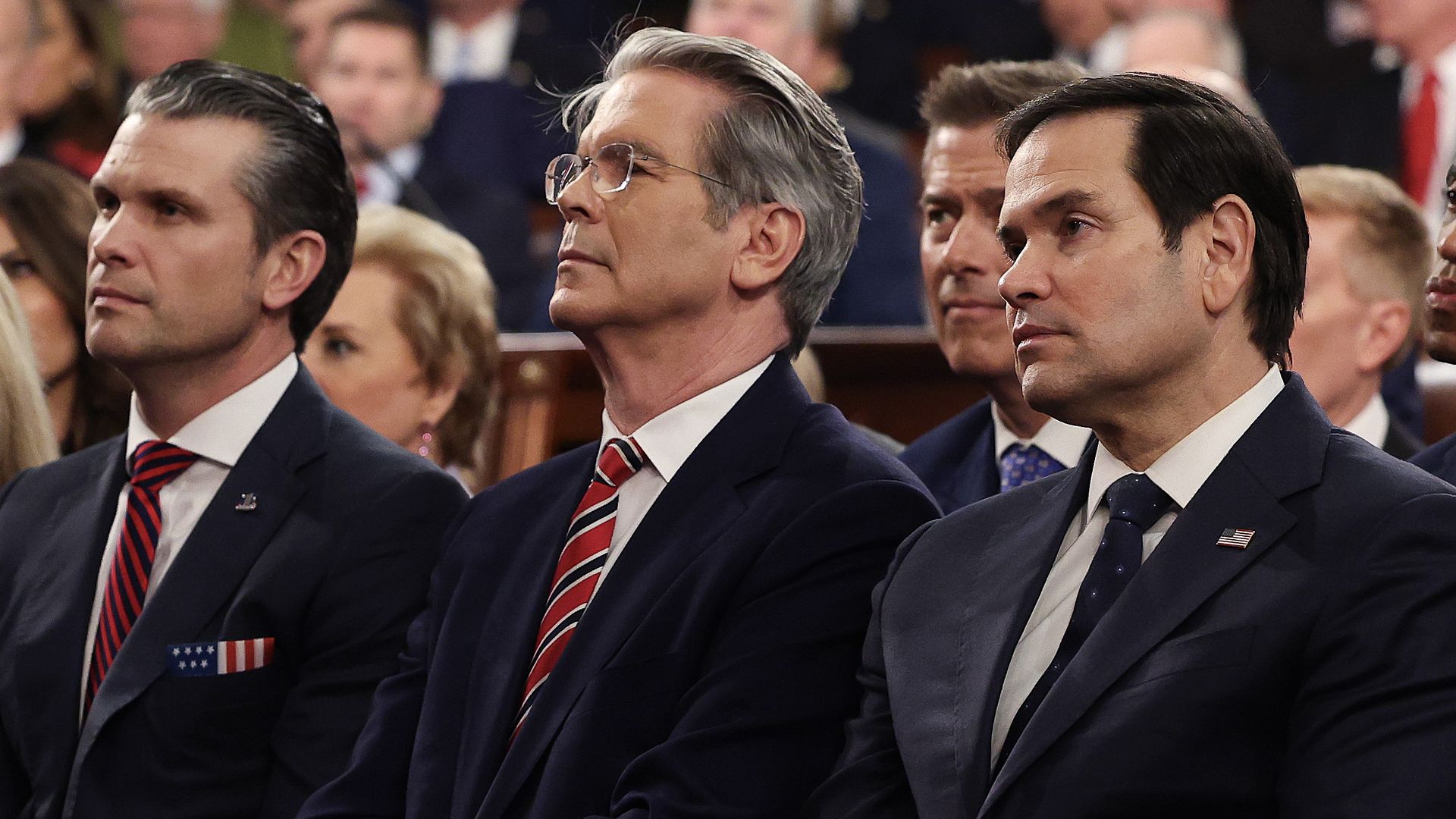
National security adviser Mike Waltz said Tuesday he takes "full responsibility" for the scandal involving the use by senior officials of an unclassified commercial chat app to discuss plans to strike Yemen.
The big picture: President Trump made clear he does not plan to fire Waltz for establishing the Signal group and inadvertently adding Atlantic magazine editor-in-chief Jeffrey Goldberg to it, telling Newsmax on Tuesday night he believed a "lower level" employee who works for his national security adviser had added the journalist's number.
The big picture: American Oversight alleges in its lawsuit that the chat on the unclassified commercial app that mistakenly included The Atlantic's editor-in-chief Jeffrey Goldberg violated federal records laws.
Ticket resale marketplace StubHub last week filed for an IPO, and rewrote part of its history in the process.
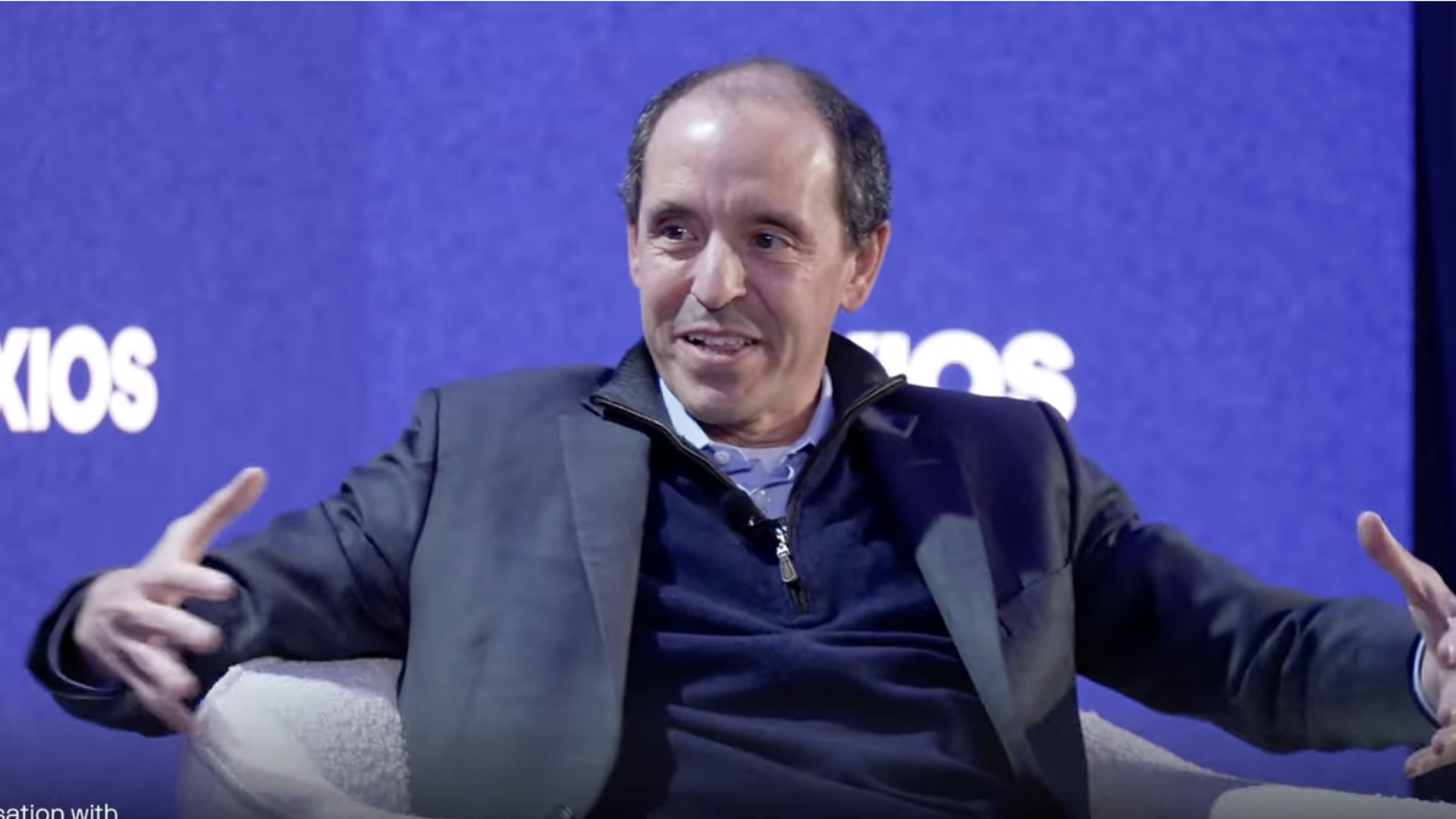
The big picture: StubHub's IPO filing refers repeatedly to CEO Eric Baker as the company's singular founder, including in its 915-word corporate history section, without a single mention of company co-founder Jeff Fluhr.
The winner of the AI race will make decisions that could set industry norms and influence global AI policy for years to come, OpenAI's chief global affairs officer, Chris Lehane, told Axios' Ina Fried on Tuesday at the Axios What's Next Summit in Washington, D.C.
Why it matters: Lehane says beating China in the AI race is so important that we should not tie the hands of AI makers by limiting their use of data under copyright laws that China won't observe.
President Trump signed an executive order last week that compels federal agencies to tear down internal barriers to sharing government data, with no new cybersecurity requirements to prevent misuse or breaches.
Why it matters: The order gives DOGE and other agencies sweeping access to sensitive personal data, and experts warn it attempts to sidestep longstanding privacy laws that judges have used to block similar efforts.
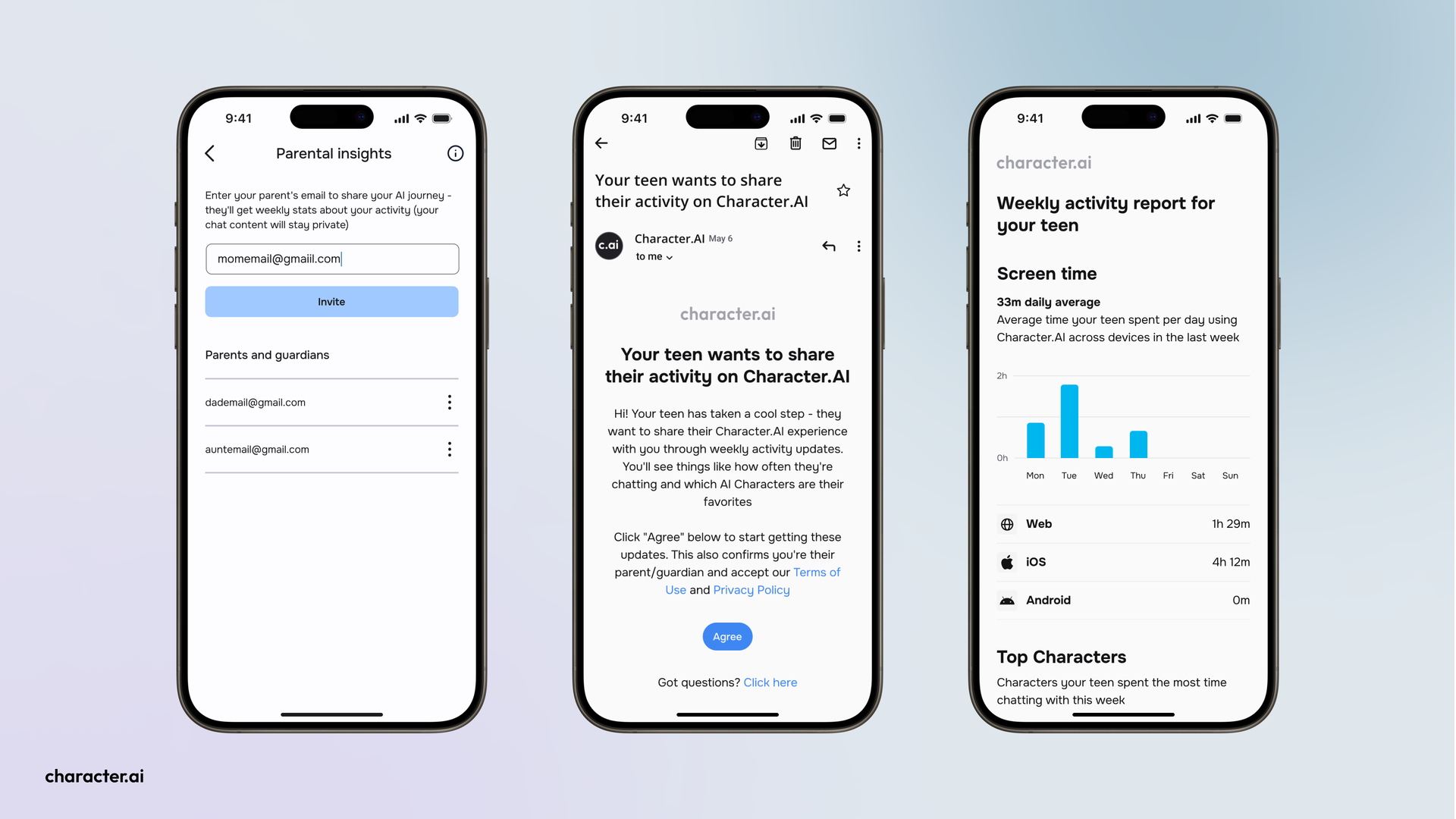
Chatbot app Character.AI Tuesday launched a "Parental Insights" feature to give parents and guardians a weekly snapshot of how their teens use the chatbot platform.
Why it matters: Character.AI, an app that lets users chat with generative AI bots based on fictional characters, has been sued at least twice by parents of teens alleging that the creators of the app are responsible for their children's self-harm and suicide.
The demise of 23andMe illustrates the vulnerable state of Americans' health data, as med tech companies vacuum up more personal information with little regulatory oversight.
Why it matters: Fitness trackers, wellness apps, genetic tests and other direct-to-consumer tools that capture personal health information aren't subject to federal health data privacy laws. That could open the door to fraud or discrimination.
When government officials "move fast, break things," they risk unintentionally breaking systems they didn't realize were valuable to begin with — like their secure wartime communications protocols.
The big picture: America's biggest cyber threat is no longer Chinese and Russian spies lurking in government systems. It's high-ranking officials and government employees who accidentally leak or access classified information.