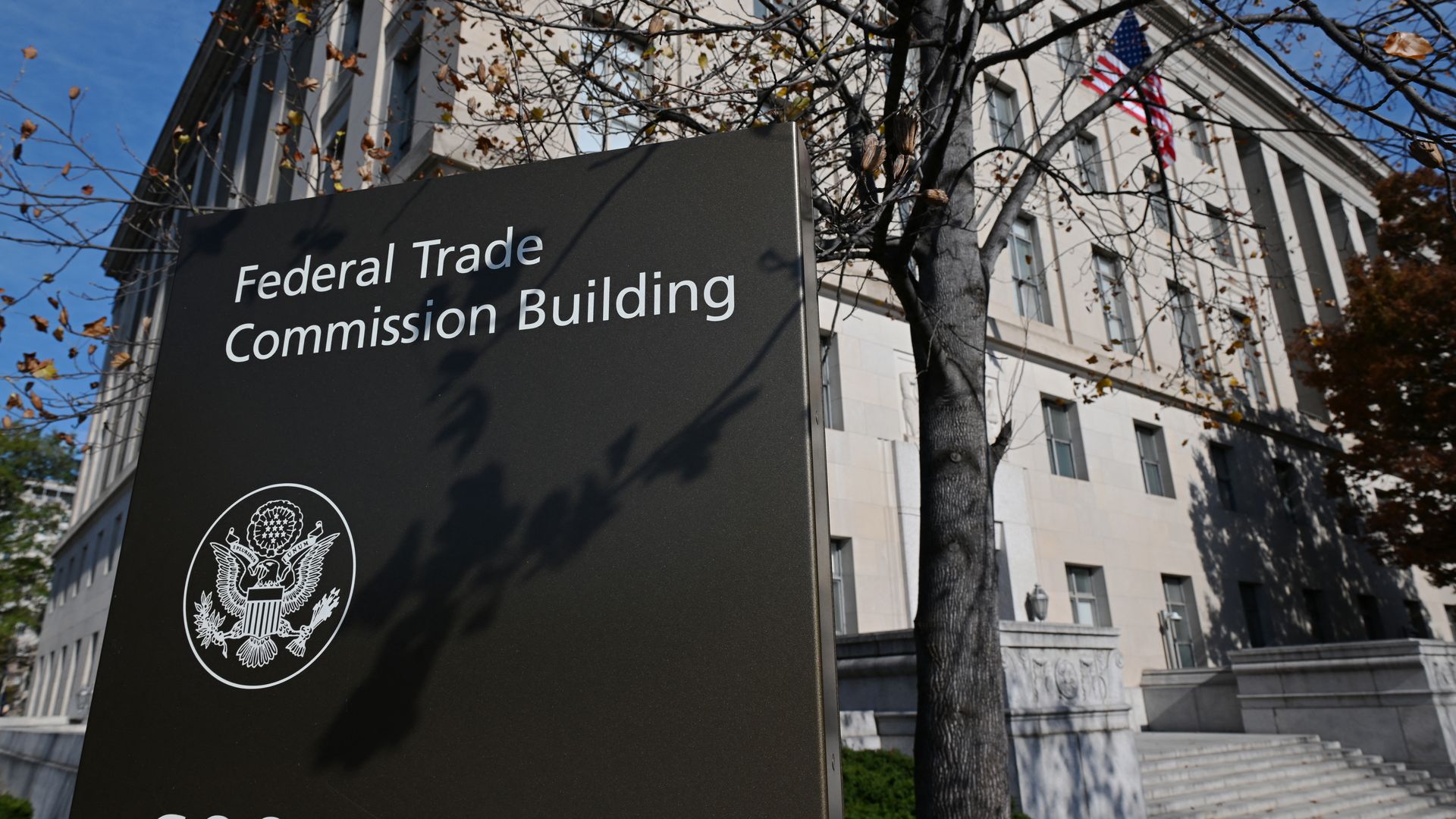
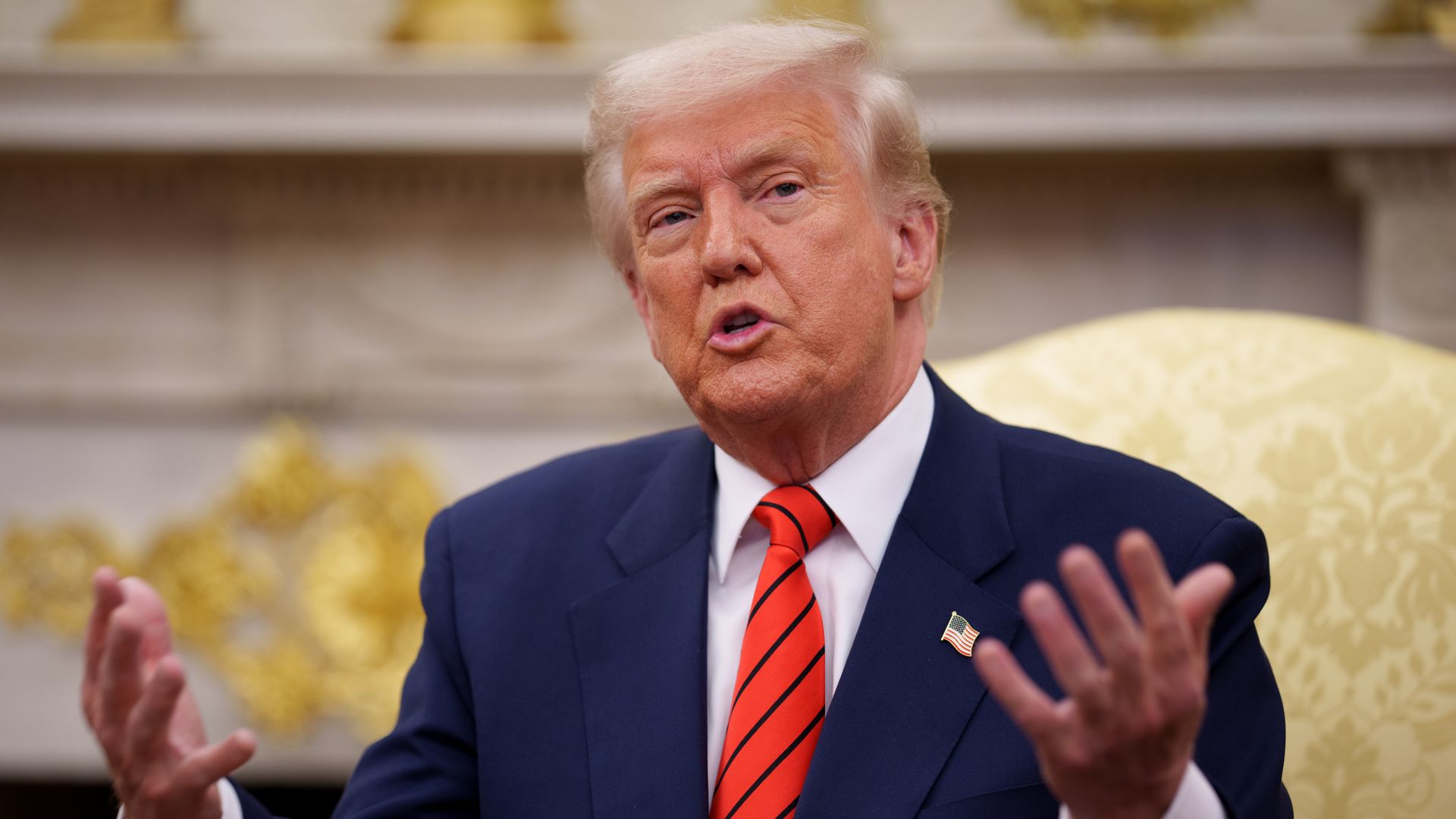
President Trump's move to fire two Democrats serving on the Federal Trade Commission sets up a likely fight over an important, but somewhat obscure, Supreme Court ruling.
Why it matters: The legal precedent, Humphrey's Executor v. United States, protects commissioners at independent agencies from being fired at will — and if overturned, could allow the White House to reshape the government.
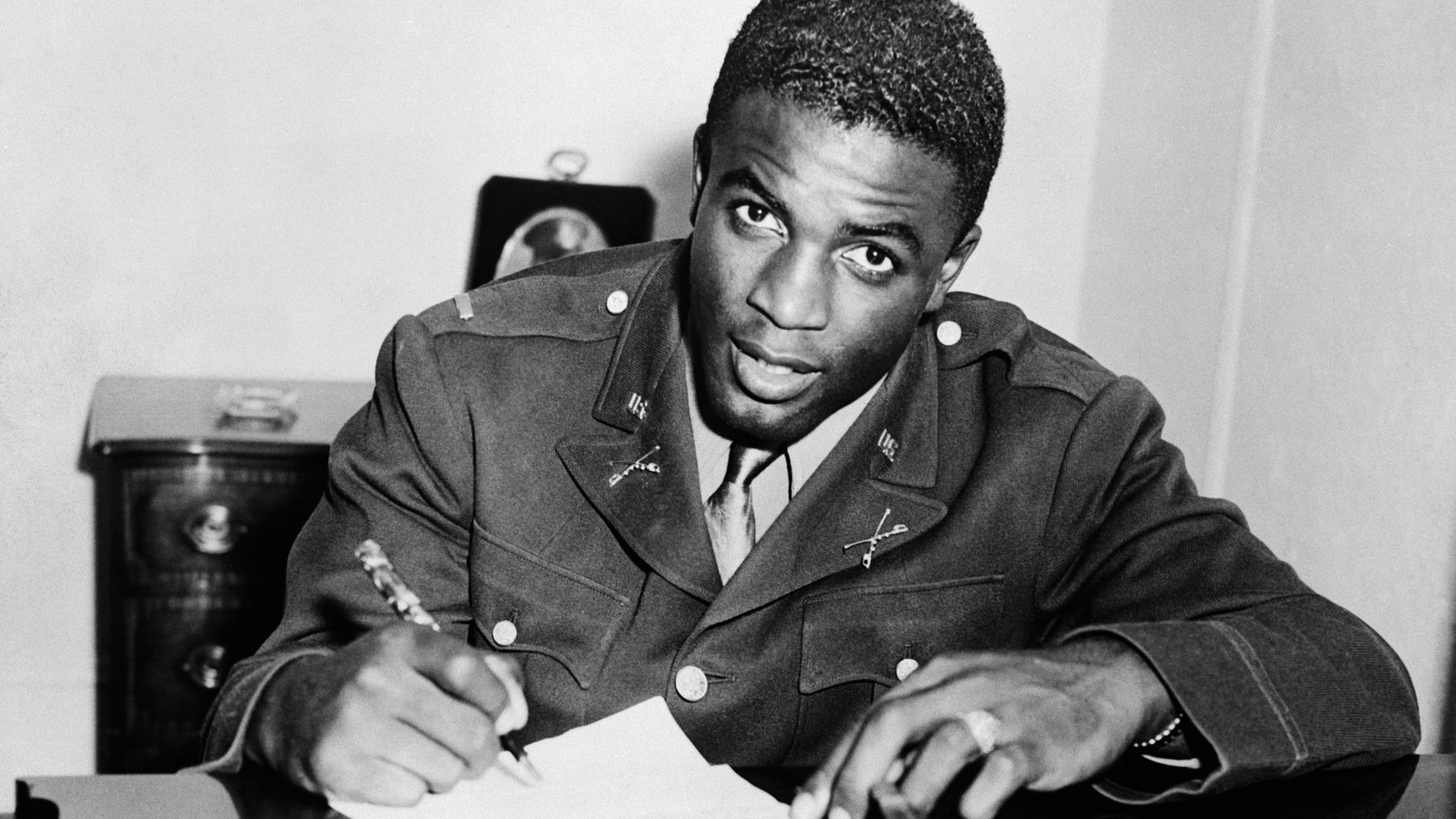
The U.S. Department of Defense removed — then restored — a webpage featuring baseball and civil rights pioneer Jackie Robinson, who served in the Army during World War II and segregation.
Why it matters: The initial removal of Robinson's Army history comes amid a massive purge of articles about soldiers of color following President Trump's executive order ending federal diversity, equity and inclusion initiatives.
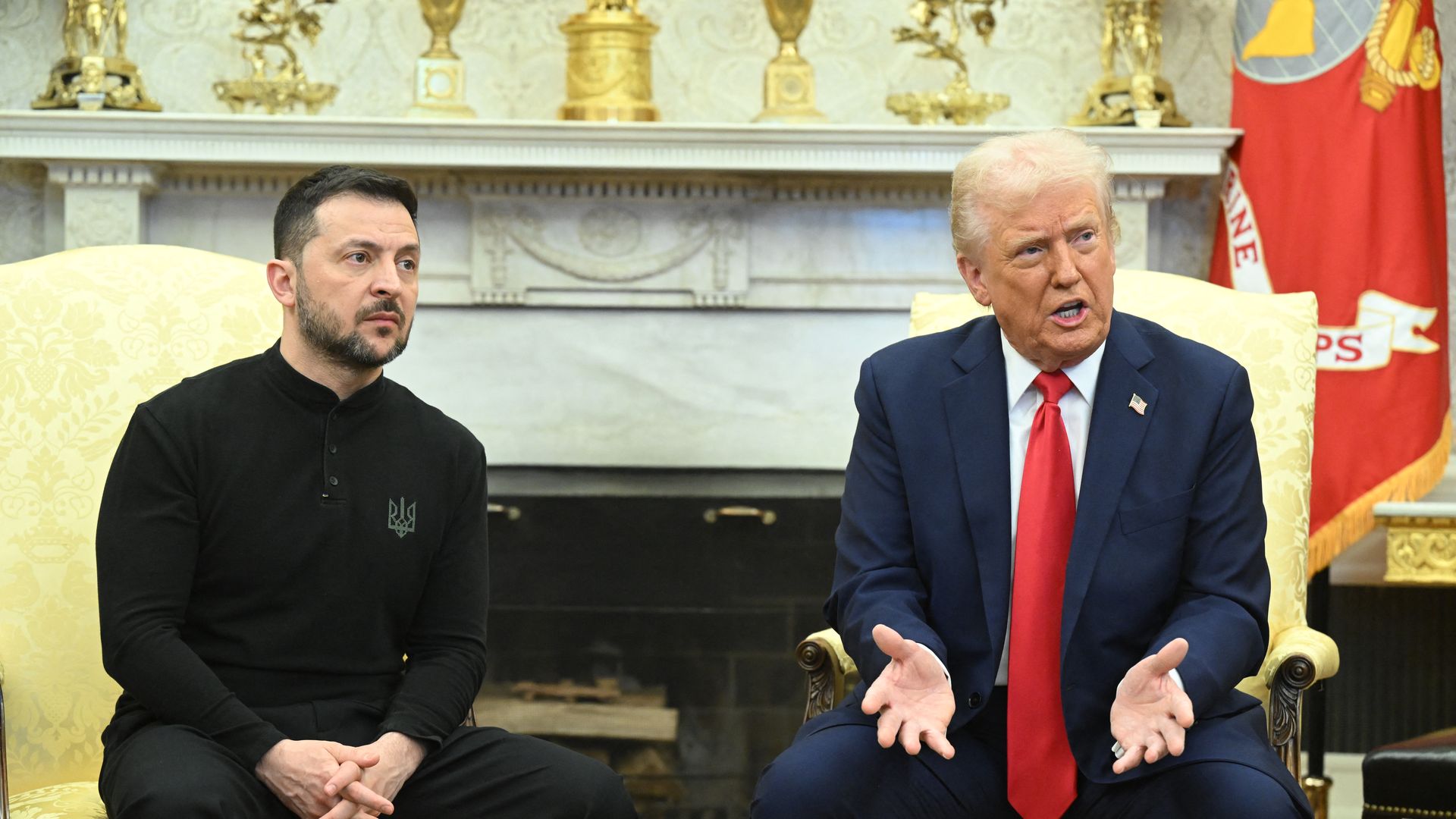
President Trump spoke on Wednesday with Ukrainian President Volodymyr Zelensky in an effort to reach an agreement on a partial 30-day ceasefire with Russia, the White House said.
Why it matters: The call took place one day after Trump spoke for more than two hours with Russian President Vladimir Putin and tried to convince him to agree to a full and immediate 30-day ceasefire with Ukraine.
The Abu Dhabi-based wealth fund ADQ and U.S. heavyweight Energy Capital Partners aim to invest over $25 billion in projects to power data centers and other industrial consumers.
Why it matters: Their new U.S.-focused, 50-50 partnership unveiled Wednesday is stark evidence that AI's voracious power demand is attracting fresh capital as the nation's electricity needs rise.
Following Google's acquisition of Wiz, the cybersecurity market has lost its best bet at a flashy IPO anytime soon.
Why it matters: A volatile economy and a challenging security sales landscape make public exits increasingly difficult and unattractive, analysts tell Axios.
Three technology themeswill define the future of the auto industry.
Electric vehicles
EVs have grown to about 9% of all new cars sold in the U.S., but despite big discounts and more choices, charging and affordability are still a hindrance.
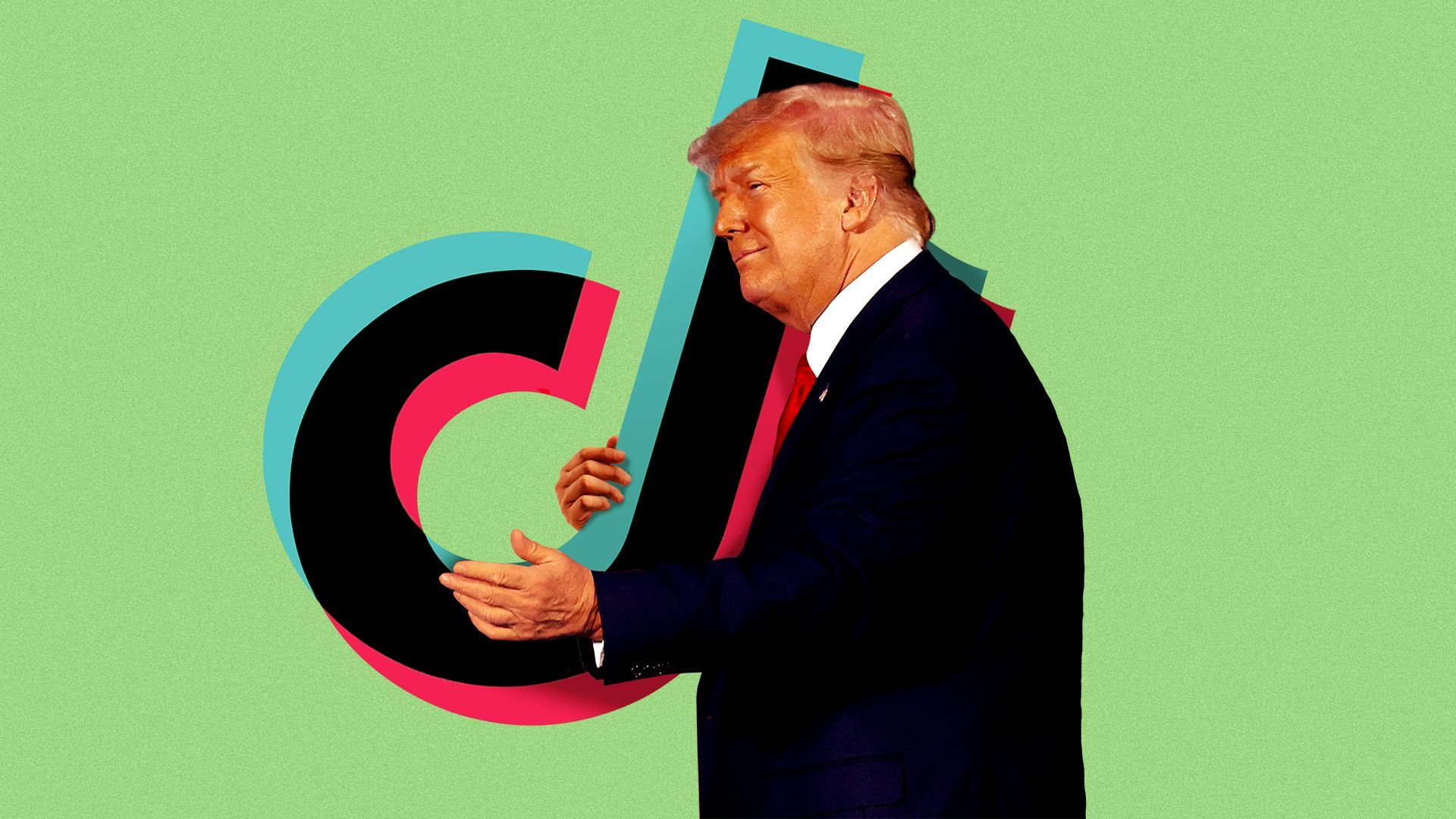
When President Trump issued his executive order to not enforce the TikTok ban for 75 days, it seemed to be in violation of the divestiture law's letter and intent.
But so far no one has sued, even though courts have been inundated with complaints over many of Trump's other executive orders.
Why it matters: The lack of litigation may give Trump more incentive to further extend TikTok's life, even if a viable deal is not yet in hand.
Following Google's acquisition of Wiz, the cybersecurity market has lost its best bet at a flashy IPO anytime soon.
Why it matters: A volatile economy and a challenging security sales landscape make public exits increasingly difficult and unattractive, analysts tell Axios.
No other startup matches Wiz's mix of brand reputation, revenue growth and technical capabilities — though some come close.
Driving the news: Google announced yesterday that it will acquire cloud security startup Wiz for $32 billion in cash, pending regulatory approval.
The big picture: The deal is Google's largest acquisition ever — and the biggest in cybersecurity history. For comparison, Google bought Mandiant for $5.4 billion just two years ago.
The Russia-Ukraine war, conflicts across the greater Middle East and plans for potential Indo-Pacific fighting share something in common, according to Amy Gowder, the president of defense and systems at GE Aerospace.
"We still see air superiority matters, whether that's through unmanned or helicopters or the traditional fighters," she told Axios in an interview.
Why she matters: Gowder leads a multibillion-dollar operation to develop, build and deploy engines and other equipment for military operations, including air combat, refueling and training.
The company last week announced an engine contract with the U.S. Air Force worth as much as $5 billion.
Trump administration spending cuts and freezes to federal grants are roiling major academic medical research programs, prompting layoffs, and leading administrators to abandon studies and rescind admissions offers to graduate students.
Why it matters: Experts predict the face of university research could be permanently changed, affecting work on treatments for cancer, Alzheimer's, and diabetes, among other conditions, along with studies on the underpinnings of disease.