Language learning app Duolingo killed off its plucky mascot, Duo the owl, this week — creating a social media marketing momentthat may have more sticking power than recent Super Bowl ads.
Why it matters: Duolingo has mastered not only helping people cultivatepolyglot skills, but also the art of storytelling marketing and pushing the envelope in a brand's online presence.
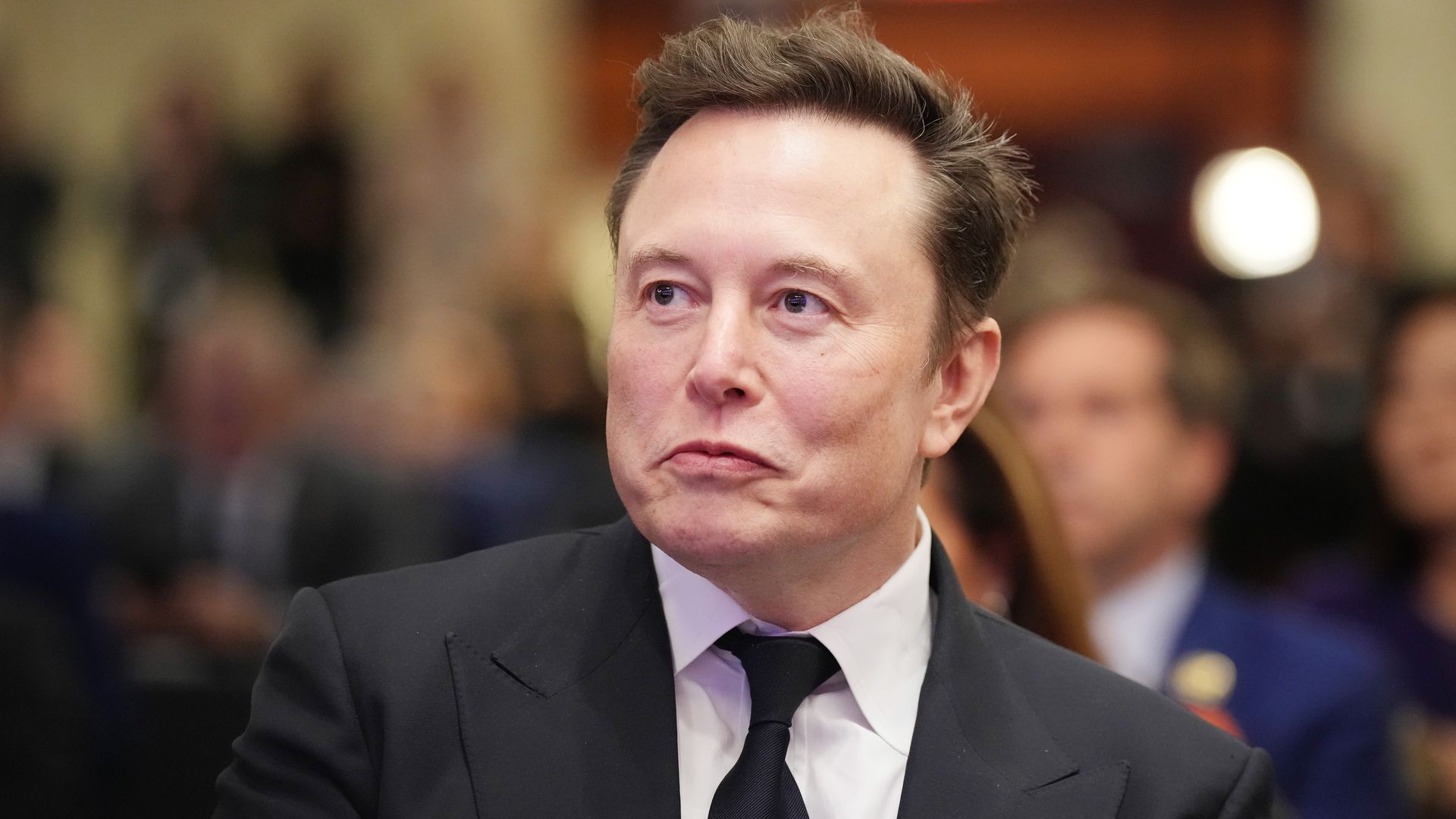
OpenAI's board has unanimously rejected Elon Musk's $97.4 billion takeover offer, with chairman Bret Taylor calling it an "attempt to disrupt his competition."
Why it matters: This was expected, given that OpenAI CEO Sam Altman had previously said the company isn't for sale, but nonetheless was a sharp rebuke of the world's richest man.
Morgan Stanley and other lenders to Elon Musk's Twitter takeover yesterday reportedlysold around $4.7 billion of X debt at face value.
Why it matters: This blows away expectations for the deal, in terms of both volume and pricing, and leaves creditors with only around $1.3 billion of their $12.5 billion outlay.
The nation's cyber defenders are more distracted and overwhelmed than ever as the Trump administration's upheaval across the federal workforce continues.
Why it matters: A preoccupied cyber workforce creates opportunities for malicious actors to conduct espionage, launch phishing attacks, and exploit vulnerabilities in government systems.
The nation's cyber defenders are more distracted and overwhelmed than ever as the Trump administration's upheaval across the federal workforce continues.
Why it matters: A preoccupied cyber workforce creates opportunities for malicious actors to conduct espionage, launch phishing attacks, and exploit vulnerabilities in government systems.
"Because they came in so lightning fast and so hard — guns a-blazing — some people are afraid," a former federal cyber official told Axios, requesting anonymity to avoid retaliation.
The big picture: Even before the current stress, recruiting and retaining cybersecurity talent was a persistent challenge due to high burnout rates and a cyber labor shortage.
Love is in the air today — and that's true even for scammers and cybercriminals.
The big picture: Scammers have long exploited people seeking companionship, pressuring them into sending gift cards, cryptocurrency and traditional currency.
Romance scams typically involve a fraudster cultivating a lengthy online relationship to build trust and then coaxing the victim into sending money, gift cards or other valuables.
These scammers are increasingly using AI tools, including chatbots and deepfake video calls, making it harder than ever for potential victims to spot warning signs.
Threat level: In 2023, people in the U.S. lost more than $652 million to romance scams, according to the FBI's latest data.
🏛️ President Trump has nominated RNC executive Sean Cairncross as his national cyber director. (Axios)
🤝 The U.S. released Russian cybercriminal Alexander Vinnik, who was charged with overseeing a black-market Bitcoin exchange, as part of the prisoner exchange that led to American schoolteacher Marc Fogel's return. (New York Times)
👀 Former Palantir and Elon Musk associates are now chief information officers for at least three government agencies. (Wired)
@ Industry
💰 Identity security company CyberArk has acquired Zilla Security in a deal worth up to $175 million. (TechCrunch)
📲 Google and Apple are bringing TikTok back to their respective app stores, but Google says it will keep the app available only until the end of the recent 75-day extension. (Axios)
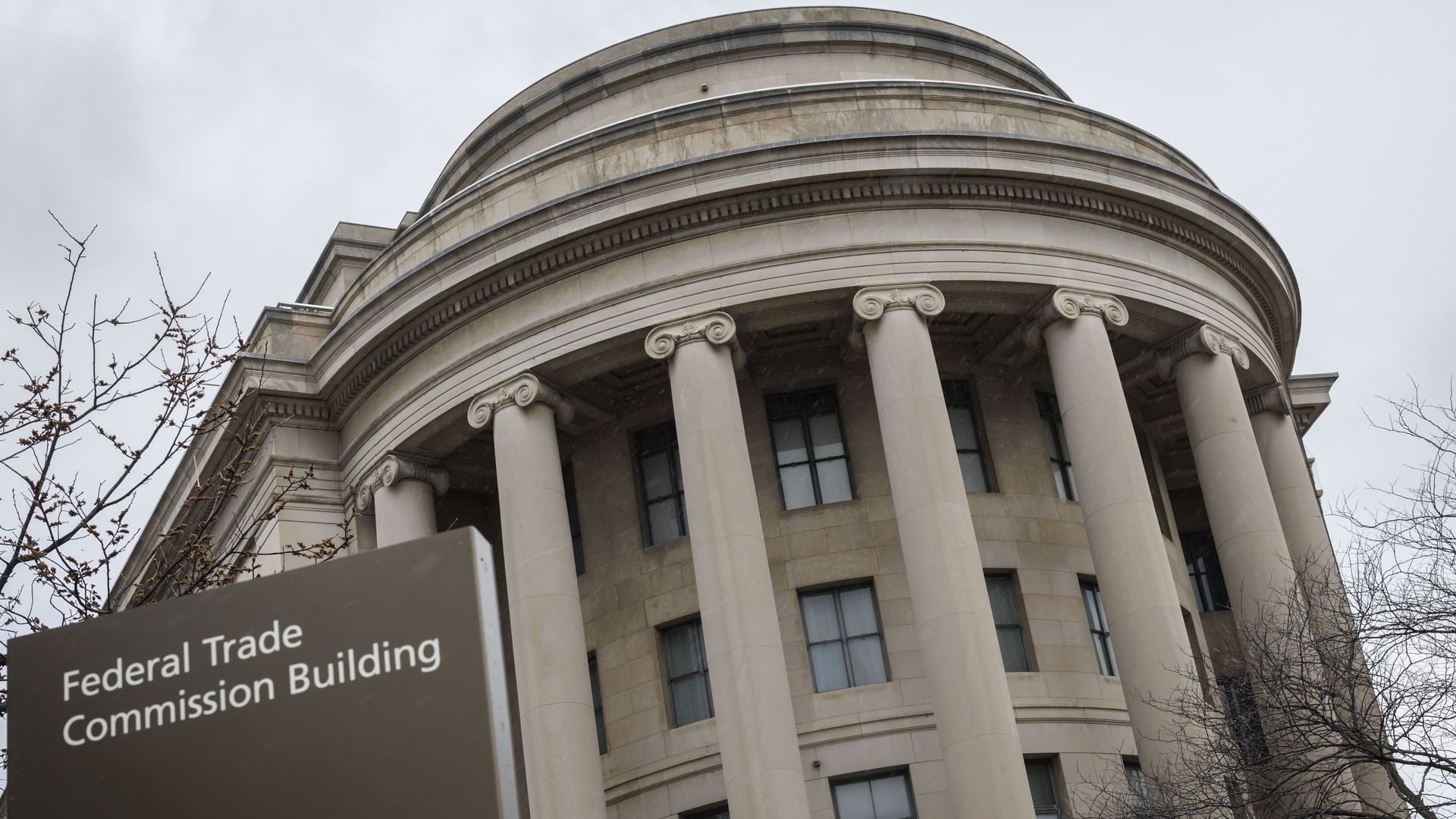
The new chair of the Federal Trade Commission is putting his commissioners on notice that he thinks President Trump has the right to fire them if he wants to.
Why it matters: Andrew Ferguson, who replaced Lina Khan on Jan. 20, is the first head of an independent agency to embrace a controversial legal theory that could dramatically reshape the federal bureaucracy.
Global electricity demand should rise around 4% annually through 2027, IEA estimates in a new analysis.
Why it matters: It's the fastest growth in years as AI, industrial production, air conditioning, EVs and more put new strains on power grids and climate efforts.
While Google has changed its position to allow greater military use of its AI technology, Google DeepMind CEO Demis Hassabis tells Axios the company will tread carefully.
The more artificial intelligence becomes a race, the harder it is to keep the powerful new technology from becoming unsafe, Google DeepMind CEO Demis Hassabis told Axios in a wide-ranging interview at this week's AI Action Summit in Paris.
Reality check: Rules to control AI only work when most nations agree to them, Hassabis said, and that's only getting harder — as made clear by the summit's inconclusive outcome.
Google has brought TikTok back to its App Store, Axios has confirmed, but it will only keep the app available till the end of President Trump's 75-day extension of the ban on the app, a source familiar with the company's efforts told Axios.
Why it matters: TikTok is still in legal limbo, but its app will soon be available once again on Google and Apple platforms.