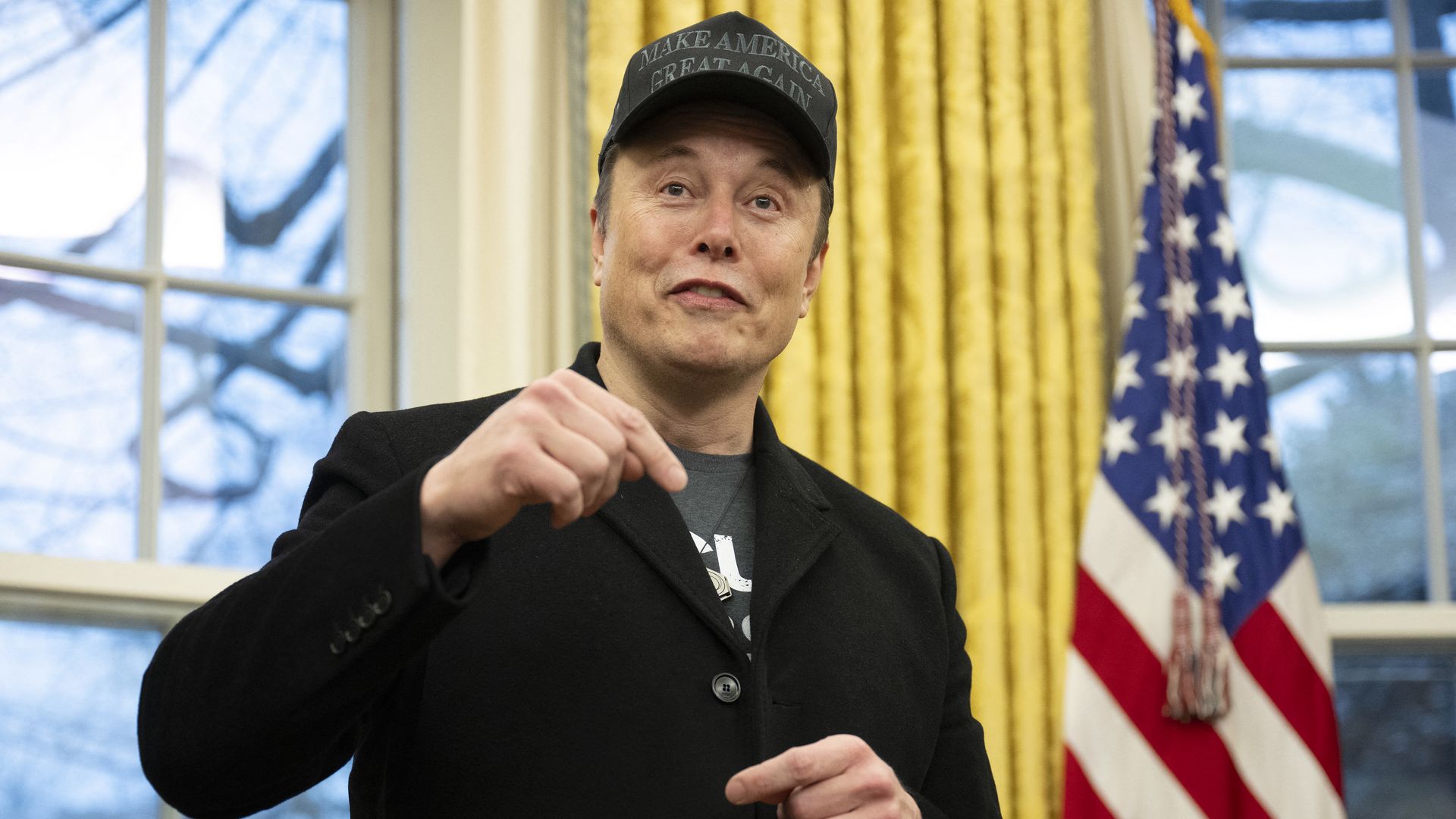
Elon Musk and the State Department pushed back on reports Thursday that the agency was slated to purchase $400 million worth of armored Tesla Cybertrucks.
Why it matters: Musk, arguably the most powerful bureaucrat in the Trump administration, has faced mounting questions about his potential conflicts of interest while working inside the government.
More than a dozen major U.S. news organizations on Thursday said they were suing Cohere, an enterprise AI company, claiming the tech startup illegally repurposed their work and did so in a way that tarnished their brands.
Why it matters: The lawsuit represents the first official legal action against an AI company organized by the News Media Alliance — the largest news media trade group in the U.S.
Trust in artificial intelligence is significantly higher in China than in the United States, according to new data from the Edelman Trust Barometer shared first with Axios.
Why it matters: The pace of AI adoption won't solely be determined by how fast the technology itself advances, but also by the willingness of businesses and individuals to use it.
Elon Musk will withdraw his $97.4 billion bid to purchase the assets of OpenAI if OpenAI gives up on its plan to spin out its for-profit subsidiary, Musk's lawyers said in a new court filing Wednesday.
Why it matters: Musk's bid for OpenAI was the latest surprise maneuver in a long-running legal battle that has pitted him against OpenAI CEO Sam Altman.
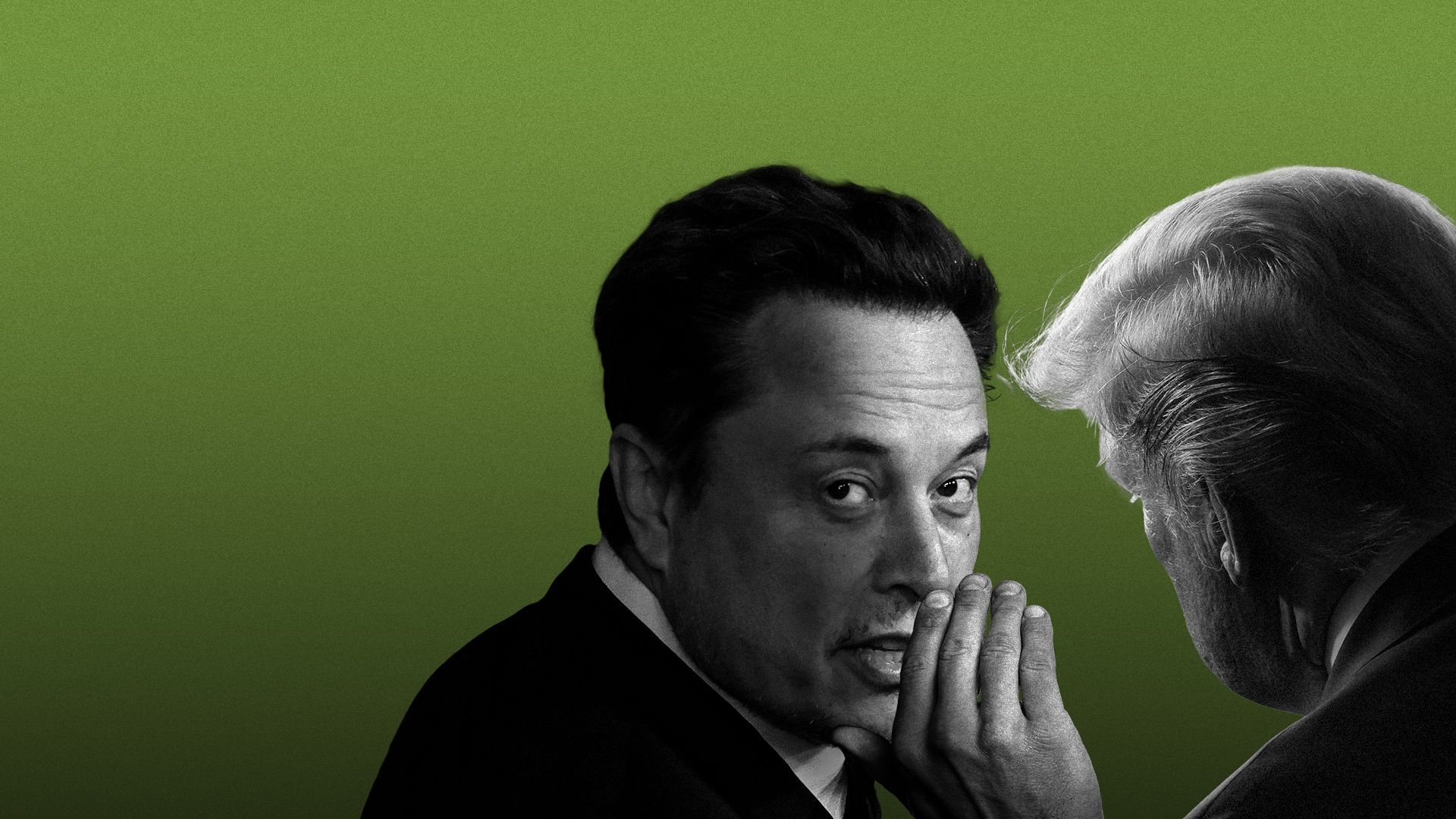
Is Elon Musk's political profile and BFF status with President Trump hurting Tesla sales? Maybe — but it's complicated, analysts say.
Why it matters: Tesla is by far the U.S. EV sales leader and long the world's top seller (though it has recently been trading the lead with China's BYD).
Stratospheric balloon company Sceye recently completed a feat that heralds the increased use of a new layer of the atmosphere for human exploration, the company told Axios exclusively.
Why it matters: The company's helium-filled balloons can serve as an observation platform that occupies a niche between drones flying at lower altitudes and satellites orbiting above the planet.
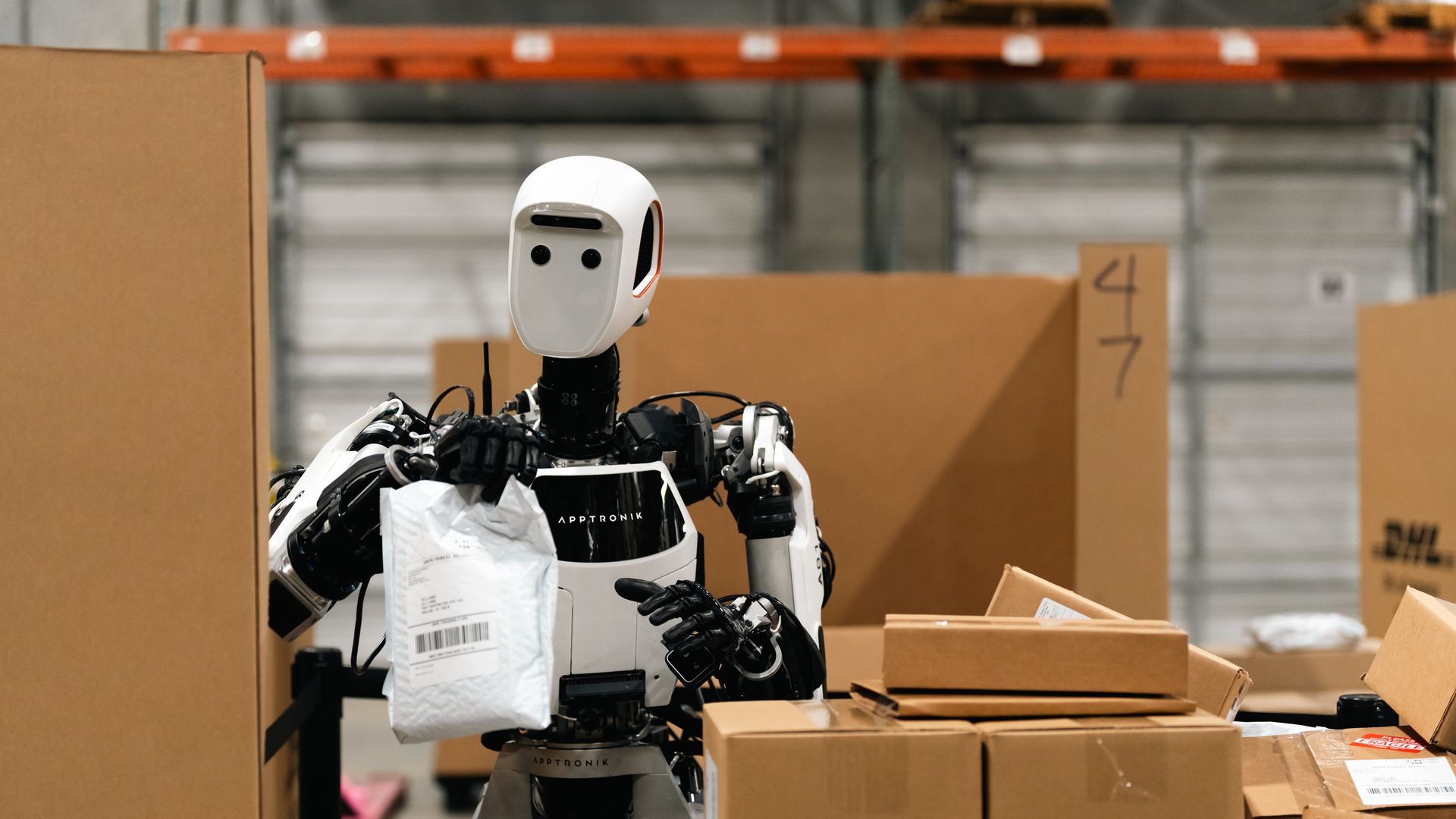
Apptronik, a Texas-based developer of humanoid robots, announced Wednesday that it's raised $350 million in Series A funding.
Why it matters: This is a quantum of capital that's designed to scale the company's robots from tech conference novelty acts to essential "workers" in a variety of industries.
Scale AI CEO and founder Alexandr Wang and UK Prime Minister Keir Starmer met this week to discuss global cooperation around artificial intelligence, a source familiar told Axios.
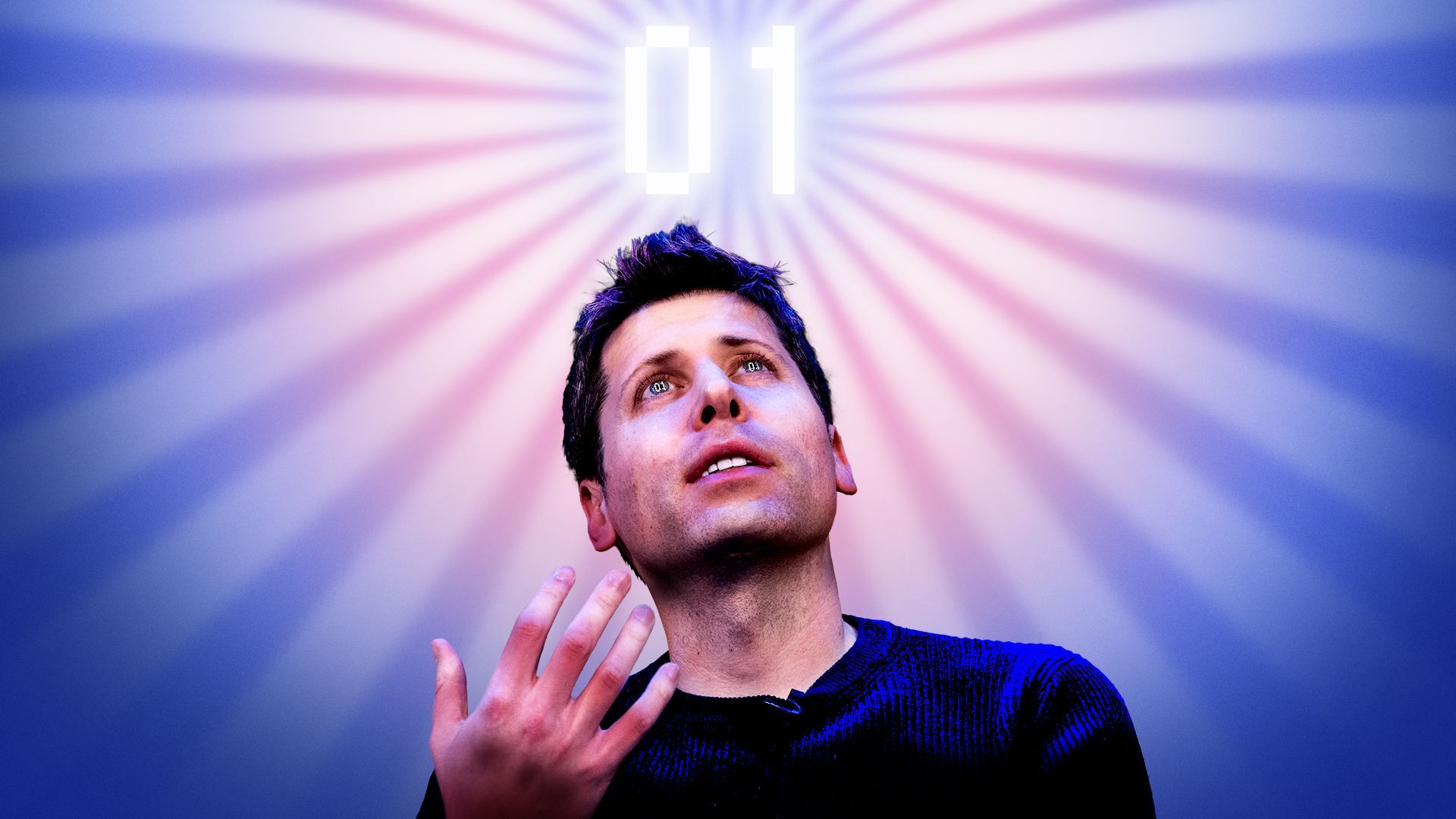
OpenAI will release its GPT-4.5 and GPT-5 models within "weeks" and "months," CEO Sam Altman said in posts on X Wednesday.
Yes, but: Altman's "roadmap update" says that the o3 reasoning model, previewed with fanfare in December, won't get its own independent release, as originally planned, but will instead be integrated into GPT-5.
Scarlett Johansson is calling on the U.S. to outlaw misuse of AI after a deepfake video of her and other Jewish celebrities giving Kanye West, who is now officially known as Ye, a middle finger went viral on Instagram.
The big picture: Johansson has been a critic of AI in recent years, suing an AI app developer for using her name and likeness in an ad and protesting OpenAI's use of a voice that many felt sounded like hers in the movie "Her."
Several of America's largest companies have buckled to the pressures of political and shareholder activists by rolling back their commitments to diversity, equity and inclusion.
Why it matters: Calls for ending these corporate initiatives have become more fervent in the past year and have intensified at the start of President Trump's second term.
Google's removal of certain holidays and cultural events from the default settings on Google Calendar has gained more attention this month, even though the company said themoves took place last year.
Why it matters: The removal of events like Pride Month from G-cal comes asPresident Trump has taken aim at diversity, equity and inclusion policies. As a result, major companies have rolled back their DEI efforts.
With artificial intelligence, the opportunities are now way greater than the threats: That was the consistent message inside the majestic Grand Palais in Paris over the last three days.
The big picture: This AI Action Summit aimed to tackle AI's dangers — from job losses to climate impacts — but unlike two predecessor events, it largely celebrated AI's tantalizing potential benefits.
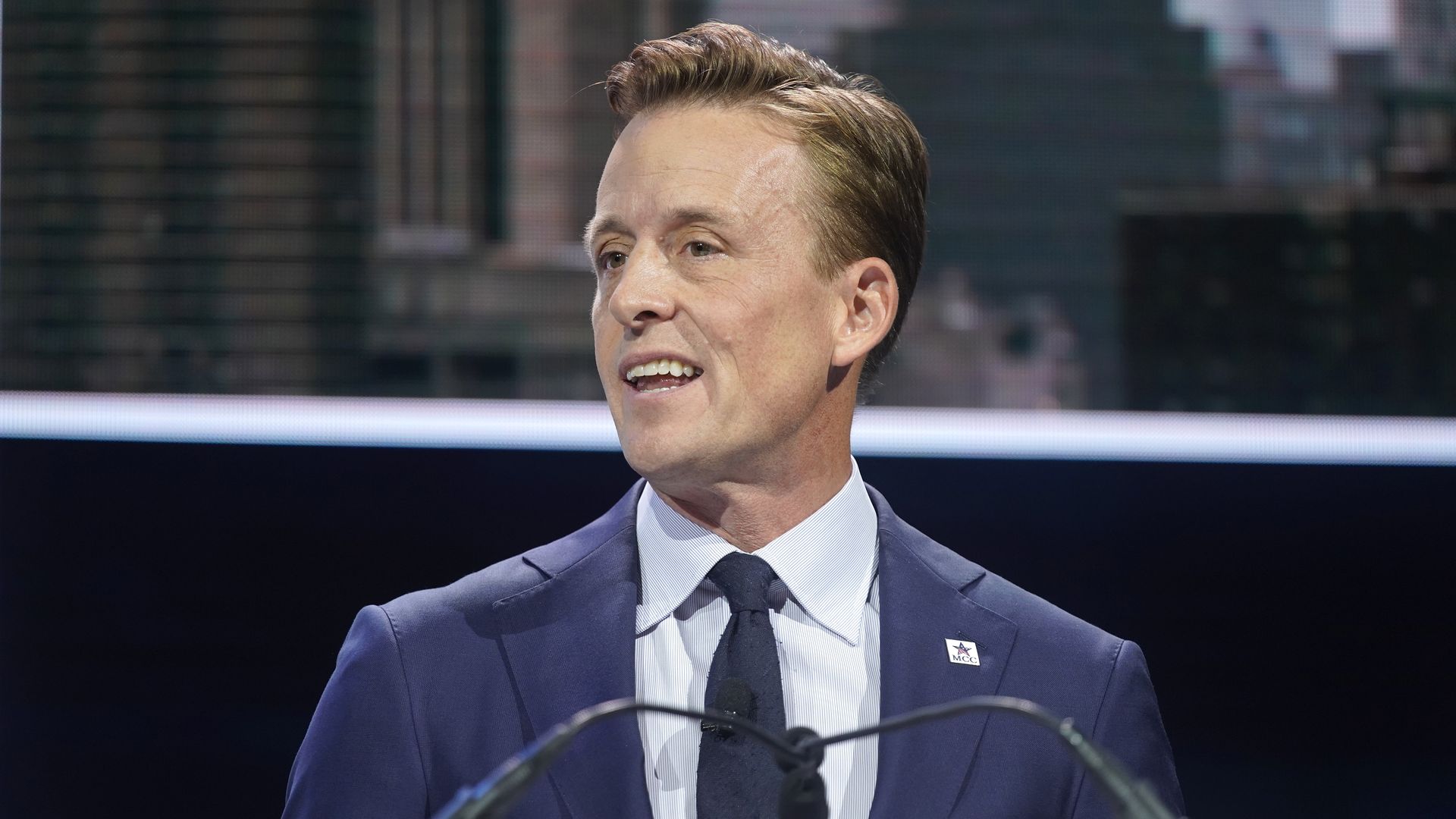
The economic nuances of national security are too often neglected, according to Jonathan Moneymaker, the chief executive at defense contractor BlueHalo.
"It's easy to focus on military and the traditional aspects of it, but I think there's a subplot of economic power that we don't pay quite enough attention to," he told Axios in an interview.
Why he matters: BlueHalo works on everything from laser weapons to space communications. Its arms are used across the globe. And AeroVironment, maker of the Switchblade drone, is buying it for billions.
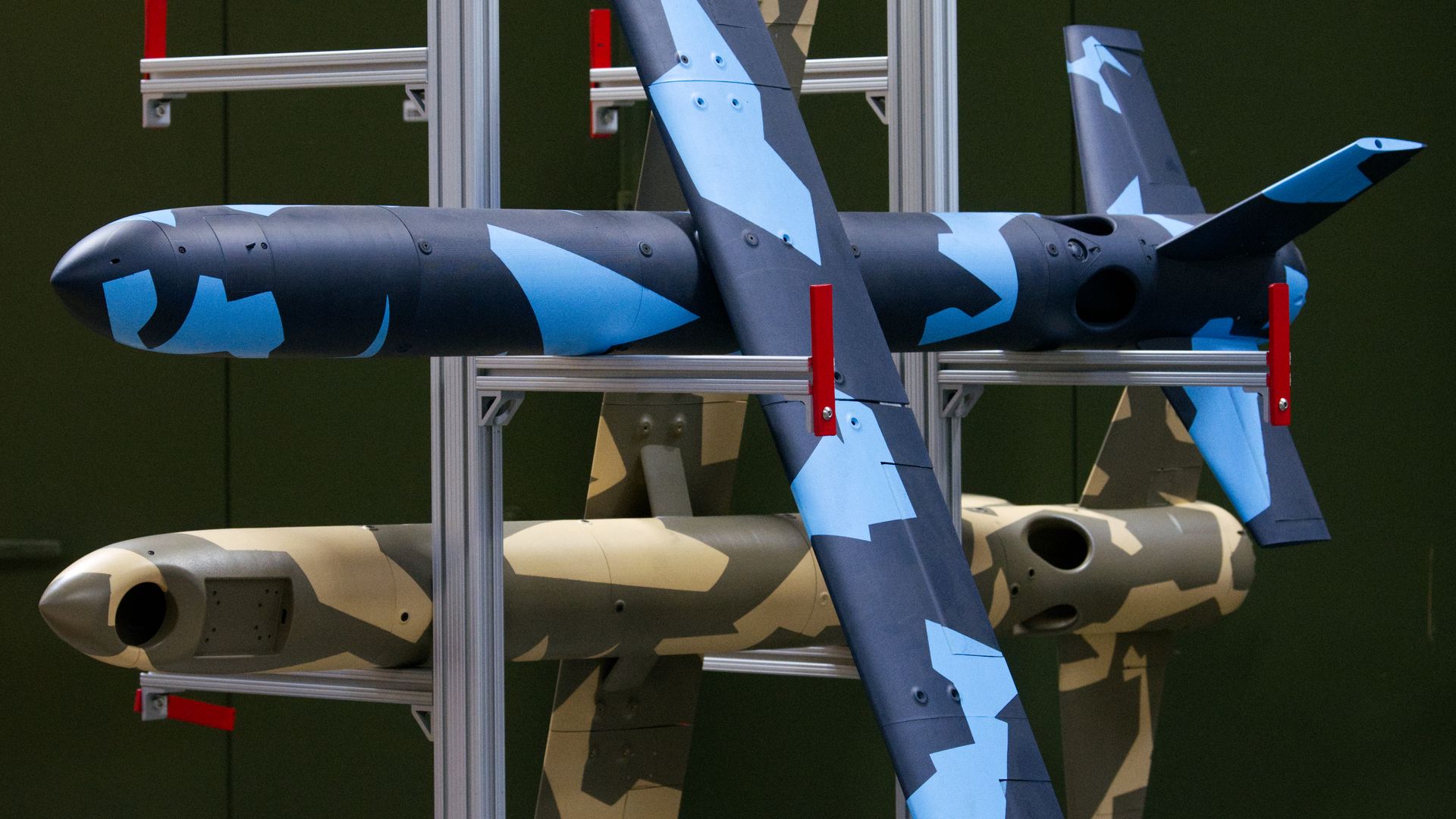
Why it matters: Additive manufacturing is incredibly attractive at a time when capacity — so often held hostage by specialty parts, single producers and backorders — is king.
President Donald Trump is nominating RNC executive Sean Cairncross as his national cyber director, according to a list of new administration nominations obtained by Axios.
Why it matters: This is the first significant cybersecurity nomination of the Trump administration, and if approved, Cairncross would play a key role in the administration's cyber policymaking and response to major cyberattacks.