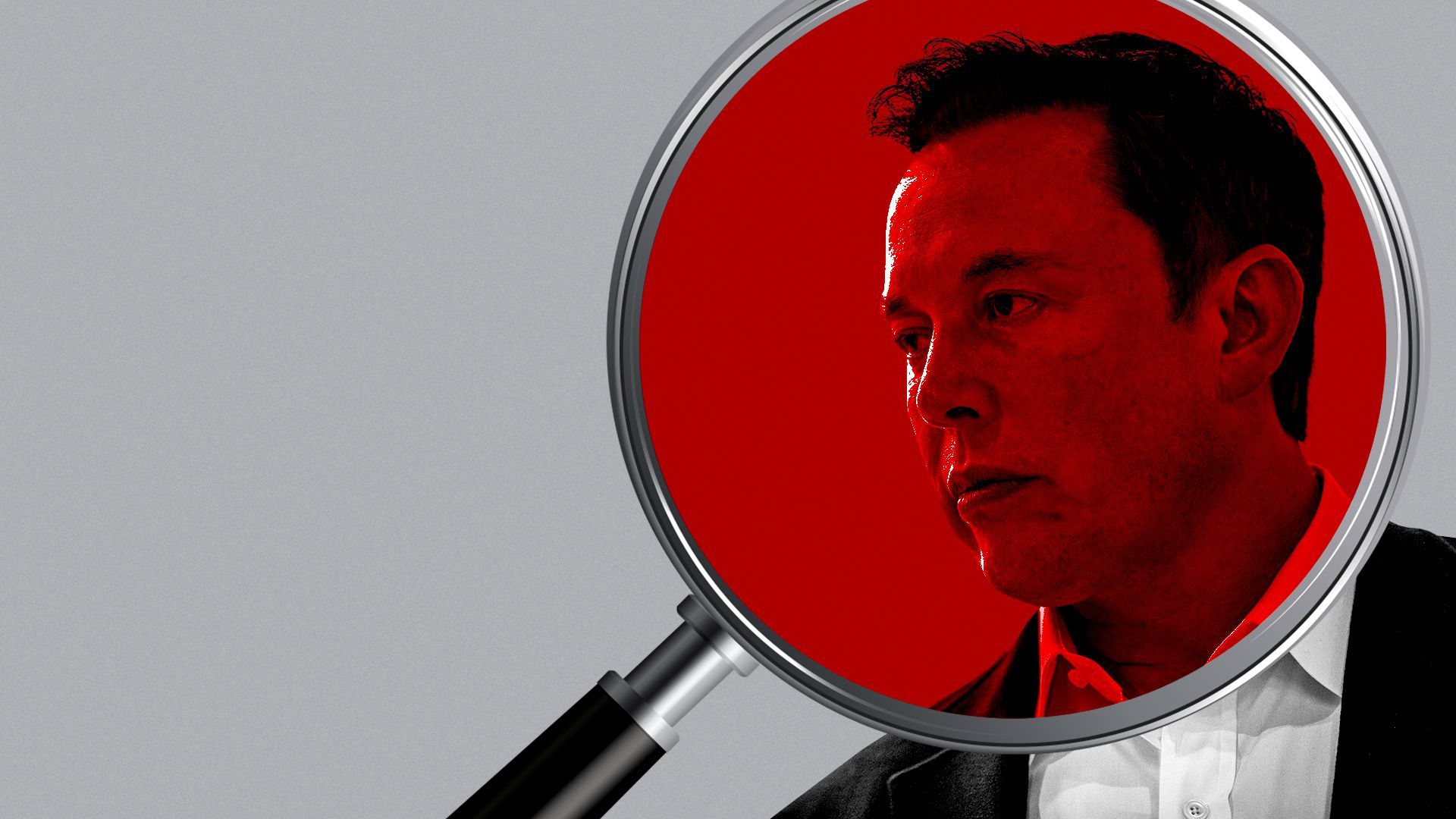
Elon Musk's relationship with the Biden administration got even more complicated this week, when the White House proposed a ban on Chinese software and hardware in advanced vehicles.
The big picture: This rule could benefit Tesla Motors in the short-term by keeping Chinese EVs out of the U.S. — but also could boomerang if China responds in kind.
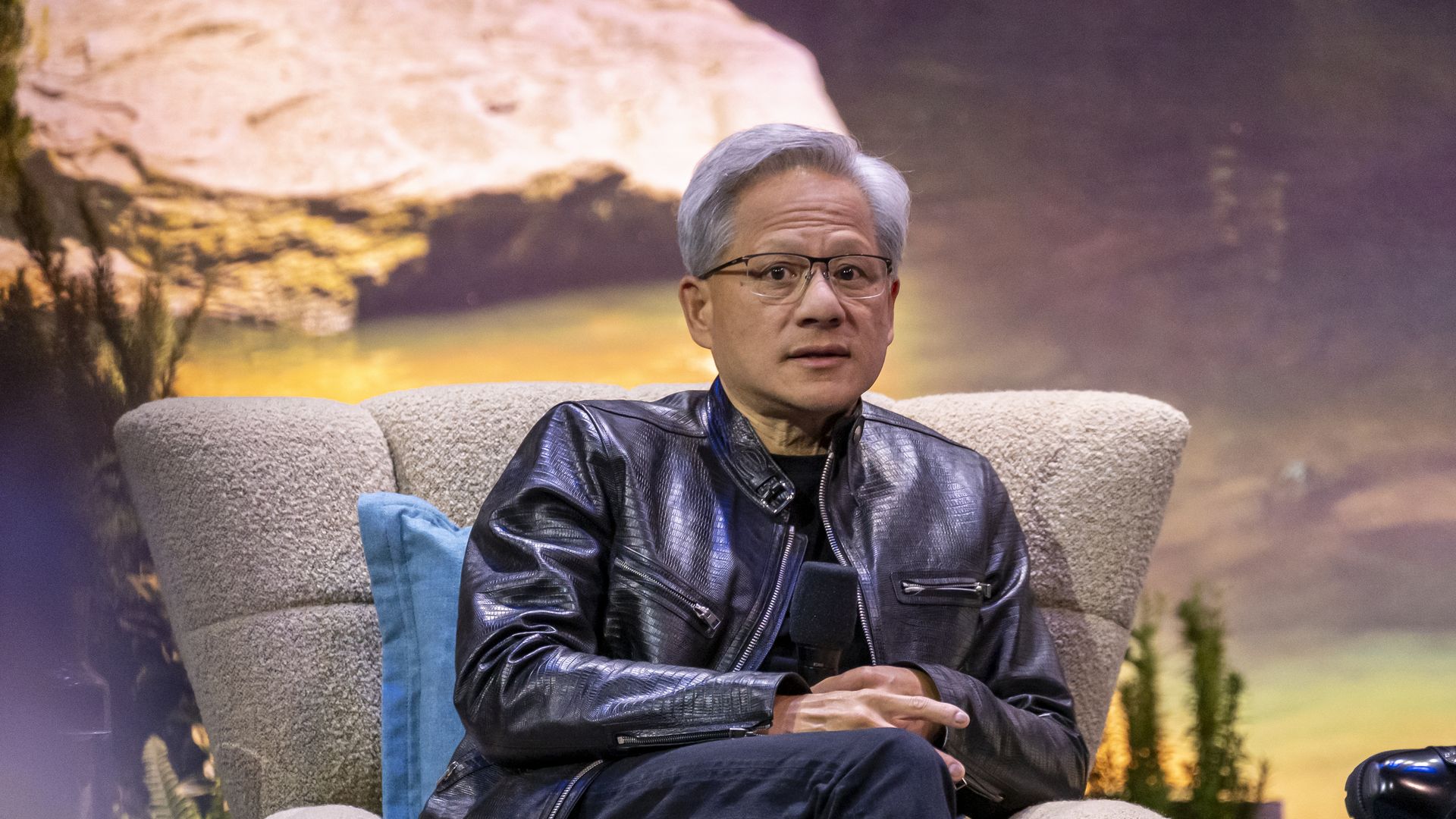
Nvidia CEO Jensen Huang contends that AI's benefits for the power grid and society ultimately will offset its massive energy suck.
Why it matters: AI's rise is fueling fears in the power sector and the climate community about grid reliability and meeting greenhouse gas emissions reduction targets.
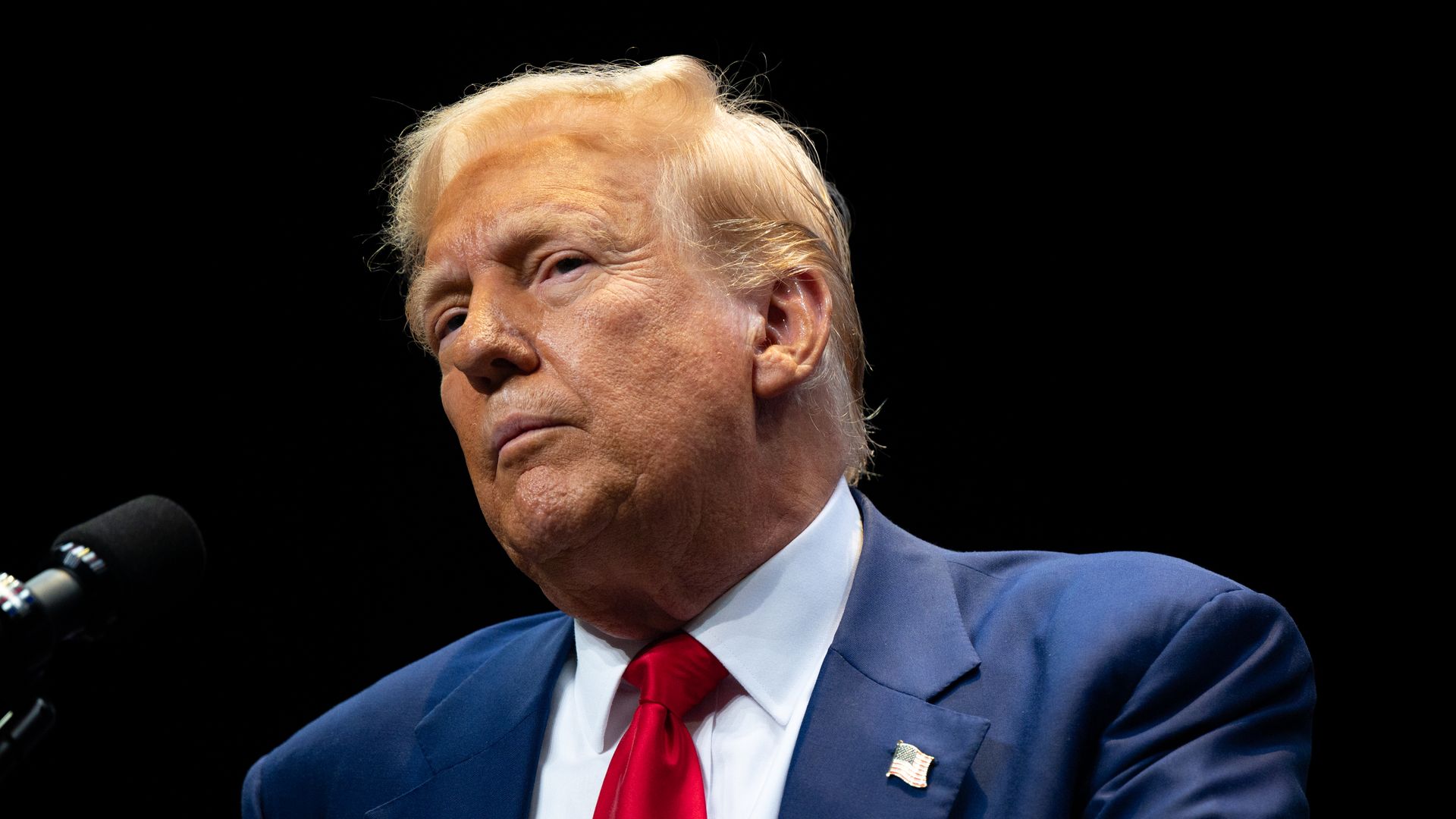
Three Iranianswere charged in connection with a hack targeting former President Trump's 2024 campaign allegedly meant to shape the outcome of the November election, according to an indictment unsealed Friday.
The big picture: Masoud Jalili, Yaser Balaghi and Seyyed Ali Aghamiri were charged with conspiracy to obtain information from a protected computer, fraud and several instances of aggravated identity theft, among other counts.
Meta's plan to generate synthetic content tailored to individual users — which attracted little notice this week amid a slew of product announcements — opens a whole new Pandora's box in an AI world already full of them.
Why it matters:Generative AI has largely been used to create content at the behest of individual users, but now Facebook's parent company says it will proactively surface AI-generated posts based on users' interests.
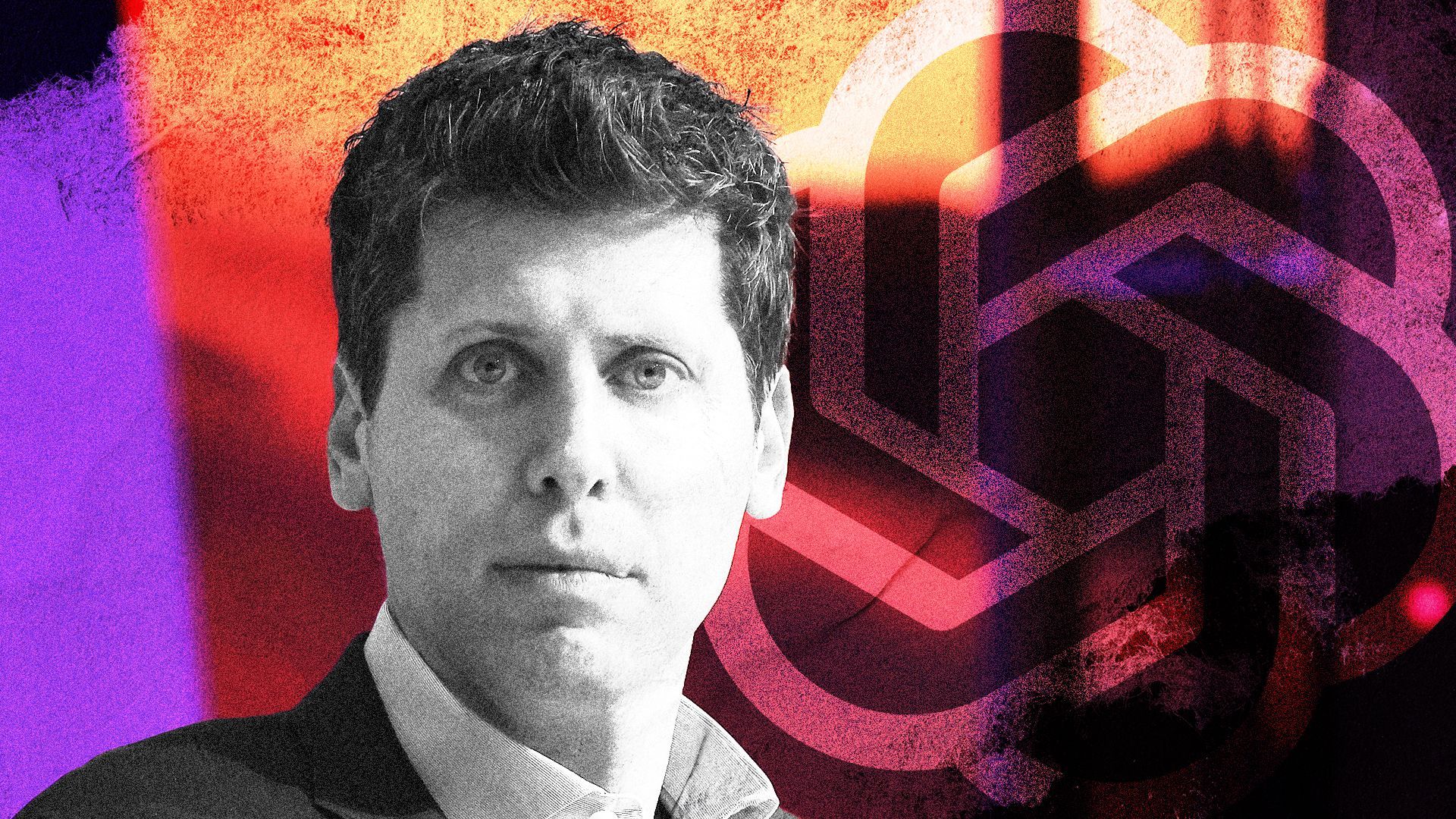
OpenAI is closing in on raising $6.5 billion, the largest venture capital raise in history. But in order to do so, it looks like it will need to do the Delaware equivalent of selling its soul — it will have to overhaul its governance structure so that it's no longer controlled by a nonprofit organization.
Why it matters: At stake is OpenAI's overarching commitment "to build general-purpose artificial intelligence that benefits humanity, unconstrained by a need to generate financial return." (That's from its most recent nonprofit tax filing.)
OpenAI's chief financial officer told workers that investor interest in the company's massive funding round was "incredibly high" as part of an effort to reassure them after a wave of high-profile departures, a source familiar with the situation told Axios.
Why it matters: Staffers were caught off guard at the exit of CTO Mira Murati followed by a news cycle driven by the company's potential push to become a for-profit business.
It turns out that OpenAI's status as a nonprofit might've been the most artificial thing about it.
Why it matters: A potential plan to move the generative-AI pioneer into the control of a fully independent for-profit outfit would remove any uncertainty over whether financial motivations are at the core of the ChatGPT maker's ambitions.
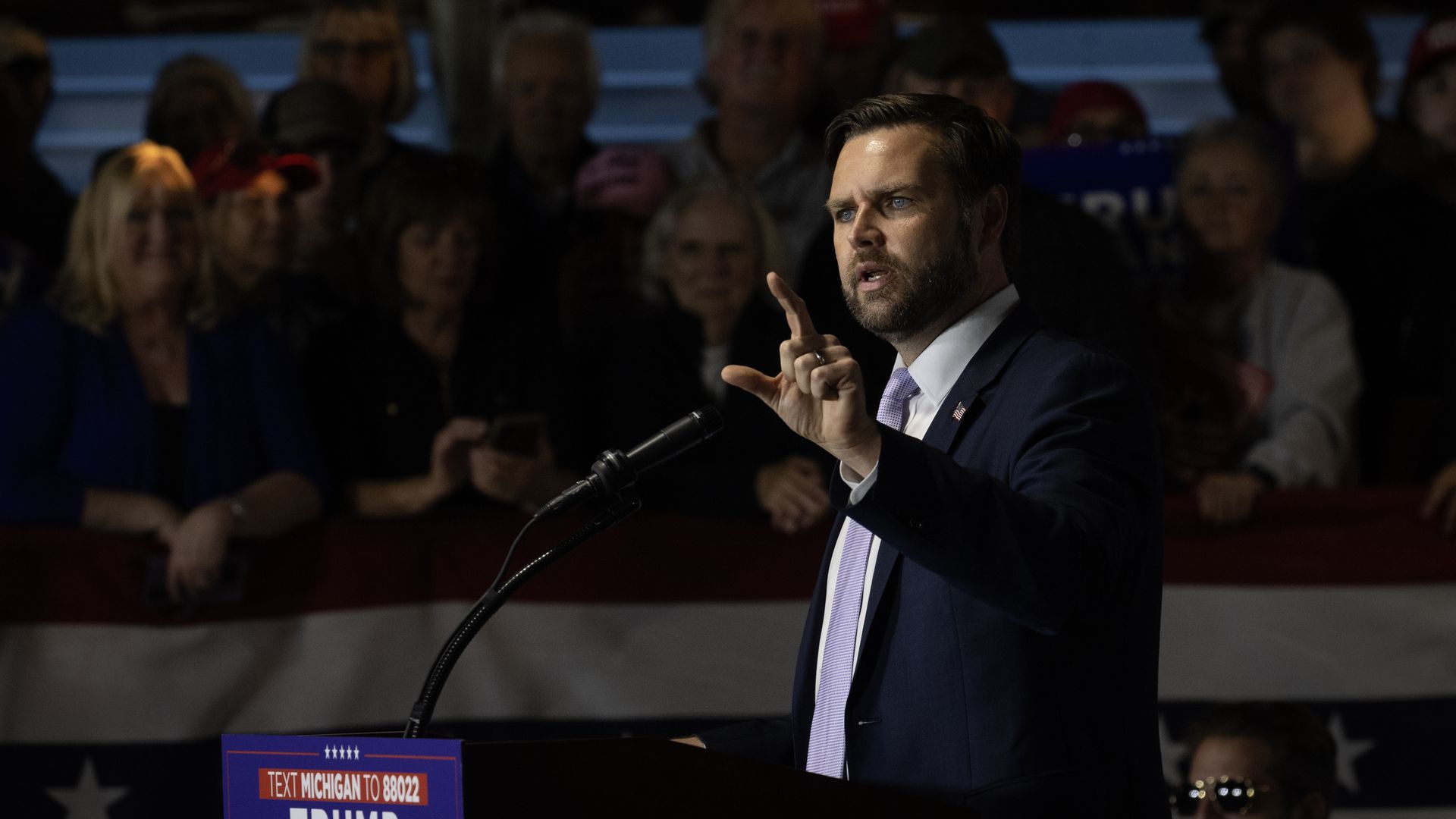
X on Thursday suspended independent journalist Ken Klippenstein's account after Klippenstein shared Sen. JD Vance's vetting document from the alleged Iranian hack of Donald Trump's campaign.
The big picture: The 271-page document includes research on Vance that the Trump campaign compiled to vet him as a potential running mate.
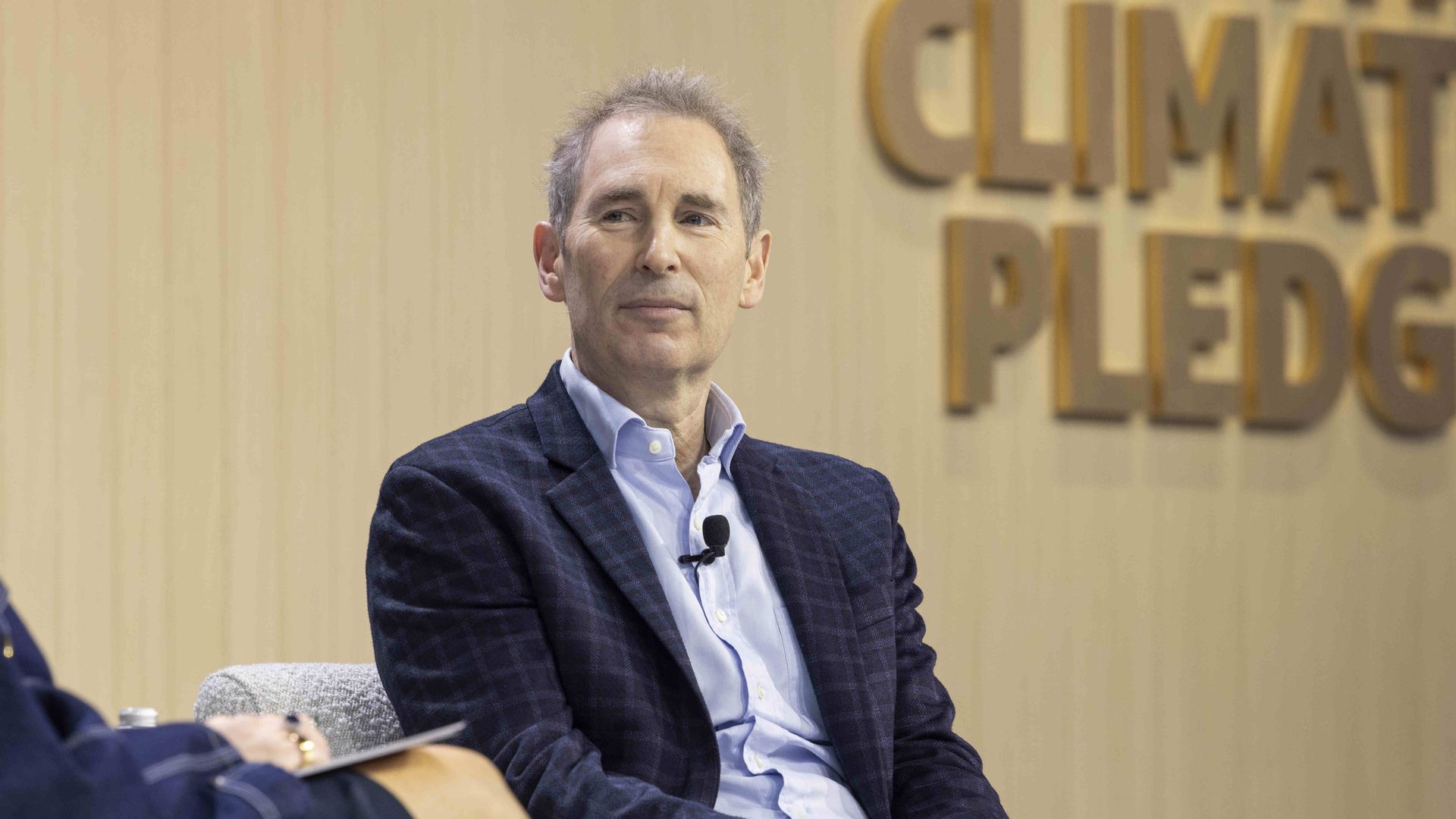
Amazon CEO Andy Jassy expects the company to remain the world's largest renewable energy-buying company for "several years to come," he said Thursday.
Why it matters: His comments signal that tech's outsized influence on green energy adoption will remain intact as AI reshapes demand for electricity and resources.
NEW YORK – The tension between profit and environmental impact raises questions for corporate America about whether business can ever meet the true definition of "sustainable."
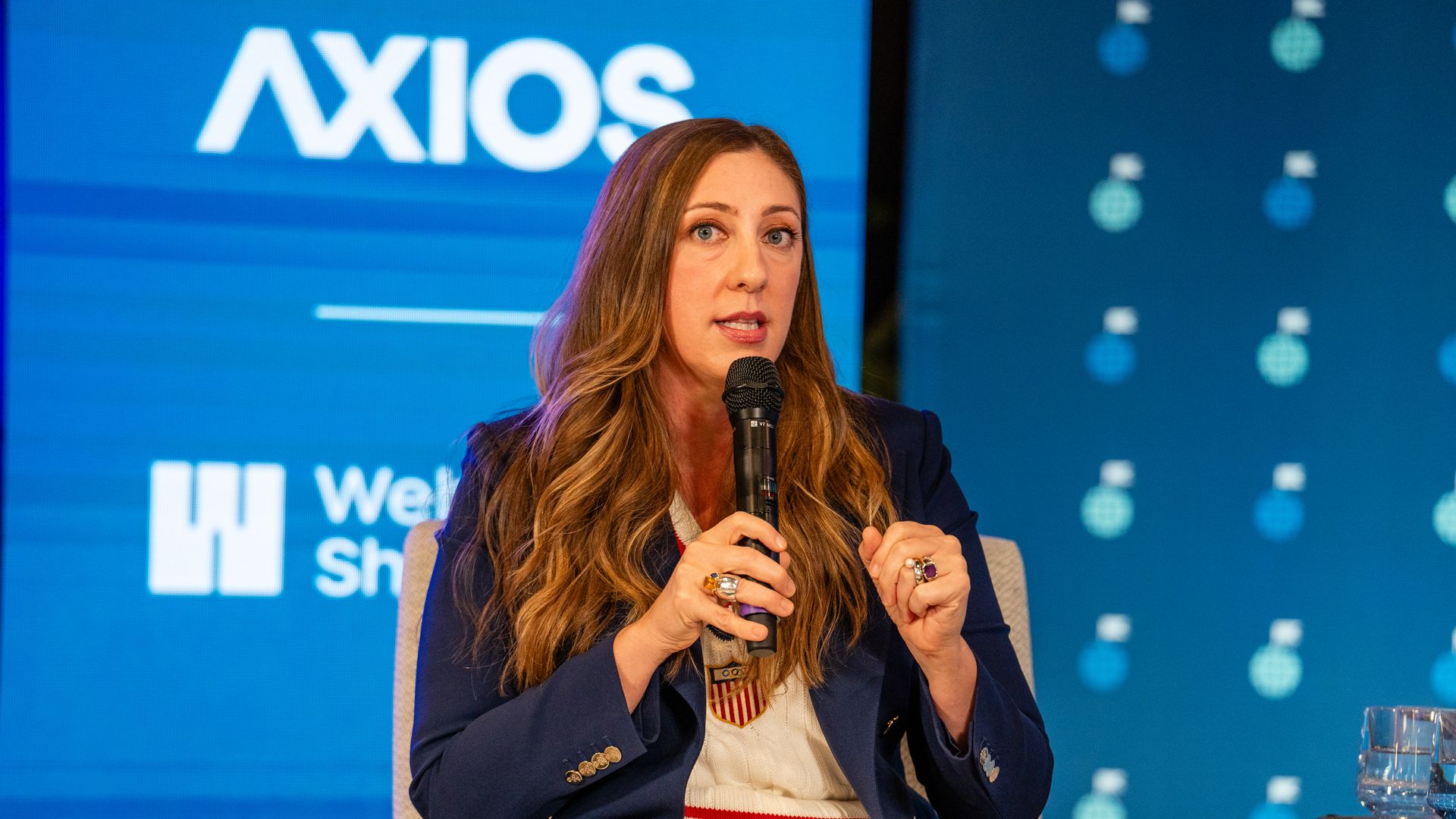
Axios host/editor Niala Boodhoo, energy reporter Ben Geman and senior business reporter Hope King moderated conversations with Climeworks CEO Christoph Gebald; Amazon chief sustainability officer Kara Hurst; Patagonia CEO Ryan Gellert; and EILEEN FISHER CEO Lisa Williams at Axios House for Climate Week and UNGA. The event was sponsored by Suntory Global Spirits.
Why it matters: Sustainability commitments have become a key business objective for many companies, but the impact of such pledges varies depending on how leaders see them through.
What they're saying: "We're not a sustainable company, we don't describe ourselves that way," Patagonia's Gellert said.
"Sustainability is taking less from a system than it can regenerate, and that doesn't define how we are able to run our business today. If anything, we're a responsible company in that we really sweat the details on the decisions that we make," Gellert continued.
Making money while actually doing good for the planet is a difficult thing to do. "It's a constant juggling match to make it happen, and to make it happen in an integrated way," Williams said.
One of the strongest ways the private sector can take action is through their purchasing power, and Hurst said Amazon has invested heavily in renewable energy.
Amazon made a commitment to be 100% renewable across their global operations by 2030. Hurst said they reached the goal last year, which was well ahead of schedule.
Sponsored content:
In a View From the Top sponsored segment, Maker's Mark managing director Rob Samuels explained how the company's distillery has embraced regenerative agriculture and helped their 26 growers do so, too.
"We have funded all of the research, all of the education for all 26 of these growers to embrace regenerative agriculture, which is moving away from heavy industrial farming that destroys the topsoil, that heavily relies on pesticides and fertilizers to this regenerative model," Samuels said.
Throughout my conversations at Axios House and in various meetings with chief communications and corporate affairs officers this week, not once did the words "press release," "media relations" or "social media" come up.
Instead we discussed public policy decisions, looming regulatory hurdles, amicus briefs, stakeholder management, corporate impact, sustainability and DEI strategies.
Why it matters: These conversations show where most communicators are spending their time, energy and resources.
OpenAI's board is continuing to consider restructuring the company in ways that might change its current control by a non-profit organization, but no final plan has been adopted, according to a source familiar with the matter.
Why it matters: As Axios reported last November, the ChatGPT maker began weighing governance changes in the aftermath of the boardroom battle that saw CEO Sam Altman fired and then rehired in the course of a week.








/2024/09/26/1727394062198.gif?w=3840)







/2024/09/26/1727311463758.gif?w=3840)