X suspends journalist who shared leaked Vance docs

Add Axios as your preferred source to
see more of our stories on Google.
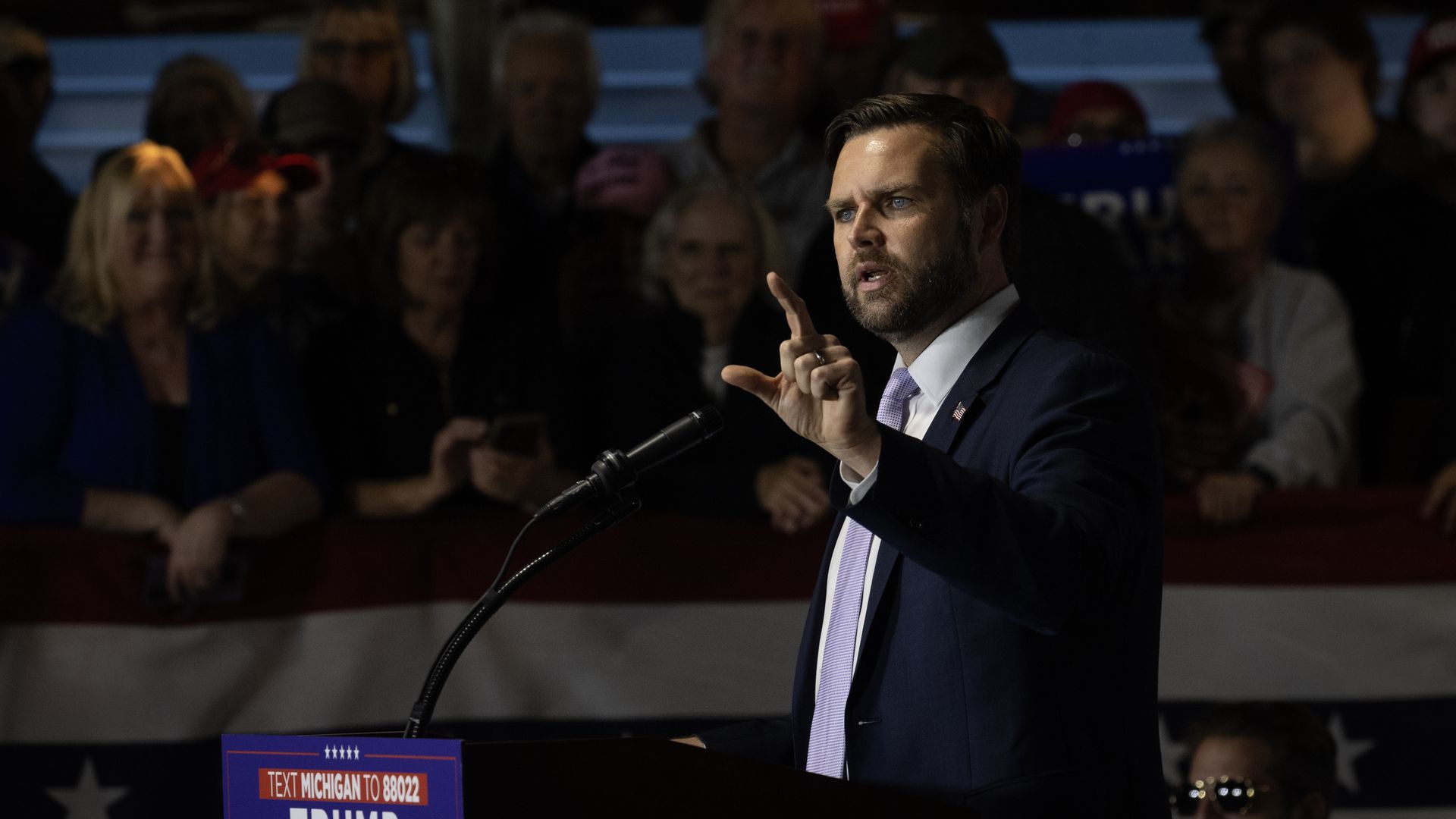
Republican vice presidential candidate JD Vance. Photo: Scott Olson/Getty Images
X on Thursday suspended independent journalist Ken Klippenstein's account after Klippenstein shared Sen. JD Vance's vetting document from the alleged Iranian hack of Donald Trump's campaign.
The big picture: The 271-page document includes research on Vance that the Trump campaign compiled to vet him as a potential running mate.
Driving the news: Shortly after Klippenstein shared the document, his X account was suspended for violating its hacked materials policy which was in place before Elon Musk bought Twitter for $44 billion in 2022.
- Klippenstein published the document to his personal Substack, writing: "The dossier has been offered to me and I've decided to publish it because it's of keen public interest in an election season."
- "As far as I can tell, it hasn't been altered, but even if it was, its contents are publicly verifiable. I'll let it speak for itself," he added.
- The document included Vance's phone number, home address and email address.
What they're saying: "Ken Klippenstein was temporarily suspended for violating our rules on posting unredacted private personal information, specifically Sen. Vance's physical addresses and the majority of his Social Security number," a spokesperson for X told Axios.
- Klippenstein did not respond to a request for comment from Axios.
Between the lines: X has suspended journalists' accounts in the past under Musk's management, despite his repeated claims of standing for free speech. His content moderation decisions have been inconsistent and a flashpoint for the media.
Flashback: In 2020 conservative critics blasted Twitter for limiting circulation of a New York Post story about Hunter Biden.
- In response the company made two adjustments to its hacked materials policy in 2020 as reported by Axios' Sara Fischer:
- Twitter will no longer remove hacked content unless it is directly shared by hackers or those acting in concert with them.
- It will label tweets to provide context instead of blocking links from being shared on Twitter.
Go deeper: Online content policing loses steam
