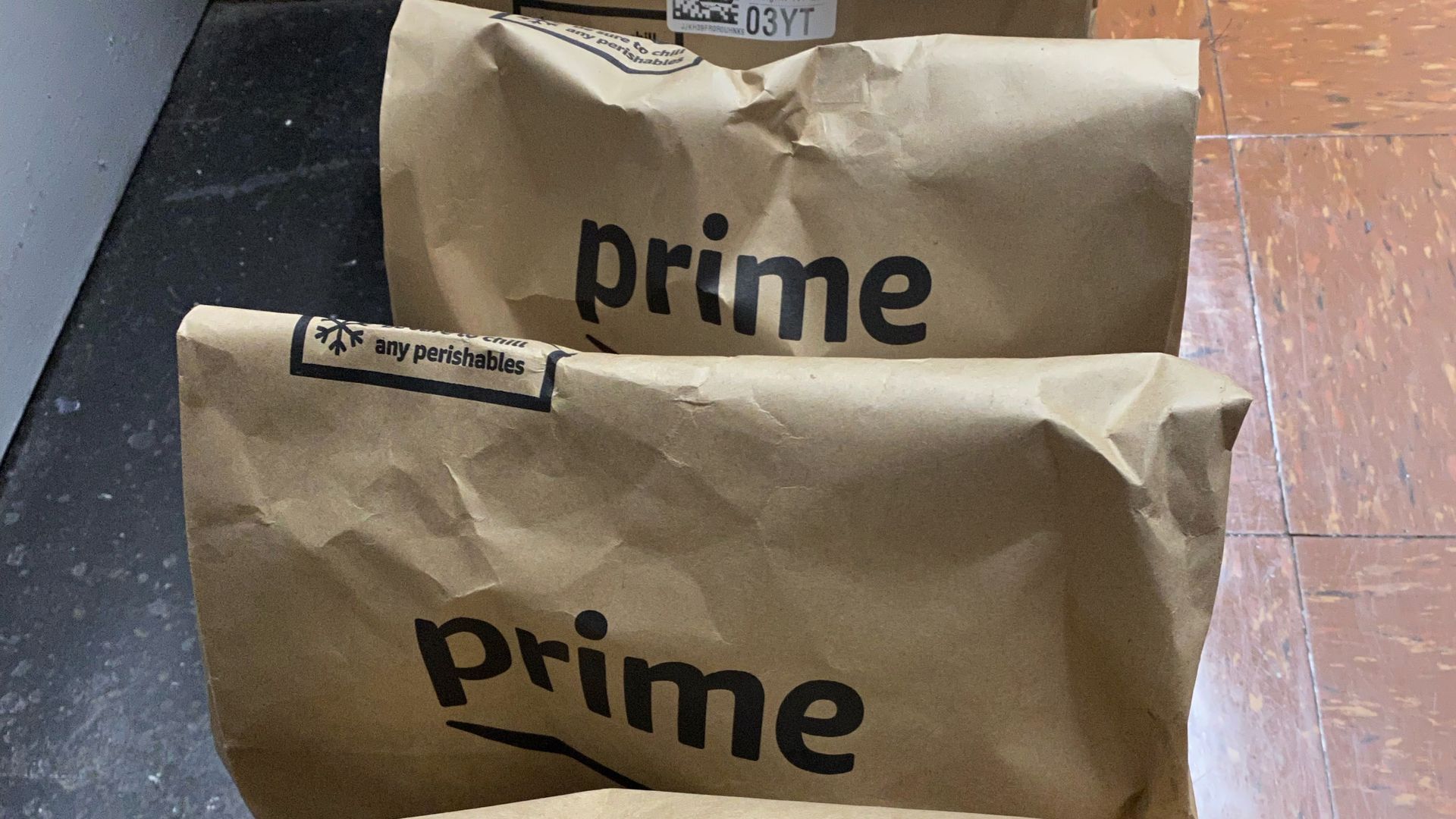
The Defense Department's multimillion-dollar bets on smart depots are bearing fruit — but still resemble what you would have found at an Amazon shipping center of yore.
Why it matters: Getting the right supplies to the right people at the right time can mean the difference between blowing something up and getting blown up.
Fears that AI could drown the truth with fakery in this election cycle are receding, for now, in the face of a different reality: For now, AI imagery is just another meme style.
Why it matters: Yes, we're being flooded with crap, but it's recognizable crap — mostly being used with a wink, and only likely to fool the truly gullible.
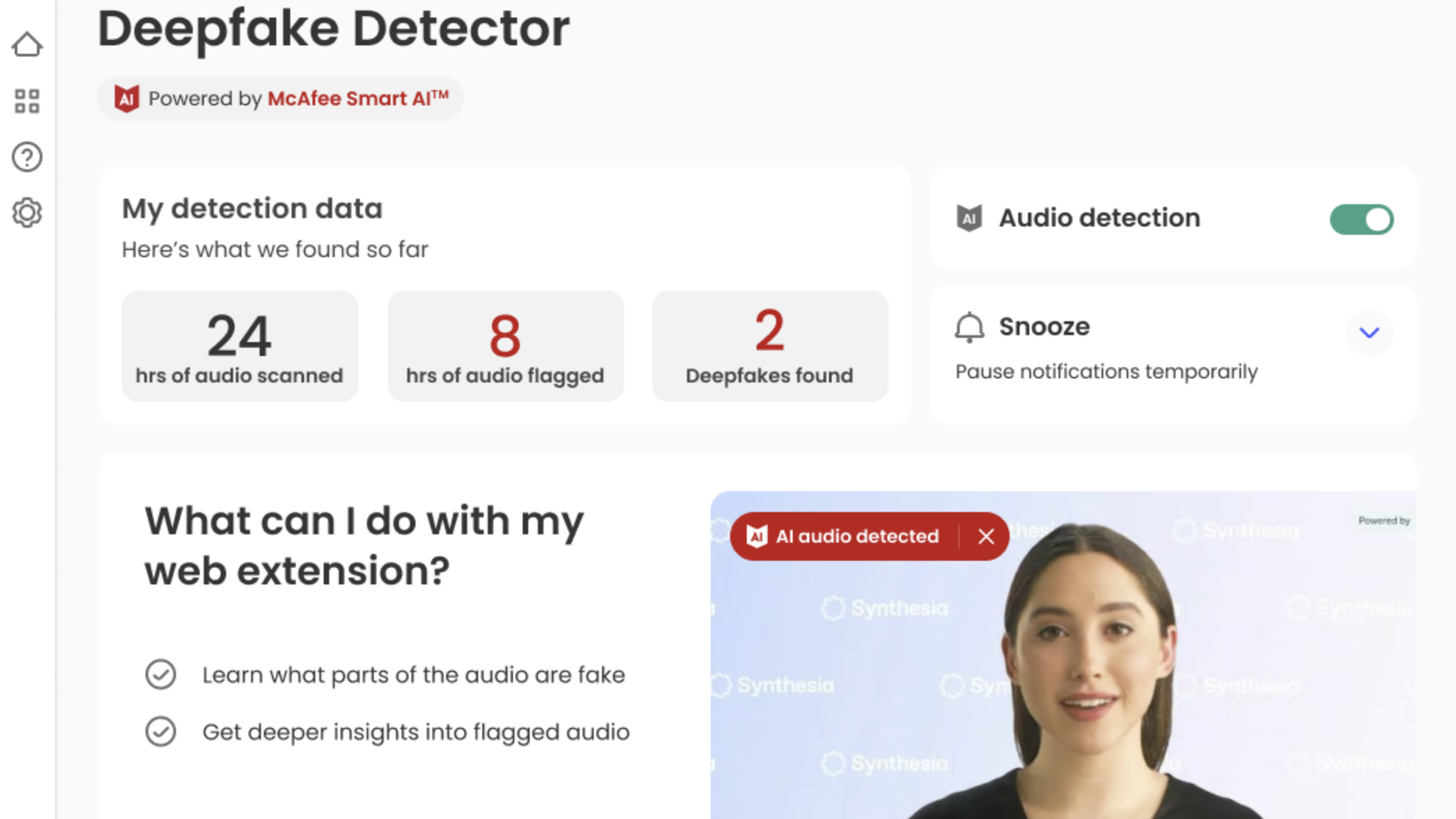
McAfee is announcing a new tool that helps users figure out whether the audio they are listening to in a video on YouTube, X or any other service is real or a deepfake.
Why it matters: AI companies have released a growing array of tools to generate content, but products that can tell you with any reliability whether content was made with AI remain rare.
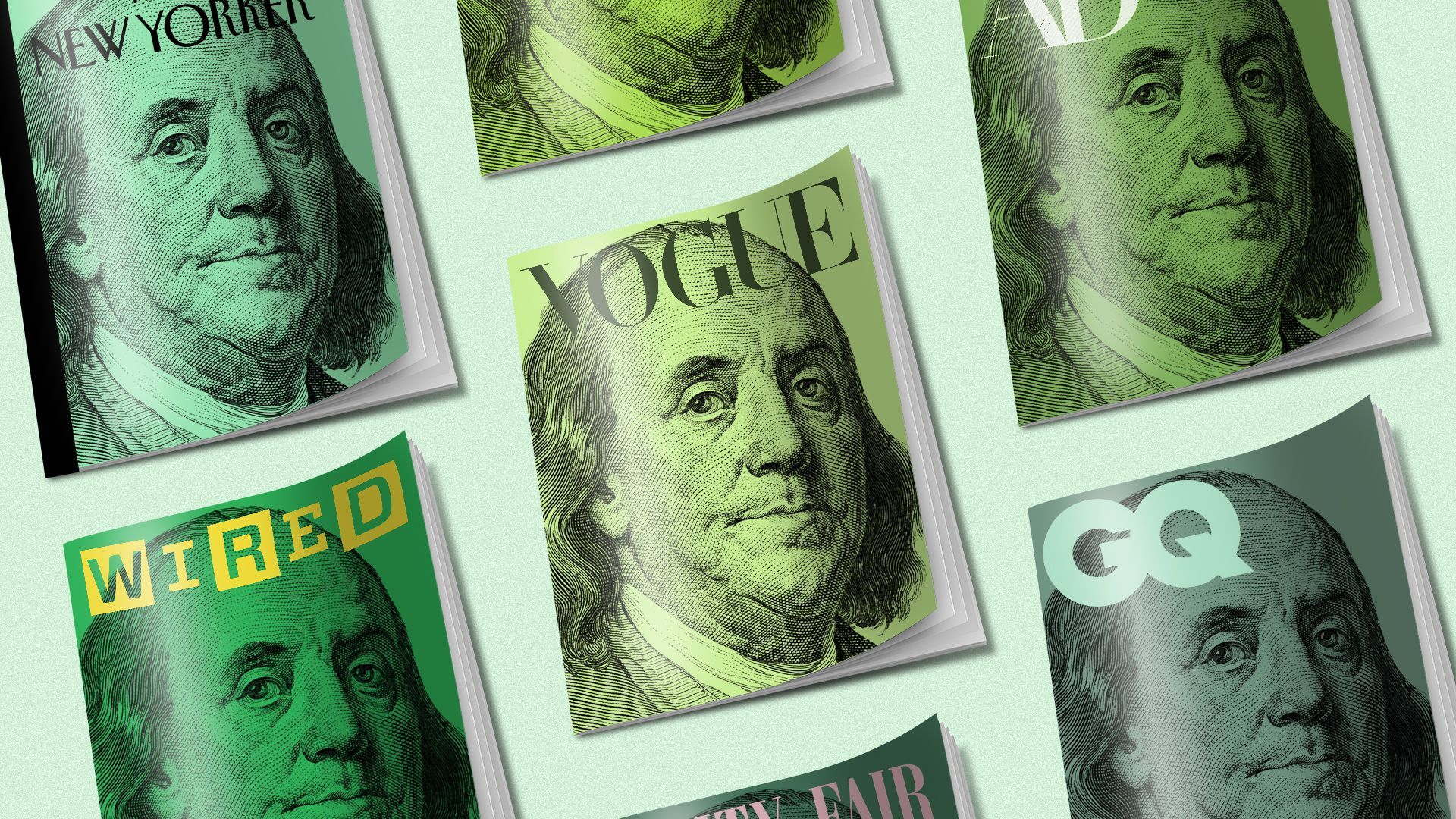
OpenAI has struck a multiyear licensing deal with Condé Nast, the companies announced Tuesday.
Why it matters: Condé Nast is home to some of the world's biggest tech, lifestyle and culture brands, including Vogue, The New Yorker, Bon Appétit, Vanity Fair and Wired.
A new media company focused on social impact projects intends to open a first-of-its-kind movie studio in Baja, Mexico.
Why it matters: The Latino-founded venture, Phenomena Global, plans to tap Hollywood executives, Washington political players and advocacy groups to fund projects that are entertaining but also tackle issues such as climate change, mental health, and human rights.
The Washington Post on Sunday published its first-ever story built on the work of a new AI tool called Haystacker that allows journalists to sift through large data sets — video, photo or text — to find newsworthy trends or patterns.
Why it matters: In an interview, the Post's chief technology officer Vineet Khosla said the company is committed to building many AI tools in-house because they can address the specific needs of trained journalists.
Mobile creativity software provider Procreate pledged Monday that it won't be adding generative AI to its products. (The Verge)
A candidate for mayor in Wyoming is vowing to use an AI bot to make decisions if elected; he's already run afoul of OpenAI's rules governing ChatGPT's use in politics. (Washington Post)
Former Autonomy CEO Mike Lynch is missing after the yacht he was on sunk off the coast of Sicily. (Axios)
Stability.ai named Hanno Basse as its new CTO. The former Microsoft Azure executive was most recently CTO of Digital Domain, a visual effects and production company.
In a new, more wholesome version of the Tide pod challenge, this video shows how the laundry detergent's orange canisters can be reused as plastic jack-o-lanterns.
Each Meta employee, on average, accounted for more than $1 million in revenue in the first half of 2024, a company record.
Why it matters: Meta made steep cuts in late 2022 and early 2023, but they haven't impacted its business growth — thanks in large part to AI-driven improvements to the social media giant's recommendation system and ads platform.
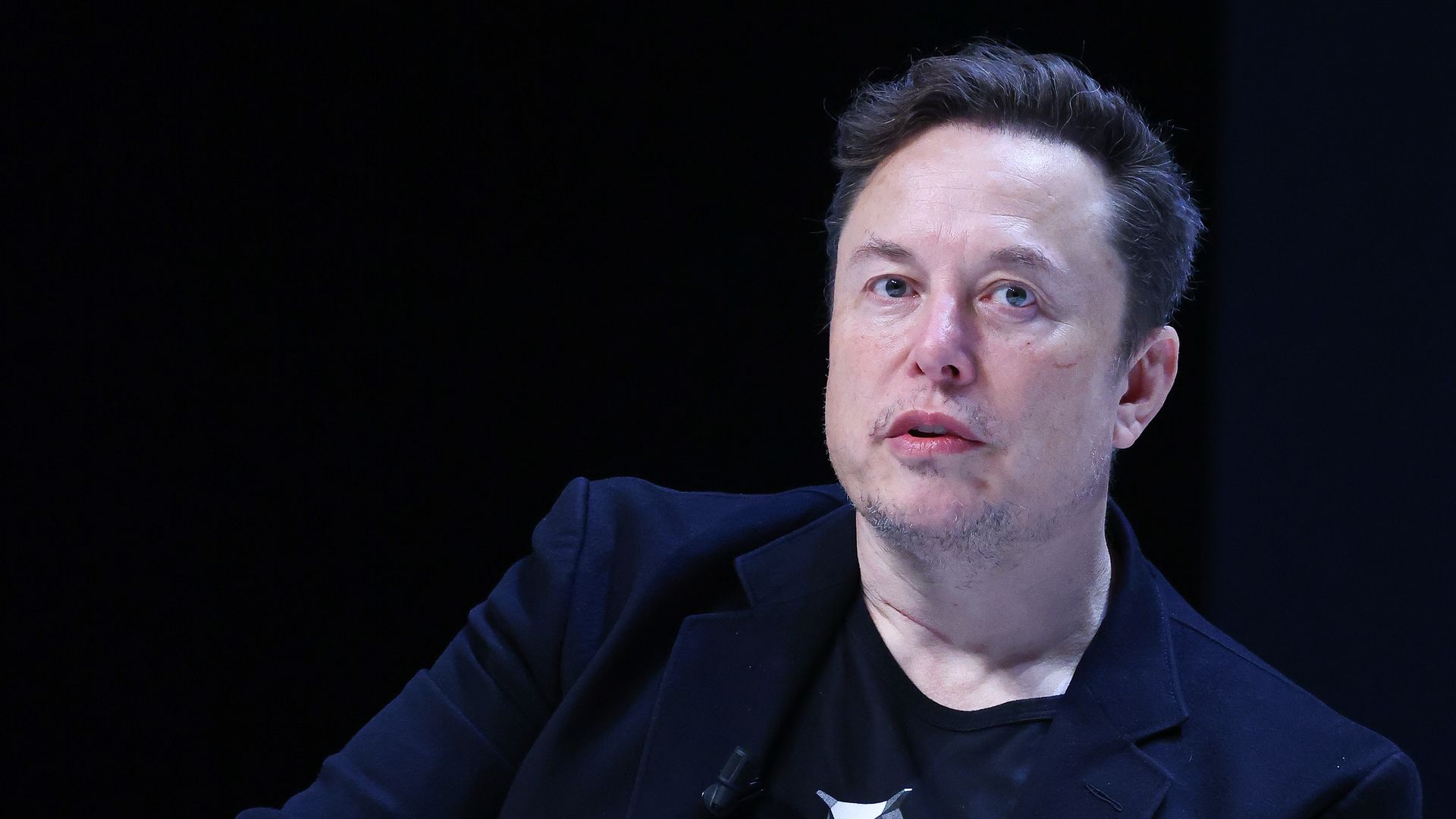
Former President Trump may tap Tesla CEO Elon Musk for a role in his administration if he's re-elected in November, he told Reuters in an interview Monday.
The big picture: The pair have forged an alliance andthe former president has for months reportedly been weighing a possible role for Musk — one of the richest people on the planet who controls one of the world's biggest social media platforms and has endorsed him in the presidential race.