Microsoft's AI-powered cloud business, Azure, grew 29% in the last quarter, below what most analysts were looking for — and a slowdown from the 31% growth seen in the previous period.
Why it matters: Microsoft's results are the latest test for Big Tech around AI monetization.
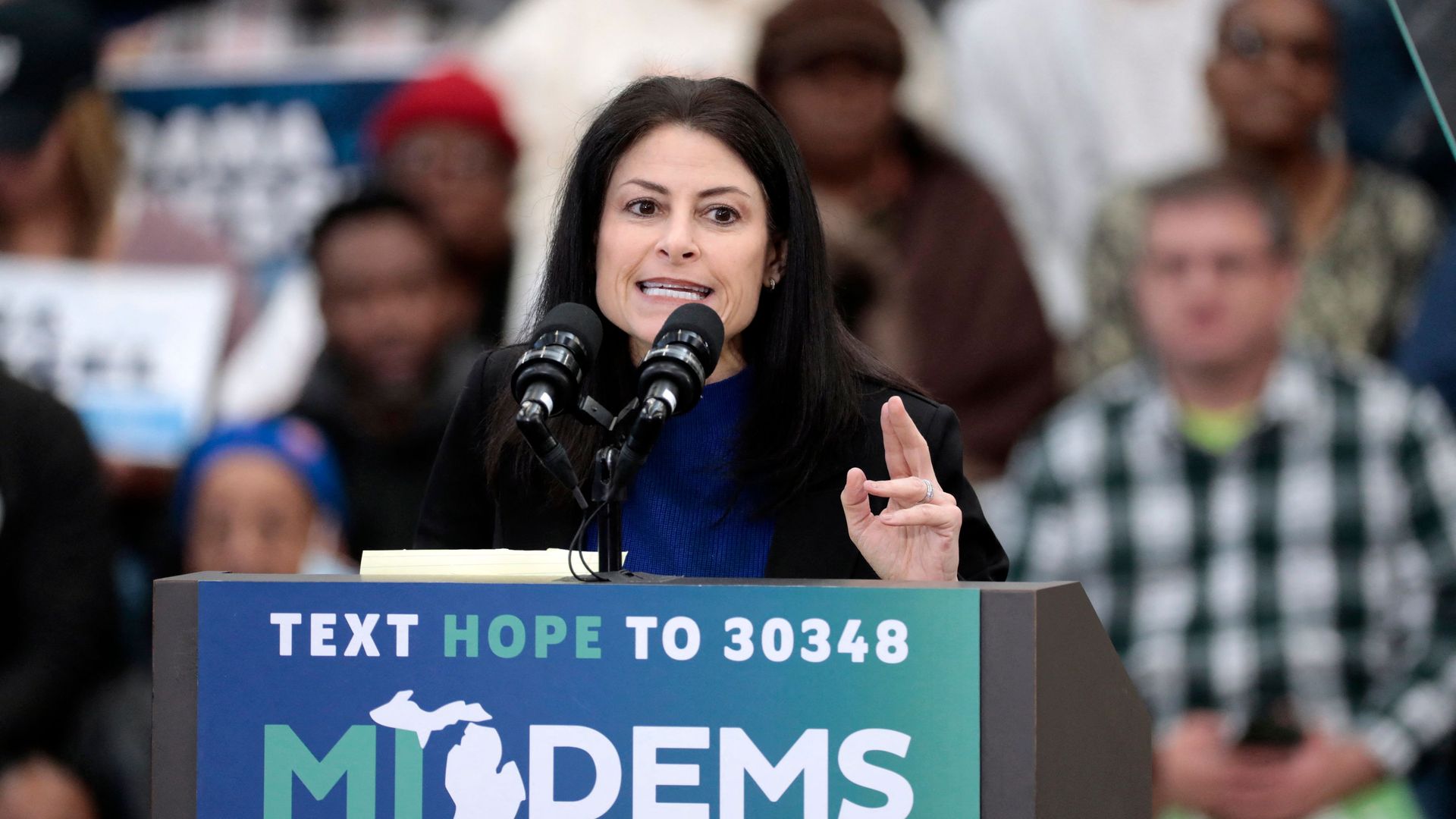
Michigan Attorney General Dana Nessel doesn't have confidence that social media companies will be as open as they were in 2020 to removing posts containing disinformation.
Why it matters: The 2024 U.S. elections have already been a ripe target for foreign-based disinformation, and AI tools are likely to exacerbate the wave of purposefully false information that circulates online about candidates and the voting process.
Meta agreed to pay $1.4 billion to settle a 2022 lawsuit with the state of Texas for obtaining unauthorized user biometric data, Texas Attorney General Ken Paxton announced Tuesday.
Recovering from data breaches has gotten more expensive for companies over the last year, according to an IBM report out today.
Why it matters: Data breaches are on the rise, meaning more companies are losing revenue from operational downtime, post-breach investigations and potential lawsuits.
At least 1 billion records have already been stolen as part of incidents so far this year.
A series of hacks targeting vulnerable Snowflake databases and the ransomware attack against UnitedHealth's Change Healthcare have increased totals in 2024.
By the numbers: The average cost of a data breach was $4.88 million among organizations that faced incidents between March 2023 and February 2024 — a 10% jump from the $4.45 million average during the prior-year period.
Michigan Attorney General Dana Nessel doesn't have confidence that social media companies will be as open as they were in 2020 to removing posts containing disinformation.
Why it matters: The 2024 U.S. elections have already been a ripe target for foreign-based disinformation, and AI tools are likely to exacerbate the wave of purposefully false information that circulates online about candidates and the voting process.
What they're saying: "[We] had a lot of success in the 2020 election cycle getting false information taken down from social media, but unfortunately, a lot has changed since that time," Nessel told reporters at the National Press Foundation's elections journalism fellowship program in Detroit yesterday.
🇮🇷 Iran is using covert influence operations to undermine former President Donald Trump's re-election campaign, U.S. intelligence officials said yesterday. (Wall Street Journal)
💸 A group of former Biden administration cyber officials will be hosting a fundraiser for Vice President Kamala Harris on the sidelines of the Black Hat and DEF CON conferences next week. (CNN)
🌐 As countries enter the final round of negotiations over the new United Nations cybercrime treaty this week, the U.S. State Department and 40 other UN members vowed to make sure the treaty can't be used to abuse human rights law. (The Record)
The House of Representatives is banning staffers from using apps from ByteDance, the Chinese-owned parent company of TikTok, on official congressional devices, Axios has learned.
Why it matters: The government is in active litigation making the case that TikTok's ties to China represent a national security threat — an argument that could be undermined if congressional employees have associated apps on their phones.
Americans are snapping up small cars again, not because they want to, but because it's what they can afford.
Why it matters: Higher sticker prices, plus lofty borrowing rates, are making it harder for people to buy the new car of their dreams, so they often have to settle for a smaller vehicle or look for a bargain on a used car.
New AI search products from OpenAI and other industry leaders are forcing news companies to rethink possible deals with AI firms that need news content to answer real-time queries about current events.
The big picture: Negotiations between the tech and news industries over AI have mostly focused on providing data for the broad training of large language models (LLMs) — but now, deal talks are shifting to address narrower use cases, where news publishers may have more leverage.
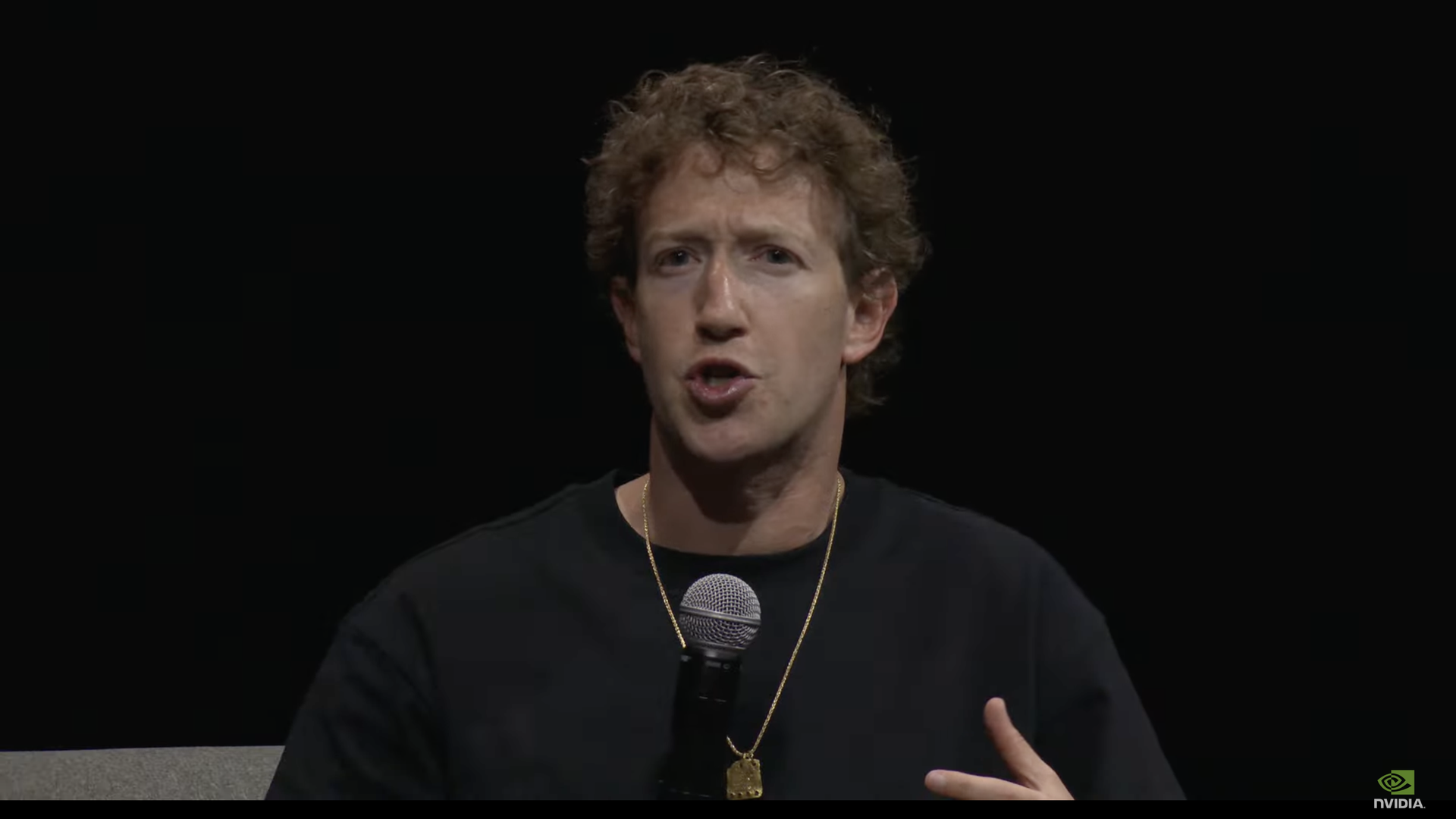
Meta CEO Mark Zuckerberg sees big potential in AI's ability to help people — especially creators — do more, not less.
Why it matters: His vision of helping people digitally simulate their personalities and businesses online stands in contrast to the fear of generative AI's potential to destroy livelihoods.




/2024/07/30/1722347339478.gif?w=3840)