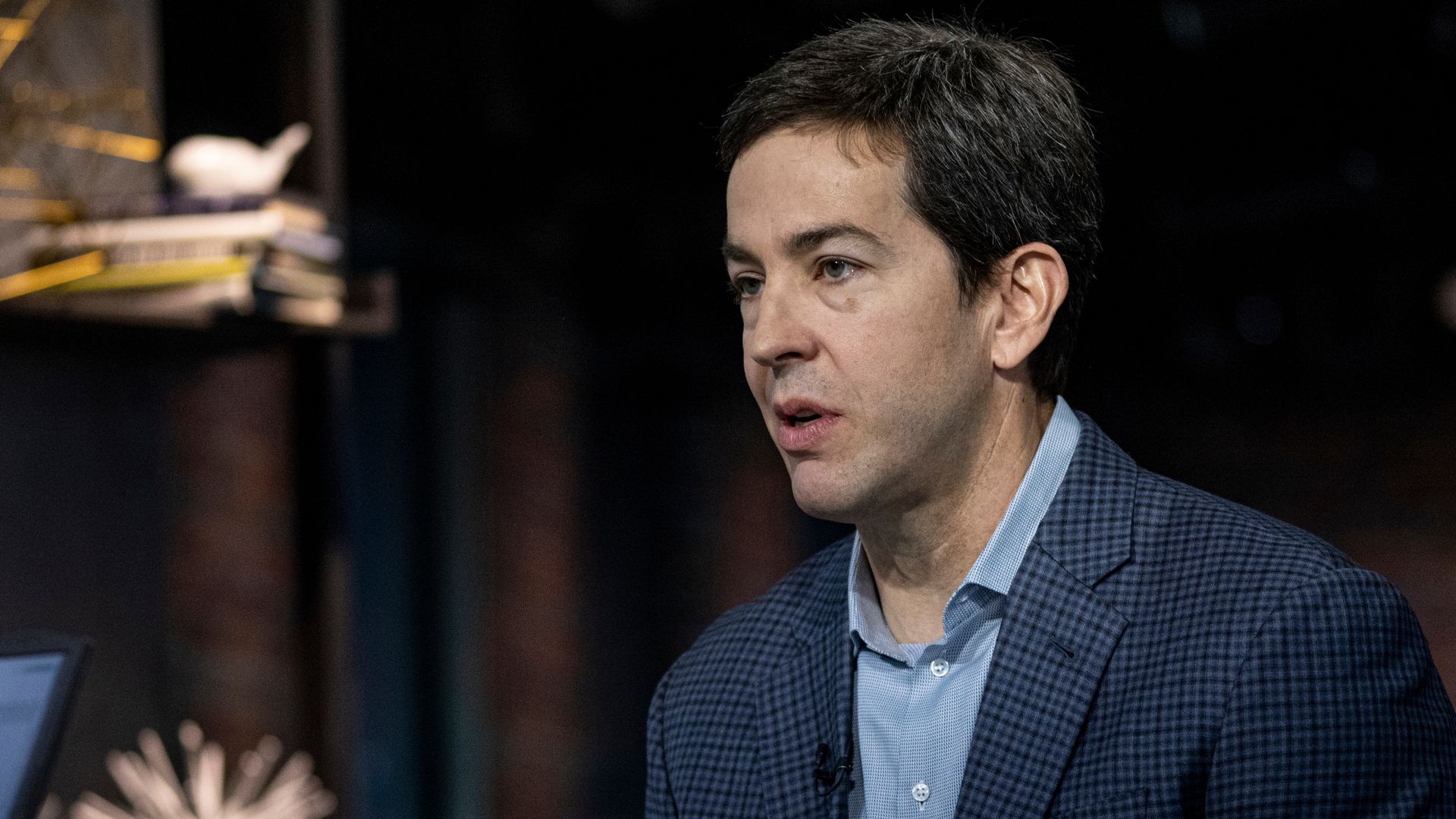
Why it matters: Okta provides identity management tools, like multifactor authentication and single sign-on solutions, to a range of organizations, including government agencies, Fortune 500 companies and AI startups.
Jessica Rosenworcel, chairwoman of the FCC, introduced a proposal on Wednesday that aims to make it more difficult for domestic violence or domestic abuse survivors to be harassed or stalked using internet car systems.
Lightricks, the Israeli startup behind Facetune and Photoleap, announced its most ambitious offering yet. LTX Studio, a visual AI video tool that can generate characters, scenes, storyboards and even entire movies using only text descriptions.
Why it matters: Proponents argue such tools can help democratize the filmmaking process, while some creative professionals worry that generative AI tools will eliminate jobs and hurt the arts.
As artificial intelligence steamrolls ahead, the nation's K-12 school superintendents are largely flummoxed by how they should teach, use and set guidelines around AI — even though they know it's an imperative.
President Biden will sign an executive order Wednesday that aims to stop data brokers and other companies from selling Americans' data to organizations in adversarial foreign countries, including China and Russia.
Why it matters: This is the first time a president has attempted to clamp down on third-party sales and access to the data collected about U.S. citizens by tech, advertising and marketing companies.
Generative AI is raising the curtain on a new era of software breakdowns rooted in the same creative capabilities that make it powerful.
Why it matters: Every novel technology brings bugs, but AI's will be especially thorny and frustrating because they're so different from the ones we're used to.
Apple has canceled its secretive plan to develop an autonomous electric car, Bloomberg reported on Tuesday, citing anonymous sources with knowledge of the matter.
Why it matters: It's an abrupt, substantial shift for the company, as the multibillion-dollar, decade-long project would have led the company into an entirely new market, and it would have marked a new entrant in the auto space.
OpenAI on Monday asked a federal court to dismiss a lawsuit by the New York Times, maintaining the newspaper had to "hack" ChatGPT in order to get the system to produce allegedly infringing results.
Why it matters: Generative AI systems face a number of legal challenges that charge they infringe on copyrighted material both in the results they provide and in how they were trained. The results of these lawsuits could dramatically alter the future of generative AI.
The Commerce Department's National Institute of Standards and Technology (NIST) debuted a highly anticipated revamp of its cybersecurity framework Monday.
Why it matters: The agency framework has long provided a baseline for federal cybersecurity regulations and informed how private companies build and regulate their own cybersecurity practices.
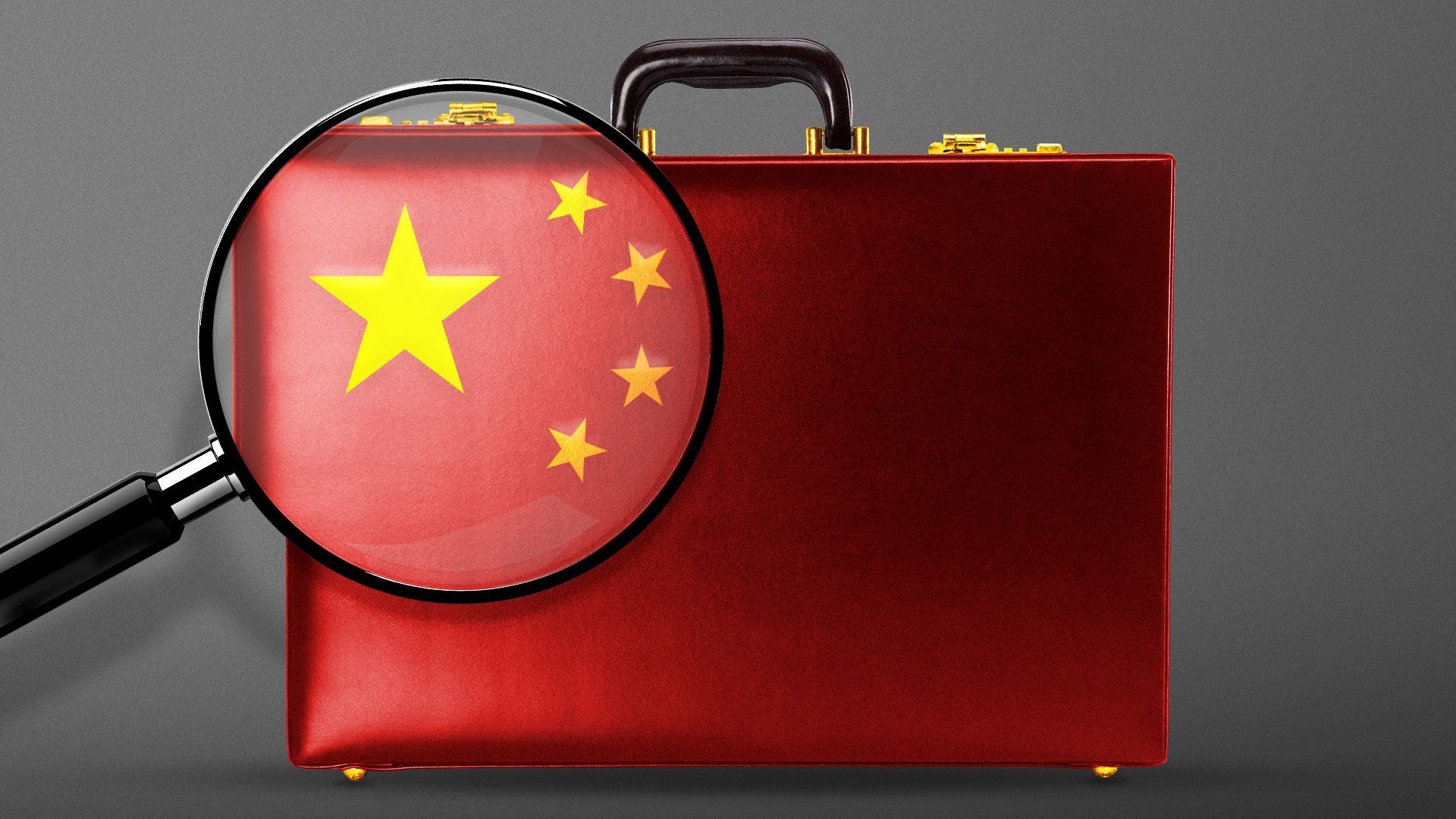
A trove of leaked documents is providing government officials and security researchers a rare public glimpse inside I-Soon, a private China-based offensive cybersecurity company.
Why it matters: The documents — which were posted and removed from GitHub last week — provide details about whom I-Soon has targeted, which Chinese government agencies it has worked with, and conversations between executives and employees about financial hardships.
X-energy, a startup developing small modular reactors (SMRs), sees an attractive market in slaking the energy thirst of the rapidly unfolding artificial intelligence boom.
Why it matters: The company's ambitions underscore AI's role as an emerging demand source — and atomic power's unique but underdeveloped position as one of world's carbon-free energy sources.
Researchers at Stanford University's Human-Centered AI have published a paper that aimed at creating a more precise understanding of open source AI risks and benefits.
Why it matters: The availability of open AI models affects everything from global geopolitics to domestic AI competition.
Not since the atomic bomb has so much money been spent in so little time on a technology its own creators admit could ... wipe out our entire species.
Why it matters: Most people ignore or dismiss the sentence above because it seems too ludicrous to be true. But as technological savants crank out new large-language-model wonders, it's worth pausing to hear their own warnings.
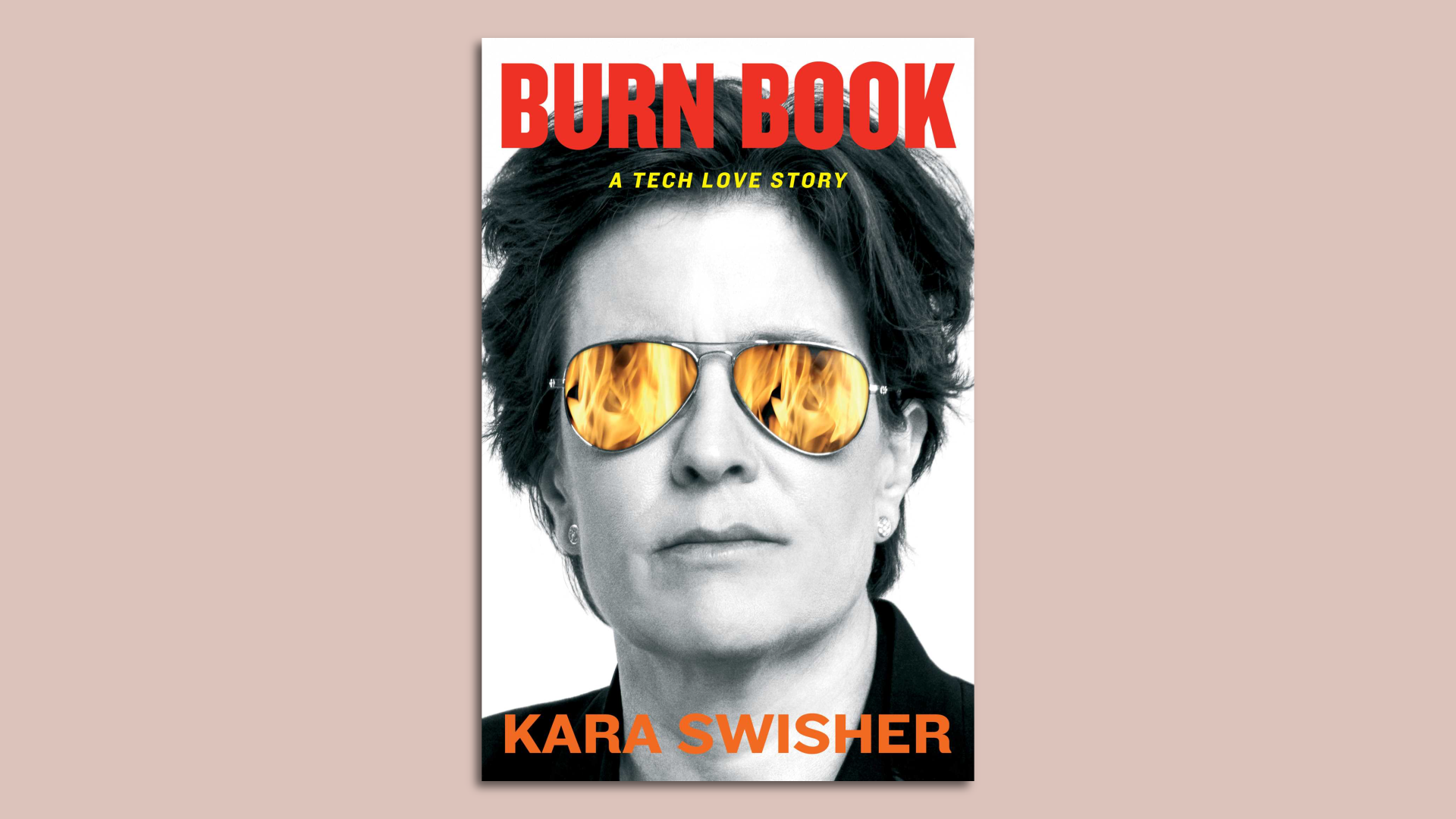
It is said that those who fail to learn the lessons of history are doomed to repeat them and there are a lot of lessons in "Burn Book," Kara Swisher's new memoir, which hits store shelves Tuesday.
Why it matters: Swisher's book is worth reading just for its inside scoop on so many of those who have built the modern tech industry — but its account of their bold, brazen and often juvenile antics also provides insights for navigating the AI era that's now upon us.
The U.S. and several international partners endorsed shared principles for developing 6G wireless communication systems, the White House said Monday.
The big picture: A battle is underway to influence the standards of 6G amid concerns by Western countries and their allies that authoritarian regimes could gain further control over the internet in their countries.











/2024/02/27/1709049117855.gif?w=3840)







/2024/02/26/1708987321614.gif?w=3840)