A top U.S. regulator is amending its previous complaint against LBRY, cutting the fine imposed against the crypto firm by more than 99% — but don't call it a "win" for the sector.
Details: The Securities and Exchange Commission cited "ability to pay" and LBRY's inevitable shuttering in lowering the fine, though the company argued in court that the original $22 million was comparatively larger than others' also caught in the regulators' crosshairs over similar offenses.
In the past month, developers of three major video games have announced special modes designed to help people with certain phobias play their games.
Why it matters: It’s an expansion of an industrywide push to make games more accessible, offering the audience options that wouldn’t be as feasible in other forms of entertainment.
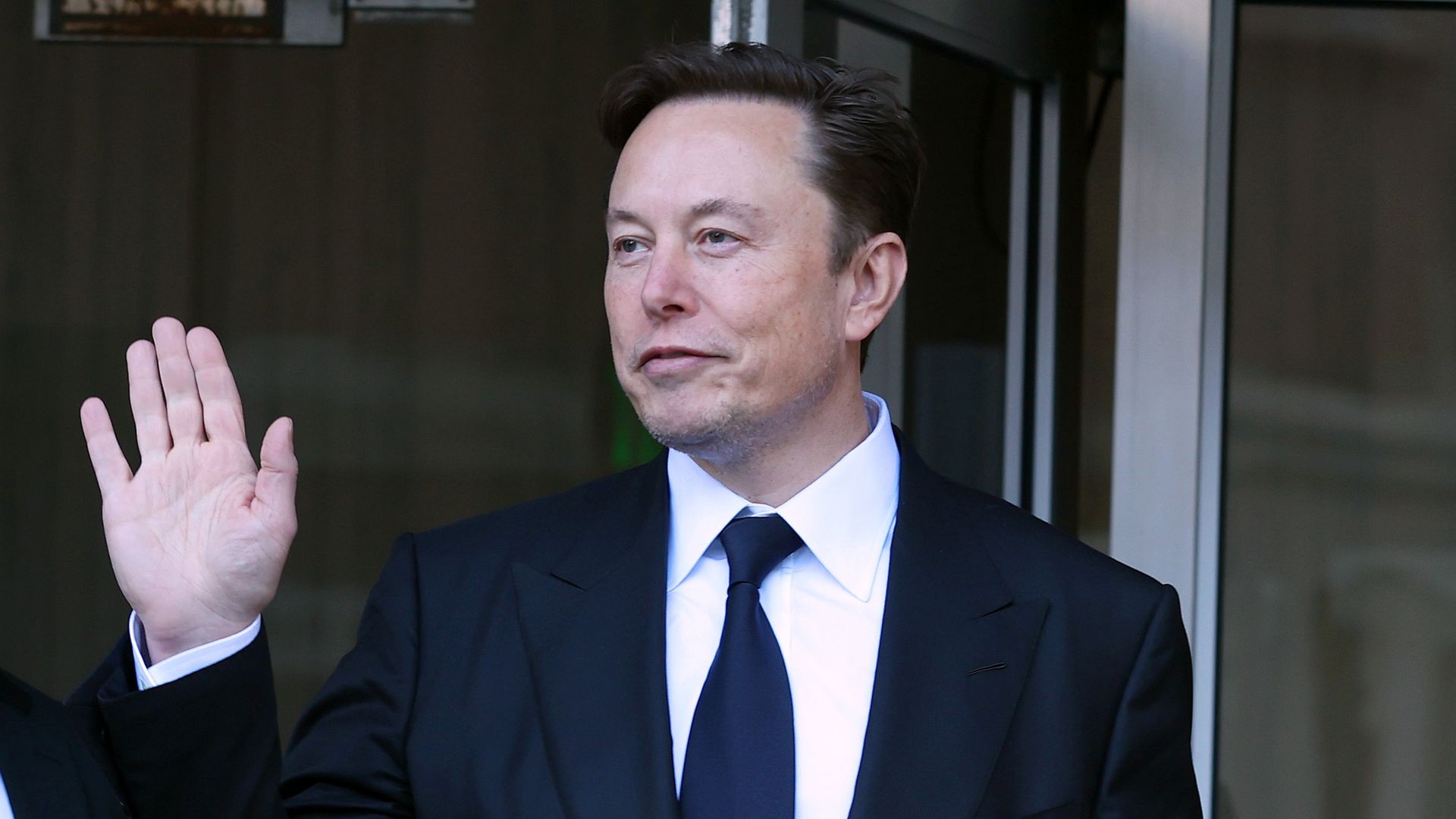
A federal appeals court affirmed Monday that Elon Musk can't scrap a 2018 settlement with the Securities and Exchange Commission that required some of his tweets to be preapproved.
Driving the news: "We see no evidence to support Musk’s contention that the SEC has used the consent decree to conduct bad-faith, harassing investigations of his protected speech," the summary order by the 2nd U.S. Circuit Court of Appeals in Manhattan states.
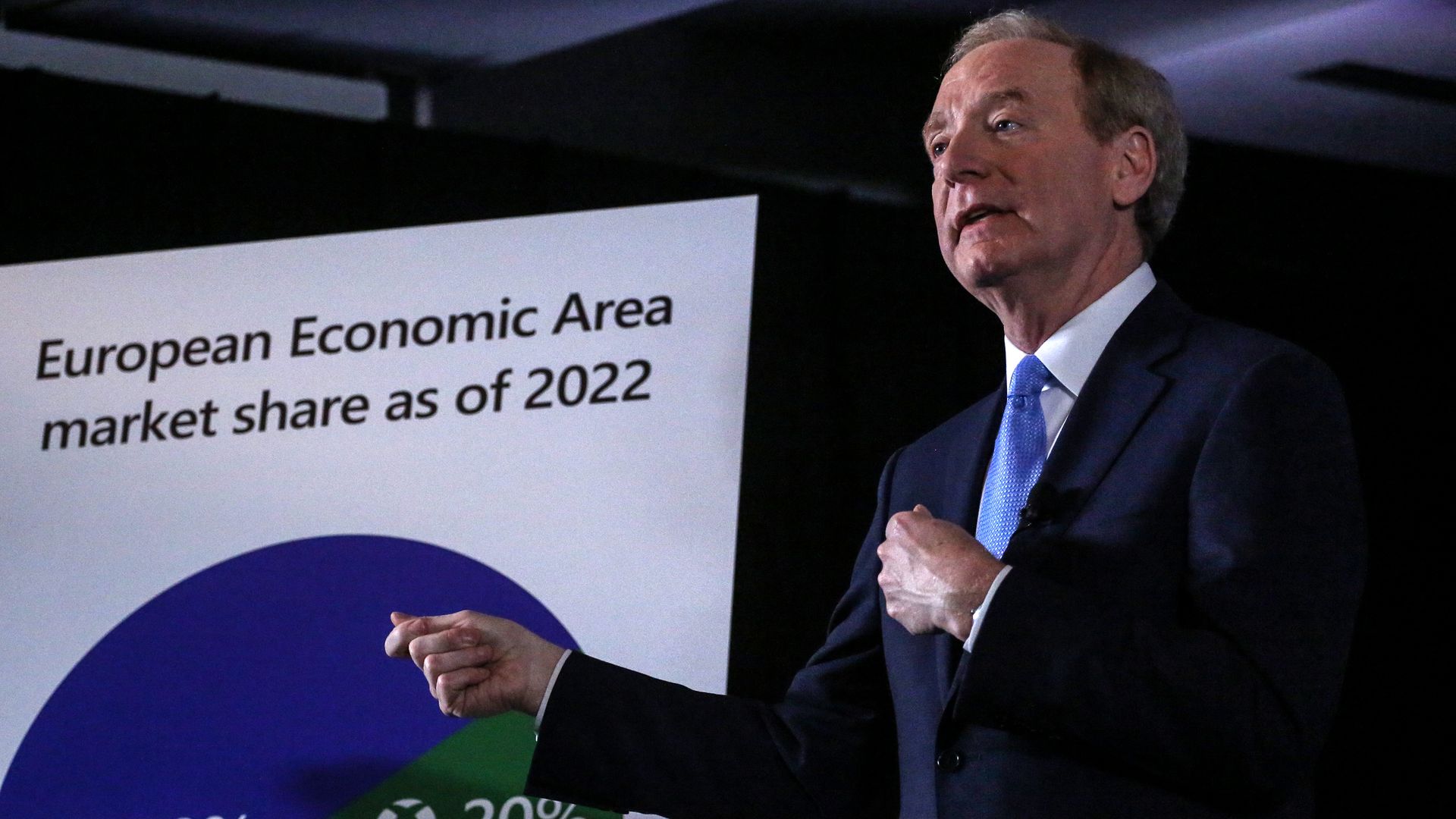
The European Union's competition commission has approved Microsoft's attempt to buy Call of Duty maker Activision Blizzard, the commission announced today.
Why it matters: The EU commission is one of three in the world considered by experts as essential to close the long-scrutinized deal.
AI technology should not be considered an "inventor" by U.S. patent law, Google argues in a new filing with the U.S. Patent and Trademark Office first shared with Axios.
Driving the news: USPTO is currently soliciting comments on AI technologies and inventorship — asking people, among other things, how AI is being used in creating inventions and whether its contributions would qualify it for treatment as a joint inventor.
New virtual reality technology is allowing users to experience the triumphs and discrimination of a Negro League-era baseball player — or how to deal with xenophobia as a Muslim on a plane.
Why it matters: The latest generation of put-yourself-in-their-shoes VR projects allow users to take part in scenes that mix game-playing with "what would you do?" scenarios — and that tackle issues such as racism and discrimination by encouraging empathy.
Why it matters: In the long haul, experts worry that AI might further cocoon people from the relationships and conversations they need. But in the short term, AI-powered companions, pets and mental health support services are already being drafted to fight the loneliness epidemic.