A group of Democratic lawmakers urged Facebook-parent company Meta Wednesday to weed out more Spanish-language disinformation on Russia's war in Ukraine.
Driving the news: The lawmakers sent a letter to CEO Mark Zuckerberg saying Russian state-controlled outlets are targeting Spanish speakers with false narratives about the invasion.
Netflix tried to get ahead of some bad news this week by hyping a gaming announcement, part of the company’s strategy to pep up investors worried about the streaming giant’s future.
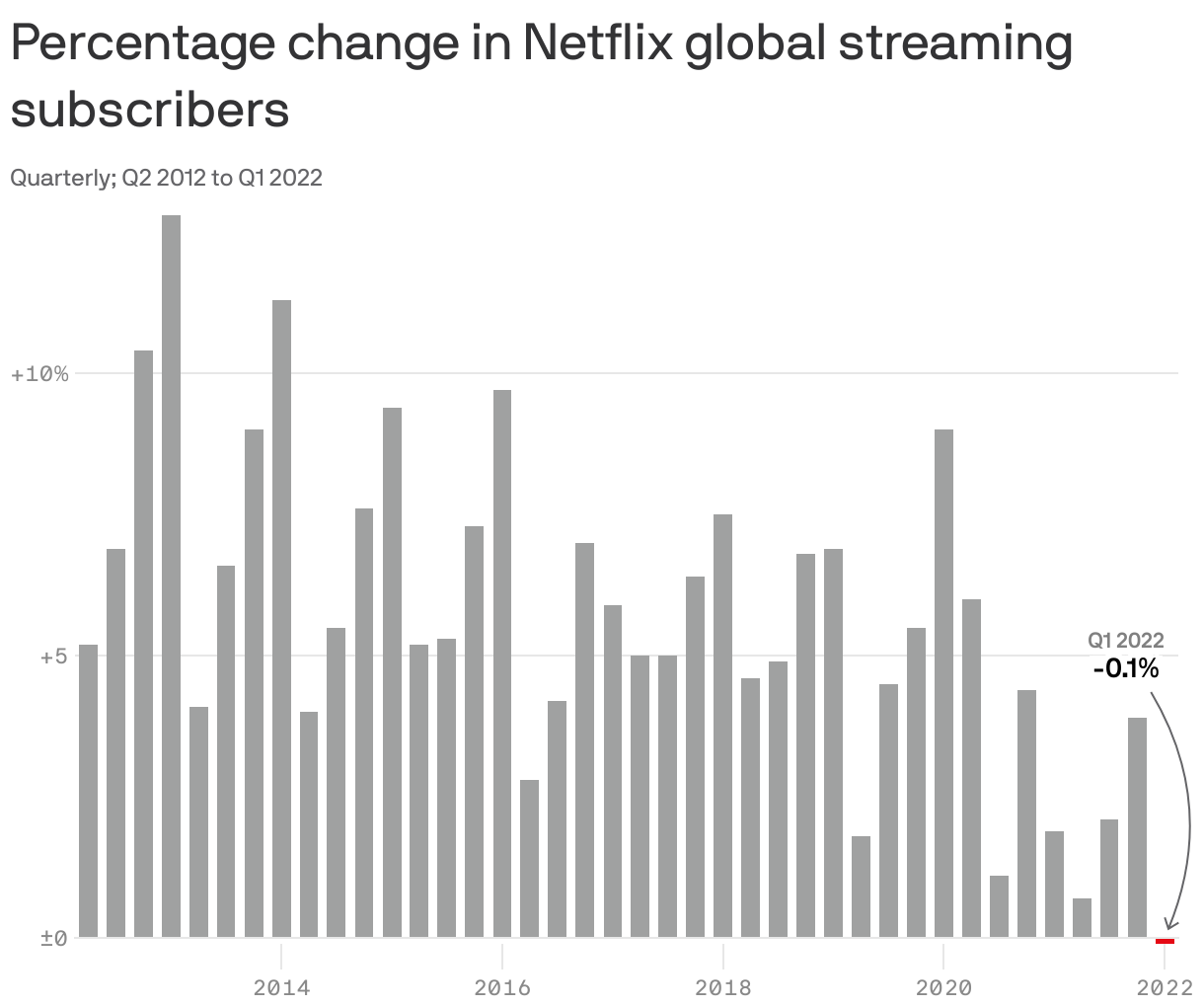
Why it matters: Netflix reported its first-ever quarterly loss of subscribers yesterday, triggering a full season’s worth of takes to binge-read.
Retail workers at an Apple Store in the Atlanta area on Wednesday filed to hold a union election, making them the first Apple Store workers in the U.S. to do so, per a press release from labor advocacy group Worker Agency.
Driving the news: The COVID-19 pandemic has seen an unprecedented surge in unionization efforts across industries, reversing a decades-long decline in labor union participation.
You can't learn to swim from books. No one can swim without getting in a pool, and no one understands swimming if they haven't swum.
What's happening: People often ask for a primer to read to better understand crypto. There are many good ones. And they aren't what people really need. To understand this stuff, a person needs to do some crypto'ing. That's what follows.
An article in the May issue of The Atlantic is one of the most clear-eyed looks we've seen at how America fractured — and what'll happen if we don't find a way to fix it.
The big picture: "In the 20th century, America built the most capable knowledge-producing institutions in human history," writes Jonathan Haidt, a social psychologist at the New York University Stern School of Business. "In the past decade, they got stupider en masse."
The U.S. Chamber of Commerce wants to delay confirmation of Federal Trade Commission nominee Alvaro Bedoya, per a letter to Senate leadership shared exclusively with Axios.
Driving the news: Chamber executive vice president Neil Bradley wrote to Senate Majority Leader Chuck Schumer (D-N.Y.) and Minority Leader Mitch McConnell (R-Ky.) Wednesday, asking that legislators press Bedoya on a number of questions before a full Senate vote on his nomination, which could happen as soon as next week.
Netflix's quarterly subscriber loss — its first in a decade — has sent shockwaves through the entire streaming industry.
Why it matters: For years Wall Street rewarded Netflix with an outsized market value for its ability to keep expanding its user base. Now, reality is setting in.
With just three months until "988" is launched as a shortcut to the national suicide prevention hotline, advocates are concerned that relatively few people know about it.
Why it matters: Suicide is at its highest level and still rising, with LGBTQ youth more than four times as likely to attempt suicide as their peers.
A mirror that can tell you what size you'd take in various clothing brands is starting to make its appearance in retail stores — potentially obviating a trip to the dressing room.
Why it matters: 80% of clothing returns are size-related. When people can try on garments virtually — either online or in front of a smart mirror in a store — they're less likely to return them and more likely to buy additional items.
Netflix on Thursday said it is weighing offering a cheaper, ad-supported subscription plan over "the next year or two" in an effort to expand its subscriber base.
Why it matters: As the streaming subscription market becomes more saturated, analysts have argued that an ad-supported tier is Netflix's best option for growth.
Netflix's stock sunk more than 20% in after-hours trading Tuesday after the streaming giant said it lost 200,000 subscribers in the first quarter — its first subscriber loss in a decade. It also missed investor expectations on revenue.
Why it matters: Netflix's stock was already down more than 40% year-to-date, in large part due to increased competition and slowed user growth forecasts from Netflix for Q1.
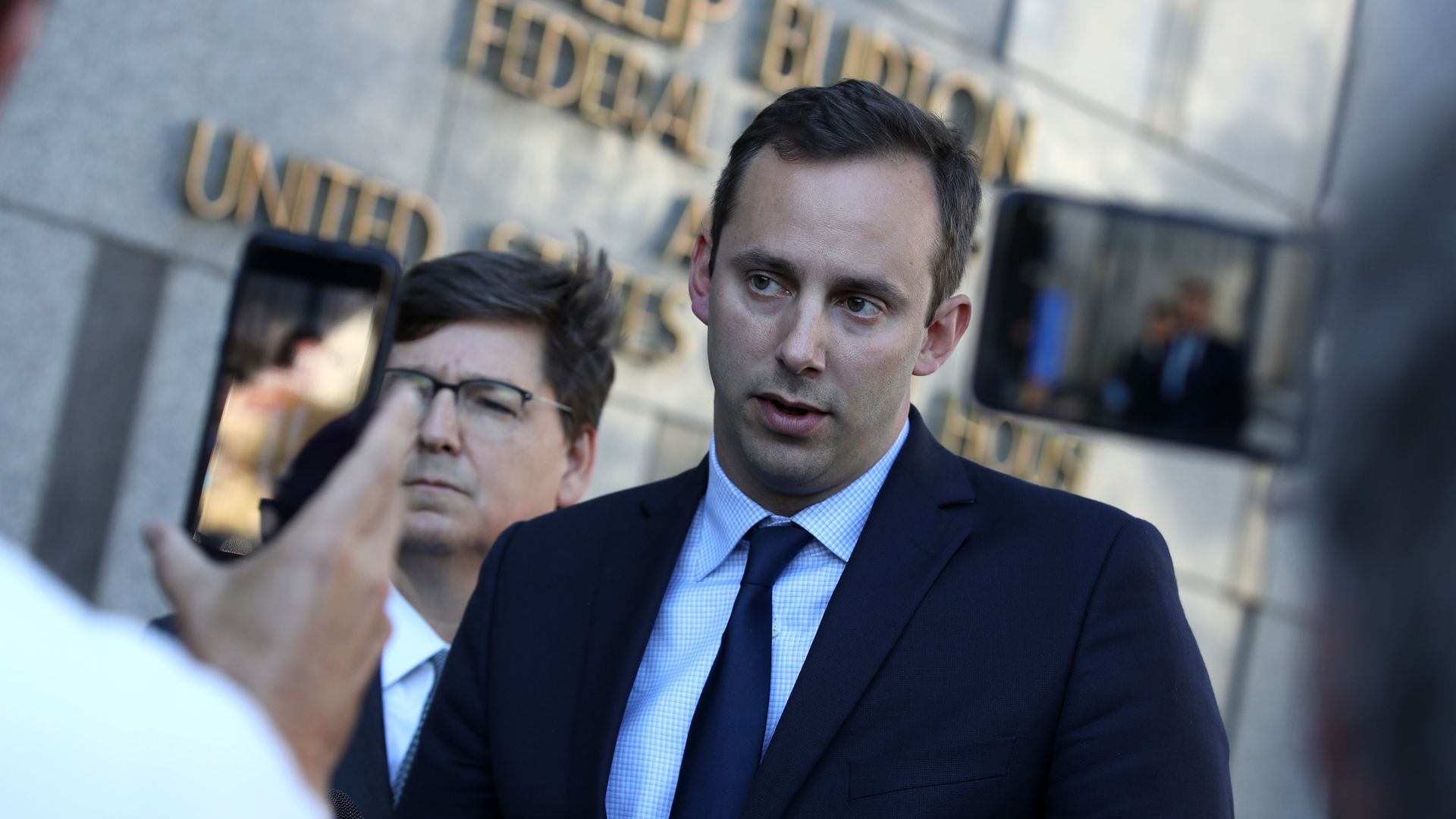
Anthony Levandowski,the former self-driving car engineer and Uber executive pardoned by President Trump after being convicted of stealing trade secrets from Google, has found venture capital backers for his new startup.
Driving the news: Pollen Mobile, a mobile carrier that leverages cryptocurrencies for rewards, raised an undisclosed amount of funding led by Slow Ventures, with DISH Wireless also participating.
An unnamed worker is alleging that Nintendo, and a firm it uses for hiring contractors, violated their legally protected right to unionize, according to a new filing with the National Labor Relations Board.
Why it matters: The NLRB complaint, filed on Friday, brings one of gaming’s most successful companies into the increasingly active conversation about workers’ rights in the sector.
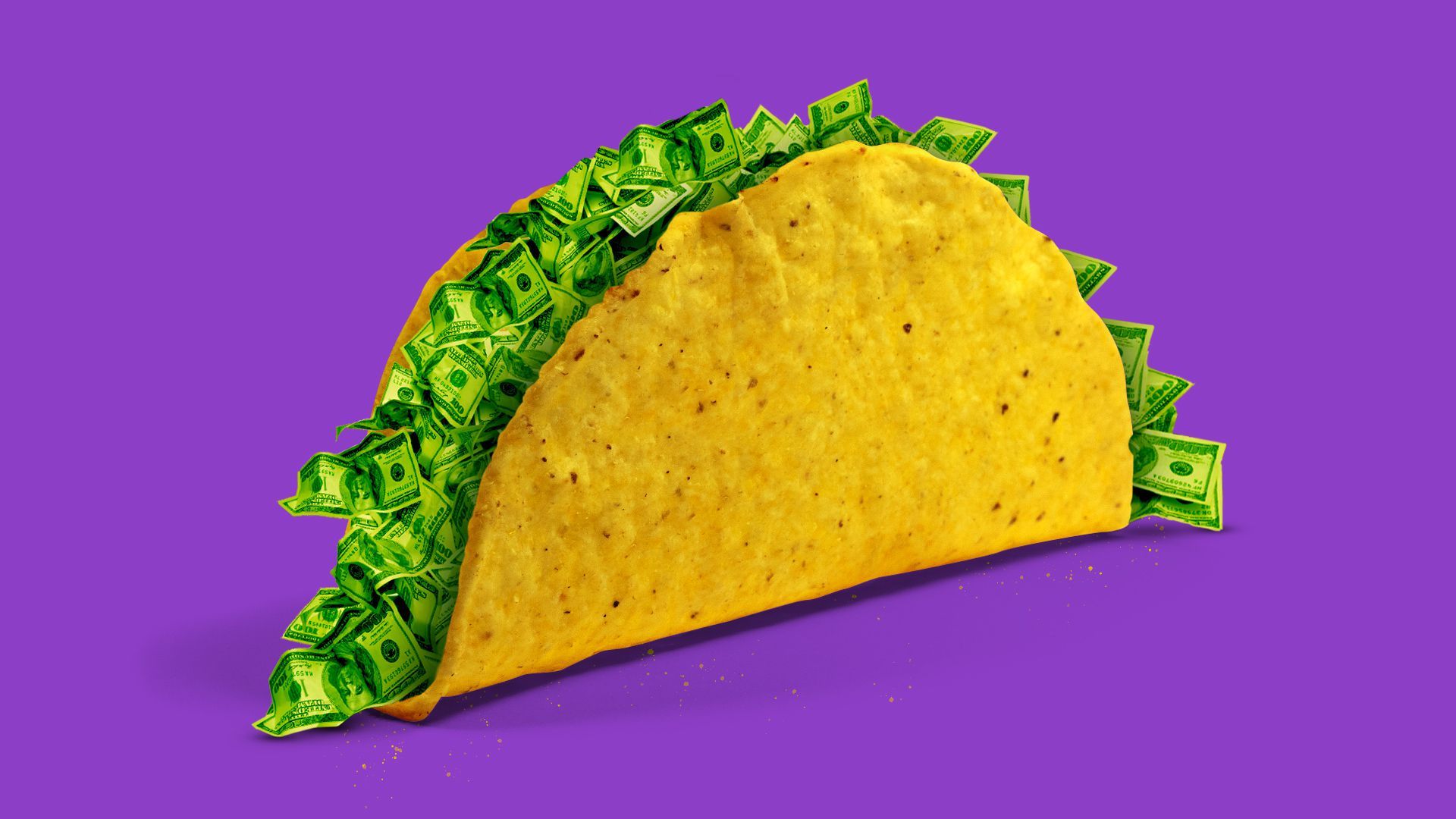
Chipotle on Tuesday announced the creation of a $50 million venture capital fund to invest in tech startups that can help it better run its restaurants or improve the customer experience.
Between the lines: Quick-serve restaurant chains have begun experimenting with automation, including Chipotle's tortilla chip-cooking robot (Chippy) and Sweetgreen buying a startup that automates the cooking and delivery of warm and salad bowls.
Labor organizers see Apple and Amazon offering them an opening in the tech industry's longstanding barriers against unions, thanks to the nature of their workforces.
How it works: Unlike their competitors, these firms each have massive payrolls in retail or warehouse jobs, and those roles are seen as friendlier to unionizing efforts than the engineers and salespeople at corporate HQ.
California lawmakers will debate a law Tuesday meant to require internet companies to design programs and apps for kids in ways that protect their privacy.
Why it matters: If the bill passes in California, many other states are likely to adopt similar measures, as happened with the state's last online privacy law.
You are getting slammed with more annoying spam calls — and now annoying texts on your cell phone — than at any point in the history of these devices.
Why it matters: These junk messages do more than irritate. They often try to steal your data, identity and money — and they're getting better and better. So here are some tips, from spam experts, on how to protect yourself.















/2022/04/19/1650410183500.gif?w=3840)





/2022/04/18/1650317988180.gif?w=3840)