Meta announced Wednesday it has removed over 600 Facebook and Instagram accounts linked to a Chinese influence operation that claimed the U.S. was pressuring the World Health Organization (WHO) to blame COVID on China.
Why it matters: Though Meta said the network was unsuccessful, it marks yet another COVID disinformation campaign instigated by China in an effort to discredit the U.S.
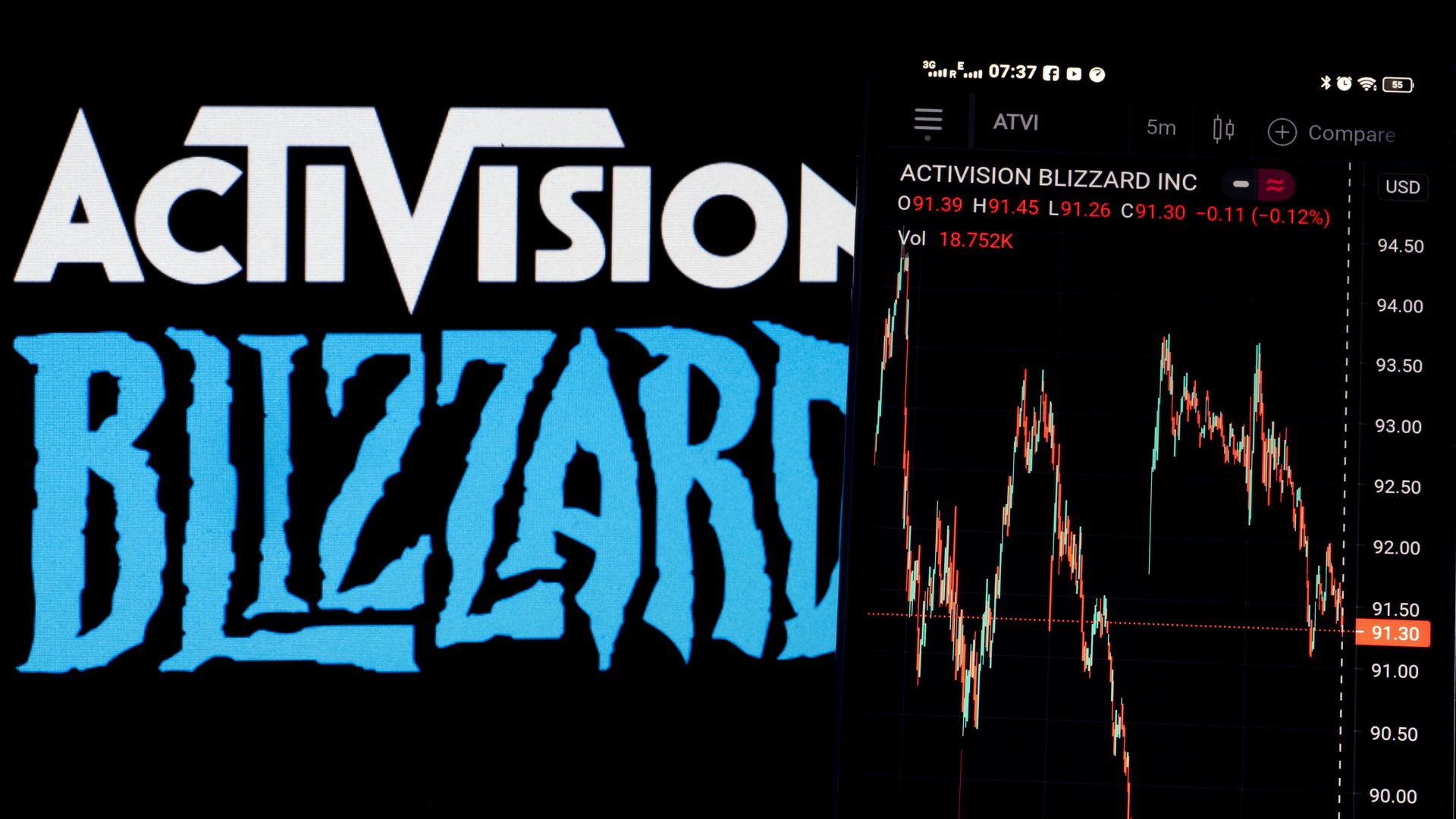
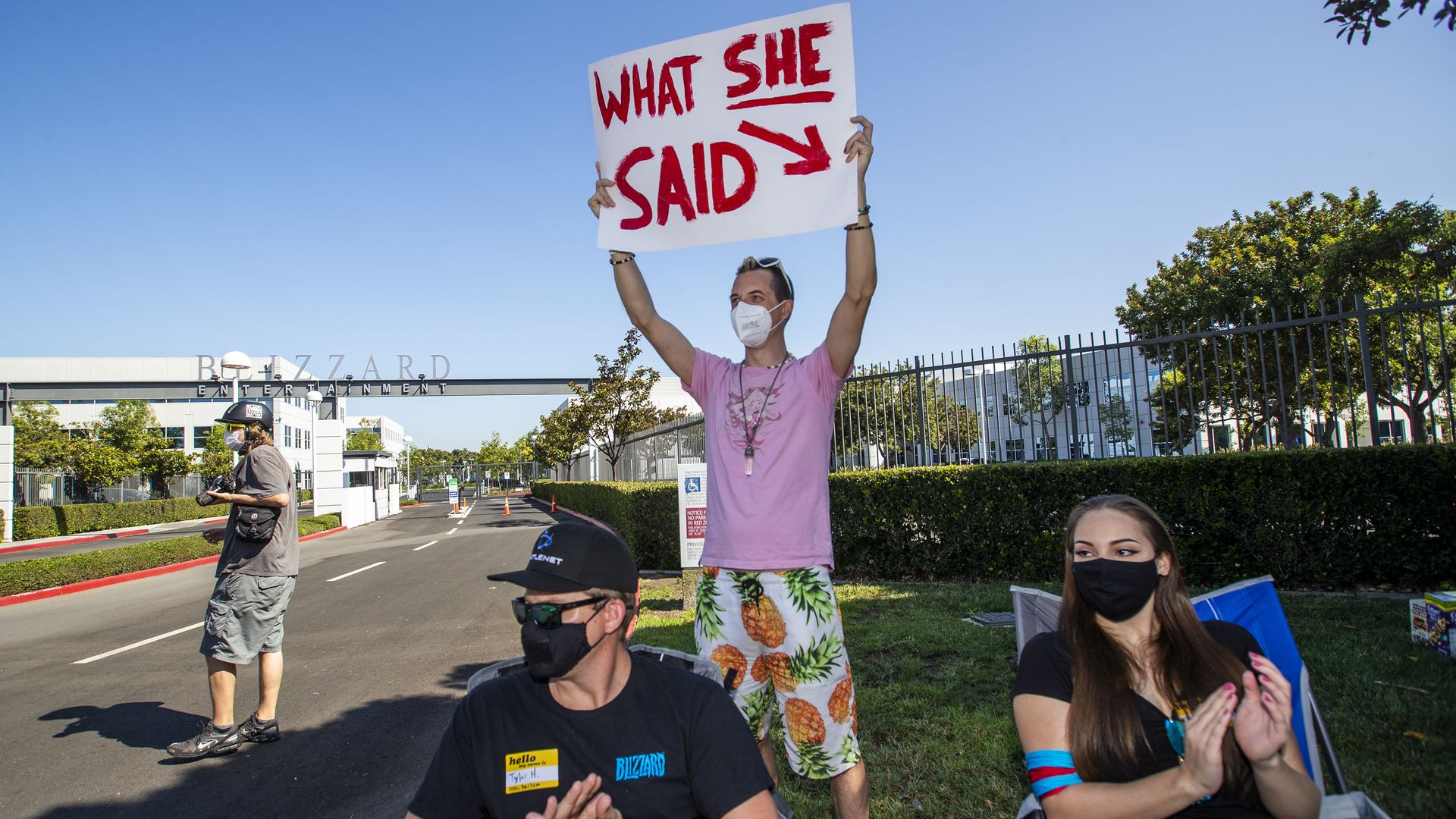
The pressure on Activision Blizzard to make meaningful change over harassment allegations, unequal pay and other workplace issues is intensifying, as treasurers from California, Massachusetts, Illinois, Oregon, Delaware and Nevada are calling on the company to take action.
Why it matters: The game-maker, which is already facing lawsuits and investigations, is now hearing from state treasurers who aren’t afraid to utilize billions of dollars of investments, often through pension funds, as a way to trigger corporate change.
Cristiano Amon, who took over as Qualcomm CEO earlier this year, says the company will look much different in three years' time, with PC chips finally making up a more meaningful part of its revenue and Apple's business little more than a blip.
Why it matters: Qualcomm helped create the modern cellphone industry and is the largest remaining U.S.-based force in setting cellular standards, in addition to being the largest maker of mobile chips.
Buckle in for a weird "only in 2021" story, folks. It involves Kum & Go, a TikTok star, and some Gen Zers who feel betrayed by them all.
Where our story begins: Meet Kyle Scheele. A fun-loving TikTok creator who's known for his wholesome jokes that entertain his 3 million+ followers.
A few weeks ago, he shared his latest prank: Leaving a larger-than-life cardboard cutout of himself, advertising the "Kyle Scheele Meal," in the middle of an unknowing Kum & Go store.
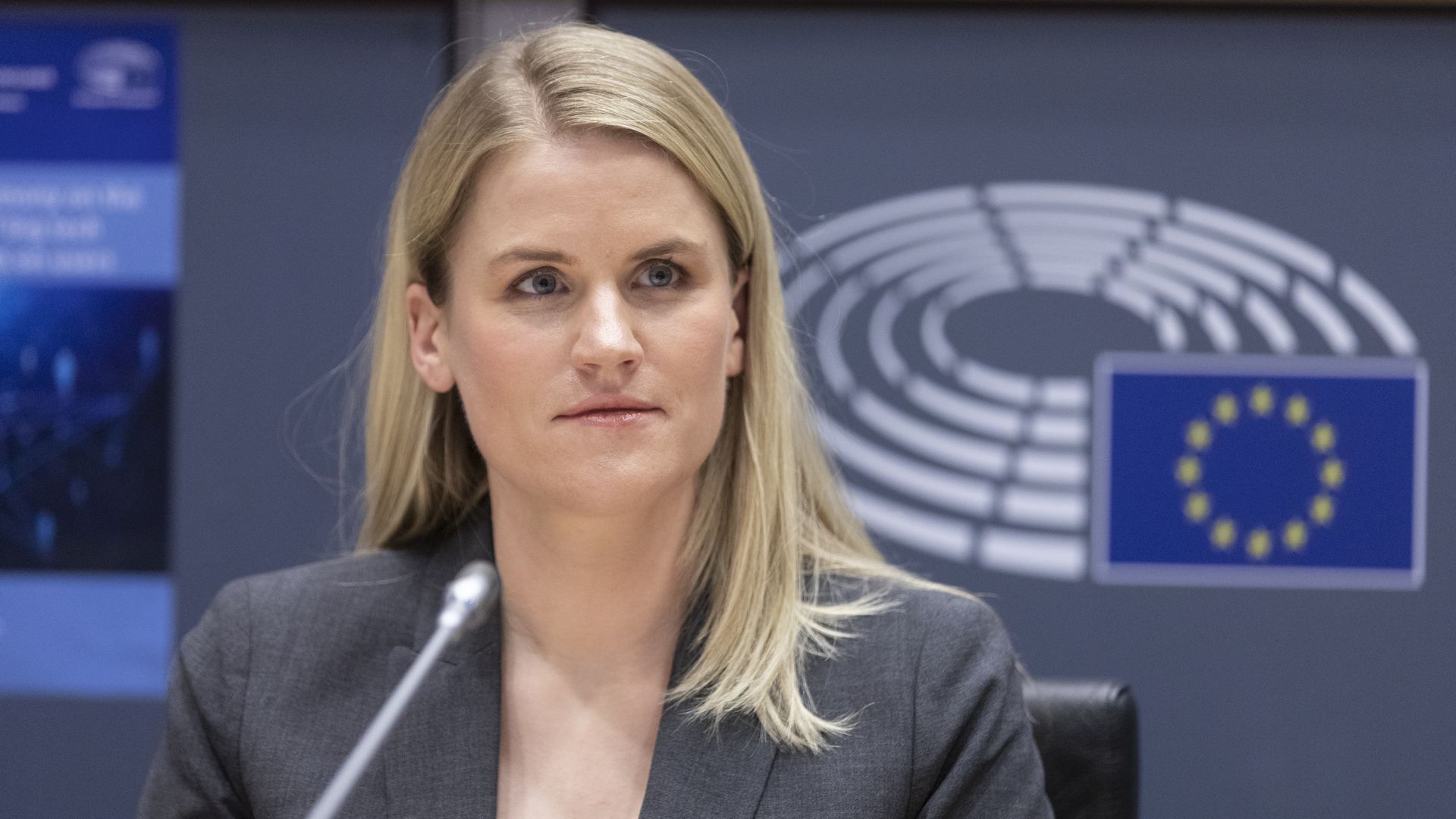
Facebook whistleblower Frances Haugen returns to Capitol Hill Wednesday to testify before the House Energy and Commerce Committee on proposals to revamp online platforms' liability immunity.
Why it matters: Haugen, a former Facebook engineer, has shared troves of internal research documents that lawmakers believe could open a path for legislation overhauling Section 230 of the Communications Decency Act, tech's liability shield.
Jessica Gonzalez, a senior test analyst at Activision Blizzard who has been instrumental in employees' collective action efforts, is resigning from the company.
Driving the news: Gonzalez, who's been with the company for over two years, announced her resignation internally and via Twitter on Tuesday, noting that her last day will be Dec. 10: "I have made the decision to leave Blizzard by putting my wellbeing first," she wrote.
The two largest countries in the world seem intent on effectively banning their citizens from participating in crypto, which poses a serious threat to the crypto agenda.
Why it matters: The crypto world is global — but the real world is fragmented into nation-states, each of which claims control of what happens within its borders.
Two major quantum computing companies — one in hardware and one in software — are merging to create a new firm called Quantinuum.
Why it matters: The merger is a sign of the growing maturity of the quantum computing industry, as it begins to shift from the lab to actually solving difficult to compute problems in the real world.
In an unexpected twist, two conservative news networks — Newsmax and One America News Network— have come out in support of President Biden's progressive Federal Communications Commission (FCC) nominee Gigi Sohn, despite a broad conservative consensus against her.
Why it matters: If Sohn is confirmed, her appointment would give Democrats the majority they need to rewrite regulations for the communications sector. Some high-profile conservatives argue that could result in "censorship" against them.
Regulators in the U.K. on Tuesday said they have directed Facebook parent company Meta to sell Giphy after finding "the takeover could reduce competition between social media platforms and increase Facebook's already significant market power."
Why it matters: Facebook agreed to buy Giphy in May of last year for an estimated price of $400 million. The deal almost immediately invited antitrust scrutiny, given the increased attention to Facebook's growing market power.
The Biden administration is launching its first big effort on privacy policy by looking at how data privacy issues affect civil rights.
Why it matters: An administration perspective on privacy policy could be key in developing a long-awaited national privacy law by putting the White House stamp on how to regulate privacy.
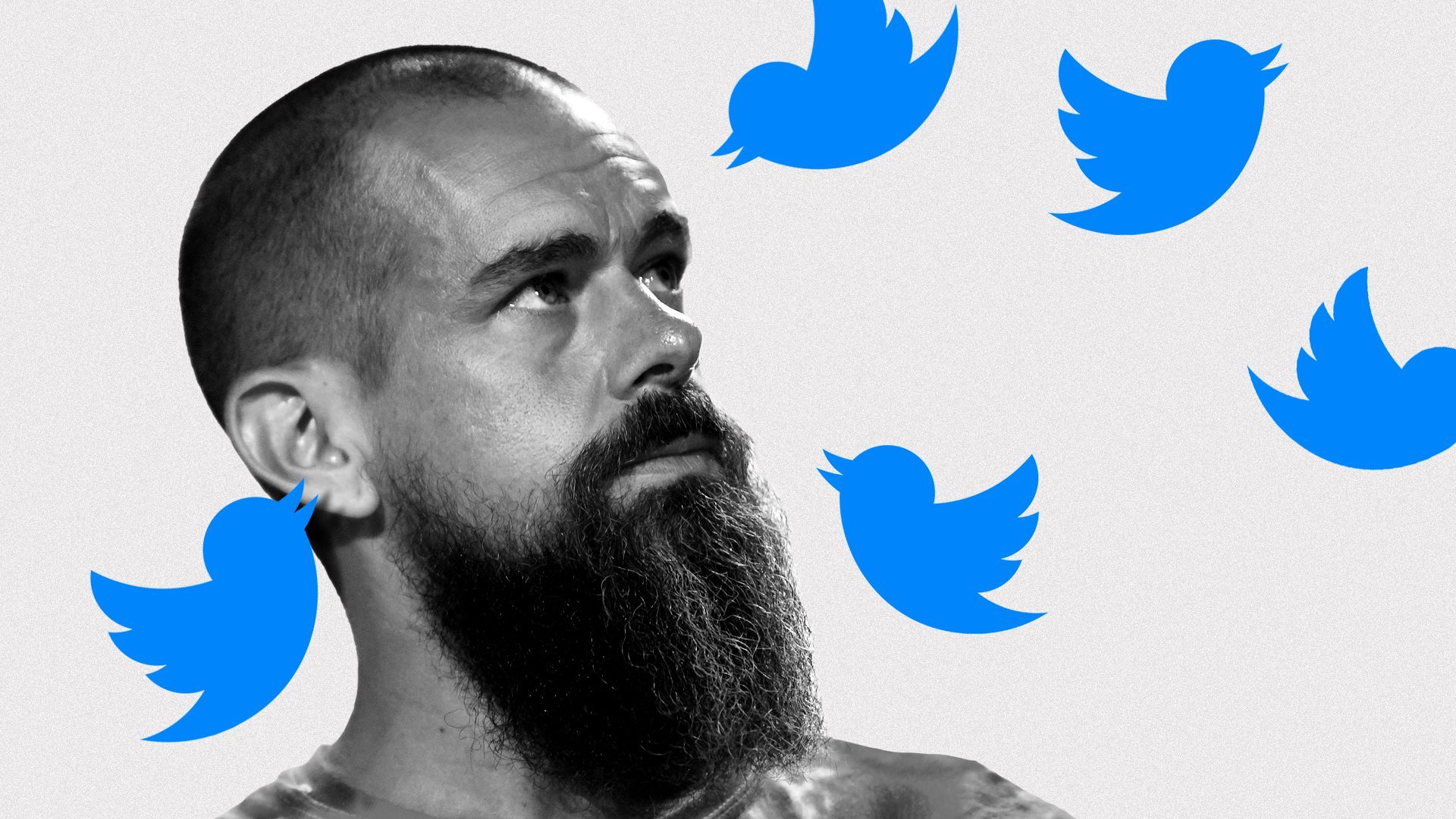
CEO Jack Dorsey's departure from Twitter shows that, in Silicon Valley today, social media is becoming a field to flee.
Why it matters: Coming on the heels of Facebook's name change and new metaverse focus, Dorsey's resignation is another sign that the industry now views the massive social networks it built over the last two decades as buggy "legacy applications" mired in annoying social problems.
French officials are testing "flying taxis" that they plan to roll out for the 2024 Summer Olympic and Paralympic Games in Paris.
The big picture: The plan that's "unprecedented in Europe" isto create a "vertiport" to ferry passengers via the electric air taxis during the Olympics and Paralympics, per an Aeroport de Paris statement.
On her fourth day of trial testimony, ex-Theranos CEO Elizabeth Holmes described her 10-year romantic relationship with former president Ramesh "Sunny" Balwani as controlling, and said he would sometimes "force me to have sex with him when I didn’t want to."
Why it matters: While Balwani has also been similarly charged with fraud, the two are being tried separately, in part because some of Holmes' defense hinges on blaming him.