Microsoft said Friday it has seen new attacks from the Russia-based group responsible for the attacks last winter on SolarWinds customers.
Driving the news: The company indicated the activity was targeted at specific customers including IT companies, government agencies, non-governmental organizations and think tanks, and financial services.
A bipartisan pair of Colorado lawmakers want the Justice Department to investigate T-Mobile's plans to shut down a network used by Dish customers — and take quick action if necessary.
Why it matters: T-Mobile agreed to help Dish stand up its own 5G network as a condition of obtaining approval for the Sprint merger, but Dish argues that T-Mobile is putting its customers at risk with its shutdown plans.
Eric Baptizat, game director for "Assassin's Creed Valhalla," has joined EA's Motive studio as a game director on an unannounced project, after 16 years at Ubisoft.
Baptizat started at Motive in April, but the move hadn't been covered in the press.
Nintendo's recent announcement of a new "Metroid" game sent fans scrambling to play older installments in the 35-year-old series. But most of those games don't run on Nintendo's current system, the Switch.
Why it matters: Gaming does the poorest job in entertainment of keeping its back catalogue available to new audiences.
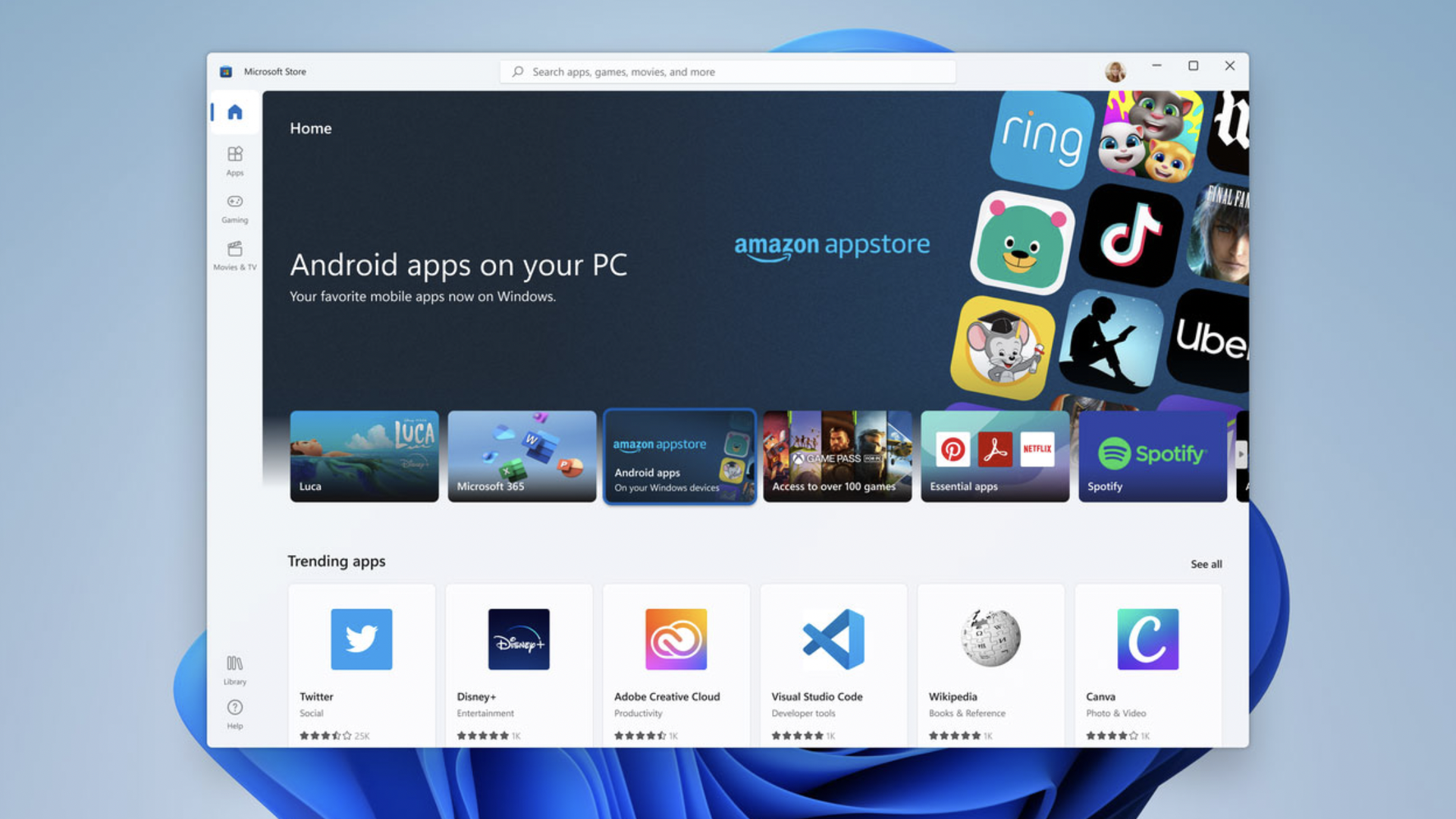
The addition of support for Android apps in Windows 11 represented not only the biggest surprise at Microsoft's Thursday event, but also the biggest risk the company is taking with the new operating system.
Why it matters: The move instantly gives Windows the chance to offer thousands of key apps that prior versions didn't support, bolstering its utility, especially when in tablet mode. However, it also risks giving developers less incentive to create Windows-specific apps.
In debuting Windows 11 on Thursday, Microsoft revealed not only a new operating system, but also its sharpest attack yet on the business practices of rivals Google and Apple.
Why it matters: Microsoft still holds the lion's share of the personal computer market. However, it is now trailing in the broader, three-way battle to power all the devices we use to access the internet.
Shares for ad tech firms soared Thursday following news from Google that it would continue support for tracking cookies in its Chrome browser for two more years, postponing a long-planned move to end the practice.
Why it matters: The end of third-party tracking cookies represents a fundamental shift toward privacy in the internet world. But the advertising industry is woefully unprepared.
BuzzFeed's announcement Thursday that it plans to go public via a special purpose acquisition company (SPAC) marked the end of a long era of uncertainty for the company, which helped pioneer the digital media industry.
It's targeting a $1.5 billion valuation upon combining with 890 Fifth Avenue Partners, Inc., a blank-check company.
All of the world's trillion-dollar companies (with the exception of Saudi Aramco) are reportedly having what Protocol's Issie Lapowsky characterizes as "heart palpitations" over the appointment of Lina Khan as FTC chair. But don't expect anything drastic to happen soon.
Why it matters: Khan is the most fearsome foe that Big Tech could have imagined in America's top antitrust role — and her fans in Congress are making waves as well. But you'd never guess that from the giants' share prices, which have been hitting new all-time highs since the announcement.
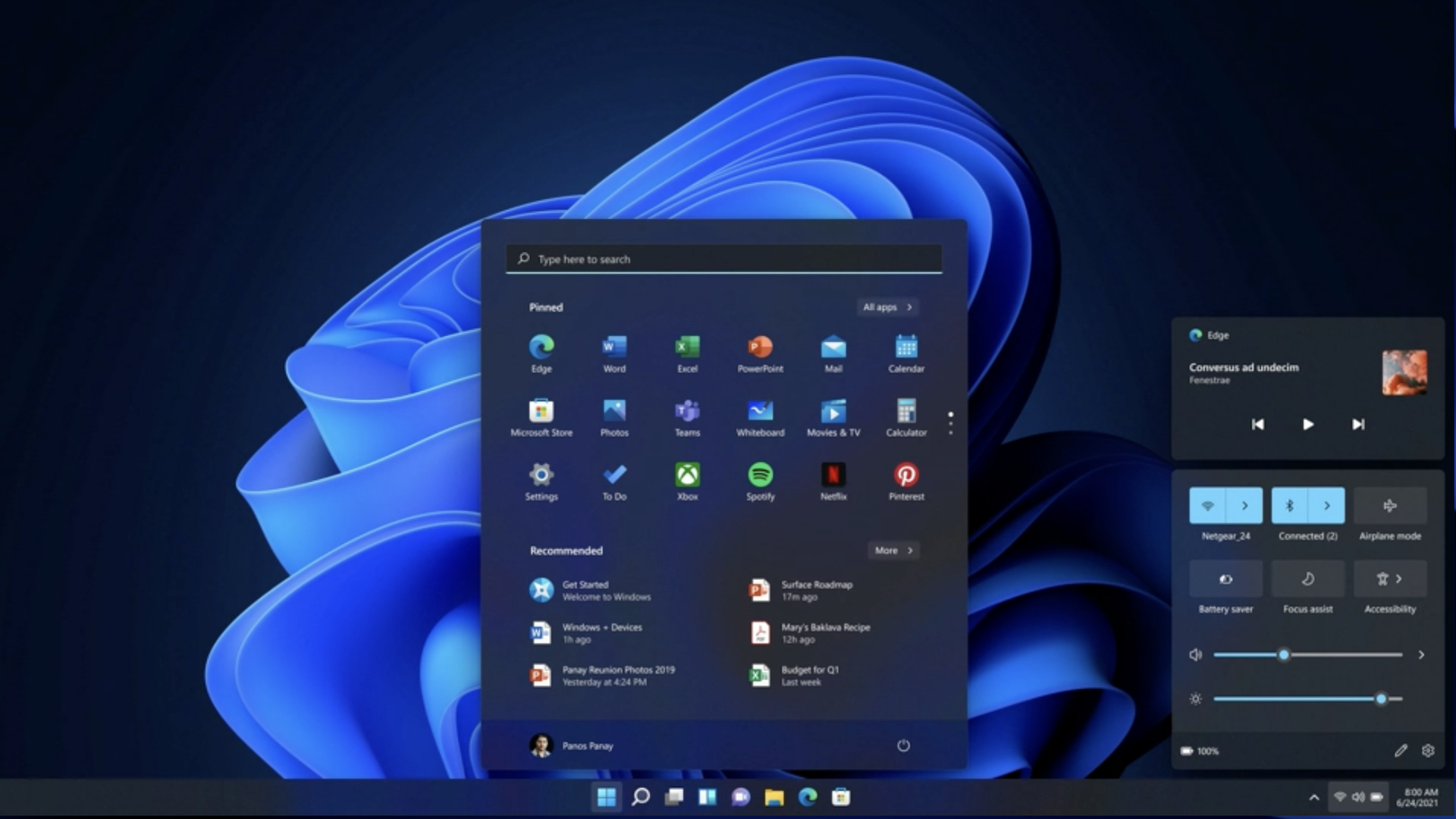
Microsoft on Thursday offered a first look at Windows 11, coming this holiday season. The new version changes both the look of the operating system as well as its underlying business model, as well as supporting Android apps for the first time.
Why it matters: Windows has been steadily losing market share on the desktop, which has itself lost prominence to smartphones.
Google says it plans to officially cease support for third-party cookies by late 2023, after initially promising to do so by the beginning of 2022.
Why it matters: The tech giant says it needs more time to work with industry partners to incorporate and test feedback about new cookie-replacement proposals from the ad industry, including Google's proposed cookie alternative, a contextual targeting solution called "FLoC."
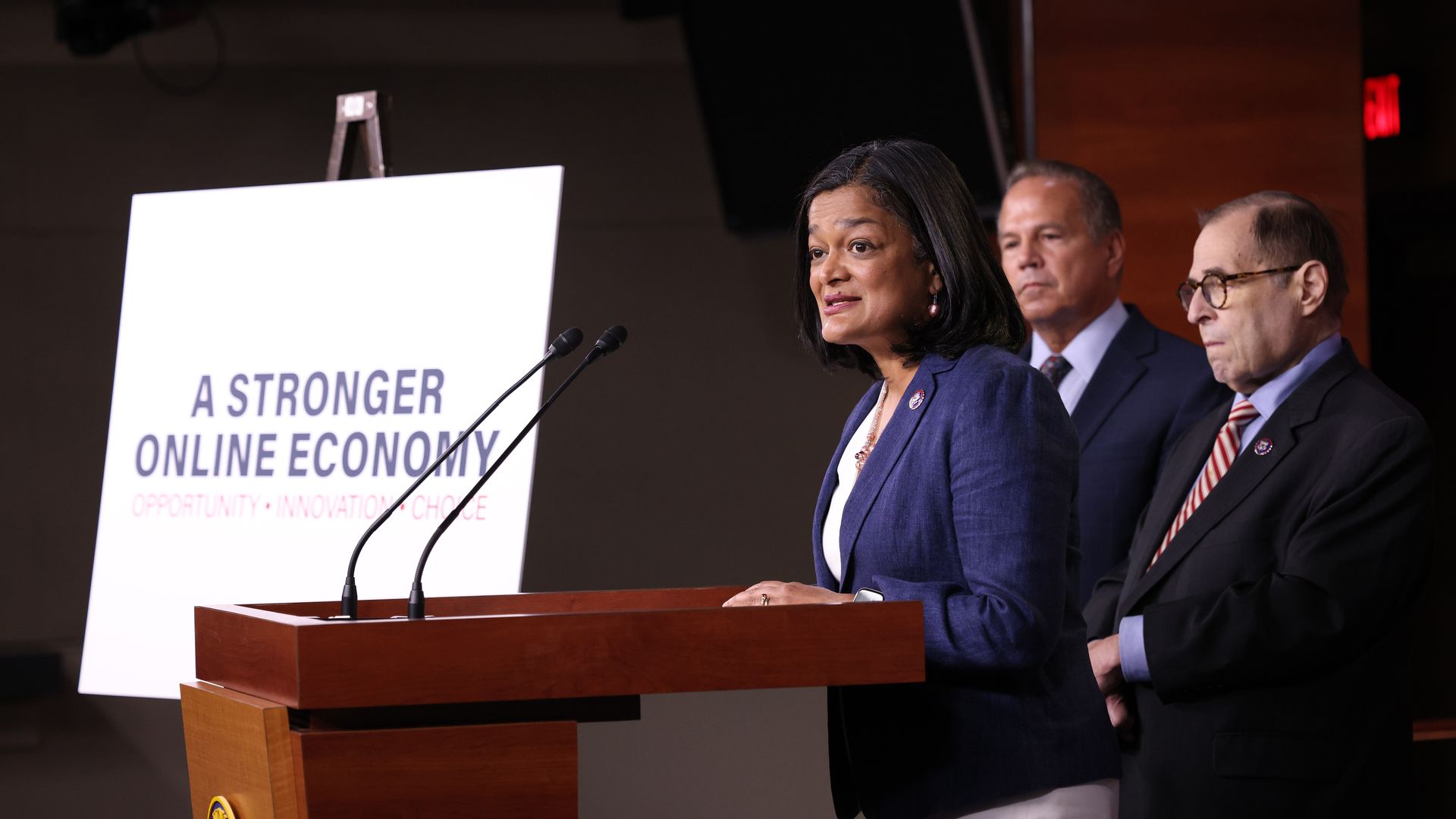
Major legislation aimed at reining in the power of tech giants advanced to the House floor Thursday after marathon debate that extended through the night.
The big picture: The House Judiciary Committee approved a package of six bills, blocking most of a blizzard of amendments and beating back a wave of lobbying from the affected companies — Apple, Google, Facebook and Amazon.
Making more semiconductors in the U.S. is an urgent matter of both economic and national security, commerce secretary Gina Raimondo told Axios on Wednesday.
Why it matters: The U.S., which once accounted for more than a third of global chip production, now makes just 12%.