Quartz co-founders Kevin Delaney and Jay Lauf, along with New York Times veteran Erin Grau, are launching a new media and services company called "Charter" that is centered around the future of work, the founders told Axios.
Why it matters: "There are other media companies that write about this topic — some occasionally and some more frequently, but it's one topic among many things that they do," Delaney said. "This is a driving focus for us."
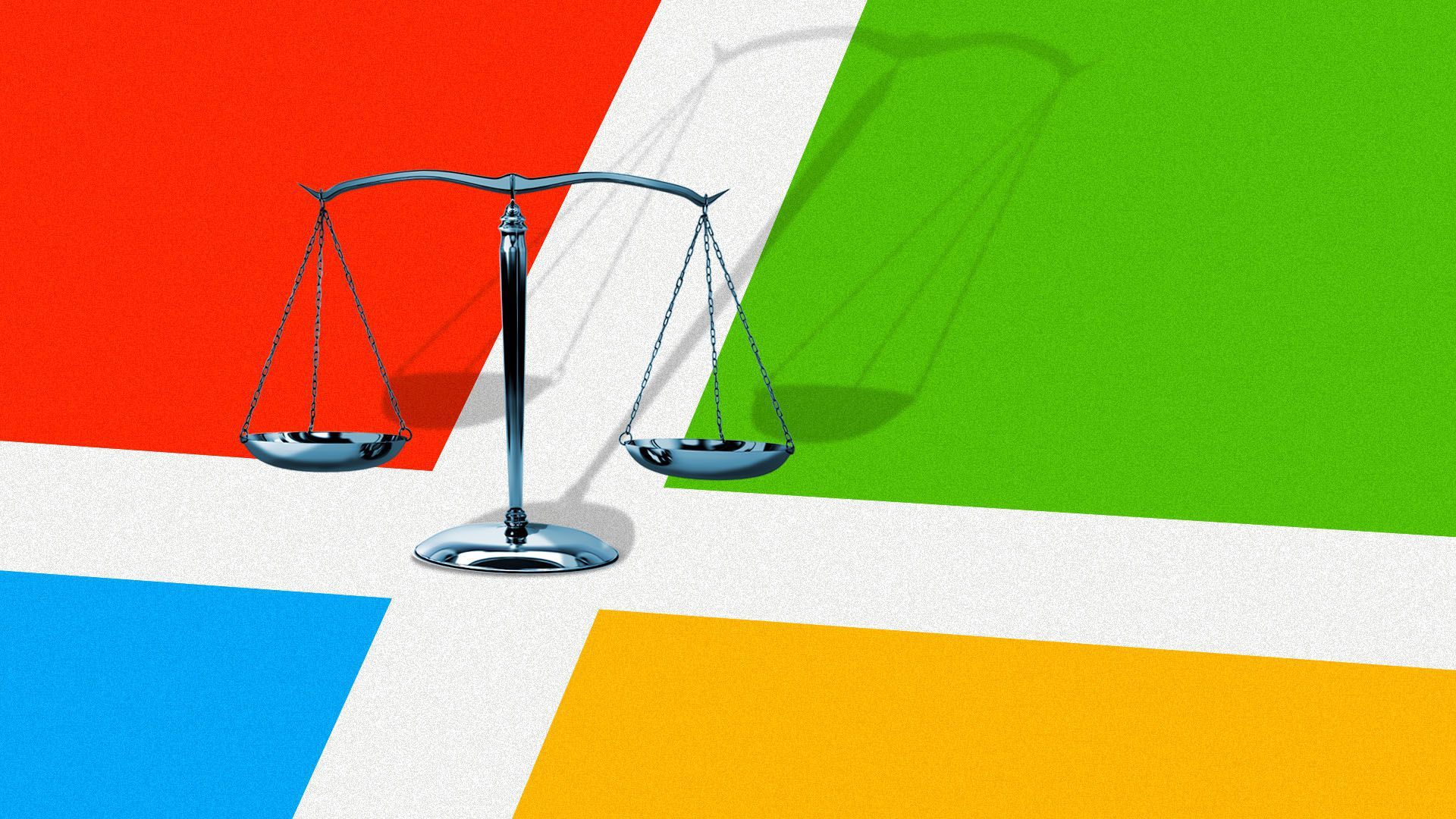
The government's attempt 20 years ago to split up Microsoft failed, and sanctions didn't break its hold on the desktop, but many of Windows' current challenges stem from how the company reacted to its years of fighting regulators around the world.
Why it matters: Facebook, Google, Amazon and Apple all face threats from regulators. Even if the companies win those conflicts, just fighting the battle can put them at a disadvantage.
Why it matters: While Windows still runs on nearly three-quarters of the world's computers, the operating system has been losing ground to MacOS and Chrome OS. Meanwhile, the company has all but given up on mobile, which is the main way people around the world access the internet.
Google says the House's new antitrust bills would hurt U.S. tech leadership, "damage the way small businesses connect with consumers, and raise serious privacy and security concerns," in a statement shared exclusively with Axios.
Driving the news: The House Judiciary committee plans to mark up the new package of antitrust bills Wednesday. Their provisions would have wide-ranging consequences for how Google, Facebook, Apple and Amazon operate.
The European Commission opened a formal antitrust investigation on Tuesday into whether Google has abused its market position by favoring its own online display advertising technology.
Why it matters: The probe will target parts of Google's massive $147 billion annual ads business that have never been investigated formally by regulators, including ways its advertising practices may have shaped its dominance on its video platform YouTube.
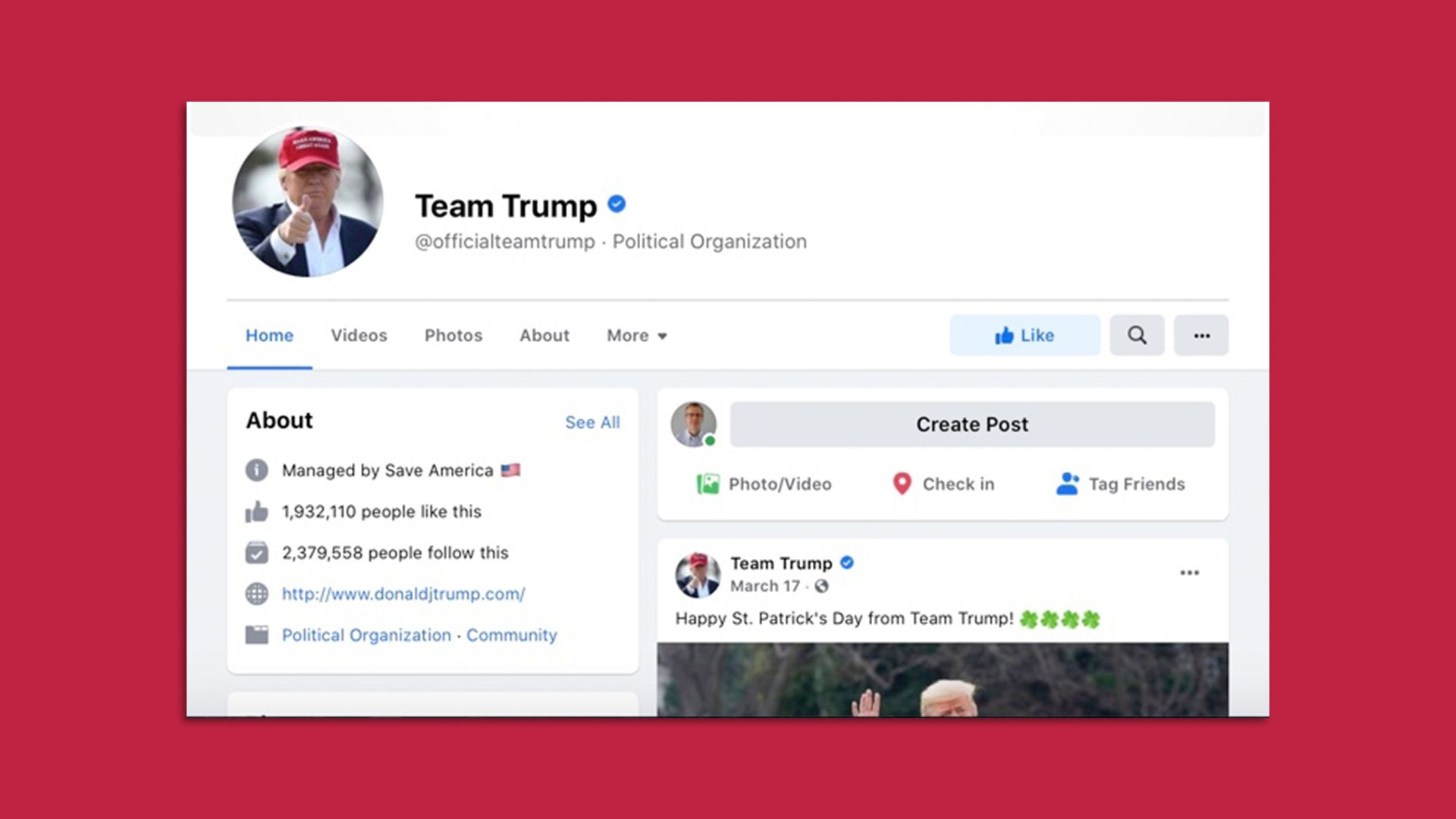
Former President Trump may be banned from Facebook, but his political operation continues using it to raise money, records show.
Why it matters: A new round of ads purchased by a political group associated with him shows how the former president can continue tapping the world's largest social network even as Trump himself is barred from the platform.
Thirteen tech and free-market groups oppose new bipartisan antitrust bills from the House Judiciary committee, the groups write in a letter Monday, exclusively shared with Axios.
Why it matters: The pushback shows that the industry is gearing up for a fight against the 5 proposed new laws.
Chinese gaming sensation "Genshin Impact" has been tweeted about more than any other game on the platform, according to data that Twitter shared with Axios.
Why it matters: Tweets don't necessarily sell more copies of games, but they can convey the excitement around what people are playing.
The European Union has been trying to regulate Big Tech from the other side of the Atlantic, but now its countries are teaming up with the U.S. to figure out an even bigger framework of regulation.
Why it matters: Tech's nightmare is inconsistent regulation across the globe. When the E.U. and U.S. come together on broad-based principles, tech applauds (slowly). The more the E.U. and U.S. are in alignment, the better it is for tech.
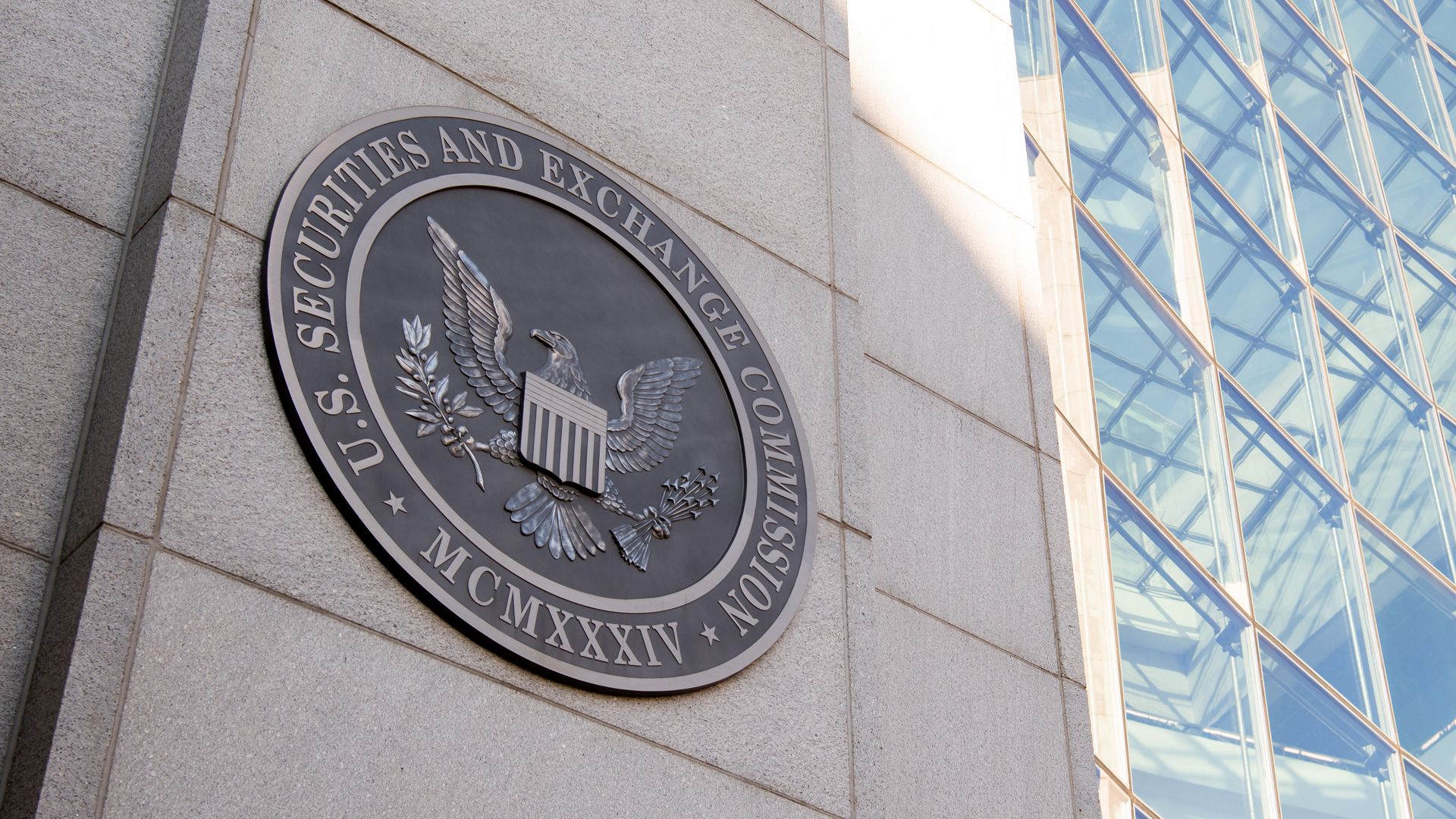
The Securities and Exchange Commission is probing whether some U.S. companies failed to disclose that they had been a victim of the massive SolarWinds breach by Russian hackers, according to Reuters.
Why it matters: U.S. securities law requires companies to disclose information, like a cyberattack, that could impact their share prices.
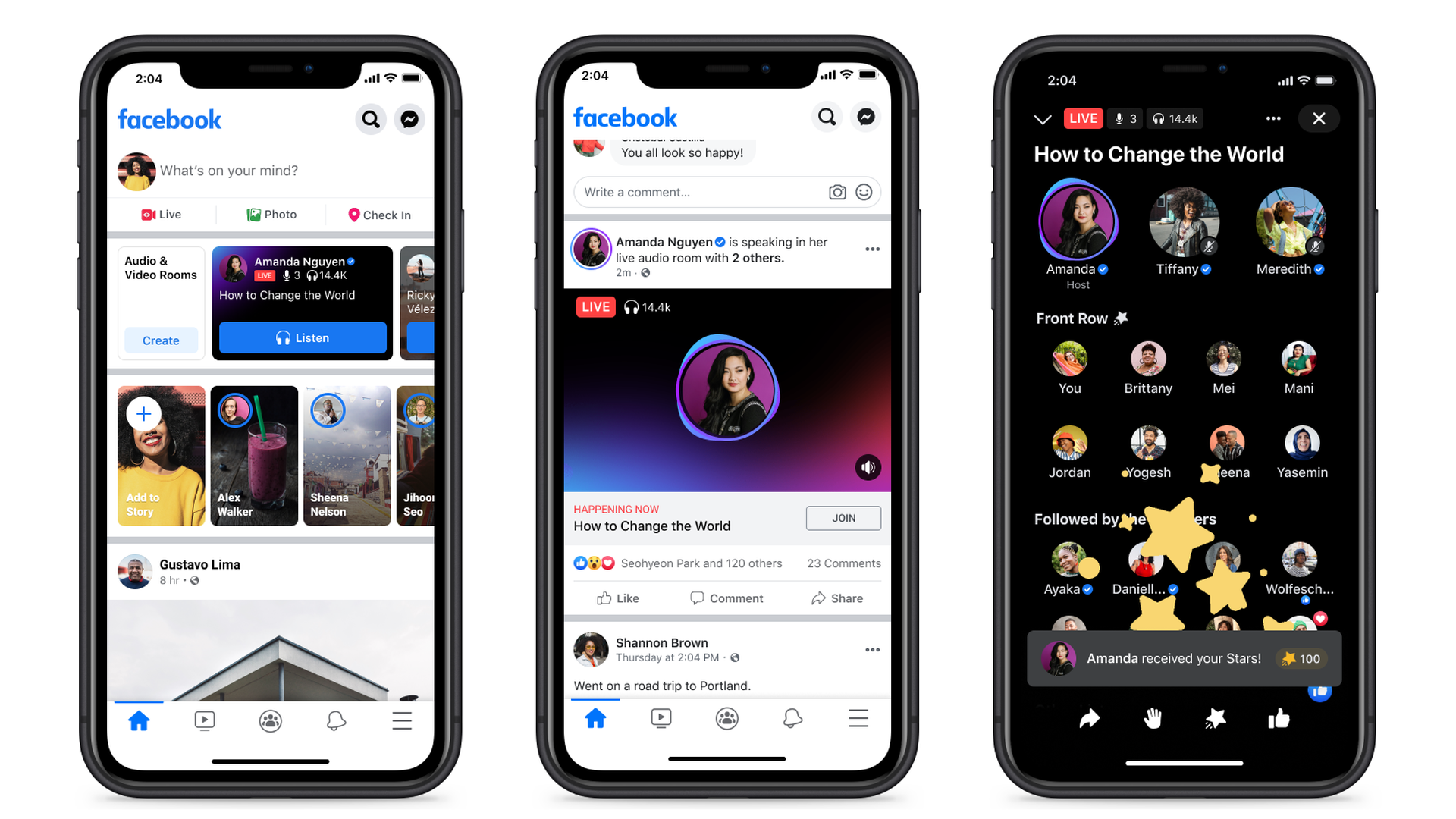
Facebook on Monday rolled out long-awaited audio features, including a live audio product and a new tool that allows users to listen to their favorite podcasts while browsing its app.
Why it matters: Facebook is in a race with several of its peers for creators' attention in the audio space, including Twitter, Spotify and Clubhouse.