LinkedIn is building a creator management team to help grow its community of content creators on the platform, according to an announcement from the company's editor in chief.
Why it matters: The success of platforms like TikTok, OnlyFans and Substack has led to a mad dash of investments from tech companies into the creator economy. Facebook and Snapchat have launched TikTok competitors, and Twitter bought a newsletter platform.
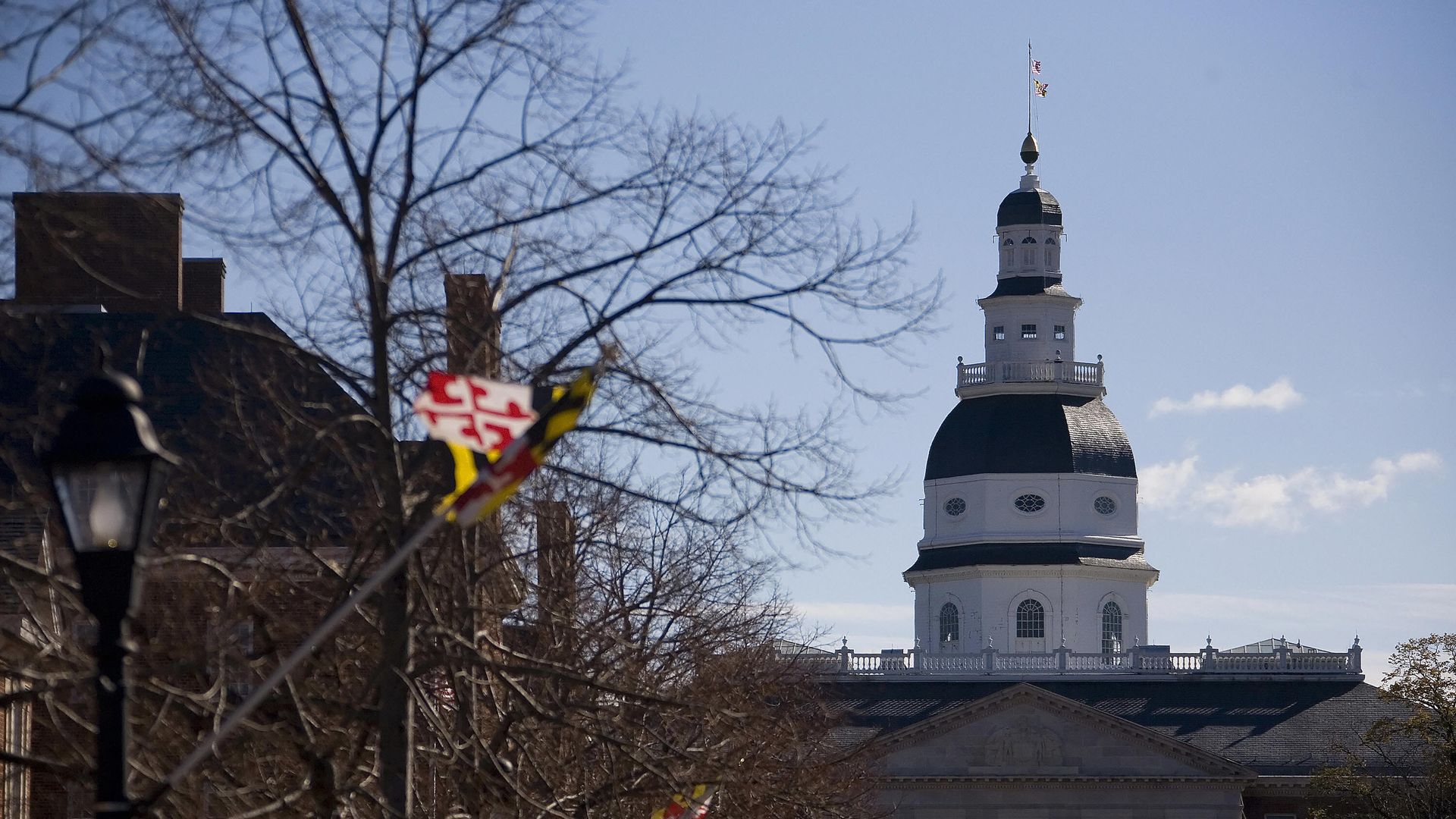
Maryland has become the first state in the U.S. to enact a tax on the revenue generated from digital advertisements.
Driving the news: The state's Senate on Friday joined the House of Delegates in voting to override Republican Gov. Larry Hogan's veto of a tax on the revenue that large tech companies generate from showing online ads to Maryland residents. Democrats control both chambers.
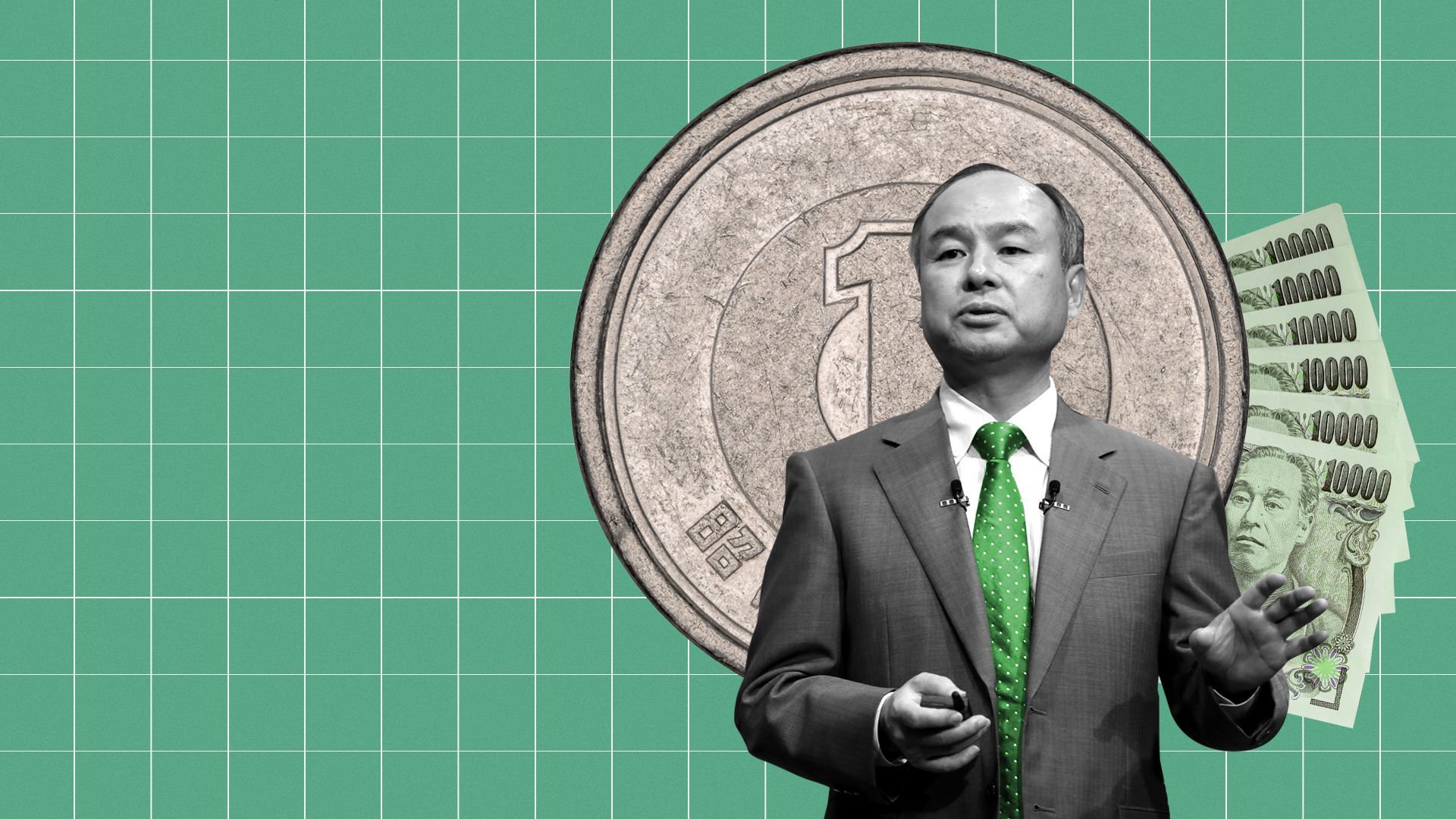
SoftBank's Vision Fund went from being in the red, with an annual operating loss of $18 billion at one point, to an $8 billion net profit in its most recent quarter — thanks in no small part to the past year's unexpected events.
Why it matters: While the Vision Fund's bet on a global shift to digital services is likely correct, it's hard to believe its financial performance would have rebounded so quickly had 2020 gone differently.
A global shortage of semiconductors has everyone from gamers to global auto giants struggling to get the chips they need. Governments, too, see the issue as strategic and are trying to figure out how they can improve the situation.
Why it matters: Chips serve as the brains of computer systems — without them, you just have a bunch of components. And right now, demand is exceeding supply.
Microsoft and Google, longtime peaceful competitors, have turned on each other in what has recently become a heated battle over the future of news.
Details: Google on Thursday clawed back at Microsoft, arguing that the Seattle tech giant's support of an upcoming Australian news law is flawed and self-serving.
Facebook's new moves to dial back the volume of political content in users' news feeds represent the latest lurch in the social network's erratic handling of its role as the world's digital public square.
Driving the news: Facebook, having captured a vast chunk of the digital ad business and trained users to view its stream of posts as a one-stop shop for all their informational needs, now says it plans to limit its distribution of posts about politics and broaden its situational bans on political ads.
Republicans on the House Judiciary committee are seeking to draw the Facebook Oversight Board's attention to allegations of anti-conservative bias by the social network, per a letter to the board shared with Axios.
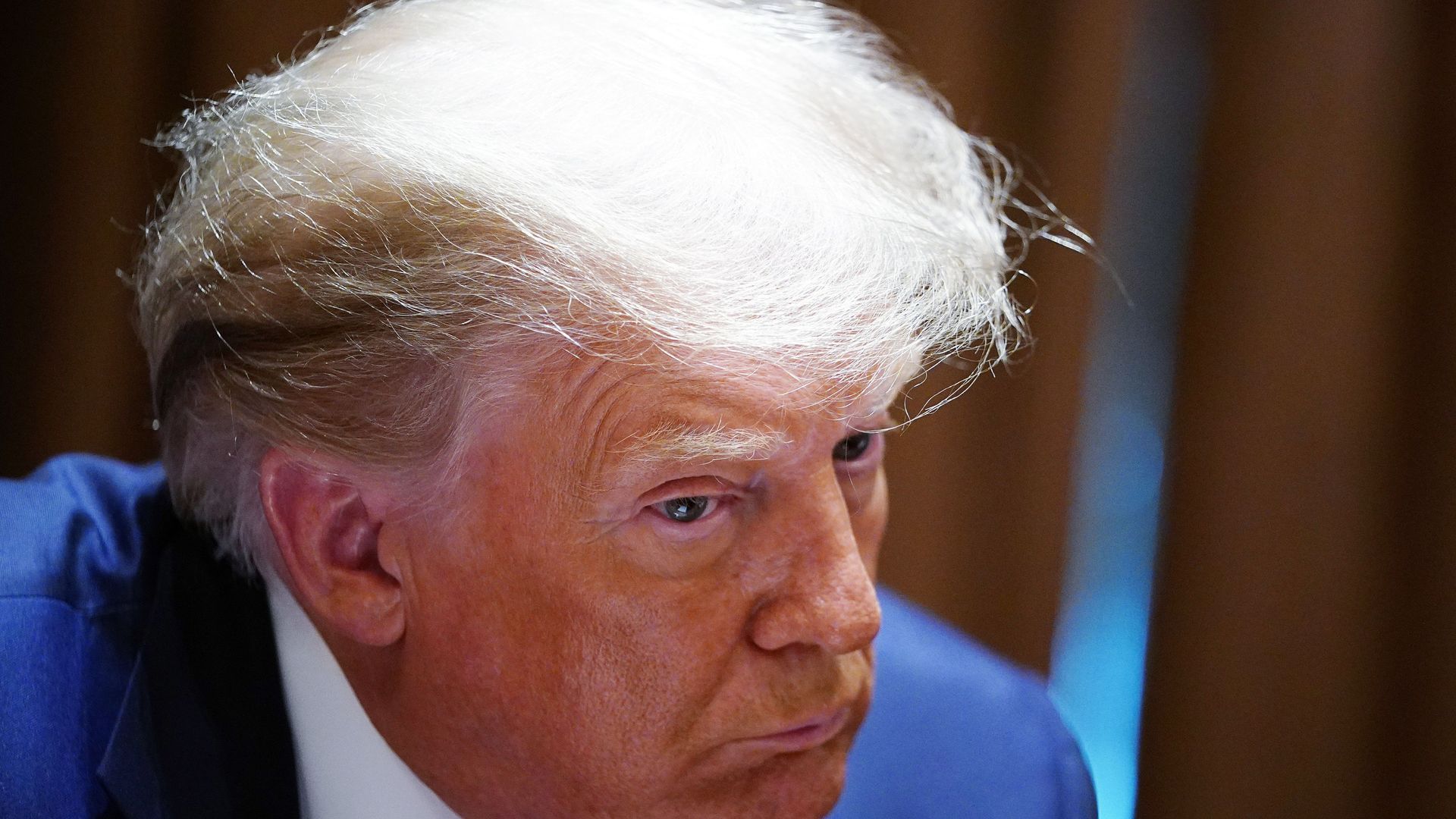
Between the lines: The board is taking comments on whether it should uphold Facebook's decision to ban former President Trump. With their letter, GOP lawmakers are avoiding commenting on the merits of the ban, instead pivoting to bias claims that are popular with their conservative base.
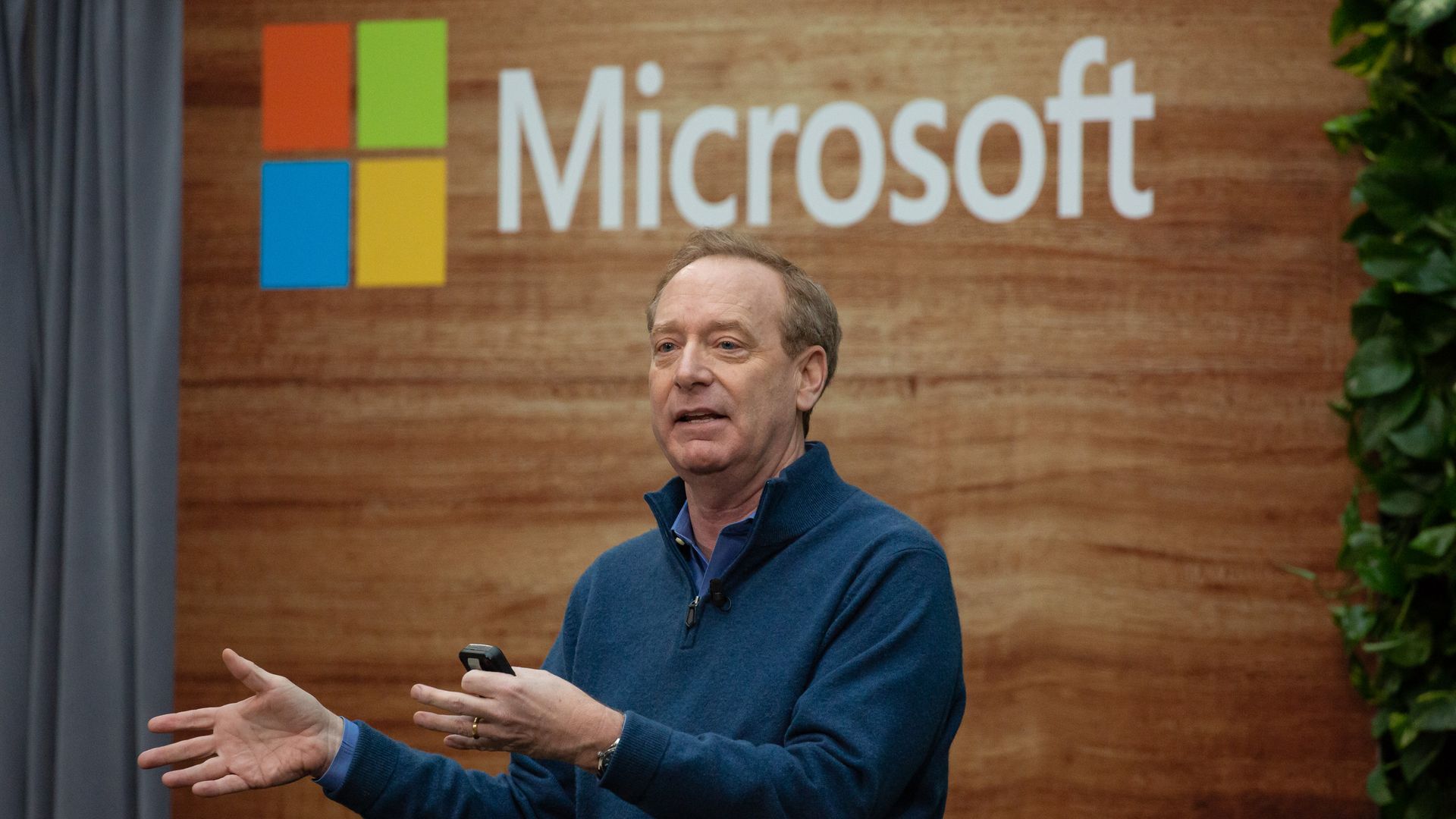
Microsoft President Brad Smith told Axios in an interview that the U.S. and other countries should consider adopting media rules like those Australia is poised to soon enact to force tech companies to pay publishers for content.
Why it matters: Both Facebook and Google have said they can't run their businesses as usual with the code in effect and warn that if Australia passes it as expected, they'll pull some of their services from the country.
The New York Times is in the early stages of developing a digital subscription product for families called NYT Kids, executives tell Axios.
Why it matters: Standalone digital subscription products are a key driver of The Times' growth and long-term business strategy. A kids-focused product is a departure from the adult-focused lifestyle apps it previously built, like Cooking and Crosswords.
SAG-AFTRA, the union that represents actors, plans to start representing online influencers as well.
Why it matters: A growing number of online content creators make their living promoting various products on social media. The union says the move will allow people to more easily make a career out of being an influencer and gain access to health care and other benefits.
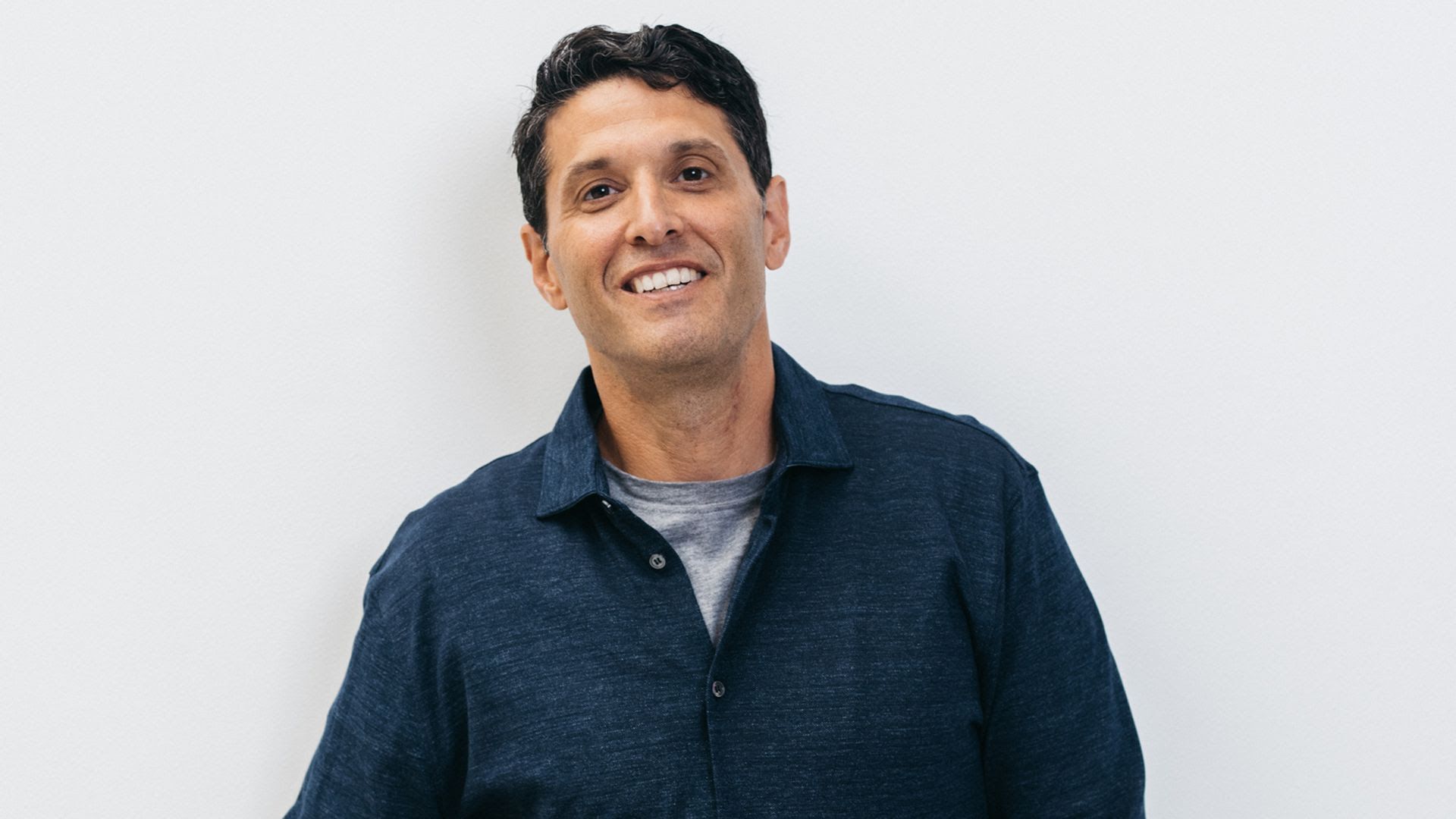
Terry Myerson, who ran the Windows unit for part of his 20-year career at Microsoft, is on a new mission to make data more central in medical treatments, with Truveta, the startup he runs that’s backed by 14 health systems.
Why it matters: Too many important decisions are still made based on doctors' personal experiences.
States across the U.S., unwilling to wait for the slower gears of the federal government to turn, are moving aggressively to regulate the tech industry.
Why it matters: States famously serve as "laboratories of democracy," testing out innovative laws that other states or the federal government can adopt. But their experiments can sometimes be half-baked or have unintended consequences, and their regulations can run afoul of the courts.
As Uber and Lyft look into 2021, both companies pointed to driver supply as a possible challenge when ride-hailing demand picks up again.
Why it matters: The companies delivered their 2020 Q4 earnings this week, with mixed results, and are hoping vaccination will boost their recovery later in the year as more people start to take rides again.
From Donald Trump to Rep. Alexandria Ocasio-Cortez, tweeting has become a big part of being an elected official.
Why it matters: Numerous representatives and senators have followed suit, and these are the ones who tweeted the most during the recently completed 116th Congress, according to data pulled by Quorum.








/2021/02/11/1613069308684.gif?w=3840)

/2021/02/11/1613055682855.gif?w=3840)