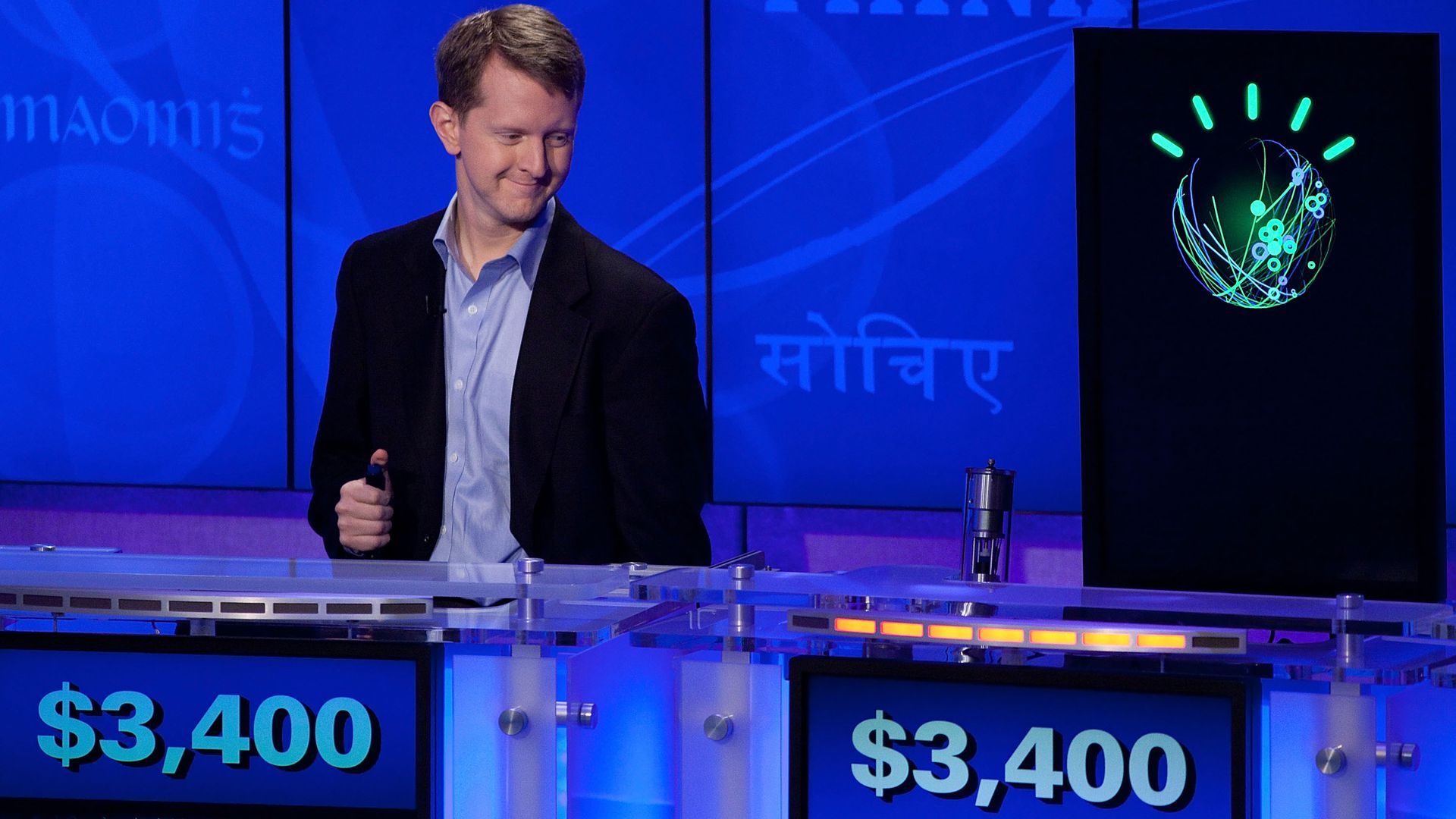
Tuesday marks the 10th anniversary of IBM's Watson AI system crushing its human competition on "Jeopardy!"
Why it matters: Watson's victory marked one of the first times Americans could witness an AI system using natural language processing. But, 10 years later, the field still has far to go.
The arrests and charges in theaftermath of the Jan. 6 Capitol Hill insurrection made clear the power of facial recognition, even as efforts to restrict the technology are growing.
Why it matters: With dozens of companies selling the ability to identify people from pictures of their faces — and no clear federal regulation governing the process — facial recognition is seeping into theU.S., raising major questions about ethics and effectiveness.
LinkedIn is building a creator management team to help grow its community of content creators on the platform, according to an announcement from the company's editor in chief.
Why it matters: The success of platforms like TikTok, OnlyFans and Substack has led to a mad dash of investments from tech companies into the creator economy. Facebook and Snapchat have launched TikTok competitors, and Twitter bought a newsletter platform.
Maryland has become the first state in the U.S. to enact a tax on the revenue generated from digital advertisements.
Driving the news: The state's Senate on Friday joined the House of Delegates in voting to override Republican Gov. Larry Hogan's veto of a tax on the revenue that large tech companies generate from showing online ads to Maryland residents. Democrats control both chambers.
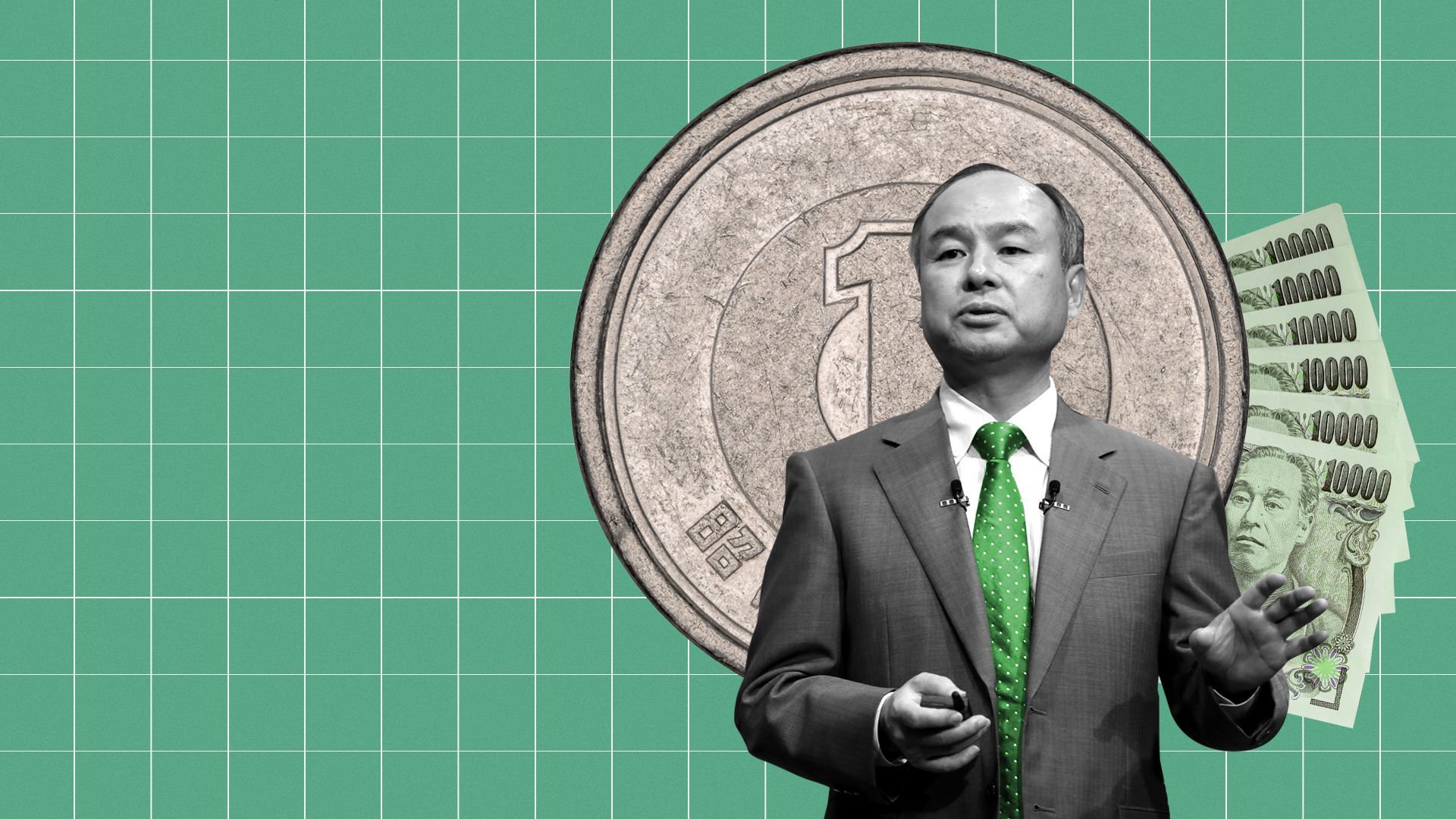
SoftBank's Vision Fund went from being in the red, with an annual operating loss of $18 billion at one point, to an $8 billion net profit in its most recent quarter — thanks in no small part to the past year's unexpected events.
Why it matters: While the Vision Fund's bet on a global shift to digital services is likely correct, it's hard to believe its financial performance would have rebounded so quickly had 2020 gone differently.
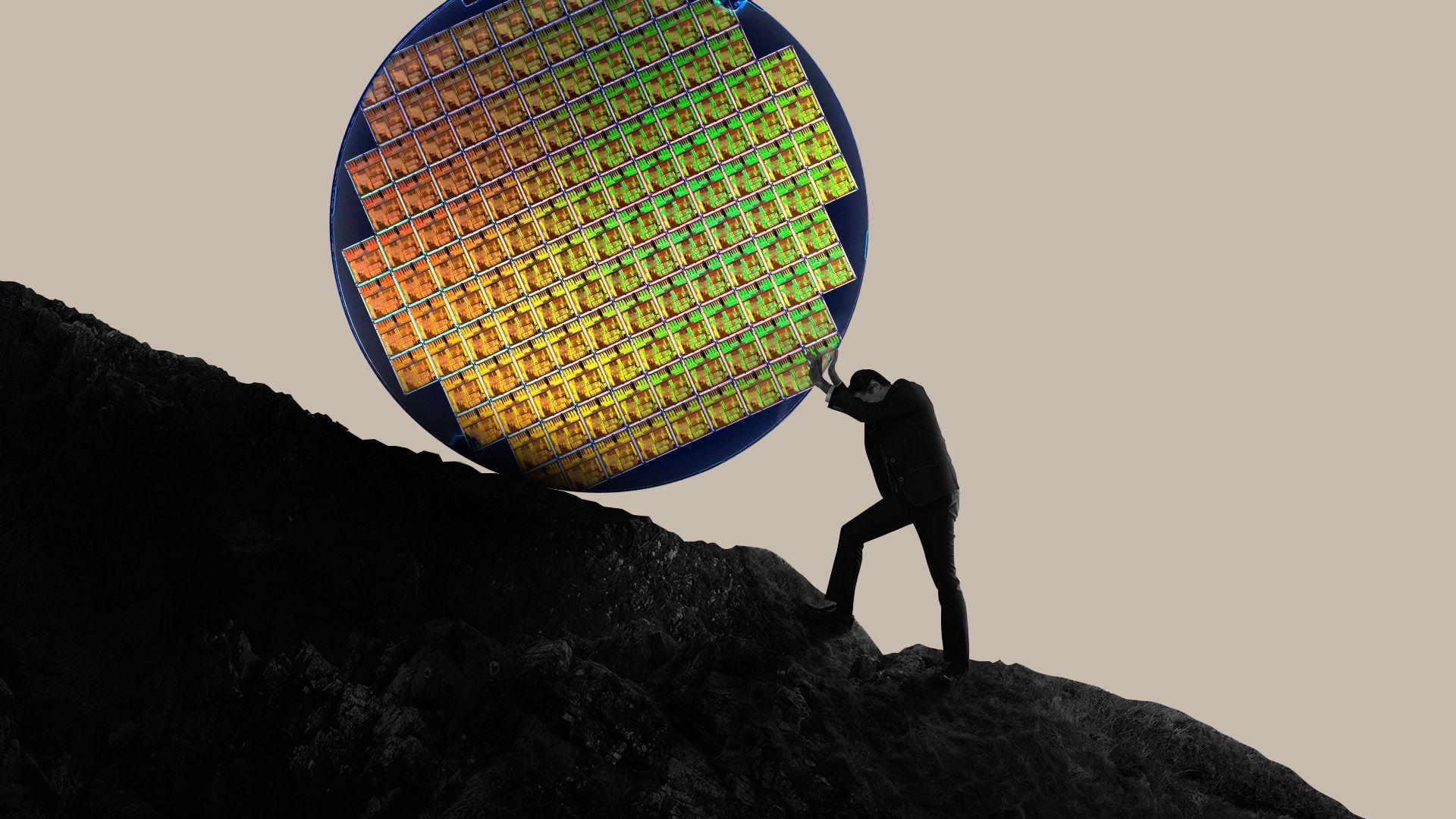
A global shortage of semiconductors has everyone from gamers to global auto giants struggling to get the chips they need. Governments, too, see the issue as strategic and are trying to figure out how they can improve the situation.
Why it matters: Chips serve as the brains of computer systems — without them, you just have a bunch of components. And right now, demand is exceeding supply.
Microsoft and Google, longtime peaceful competitors, have turned on each other in what has recently become a heated battle over the future of news.
Details: Google on Thursday clawed back at Microsoft, arguing that the Seattle tech giant's support of an upcoming Australian news law is flawed and self-serving.
Facebook's new moves to dial back the volume of political content in users' news feeds represent the latest lurch in the social network's erratic handling of its role as the world's digital public square.
Driving the news: Facebook, having captured a vast chunk of the digital ad business and trained users to view its stream of posts as a one-stop shop for all their informational needs, now says it plans to limit its distribution of posts about politics and broaden its situational bans on political ads.