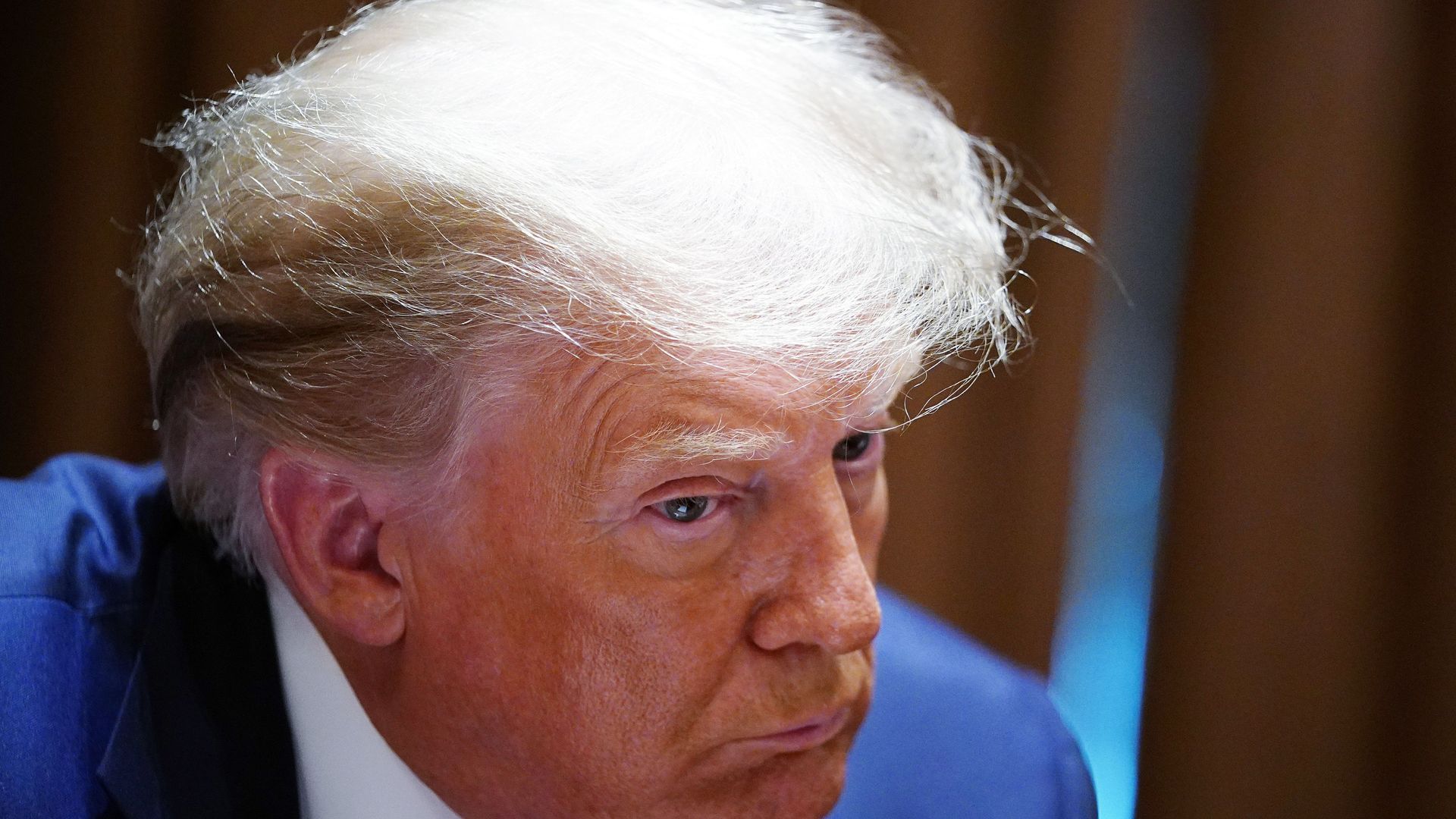
Republicans on the House Judiciary committee are seeking to draw the Facebook Oversight Board's attention to allegations of anti-conservative bias by the social network, per a letter to the board shared with Axios.
Between the lines: The board is taking comments on whether it should uphold Facebook's decision to ban former President Trump. With their letter, GOP lawmakers are avoiding commenting on the merits of the ban, instead pivoting to bias claims that are popular with their conservative base.
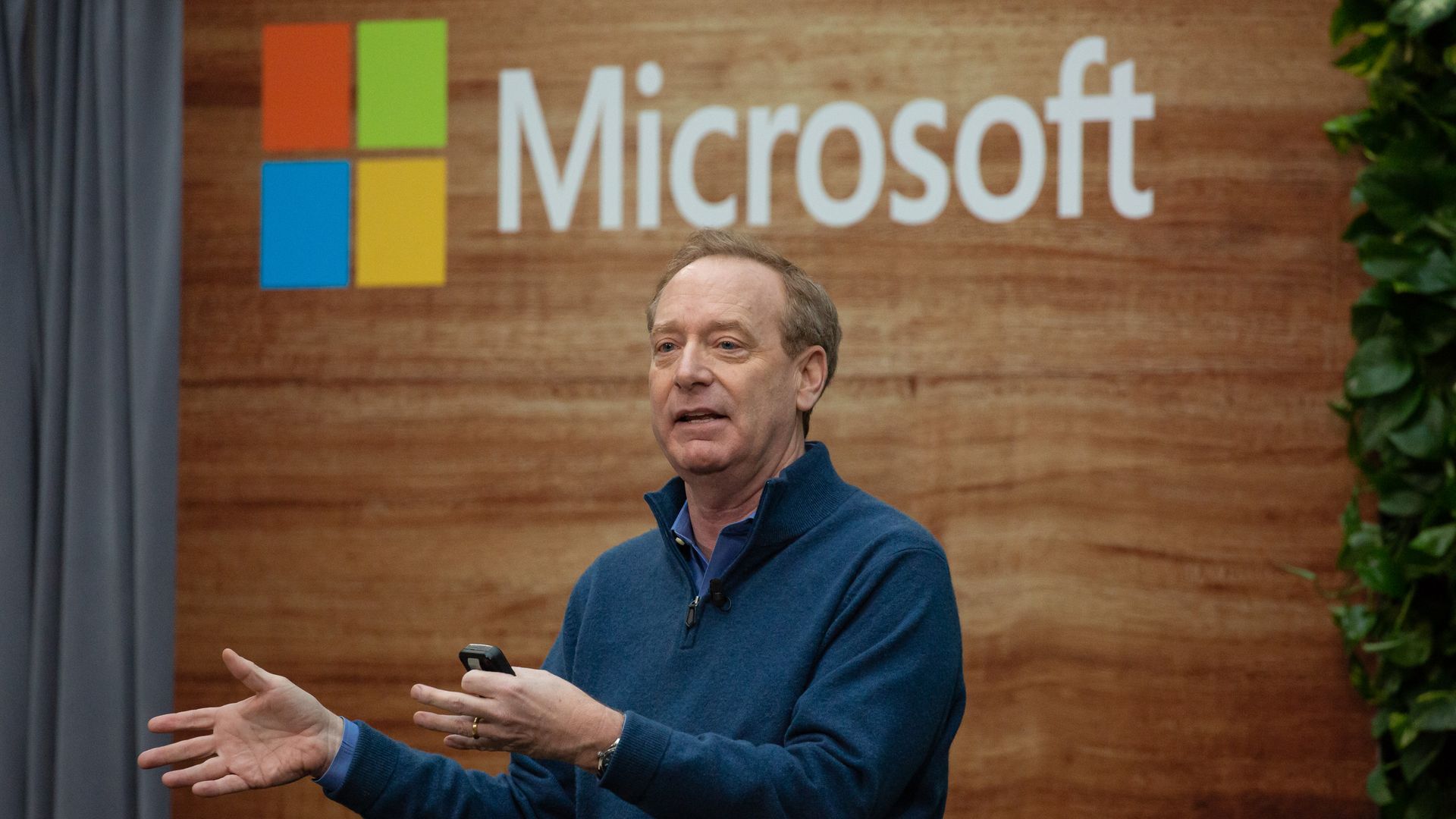
Microsoft President Brad Smith told Axios in an interview that the U.S. and other countries should consider adopting media rules like those Australia is poised to soon enact to force tech companies to pay publishers for content.
Why it matters: Both Facebook and Google have said they can't run their businesses as usual with the code in effect and warn that if Australia passes it as expected, they'll pull some of their services from the country.
The New York Times is in the early stages of developing a digital subscription product for families called NYT Kids, executives tell Axios.
Why it matters: Standalone digital subscription products are a key driver of The Times' growth and long-term business strategy. A kids-focused product is a departure from the adult-focused lifestyle apps it previously built, like Cooking and Crosswords.
SAG-AFTRA, the union that represents actors, plans to start representing online influencers as well.
Why it matters: A growing number of online content creators make their living promoting various products on social media. The union says the move will allow people to more easily make a career out of being an influencer and gain access to health care and other benefits.
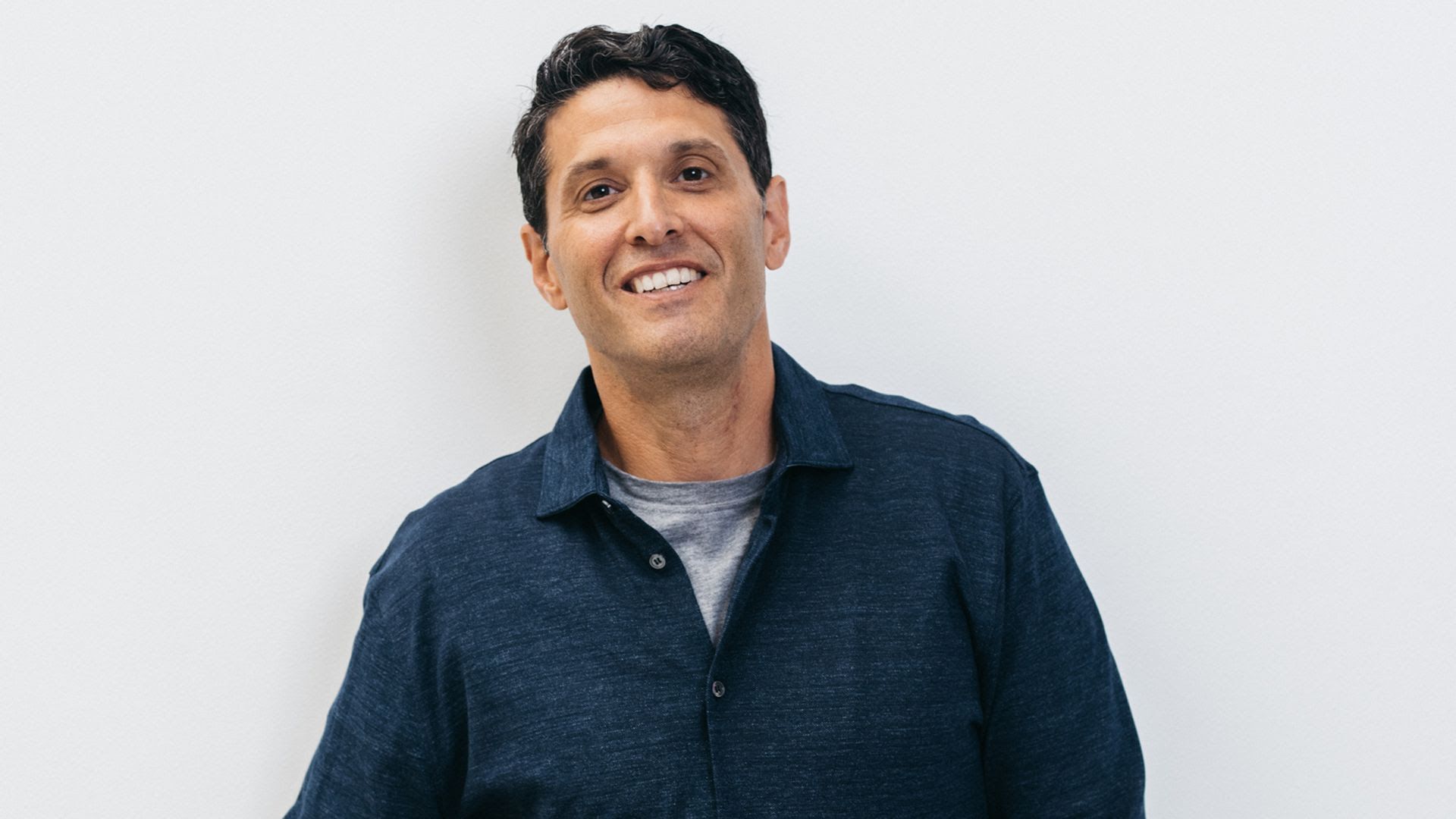
Terry Myerson, who ran the Windows unit for part of his 20-year career at Microsoft, is on a new mission to make data more central in medical treatments, with Truveta, the startup he runs that’s backed by 14 health systems.
Why it matters: Too many important decisions are still made based on doctors' personal experiences.
States across the U.S., unwilling to wait for the slower gears of the federal government to turn, are moving aggressively to regulate the tech industry.
Why it matters: States famously serve as "laboratories of democracy," testing out innovative laws that other states or the federal government can adopt. But their experiments can sometimes be half-baked or have unintended consequences, and their regulations can run afoul of the courts.
As Uber and Lyft look into 2021, both companies pointed to driver supply as a possible challenge when ride-hailing demand picks up again.
Why it matters: The companies delivered their 2020 Q4 earnings this week, with mixed results, and are hoping vaccination will boost their recovery later in the year as more people start to take rides again.
From Donald Trump to Rep. Alexandria Ocasio-Cortez, tweeting has become a big part of being an elected official.
Why it matters: Numerous representatives and senators have followed suit, and these are the ones who tweeted the most during the recently completed 116th Congress, according to data pulled by Quorum.
This whole generational conflict thing has gone too far.
The big picture: Pollsters and the media love to play up the differences between Gens Z and X, between millennials and Boomers, but generational borders are always in flux, and who you are has much more to do with where you are in life than who you happen to share birth years with.
The would-be mass poisoning that a small town in Florida dodged last week is a chilling reminder that cybersecurity — often conceived in the popular imagination as purely an abstract province of ones and zeroes — can be a matter of life or death.
Why it matters: The fact that attackers were (if only briefly) able to access the control system for a municipal water supply should be a wake-up call for U.S. officials regarding the digital insecurity of many key pieces of infrastructure.
Researchers have discovered new “highly malleable, highly sophisticated” malware from a state-backed Chinese hacker group, according to Palo Alto Network’s Unit 42 threat intelligence team.
Why it matters: The malware “stands in a class of its own in terms of being one of the most sophisticated, well-engineered and difficult-to-detect samples of shellcode employed by an Advanced Persistent Threat (APT),” according to Unit 42.
An Iranian cyber spying group nicknamed Domestic Kitten has “targeted over 1,200 individuals with more than 600 successful infections” since 2017, according to new research by Check Point, an Israeli-U.S. security firm.
Why it matters: Repressive regimes around the world, including Iran, devote significant resources to targeting individuals and organizations they view as potential challengers to their rule or internal stability. Revelations about campaigns like these can help show who precisely these regimes believe are their greatest threats.
A coalition of app developers who want Apple to relax stringent App Store rules is hiring a new director as it prepares to amp up its work, according to a message obtained by Axios.
Why it matters: Apple has increasingly clashed with developers over the heavy cut it takes on app and in-app purchases and its practice of blocking most apps from using their own payment methods for subscriptions. The Coalition for App Fairness aims to be the premier global voice for app makers in the fight.
Sentropy, a startup backed by Reddit co-founder Alex Ohanian, has spent much of its first year focused on helping protect digital platforms from abuse using machine learning. On Tuesday, it announced a new service aimed at helping Twitter users avoid abusive comments.
Why it matters: People, especially prominent women, people of color and LGBTQ people, encounter frequent online abuse and often have to first view inflammatory posts before they can take action, such as blocking or muting those doing the harassment.
When I asked Salesforce CEO Marc Benioff in an "Axios on HBO" interview last year whether he regretted investing so much in offices, especially in high-rise buildings, he told me to ask again in a year.
The latest: It's been nine months, but already Salesforce is envisioning a much more partial, limited return to the office for its workforce. The company announced Tuesday a new "work from anywhere" strategy that gives employees far more flexibility to choose what place they consider the office.
Democrats want a $7.6 billion fund to help schools and libraries pay for students' distance learning costs as part of the latest COVID-19 relief package.
Why it matters: Despite some progress, an estimated 12 million students lack sufficient internet or the devices necessary to participate in virtual learning while schools are closed during the pandemic.
While the smartphone rules today's tech world as the primary computing device, the next big hardware platform is widely expected to be some version of augmented reality glasses.
The big picture: Facebook, Apple, Microsoft and Google are all pursuing this vision, and many pieces are starting to fall into place. But the holy grail of an affordable computer inside something not much bulkier than a standard pair of glasses is likely still a few years off.


/2021/02/11/1613069308684.gif?w=3840)



/2021/02/11/1613055682855.gif?w=3840)