The Senate Commerce Committee plans to hold a subpoena vote to compel testimony from the top executives of Google, Facebook and Twitter for a hearing next month, the panel announced Thursday.
Why it matters: The subpoena threat is the latest move by lawmakers to pare back the tech industry's prized liability shield, Section 230 of the Communications Decency Act.
Amazon debuted a range of new Ring, Fire TV and Echo hardware on Thursday, including more environmentally sustainable versions of its audio and video gear. Among the products introduced are a cloud gaming service, a home monitoring drone and new spherical designs for its Echo and Echo dot smart speakers.
Why it matters: Amazon, like rivals Google and Apple, typically gives its consumer hardware a launch ahead of the holidays. Apple has already introduced new iPads, while Google has scheduled a Sept. 30 event, where it is expected to debut new audio and video gear, alongside updated Pixel phones.
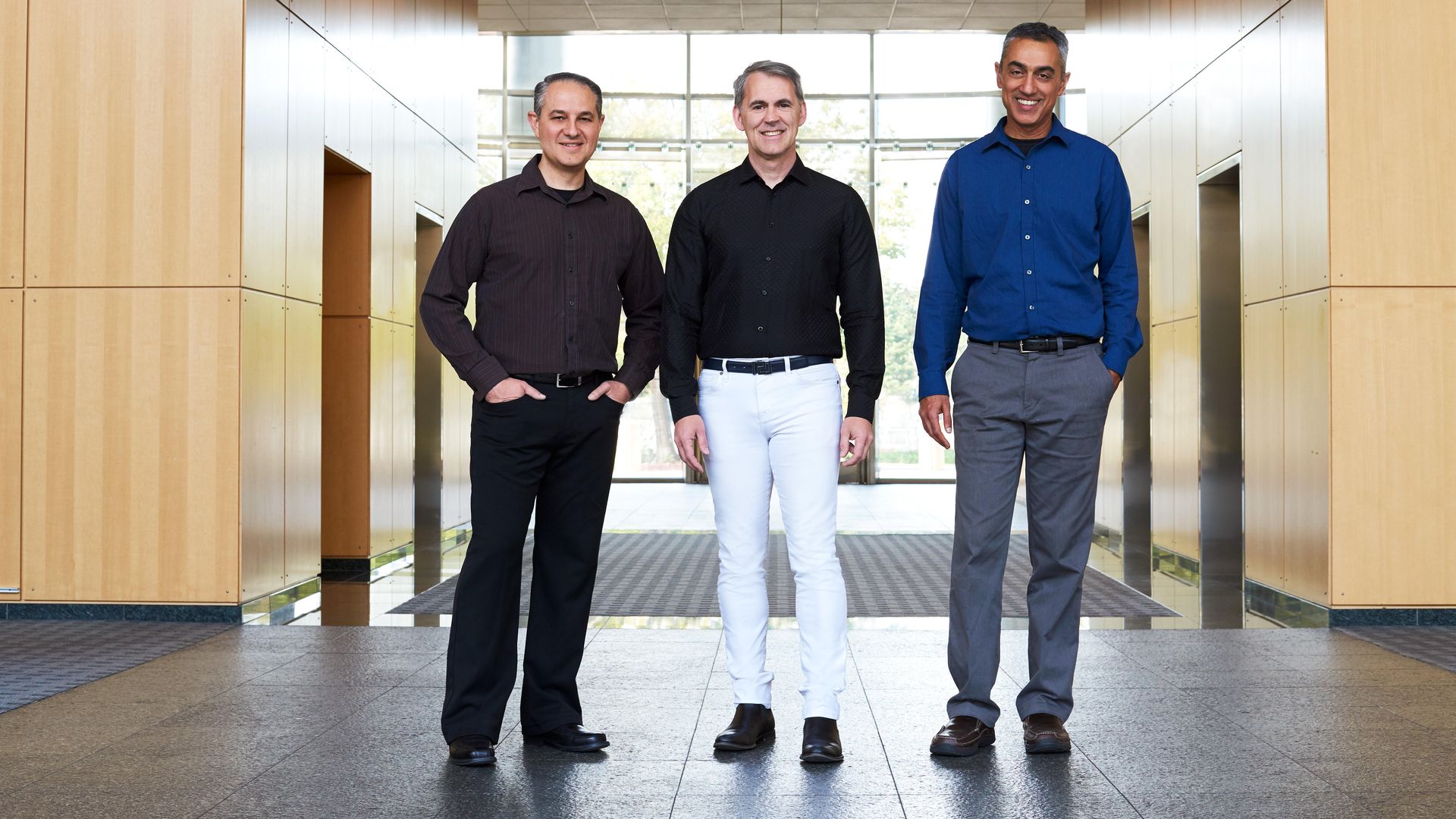
Nuvia, a server chip start-up founded by three former Apple employees, is announcing today it has raised $240 million in fresh funding.
The big picture: The move comes amid increased interest in server chips that, like Nuvia's are Arm-based. It's also happening as Arm is being sold to Nvidia and Nuvia itself is being sued by Apple.
A slew of high-profile journalists have recently announced they are leaving newsrooms to launch their own, independent brands, mostly via email newsletters.
Context: Many of those writers, working with new technology companies like Substack, TinyLetter, Lede, or Ghost, have made the transition amid the pandemic.
The Department of Justice proposed legislation to curb liability protections for tech platforms and moved a step closer toward an antitrust lawsuit against Google Wednesday.
The big picture: As President Trump faces re-election, lawmakers and regulators are hurriedly wrapping up investigations and circling Big Tech with regulatory threats.
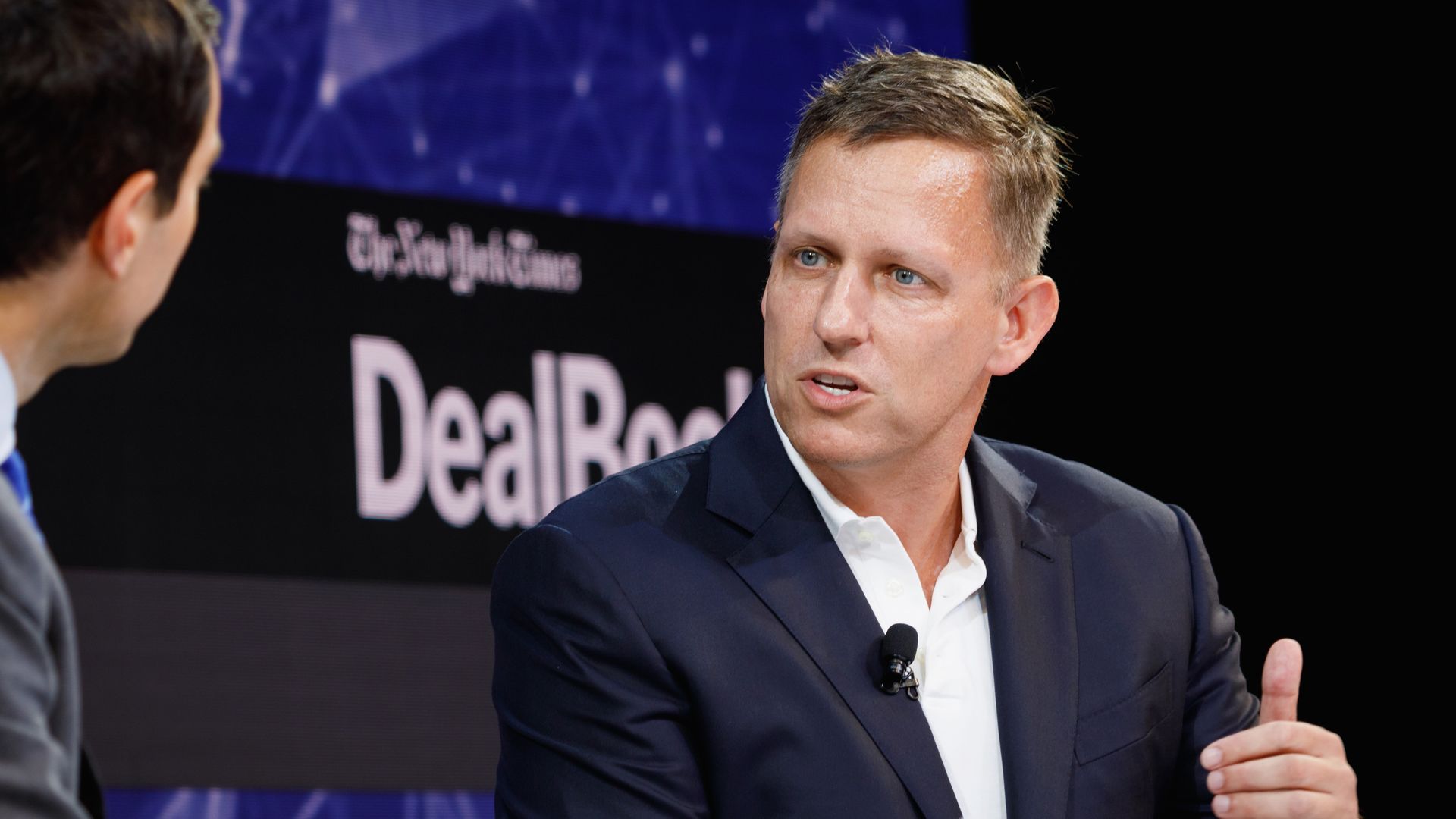
Peter Thiel is involved in a new SPAC that on Wednesday filed for a $575 million IPO, becoming the latest Silicon Valley tech investor to ride Wall Street's hottest wave.
Why it matters: Thiel, who co-founded PayPal, is one of the few top Silicon Valley investors who have close ties to the Trump administration. He also sits on the board of Facebook.
Editing the genes of plants and animals could help mitigate greenhouse gas emissions from agriculture and other sectors, according to a report highlighting the possible uses of the technology.
Why it matters: For too long the potential of biotechnology to address climate change has taken a back seat to engineering, chemistry and energy. But new advances in gene editing could make farming more efficient and take carbon out of the atmosphere.
Some of the same technological advances that have enabled us to partially weather the economic and health tolls of the pandemic may be paradoxically discouraging us from taking fuller measures.
Why it matters: Thanks to tech like video chat and automation, a large portion of the population has been able to mostly escape the effects of the pandemic — and even thrive in some cases. But far too many of us risk being left further behind as the virus spreads.
TikTok has filed in D.C. federal court a request for a preliminary injunction against President Trump's executive order banning the app.
Why it matters: The Chinese-owned TikTok is in the crosshairs of mounting tensions between the U.S. and Beijing, culminating in Trump issuing a ban of the app unless it can be sold to American owners. The result has been a messy process that is still waiting final approvals.
Silicon Valley venture capitalists are no longer content with investing in startups and then eventually handing them off. Instead, many are now forming SPACs, or blank-check acquisition companies, to ride tech unicorns into the public markets themselves.
Axios Re:Cap digs into this trend with the co-founders of a new tech SPAC called Reinvent Technology Partners: Reid Hoffman, a co-founder of LinkedIn and partner at Greylock, and Mark Pincus, the founder and former CEO of Zynga.
Four people affected by the violence during the Kenosha, Wisc., protests in August are suing Facebook, charging that the social media company enabled violence to take hold there.
Driving the news: As BuzzFeed News reports, the allegations against Facebook focus on its failure to remove an event titled “Armed Citizens to Protect our Lives and Property,” created by the self-described militia group the Kenosha Guard. The page was filled with violent comments including posts celebrating the deaths at the protests.
In a bid to attract and retain top tech talent, the CIA has announced the formation of CIA Labs, a new venture designed to encourage innovation in "artificial intelligence, data analytics, biotechnology, advanced materials, and high-performance quantum computing,” among other areas, per MIT Technology Review.
How it works: Formed in part because of concerns over a talent drain to the private sector in Silicon Valley, CIA Labs will allow employees to patent their own inventions and keep 15% of the proceeds derived from them, with a maximum salary bump of $150,000 per annum.
An Iranian cyber operations front organization that’s a target of new U.S. sanctions was itself the victim of an attack that looted its own hacking tools and dumped them on the internet two years ago.
Driving the news: Last week, amid increasing tensions between Washington and Tehran, the Treasury Department announced major new Iran-related sanctions targeting cyber operators working for Iranian intelligence. The sanctions targeted 45 individuals affiliated with Iran’s Ministry of Intelligence and Security (MOIS), Tehran’s main civilian intelligence agency.
Why it matters: The deal provides a way for many companies to have access to the technology while seemingly allowing Microsoft to establish guardrails and parameters for how the technology can be used.
The Justice Department unveiled on Wednesday a proposal to curb protections for online platforms that host third-party content provided by Section 230 of the Communications Decency Act.
The big picture: Barr said he'd send a Section 230 proposal to Congress, and he's doing it. Efforts to change 230 have garnered bipartisan support, but Congress is preoccupied with the election, the pandemic, and a Supreme Court vacancy.
When the dust finally clears from the fight over TikTok, whoever winds up running the burgeoning short-video-sharing service is likely to face a world of trouble trying to manage speech on it.
Why it matters: Facebook’s story already shows us how much can go wrong when online platforms beloved by passionate young users turn into public squares.
In a renewed push to get an autonomous vehicles bill through Congress, Rep. Bob Latta (R-Ohio) is reintroducing the SELF Drive Act Wednesday, Latta told Axios.
The big picture: New policy legislation is a long shot in the short Congressional calendar leading up to Election Day. But Latta's effort shows the importance many lawmakers put on promoting a U.S. lead in the development of self-driving vehicles.
Airbnb is rolling out a new dashboard that will let participating cities and tourism organizations directly view and interact with listings and activities within their jurisdictions.
Why it matters: Municipalities have long asked for direct access to information about listings and the ability to take immediate take action against those violating local laws. And Airbnb has long resisted giving it to them.










/2020/09/23/1600866721277.gif?w=3840)