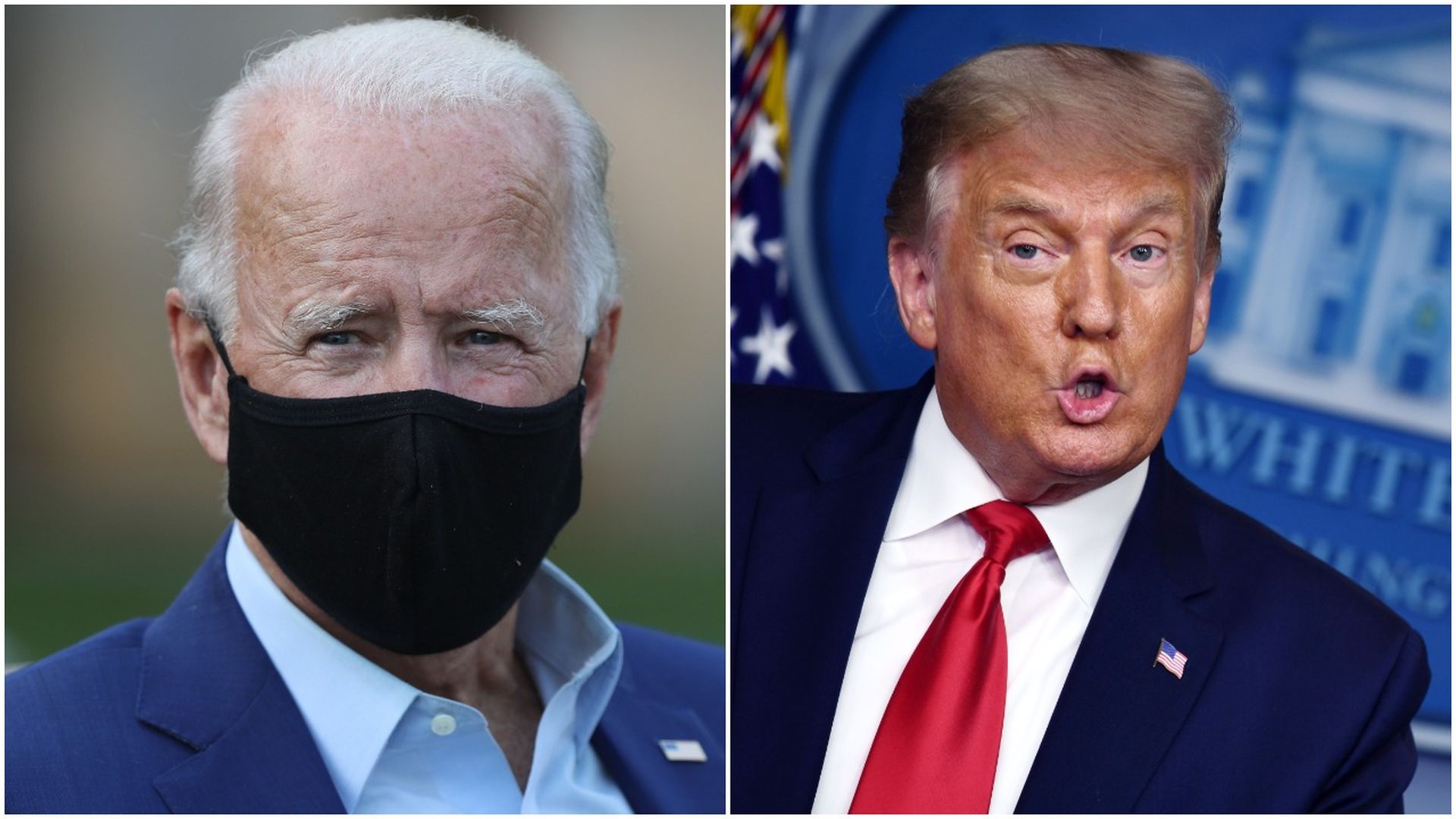
Cyberattacks organized in Russia, China and Iran have targeted the 2020 election, President Trump's and former Vice President Joe Biden's campaigns this year, Microsoft said in a blog post on Thursday.
The big picture: The 2020 presidential election is rife with opportunities for foreign actors to sow chaos, since results will likely be delayed due to record mail-in ballots. Protests for racial justice and calls to restructure policing in the U.S. also give Russia an opportunity to spread disinformation.
The coronavirus crisis may offer a grim preview of further marginalization for Americans of color in the coming decades, a new Deutsche Bank report concludes.
The big picture: "COVID is a picture of what the world might look like in the future as it gets more digitized," Apjit Walia, a technology strategist with Deutsche Bank, told Axios. His report finds that Black and Hispanic Americans are particularly vulnerable to being left behind as the workforce further digitizes and inequality rises.
The apocalyptic orange sky in San Francisco Wednesday was the talk of the town — and well beyond. However, many people found their efforts to capture the surreal images stymied, as their iPhones "corrected" the smoke-filled sky to a more natural hue.
The big picture: Smartphone cameras do a great job in many situations thanks to software that automatically tries to improve a shot's composition, focus, and settings like white and color balance. But those adjustments can also get in the way of capturing what's unique about some of life's most vivid images.
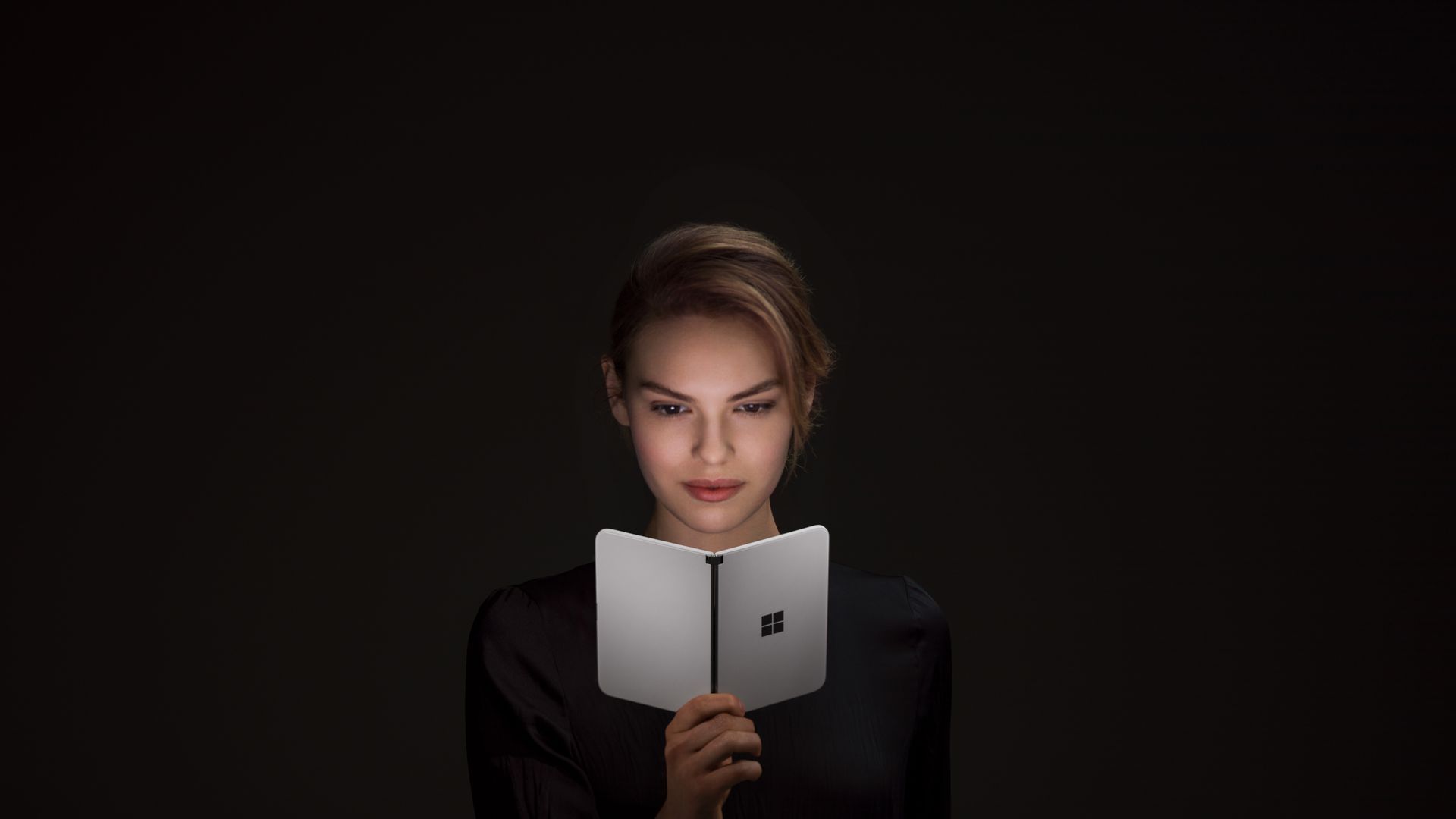
With Surface Duo, Microsoft has re-entered the phone business (sort of), with a dual-screen device running Android. The unique hardware and software combination makes it more than just a curiosity, even if it's likely to be a niche player at best.
Why it matters: Microsoft isn't going to suddenly become a major player in mobile hardware, but the Duo does give the company a novel option for Microsoft loyalists.
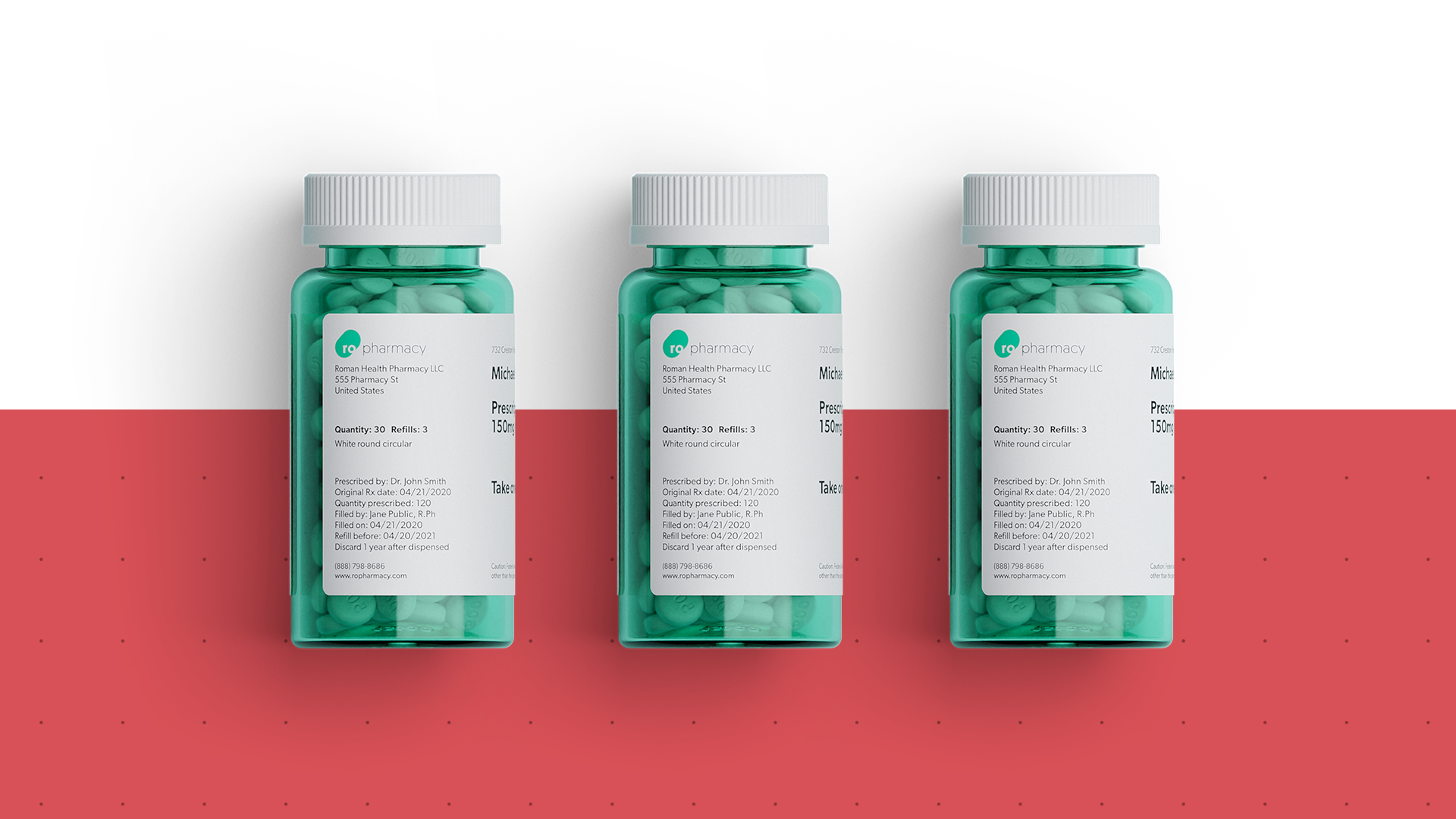
The big picture: The coronavirus pandemic has put a spotlight on telemedicine companies like Ro as Americans look to balance social distancing measures and health care needs.
TikTok Wednesday revealed some of the elusive workings of the prized algorithm that keeps hundreds of millions of users worldwide hooked on the viral video app.
Why it matters: The code TikTok uses to pick your next video is a large part of what has led the two-year-old company to achieve broad popularity along with a remarkable $20-$30 billion valuation. The key asset is in play as TikTok's Chinese parent prepares to sell its U.S. operation amid fears about its relationship with China's government.
A group of newly published studies outlines how artificial intelligence can be used to improve care in hospitals and enhance clinical trials.
Why it matters: Patients stand to benefit hugely from the use of AI in medicine, but only if there is solid evidence the interventions work — and it can be done without introducing errors or compromising privacy.
A Chinese government-associated hacking group that shifted its focus this spring toward collecting intelligence involving coronavirus response has again reoriented its work, this time to target Tibetan dissidents, according to security firm Proofpoint.
Between the lines: China’s intelligence services may now feel that, with the initial COVID-19 crisis in both Europe and China now receding, they can return to older, core priorities.
Moving data storage and processing to the cloud ameliorates some cybersecurity vulnerabilities while heightening others, according to a study published last week by the Carnegie Endowment for International Peace.
The big picture: More and more segments of both the public and private sectors are shifting their systems to the cloud, primarily relying in the U.S. on a handful of companies, chief among them Amazon, Microsoft and Google.
A hacker group associated with the Iranian government is selling “access to compromised networks on an underground forum,” likely without Tehran’s blessing, according to research by threat intelligence firm CrowdStrike.
Why it matters: That these Iranian hackers were apparently caught trying to make money on the side may show the dangers of relying on likely underpaid contractors to conduct sensitive offensive cyber operations.
If he were starting Facebook all over again, Mark Zuckerberg says he would spend more time telling the world "what our principles are."
What he's saying: "I really used to believe that the product by itself was everything, right?" Zuckerberg told Axios' Mike Allen in a wide-ranging new interview for "Axios on HBO." "And that if we if we built a good product, it didn't matter how we communicated about what we did and how we explained the principles behind the service — people would love and would use the product...."
Facebook CEO Mark Zuckerberg defended Facebook's content moderation policies in an "Axios on HBO" interview, noting that the company proactively removed roughly 90% of hate speech content from April to June this year.
Driving the news: High-profile ad boycotts held over the summer pressured Facebook to act more forcefully against hate speech, although the efforts had little effect on the company's revenue.
Facebook CEO Mark Zuckerberg told "Axios on HBO" that calls for data privacy and antitrust regulation in tech are often at odds.
Why it matters: Democrats and Republicans have pushed for antitrust enforcement as a cure for any number of Big Tech ills, and Americans feel frustrated that they don't have more control over their personal data when using digital services.
Mark Zuckerberg told "Axios on HBO" that Facebook currently doesn't plan to take the same kind of strong action against anti-vaccination misinformation that it has for the coronavirus pandemic.
Why it matters: "Anti-vaxx" movements could disrupt efforts to build public immunity against the coronavirus when a vaccine is developed.
Mark Zuckerberg told "Axios on HBO" that he believes Apple has "unilateral control of what gets on phones, in terms of apps," when asked if he believes that the product-driven company is a monopoly.
What he's saying: "I think it's probably about 50% of Americans who have smart phones, and a lot more people around the world. I think there are more than a billion Apple devices," Zuckerberg said in an interview with Axios' Mike Allen.
Mark Zuckerberg told "Axios on HBO" that it's "just wrong" to consider Facebook a right-wing echo chamber, even though conservative voices top the platform's most-engaged content.
"It's true that partisan content often has kind of a higher percent of people ... engaging with it, commenting on it, liking it," Zuckerberg told Axios.