A group of newly published studies outlines how artificial intelligence can be used to improve care in hospitals and enhance clinical trials.
Why it matters: Patients stand to benefit hugely from the use of AI in medicine, but only if there is solid evidence the interventions work — and it can be done without introducing errors or compromising privacy.
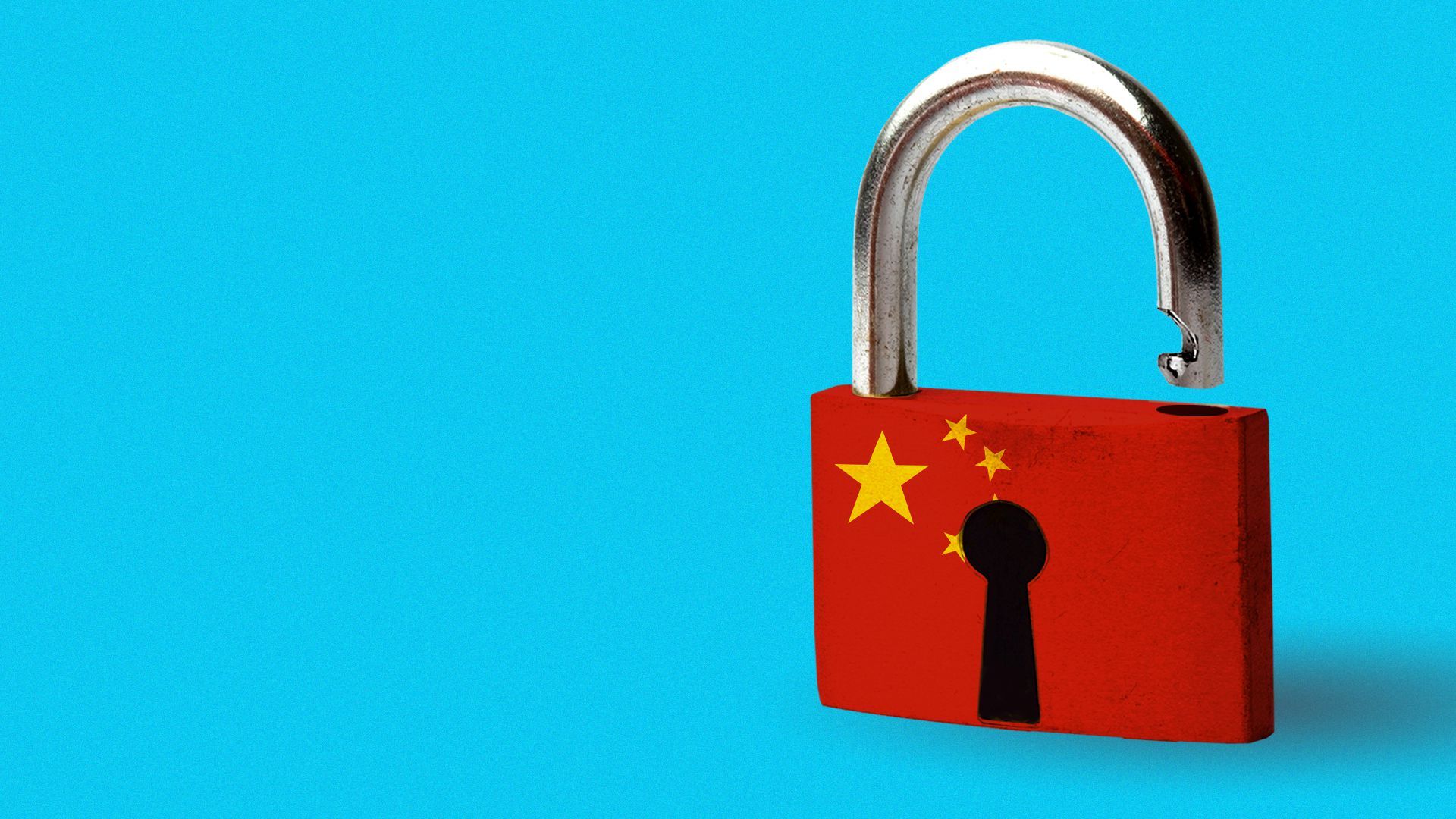
A Chinese government-associated hacking group that shifted its focus this spring toward collecting intelligence involving coronavirus response has again reoriented its work, this time to target Tibetan dissidents, according to security firm Proofpoint.
Between the lines: China’s intelligence services may now feel that, with the initial COVID-19 crisis in both Europe and China now receding, they can return to older, core priorities.
Moving data storage and processing to the cloud ameliorates some cybersecurity vulnerabilities while heightening others, according to a study published last week by the Carnegie Endowment for International Peace.
The big picture: More and more segments of both the public and private sectors are shifting their systems to the cloud, primarily relying in the U.S. on a handful of companies, chief among them Amazon, Microsoft and Google.
A hacker group associated with the Iranian government is selling “access to compromised networks on an underground forum,” likely without Tehran’s blessing, according to research by threat intelligence firm CrowdStrike.
Why it matters: That these Iranian hackers were apparently caught trying to make money on the side may show the dangers of relying on likely underpaid contractors to conduct sensitive offensive cyber operations.
If he were starting Facebook all over again, Mark Zuckerberg says he would spend more time telling the world "what our principles are."
What he's saying: "I really used to believe that the product by itself was everything, right?" Zuckerberg told Axios' Mike Allen in a wide-ranging new interview for "Axios on HBO." "And that if we if we built a good product, it didn't matter how we communicated about what we did and how we explained the principles behind the service — people would love and would use the product...."
Facebook CEO Mark Zuckerberg defended Facebook's content moderation policies in an "Axios on HBO" interview, noting that the company proactively removed roughly 90% of hate speech content from April to June this year.
Driving the news: High-profile ad boycotts held over the summer pressured Facebook to act more forcefully against hate speech, although the efforts had little effect on the company's revenue.
Facebook CEO Mark Zuckerberg told "Axios on HBO" that calls for data privacy and antitrust regulation in tech are often at odds.
Why it matters: Democrats and Republicans have pushed for antitrust enforcement as a cure for any number of Big Tech ills, and Americans feel frustrated that they don't have more control over their personal data when using digital services.
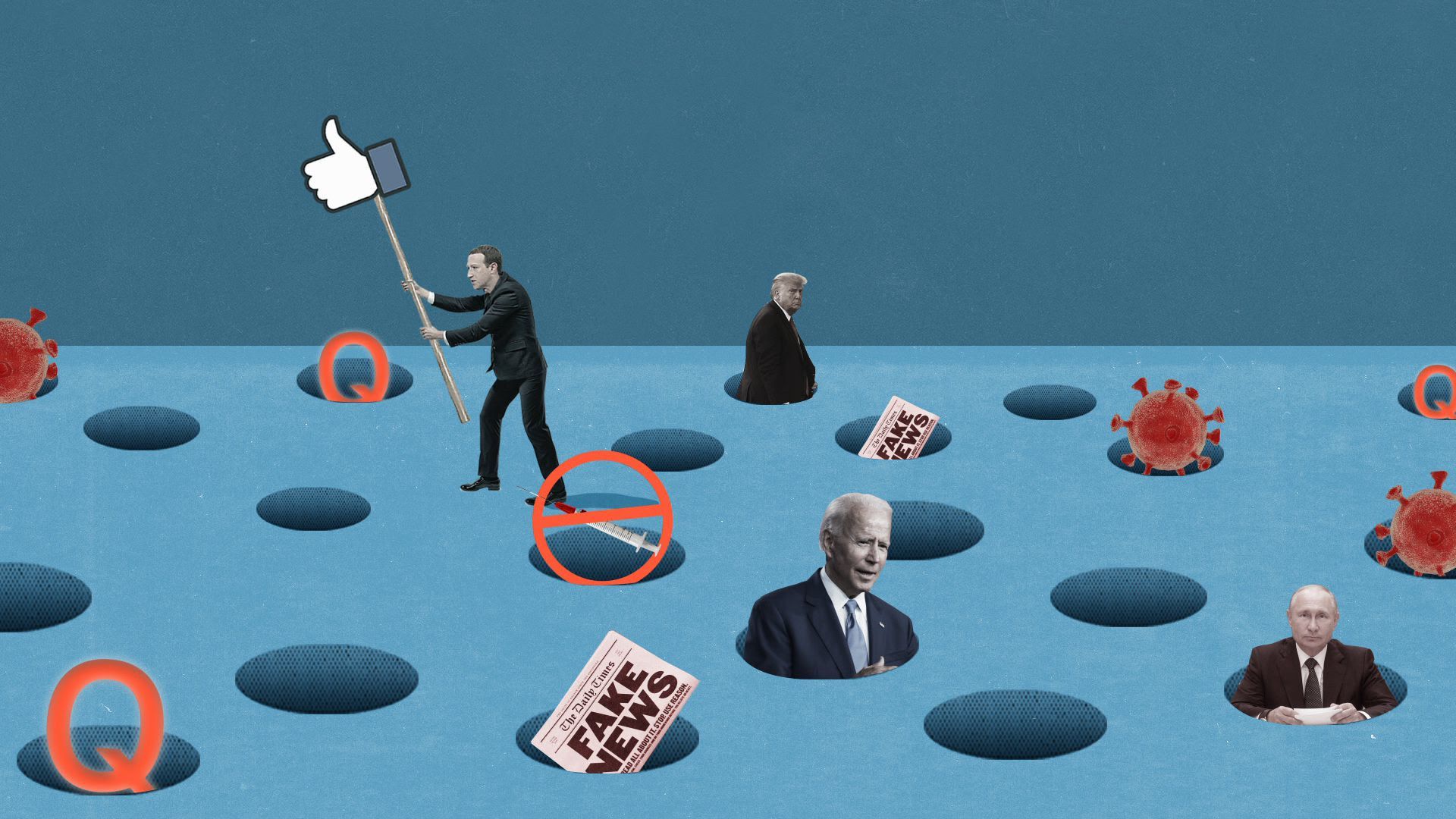
Mark Zuckerberg told "Axios on HBO" that Facebook currently doesn't plan to take the same kind of strong action against anti-vaccination misinformation that it has for the coronavirus pandemic.
Why it matters: "Anti-vaxx" movements could disrupt efforts to build public immunity against the coronavirus when a vaccine is developed.
Mark Zuckerberg told "Axios on HBO" that he believes Apple has "unilateral control of what gets on phones, in terms of apps," when asked if he believes that the product-driven company is a monopoly.
What he's saying: "I think it's probably about 50% of Americans who have smart phones, and a lot more people around the world. I think there are more than a billion Apple devices," Zuckerberg said in an interview with Axios' Mike Allen.