California is on fire right now, and Silicon Valley is among the affected areas. But tech hasn't done too much work to help prevent or fight these sorts of blazes, as most companies prefer to build products for consumers or businesses, not governments.
Axios Re:Cap speaks to one of the exceptions: GoTenna CEO Daniela Perdomo, whose company makes a product that helps wildfire fighters communicate via cell phones even if there isn't available cellular service. We ask what could be doing more of, and why it isn't.
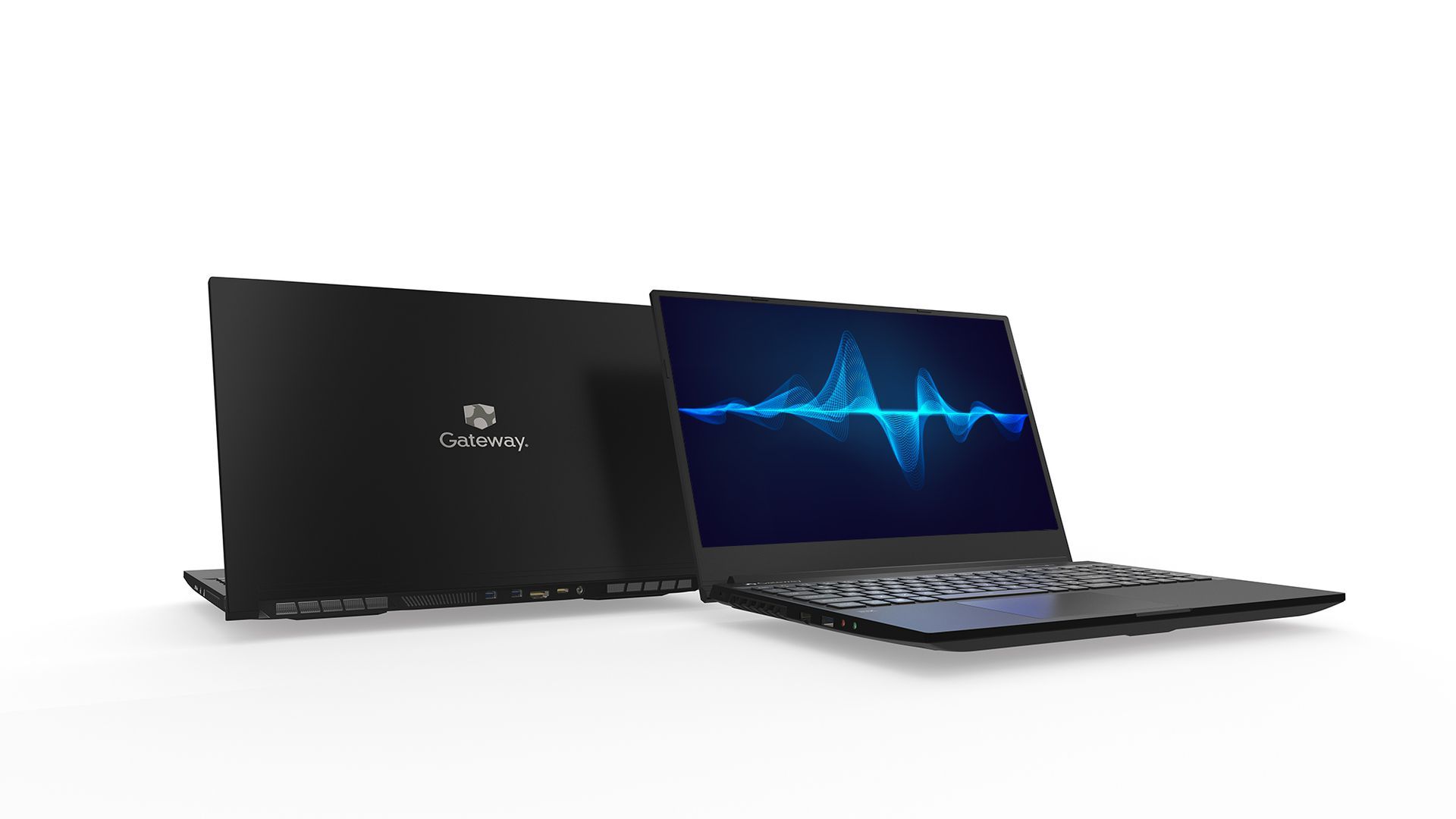
Gateway is making a return, of sorts, to the PC market. The once iconic brand is being used on a new line of computers and tablets that went on sale this week at Walmart.
Between the lines: While Acer owns the name, after buying the computer maker in 2007, another company has licensed the brand for the new computers. An entity known as GPU Company will handle product management, marketing, sales and customer support for the devices.
All Facebook employees will be able to take extra paid time off to help staff polls on Election Day and participate in any trainings ahead of time, company executives tell Axios.
Why it matters: The effort comes amid poll worker shortages, with many older people who would typically do the job planning to stay home because of COVID-19.
Leading U.S. tech platforms are going out of their way to reveal how their businesses, policies and algorithms work ahead of November in a bid to avoid blame for election-related trouble.
Why it matters: Until recently, tech companies found it useful to be opaque about their policies and technology — stopping bad actors from gaming their systems and competitors from copying their best features. But all that happened anyway, and now the firms' need to recapture trust is making transparency look like a better bet.
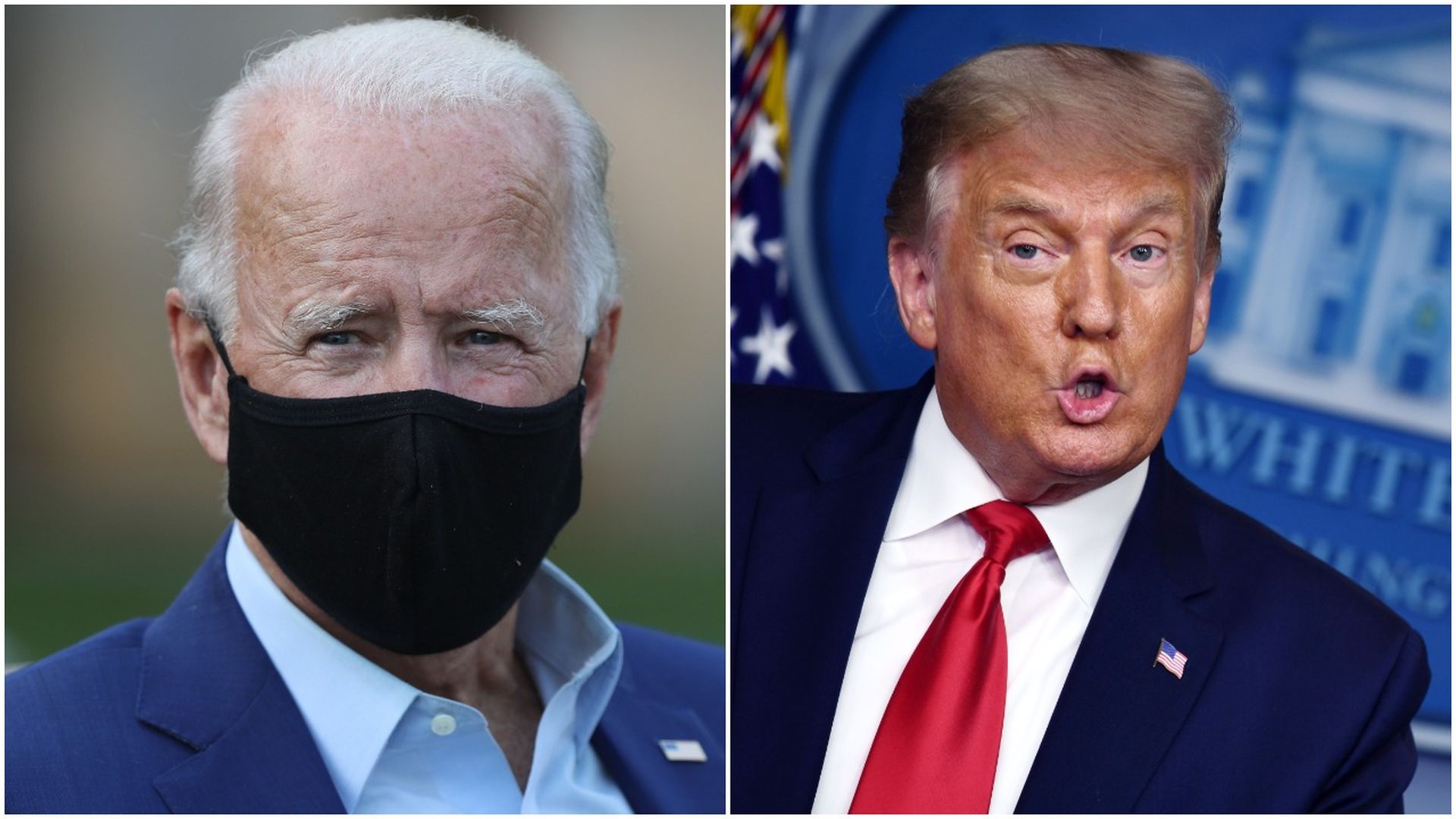
Cyberattacks organized in Russia, China and Iran have targeted the 2020 election, President Trump's and former Vice President Joe Biden's campaigns this year, Microsoft said in a blog post on Thursday.
The big picture: The 2020 presidential election is rife with opportunities for foreign actors to sow chaos, since results will likely be delayed due to record mail-in ballots. Protests for racial justice and calls to restructure policing in the U.S. also give Russia an opportunity to spread disinformation.
The coronavirus crisis may offer a grim preview of further marginalization for Americans of color in the coming decades, a new Deutsche Bank report concludes.
The big picture: "COVID is a picture of what the world might look like in the future as it gets more digitized," Apjit Walia, a technology strategist with Deutsche Bank, told Axios. His report finds that Black and Hispanic Americans are particularly vulnerable to being left behind as the workforce further digitizes and inequality rises.
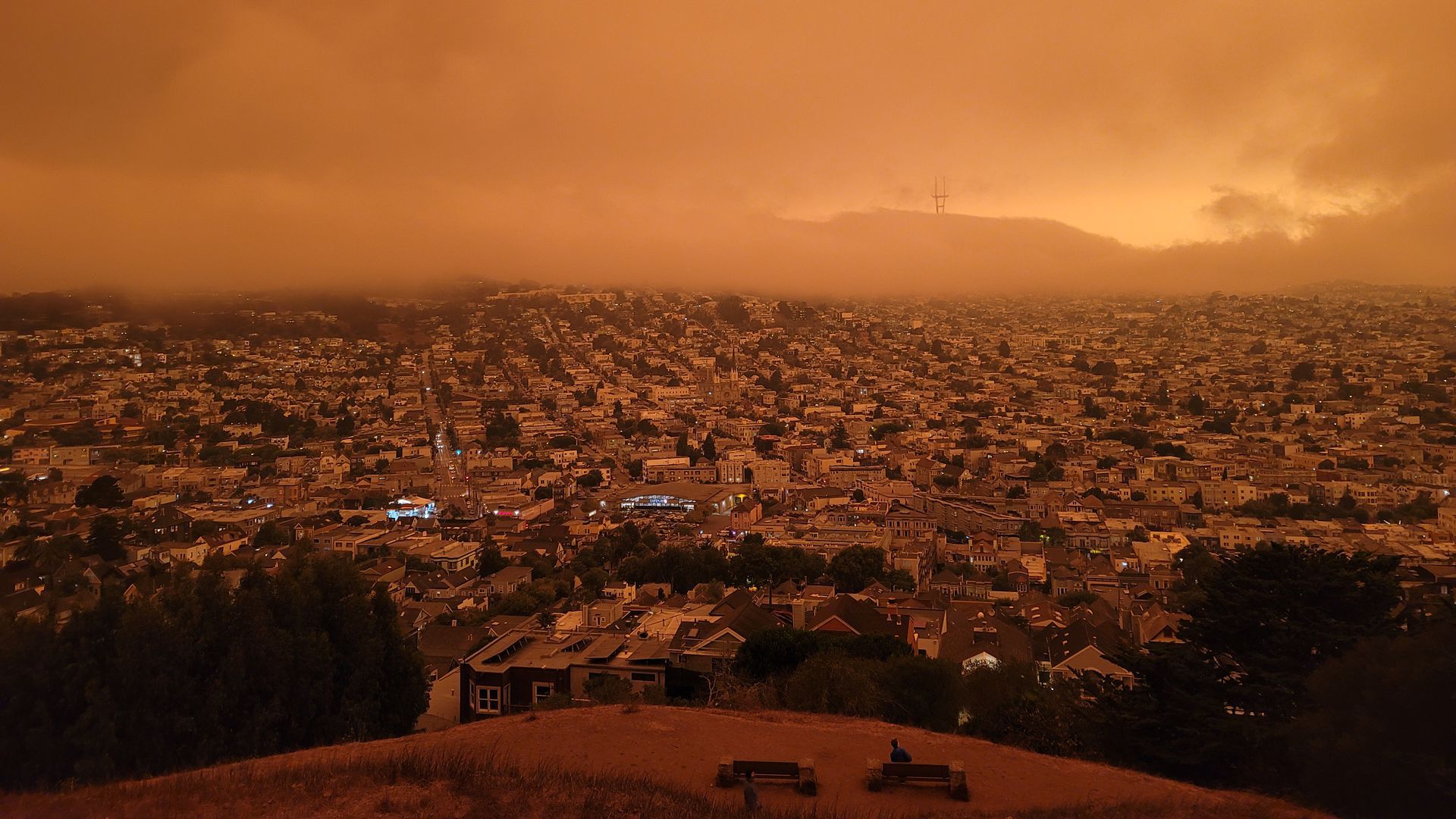
The apocalyptic orange sky in San Francisco Wednesday was the talk of the town — and well beyond. However, many people found their efforts to capture the surreal images stymied, as their iPhones "corrected" the smoke-filled sky to a more natural hue.
The big picture: Smartphone cameras do a great job in many situations thanks to software that automatically tries to improve a shot's composition, focus, and settings like white and color balance. But those adjustments can also get in the way of capturing what's unique about some of life's most vivid images.
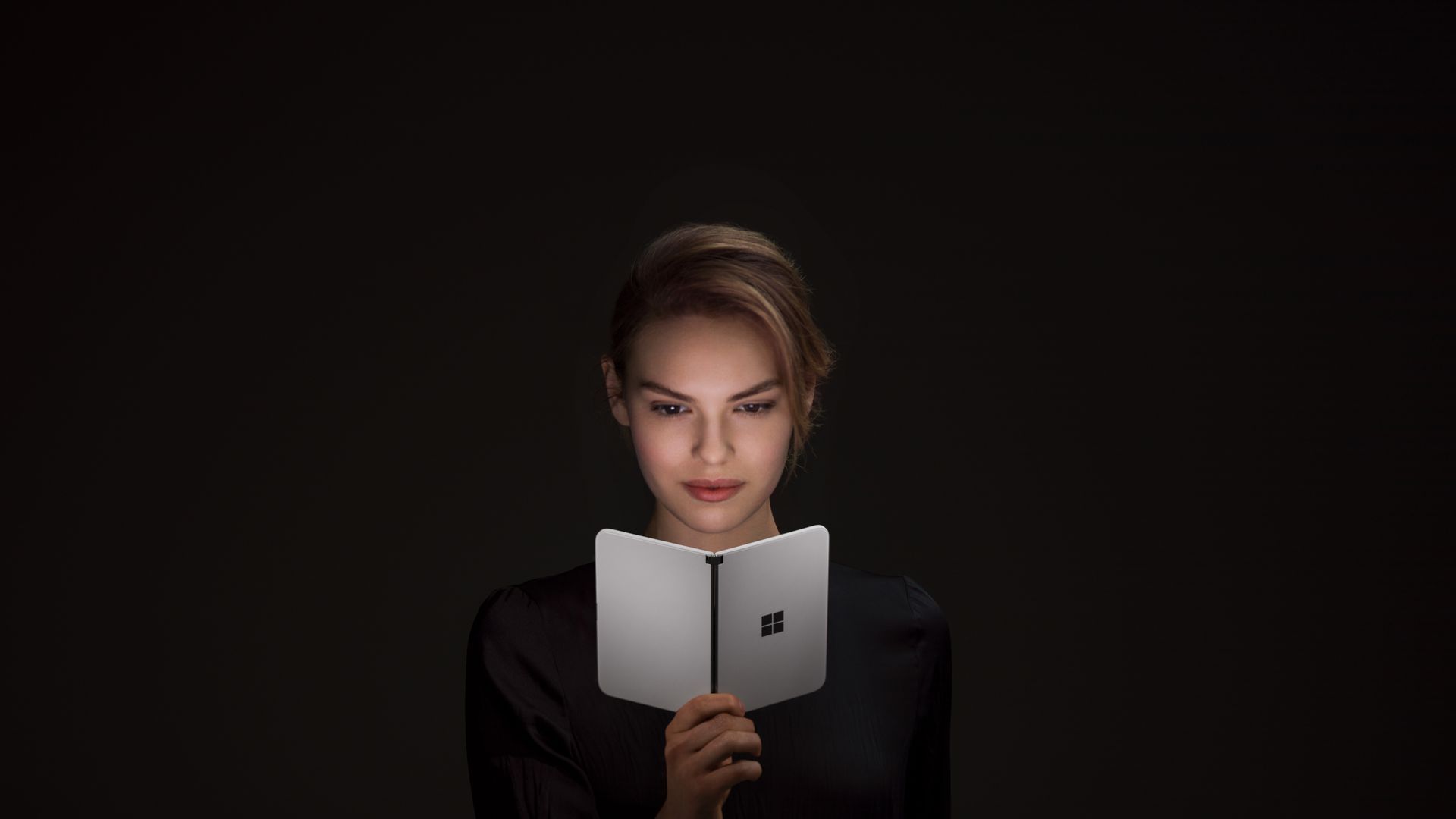
With Surface Duo, Microsoft has re-entered the phone business (sort of), with a dual-screen device running Android. The unique hardware and software combination makes it more than just a curiosity, even if it's likely to be a niche player at best.
Why it matters: Microsoft isn't going to suddenly become a major player in mobile hardware, but the Duo does give the company a novel option for Microsoft loyalists.
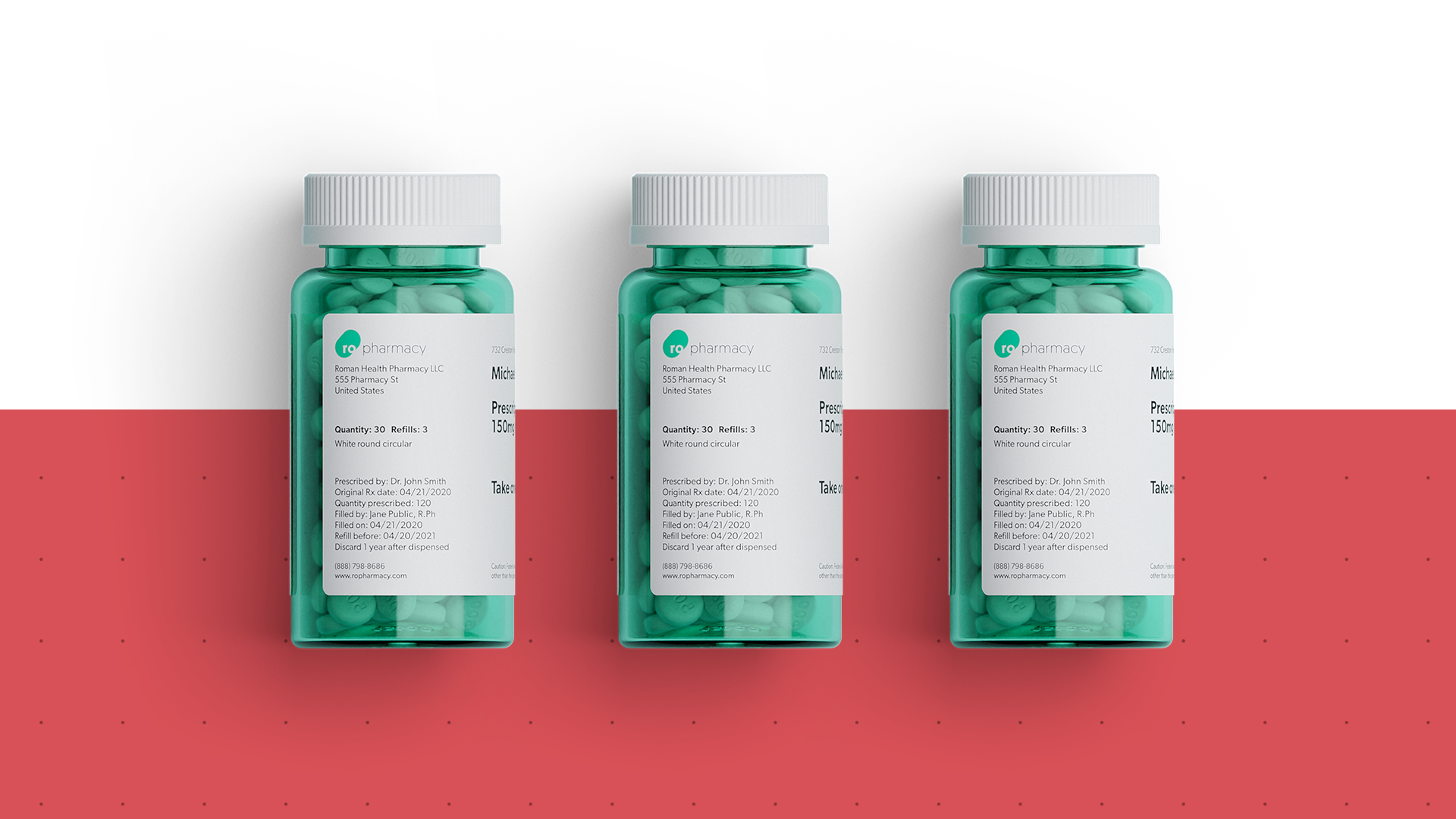
The big picture: The coronavirus pandemic has put a spotlight on telemedicine companies like Ro as Americans look to balance social distancing measures and health care needs.



/2020/09/11/1599784103967.gif?w=3840)