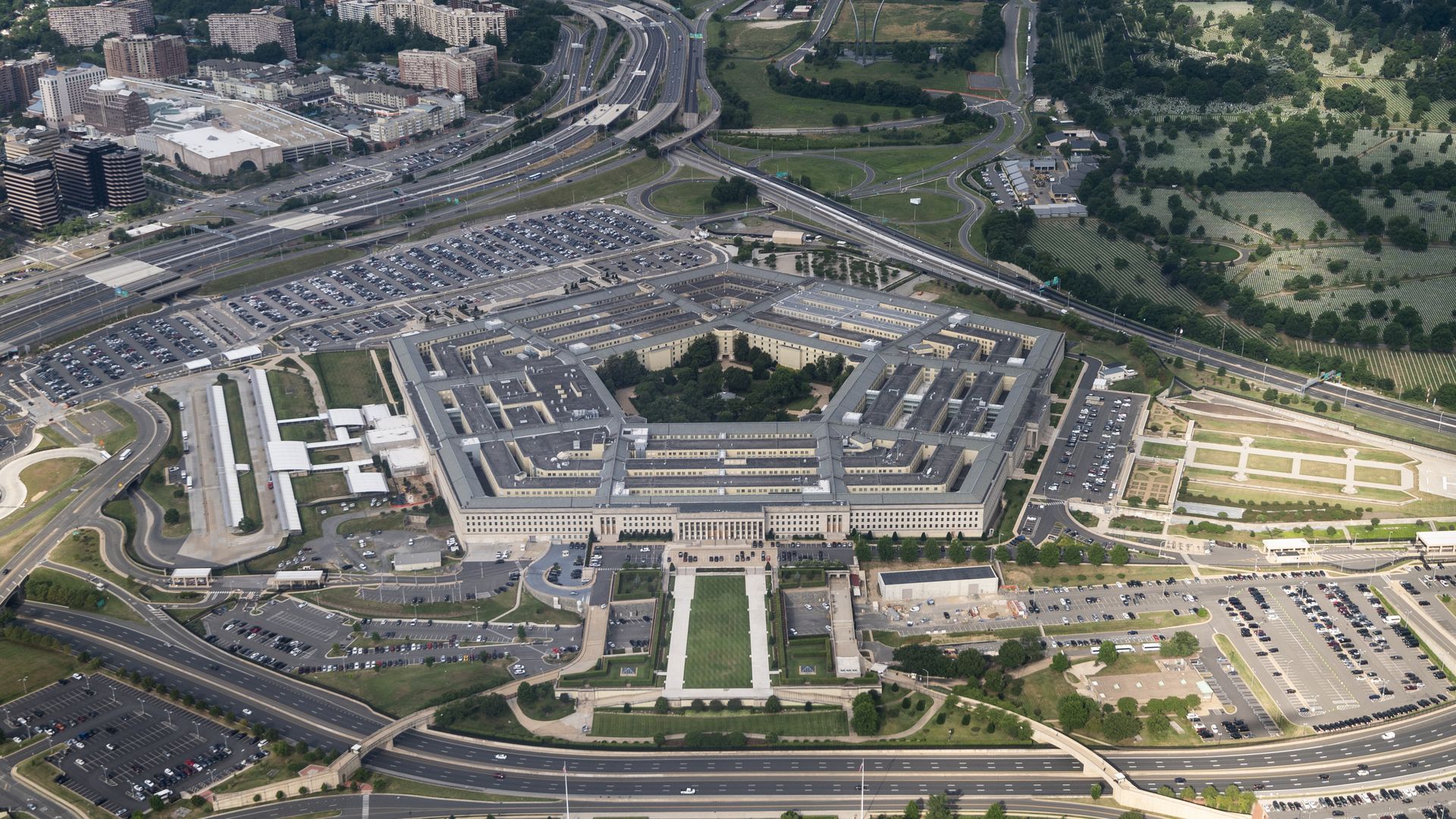
The Department of Defense reaffirmed its cloud-computing contract with Microsoft on Friday intended to upgrade the Pentagon’s IT infrastructure, according to CNBC.
Why it matters: The contract, the largest-ever of its kind with an estimated value of roughly $10 billion over a 10-year stretch, has been disputed in court by Amazon for months. The company claims that President Trump cut it and chief executive Jeff Bezos out of the Joint Enterprise Defense Infrastructure (JEDI) deal.
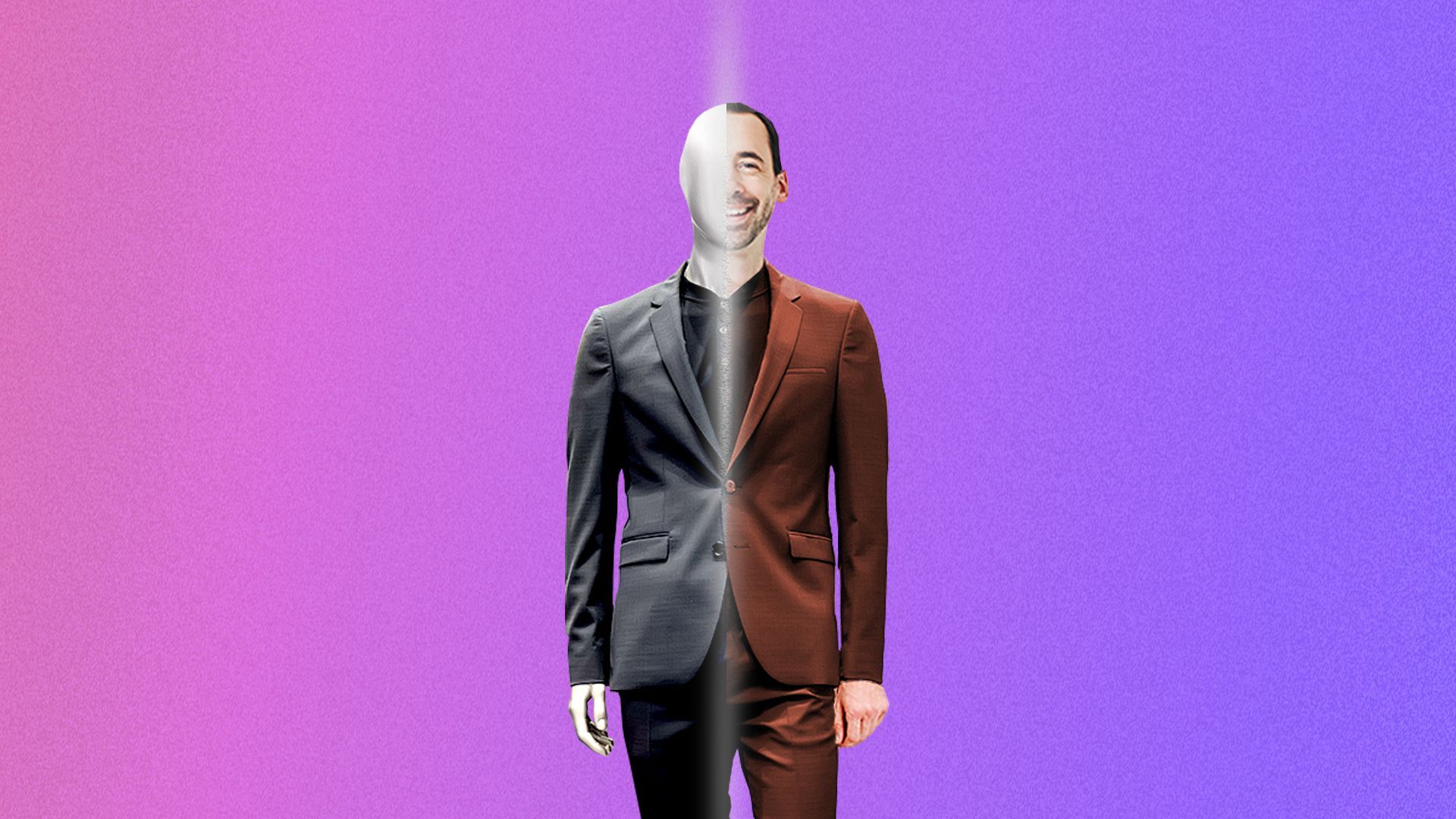
The run-up to the U.S. presidential election is also speeding up the arrival of a tipping point for digital fakery in politics, Axios' Ashley Gold reports.
What's happening: As the election, a pandemic and a national protest movement collide with new media technology, this political moment is accelerating the proliferation and evolution of deliberately deceptive media, leaving companies struggling to enforce often-vague policies.
Gig-economy companies have long argued that their workers place high value on the freedom to choose their own hours. But many of these firms either used to schedule workers for shifts — or still do, to some extent.
Why it matters: The companies are fighting efforts to force them to reclassify workers as employees, arguing that a rigid work model is incompatible with their operations.
Mark Zuckerberg tells "Axios on HBO" that Facebook is imposing new election rules to deter use of the platform to spread of misinformation and even violence, and to help voters see the results as "legitimate and fair."
Driving the news: The new measures, announced Thursday, include throwing a flag on posts by candidates who claim premature victory, and forbidding new ads within a week of Election Day.
After users flagged a Facebook event page for a militia counterprotest in Kenosha, Wisconsin, the page, filled with comments promoting violence, vanished from the social network. Facebook told the world it had taken down both the event page and the group that sponsored it.
Yes, but: As BuzzFeed News reports, the group itself had deleted the event page before Facebook shut the group down. That contradicts what CEO Mark Zuckerberg told a company meeting soon after the controversy, as the company now concedes.
Apple is delaying implementation of a new policy requiring iOS app developers to get opt-in consent before tracking user activity that some firms rely on to target ads.
Why it matters: The policy, originally intended to come with the release of iOS 14 this month, had some developers, particularly mobile game-makers, worried that they'd see a major drop-off in revenue. Facebook publicly took Apple to task over the change.
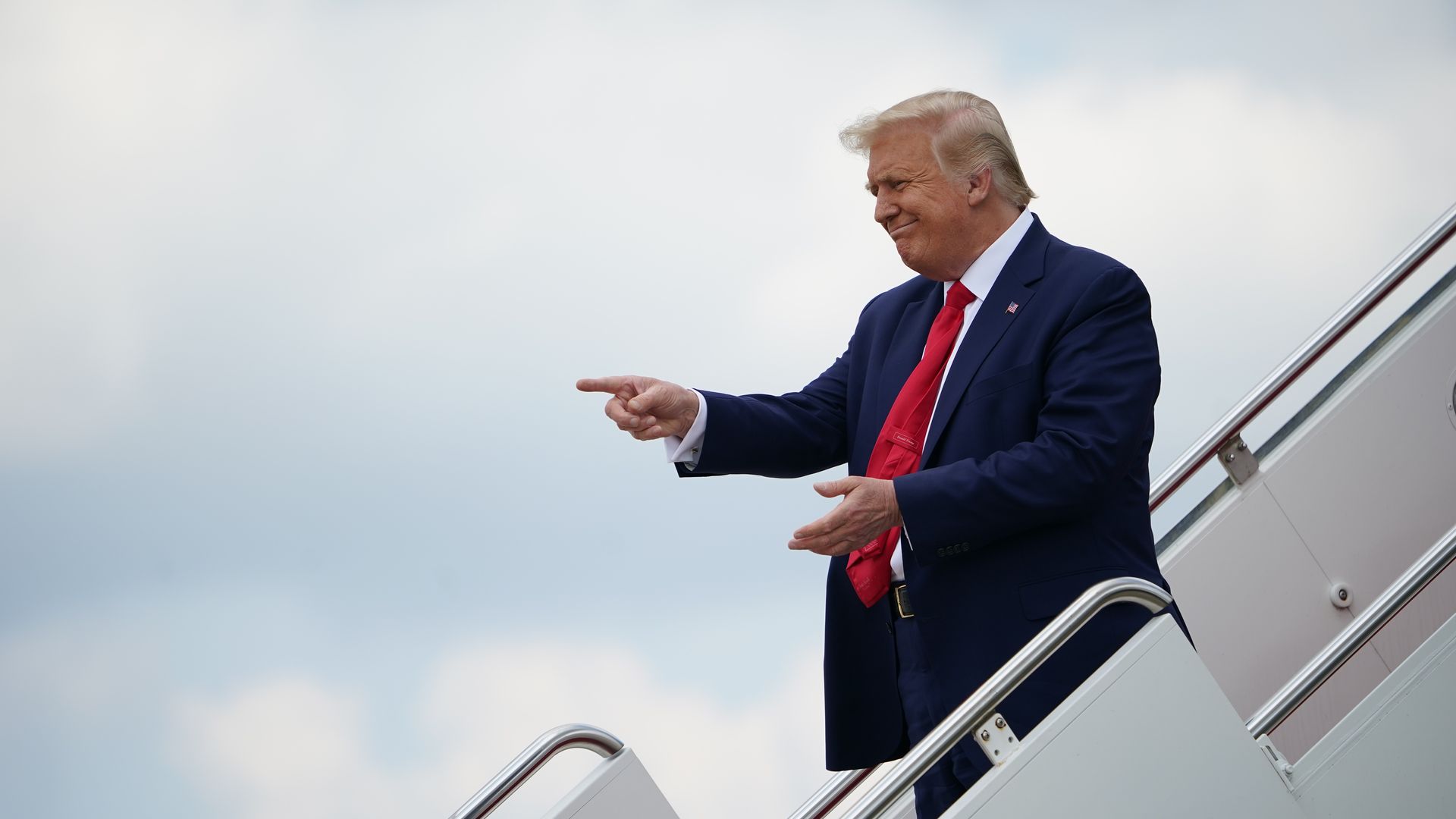
Facebook, citing its policies against voter fraud, will take down a video of President Trump suggesting people vote twice in North Carolina if it's being shared approvingly, the company said Thursday.
Yes, but: It hasn't taken down any instances of the video yet. Facebook said people are fine to post it if they include context around Trump's comments.
There are few positions more uncomfortable nowadays than being an American company reliant on China. But reconfiguring supply chains is far from easy.
The big picture: A recent McKinsey report showed almost all industries at risk of supply-chain disruption. The exceptions are largely regional industries like glass, cement, and food.
The FCC has wrapped up its latest spectrum auction, with Verizon, Dish Network and cable companies among those with the most winning bids.
Why it matters: The auction was for midband 3.5 GHz airwaves — spectrum seen as ideal for 5G — offering a mix of faster speeds with the ability to also offer a wide coverage area.
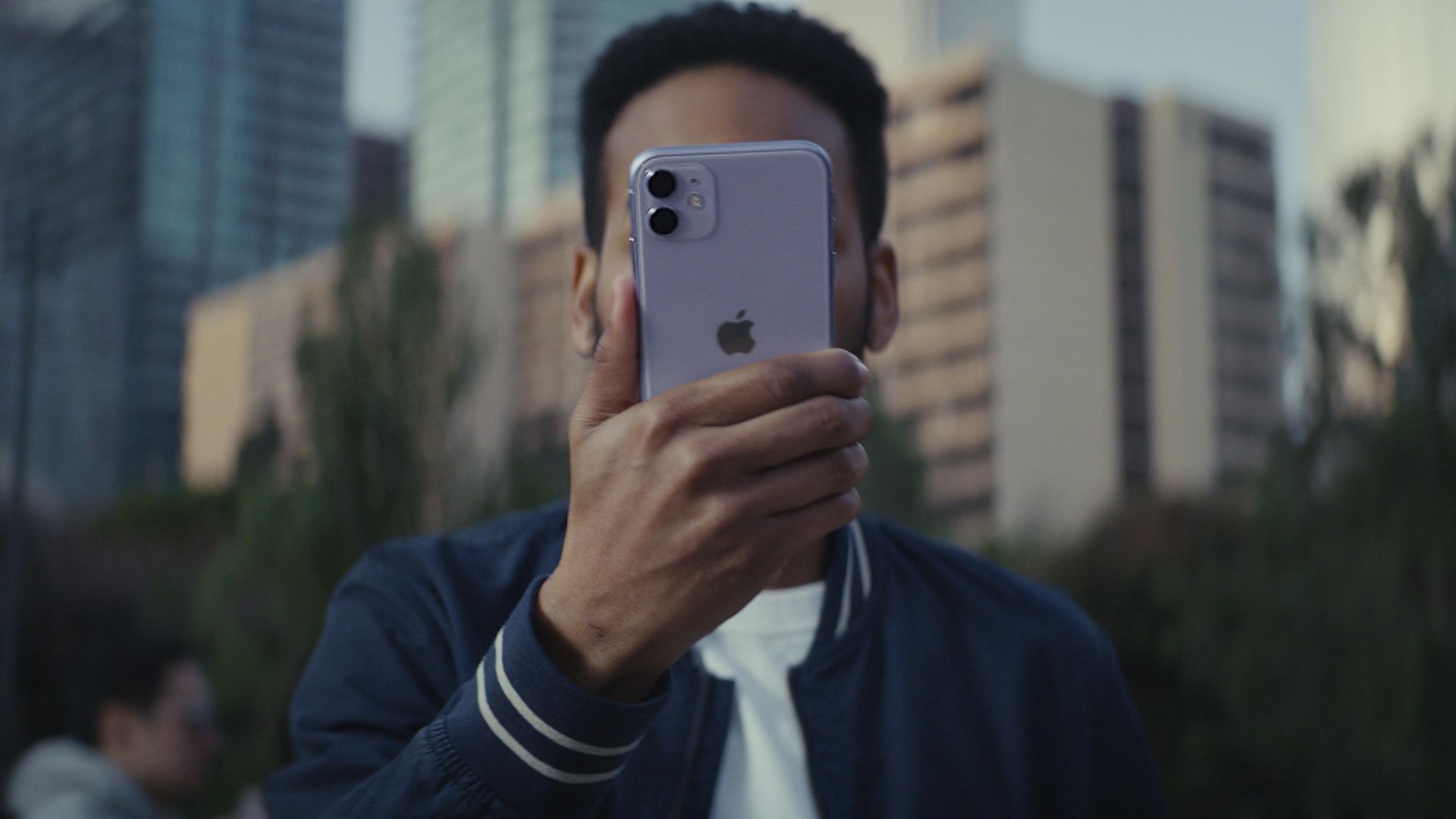
In a new TV ad out today, Apple features people inappropriately blurting out private information in public places.
Why it matters: With this bit of satire, Apple aims to win over consumers with a privacy-first message — and also to paint itself as a force for good amid the public debate over Big Tech's power.
Apple, Google, Cisco and Intel this week sued the U.S. Patent and Trademark Office, challenging the agency's recent rule that it can refuse to adjudicate patent claims while litigation about them is pending in court.
Why it matters: The companies say the rule hurts innovation and their legal rights, letting invalid patents stay on the books while lawsuits slowly wend their way through court.
Facebook said Thursday that it will no longer accept new political ads for the week leading up to Election Day. It will also label posts from candidates who claim victory prematurely and will direct users to the official results.
Why it matters: It's the most aggressive effort Facebook has made to date to curb manipulation in the days leading up to the U.S. election.
Big Tech is holding dry runs to game out Election Day chaos scenarios, key participants tell Axios.
Axios has learned that Facebook, Google, Twitter and Reddit are holding regular meetings with one another, with federal law enforcement — and with intelligence agencies — to discuss potential threats to election integrity.
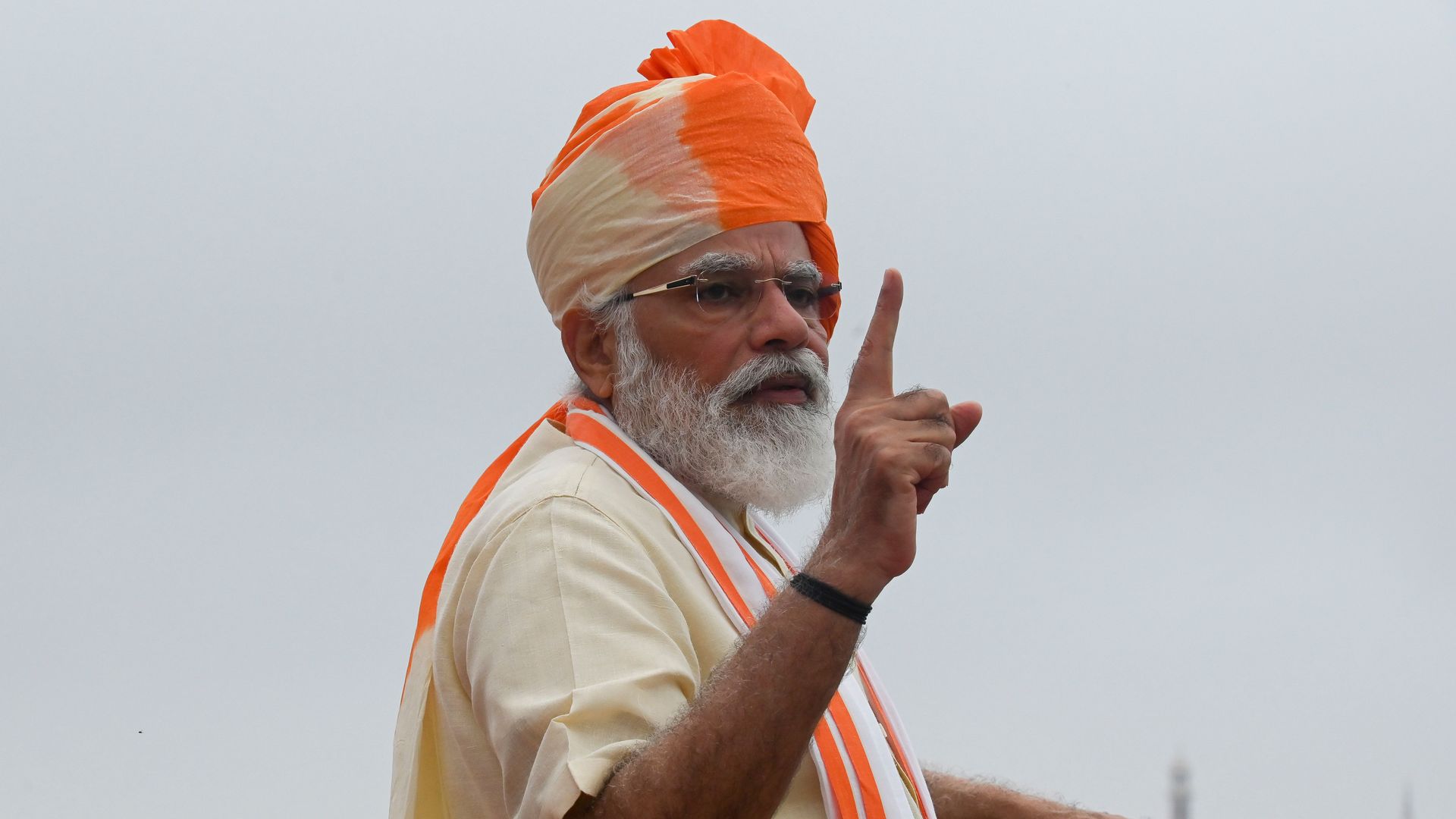
Twitter confirmed on Wednesday night that Indian Prime Minister Narendra Modi's personal account has been hacked, with tweets that have since been taken down asking his 2.5 million followers to donate to a cryptocurrency relief fund.
Why it matters: This hacking follows a similar cryptocurrency scam in July, when hackers took over the accounts of Joe Biden, Barack Obama, Elon Musk, Bill Gates and other notable figures.
What they're saying: Twitter said in a statement it's "actively investigating" the hacking of @narendramodi_in. "At this time, we are not aware of additional accounts being impacted," it said.