Three individuals were charged on Friday for their alleged roles in a July 15 Twitter attack, including a Florida minor, according to the Justice Department.
Why it matters: The minor, a Tampa resident, faces 30 felony charges for “scamming people across America” as the “mastermind” behind a hack that targeted high-profile accounts, including former President Barack Obama, former Vice President Joe Biden, Jeff Bezos and Elon Musk.
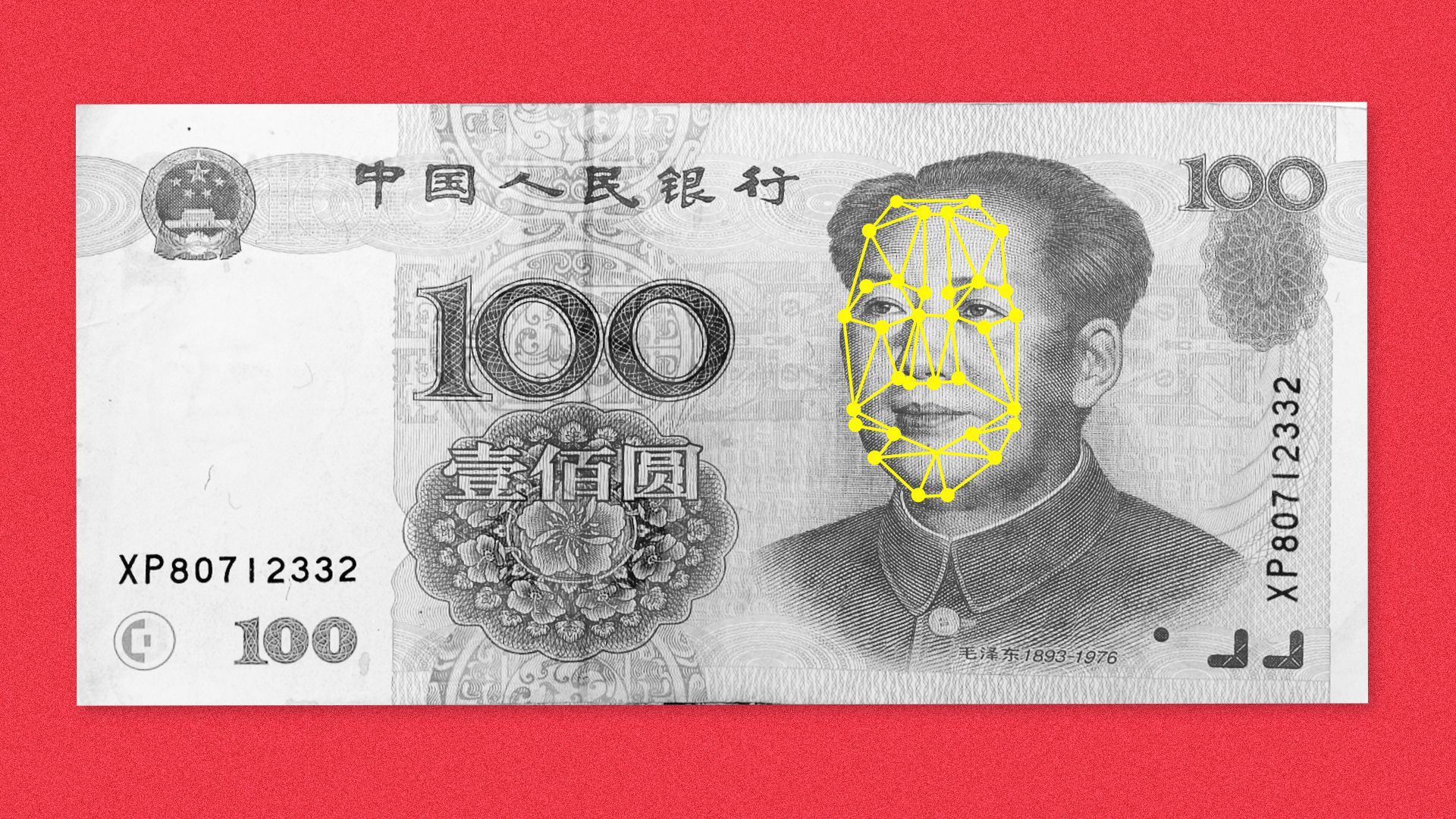
SenseTime, a Chinese developer of facial recognition technologies, is wrapping up a $1.5 billion funding round at a $10 billion valuation and is in talks to list on China’s STAR market, per Reuters.
Why it matters: This is the company’s first fundraise since being placed on a U.S. blacklist for alleged involvement in human rights abuses against Uyghur Muslims in China. It previously raised nearly $3 billion, including from U.S.-based firms like Fidelity, Glade Brook, Qualcomm Ventures, and Silver Lake Partners.
The Trump administration plans to sign an order directing China-based ByteDance to divest its U.S.-based video sharing app TikTok, which is already in talks to be acquired by Microsoft, according to news reports Friday.
Why it matters: The U.S. since last year has been reviewing national security risks of ByteDance's control of TikTok, recently valued at $50 billion. This order would require ByteDance to cede majority control of TikTok, Bloomberg reports, citing people familiar with the matter. The order could come as early as Friday.
Google is updating its ads policies to prohibit domestic advertisers that use spammy tactics to conceal their identities and to ban international advertisers that use ads to promote illegally hacked or obtained political material — like stolen campaign emails.
Why it matters: Google alludes to the crackdowns in its existing ads policy, but the company is stating them more explicitly in an effort to rein in political and election misinformation ahead of the election.
While the rest of the U.S. economy was falling off a cliff, Big Tech saw its business soar.
The big picture: Thursday morning, government economists reported a 30% drop in GDP for the second quarter — the largest decline, by far, since the numbers have been reported.
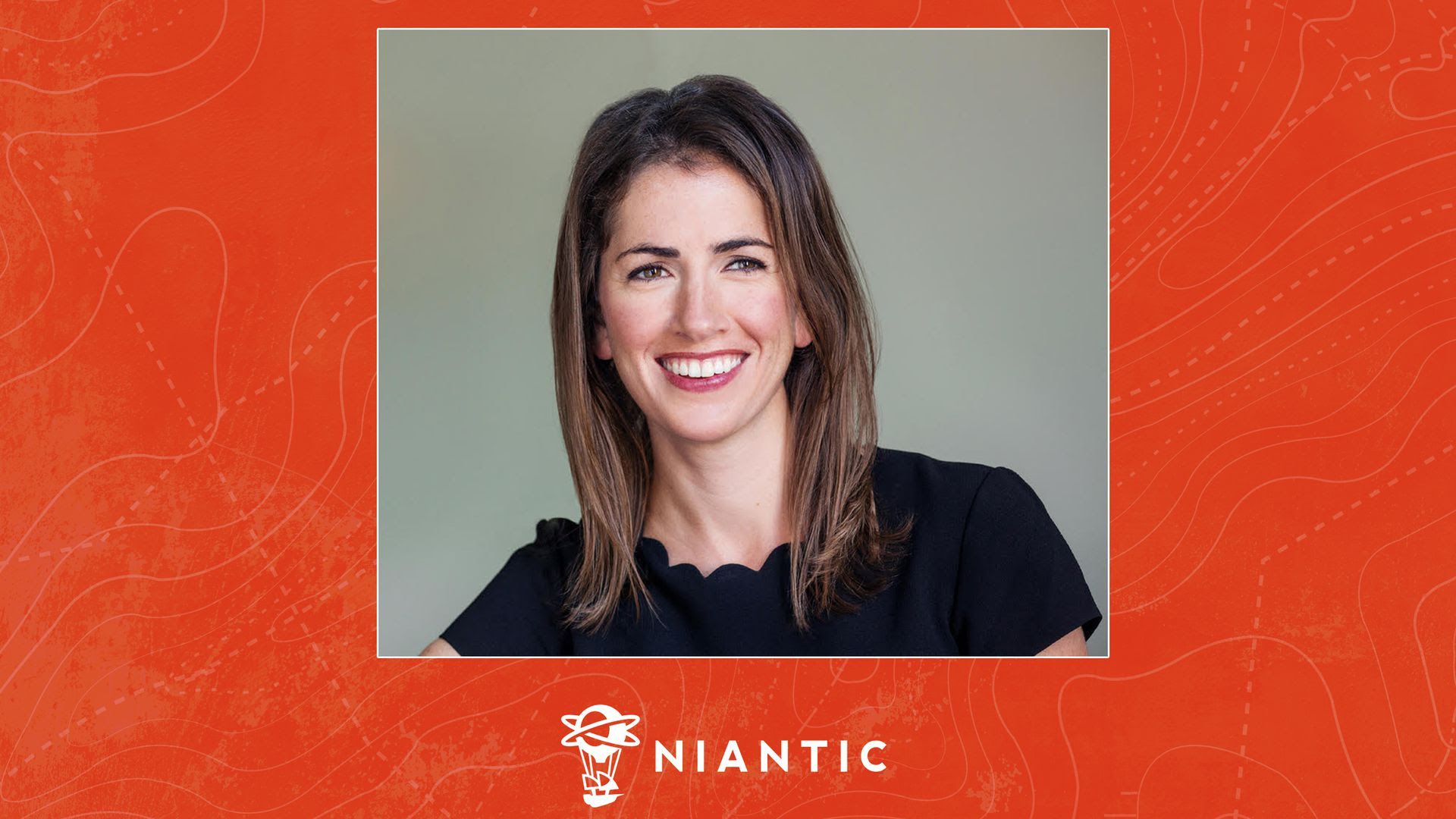
The pandemic has disrupted businesses everywhere — just ask Niantic, maker of location-based games like Pokemon Go that typically rely on getting out of the house to move around, often in groups.
The big picture: Companies have to move fast to adjust to the current reality. For Niantic, COO Megan Quinn tells Axios, that means keeping its games playable during the pandemic, while also building toward the augmented-reality future it envisions.
A new draft code of conduct released on Thursday by officials in Australia would require tech giants like Google and Facebook to start paying news companies to distribute their content.
Why it matters: If Australia adopts the plan and it becomes a model for others around the world, such measures could offer a significant boost to the news industry, especially local news, as it faces financial decline.
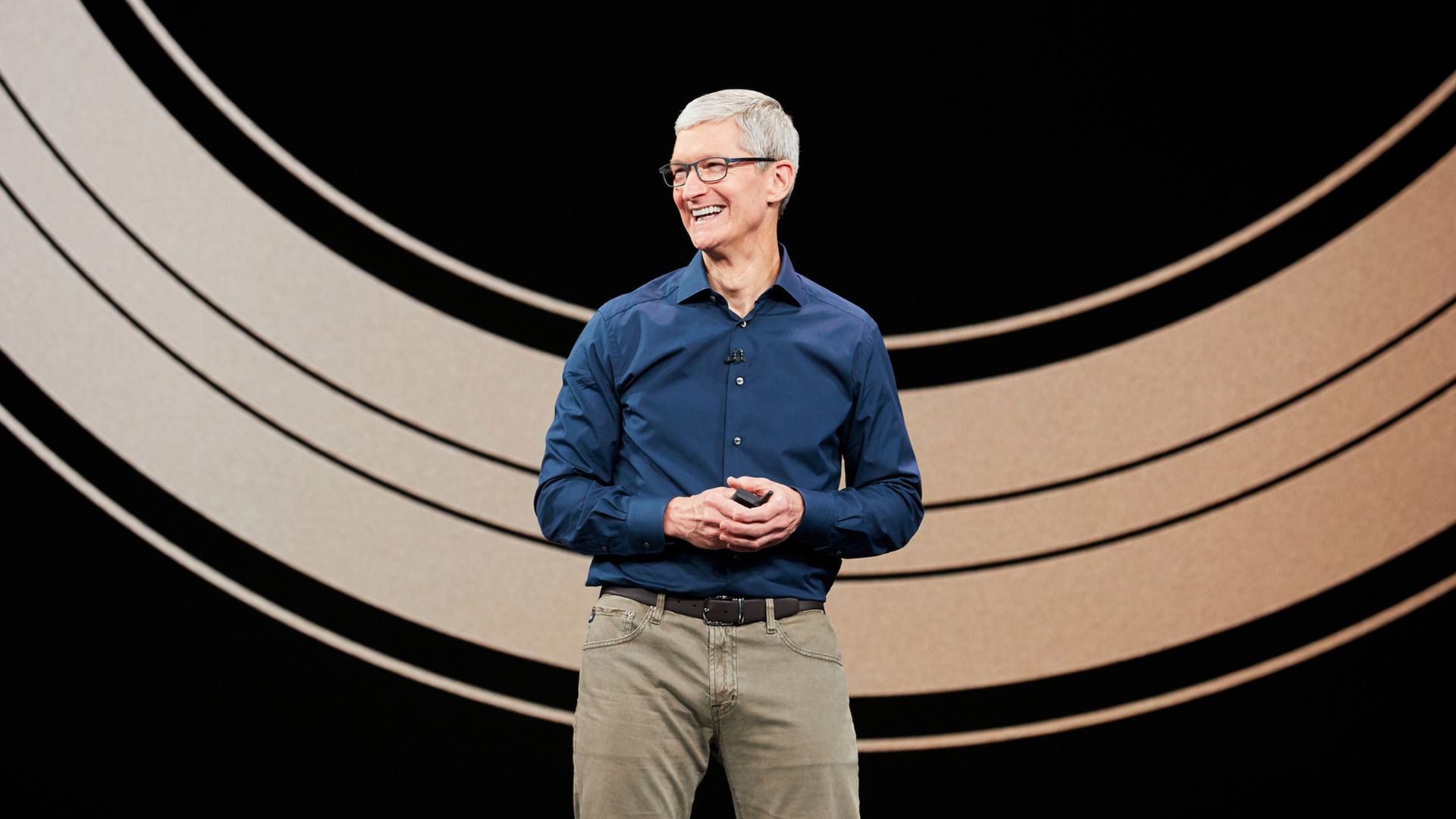
Apple's financial chief said Thursday that this year's new iPhone models will arrive a few weeks later than they have in years past, confirming earlier news reports and supplier comments.
Why it matters: The move means some revenue that typically comes at the end of September won't come until the final quarter of the year, but also reassures investors and customers that the delay won't be longer.
Alphabet revenue dropped 2% from last year, the company announced in second-quarter earnings Thursday, beating Wall Street expectations a day after Google CEO Sundar Pichai appeared before the House Judiciary antitrust subcommittee to face allegations of anticompetitive behavior.
Yes, but: Despite beating expectations on revenue, the company still reported its first-ever decline, thanks to a reduction in the advertising growth rate thanks to the coronavirus pandemic. Stock rose slightly in after-hours trading.
Amazon smashed top- and bottom-line analyst expectations in the second quarter, sending shares climbing in after-hours trading Thursday.
The big picture: The earnings report suggests Amazon's growth and dominance are only expanding, just as calls to rein in the company rise from Washington.
Facebook's stock was up more than 6% in after-hours trading on Thursday, after the tech giant reported strong revenue growth, despite a global ad slowdown due to the pandemic and a growing advertiser boycott.
Why it matters: Facebook's ability to beat top and bottom line revenue expectations amid the coronavirus crisis and the boycott speaks to the strength of the company's appeal to marketers despite serious challenges.
Triller, a short-video making app, sued rival TikTok for allegedly infringing on some of its patents.
Why it matters: This is the latest in a series of problems for TikTok, which is battling government and corporate critics of its ties to China. It's also the latest in the intellectual property wars among apps, following the dispute between Eko and Quibi.
The Census Bureau has placed a big bet on digital outreach, especially on social media networks, as it enters the last big push to get people to respond to the 2020 count.
The big picture: Not only is this year the first online census count, it's also a giant experiment in how to reach people virtually in a fragmented media environment during a public health crisis that sidelined in-person field operations.
Rep. David Cicilline (D-R.I.), who ended Wednesday's hearing by saying some Big Tech companies need to be broken up, told Axios that Facebook in particular lacks significant competitors and should not have been allowed to buy Instagram and WhatsApp.
Why it matters: Cicilline chairs the antitrust subcommittee, which has been looking into competition issues in the digital space.
General Electric on Thursday will announce an agreement to sell investments in eleven startups to 40 North Ventures, an affiliate of Standard Industries.
Why it matters: GE was once among the most active corporate investors in startups, but now is in exit mode.
Congress' antitrust hearing featuring TikTok's biggest rivals didn't stop the Chinese-owned karaoke app from grabbing some of the spotlight Wednesday.
Driving the news: TikTok debuted its biggest Washington offensive yet, releasing its new CEO's first public statement and sending letters to the Hill from the new head of its policy office. Meanwhile, Treasury Secretary Steve Mnuchin confirmed TikTok was under national security review, and President Trump said he's looking at banning the app.
House lawmakers aired an enormous array of grievances with the CEOs of Facebook, Google, Amazon and Apple Wednesday, throwing everything in their arsenal at four of the most powerful men in the world for six hours.
Quick take: The antitrust hearing didn't nail a case that these companies are harmful monopolies. But the representatives succeeded in wringing some surprising admissions from the executives about how they wield their market power, providing ammunition for regulators now conducting investigations — and possibly a spur for Congress to strengthen antitrust law for the digital era.
Chief executives of Apple, Amazon, Facebook and Google testified in front of a House Judiciary subcommittee on Wednesday, ostensibly about antitrust issues. It was the highest-profile showdown to date in the increasingly fraught relationship between Washington, D.C., and Silicon Valley, which could culminate in efforts to break up one, or more, of the companies.
Axios Re:Cap speaks with Rep. David Cicilline (D-R.I.), chair of the subcommittee on antitrust, about what he learned, why he wanted the quartet to testify together, and which companies he thinks should be broken up.