President Trump "has a deal on his desk," whereby Microsoft would lead an acquisition of 100% of the U.S. operations of TikTok, according to a source familiar with the negotiations.
Why it matters: Trump Friday night said he plans to ban TikTok, as India has done, over concerns that the app could be sharing U.S. user data with the Chinese government.
Instagram is in the midst of a transformation — what was once the place to share photos of food and social outings is quickly becoming a hub for information and advocacy.
Why it matters: Text, infographics and topical illustrations are exploding on Instagram as the pandemic and racial justice movement brought purpose and focus to its millions of users, supercharging the urgency to get educated and share useful information.
President Trump said Friday that he plans to ban Chinese video app TikTok as soon as Saturday, via either executive order or emergency economic powers, according to White House press pool comments.
Why it matters: TikTok has been caught in the crossfires of the United States' escalating tensions with China.
Three individuals were charged on Friday for their alleged roles in a July 15 Twitter attack, including a Florida minor, according to the Justice Department.
Why it matters: The minor, a Tampa resident, faces 30 felony charges for “scamming people across America” as the “mastermind” behind a hack that targeted high-profile accounts, including former President Barack Obama, former Vice President Joe Biden, Jeff Bezos and Elon Musk.
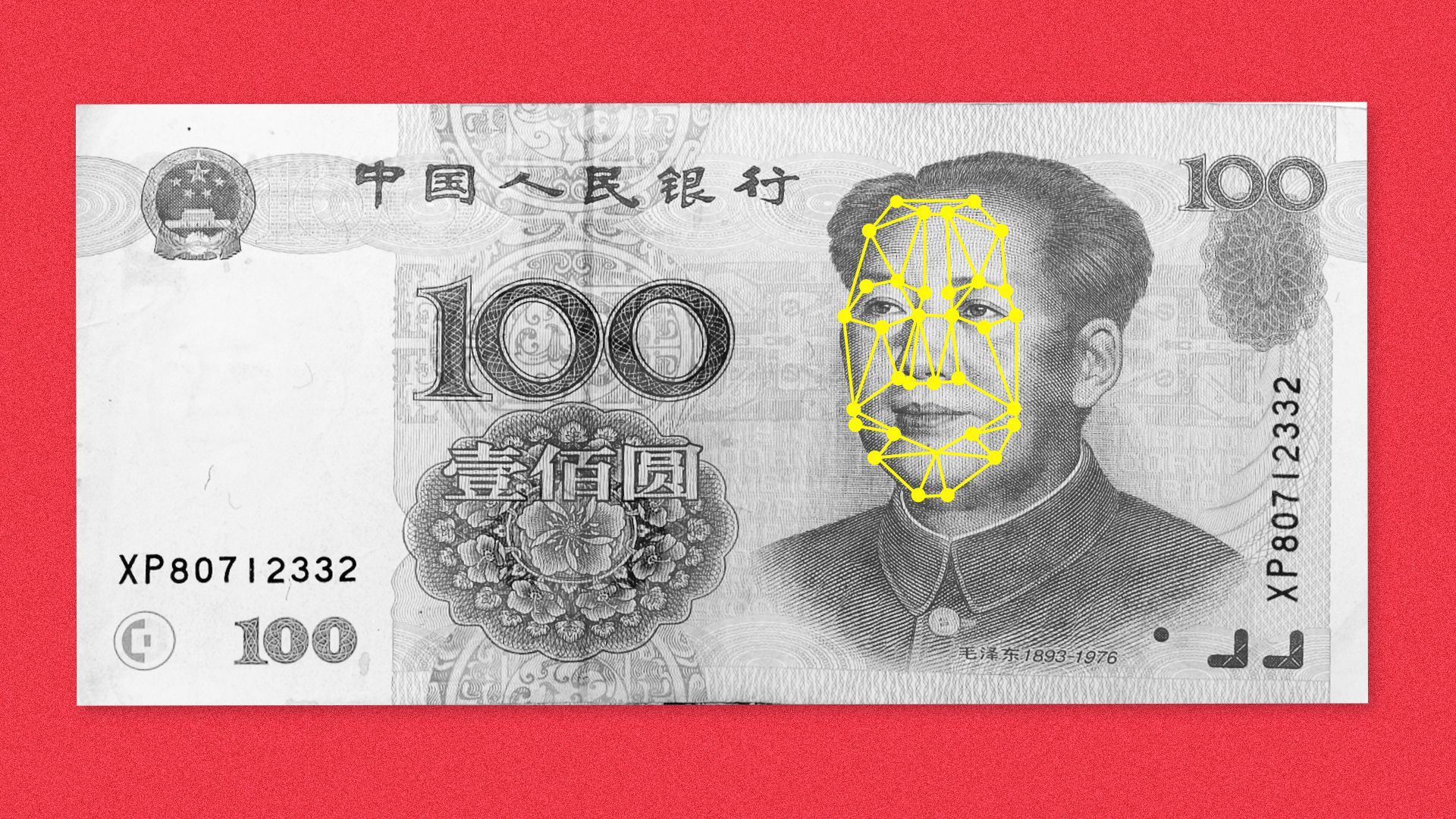
SenseTime, a Chinese developer of facial recognition technologies, is wrapping up a $1.5 billion funding round at a $10 billion valuation and is in talks to list on China’s STAR market, per Reuters.
Why it matters: This is the company’s first fundraise since being placed on a U.S. blacklist for alleged involvement in human rights abuses against Uyghur Muslims in China. It previously raised nearly $3 billion, including from U.S.-based firms like Fidelity, Glade Brook, Qualcomm Ventures, and Silver Lake Partners.
The Trump administration plans to sign an order directing China-based ByteDance to divest its U.S.-based video sharing app TikTok, which is already in talks to be acquired by Microsoft, according to news reports Friday.
Why it matters: The U.S. since last year has been reviewing national security risks of ByteDance's control of TikTok, recently valued at $50 billion. This order would require ByteDance to cede majority control of TikTok, Bloomberg reports, citing people familiar with the matter. The order could come as early as Friday.
Google is updating its ads policies to prohibit domestic advertisers that use spammy tactics to conceal their identities and to ban international advertisers that use ads to promote illegally hacked or obtained political material — like stolen campaign emails.
Why it matters: Google alludes to the crackdowns in its existing ads policy, but the company is stating them more explicitly in an effort to rein in political and election misinformation ahead of the election.
While the rest of the U.S. economy was falling off a cliff, Big Tech saw its business soar.
The big picture: Thursday morning, government economists reported a 30% drop in GDP for the second quarter — the largest decline, by far, since the numbers have been reported.
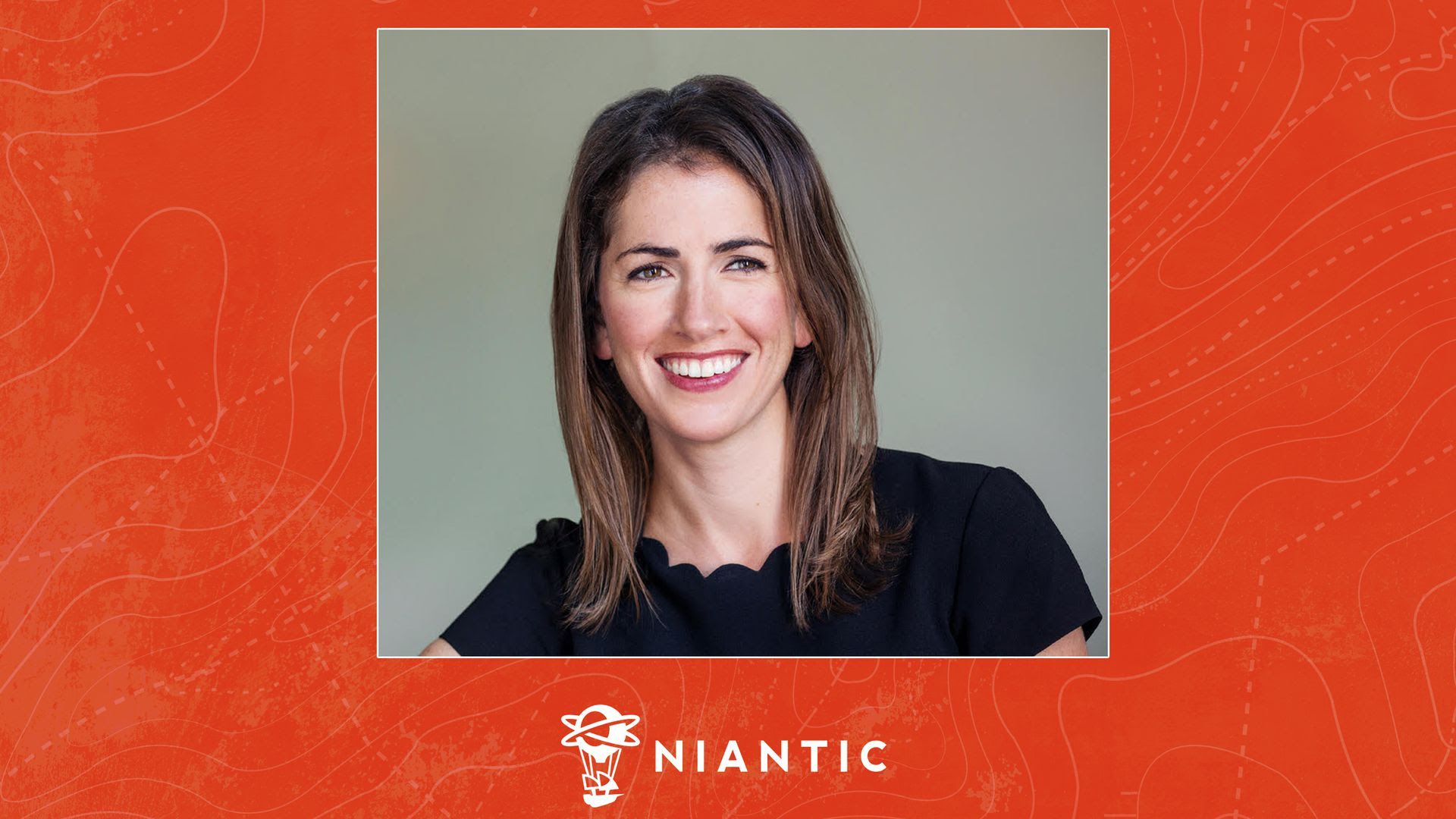
The pandemic has disrupted businesses everywhere — just ask Niantic, maker of location-based games like Pokemon Go that typically rely on getting out of the house to move around, often in groups.
The big picture: Companies have to move fast to adjust to the current reality. For Niantic, COO Megan Quinn tells Axios, that means keeping its games playable during the pandemic, while also building toward the augmented-reality future it envisions.
A new draft code of conduct released on Thursday by officials in Australia would require tech giants like Google and Facebook to start paying news companies to distribute their content.
Why it matters: If Australia adopts the plan and it becomes a model for others around the world, such measures could offer a significant boost to the news industry, especially local news, as it faces financial decline.