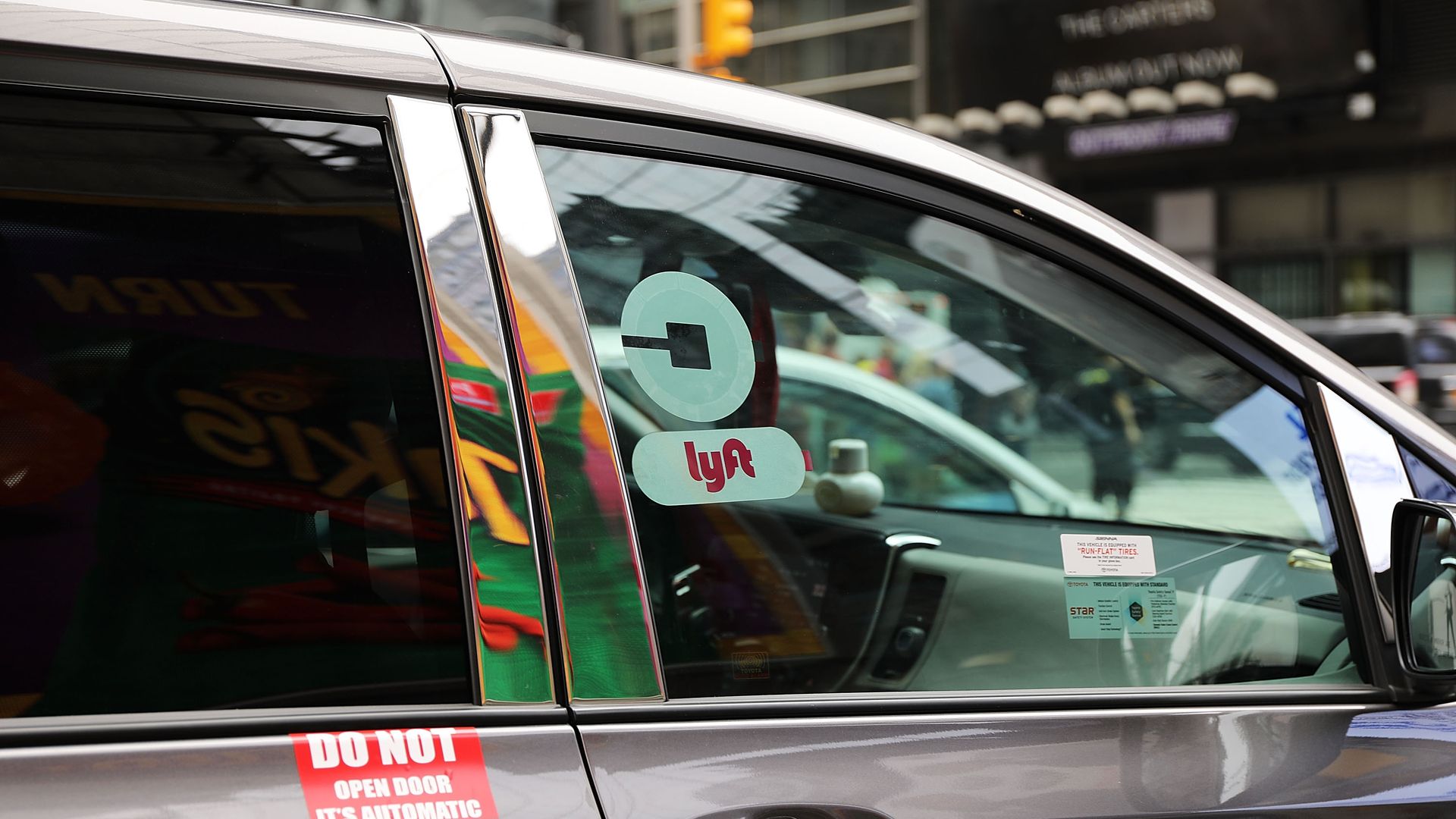
New York must immediately start paying unemployment benefits to ride-hailing drivers, a federal judge ruled Tuesday.
Why it matters: This is the latest victory for Uber and Lyft drivers who have waged a lengthy campaign pushing for benefits comparable to those received by traditional workers. Previous New York rulings have established that drivers are eligible for unemployment benefits.
Microsoft is just as giant as the other Big Tech firms participating in tomorrow's House antitrust hearing, but a longtime former executive believes it's successfully dodged scrutiny on the issue because of its past antitrust battles.
"Microsoft has done a nice job staying out of the crosshairs on antitrust stuff because they've been through it," Kevin Turner, Microsoft's chief operating officer between 2005 and 2016, tells Axios. "A lot of people want energy over experience, but in the legal area I think experience matters."
Next year's CES electronics show will be virtual, a reversal from earlier plans to press on with the event in person despite the coronavirus pandemic.
Why it matters: The CES trade show in Las Vegas each January is one of tech's biggest global events. Its cancellation as an in-person affair signals extended tech industry skepticism that the U.S. will return to normal by this winter.
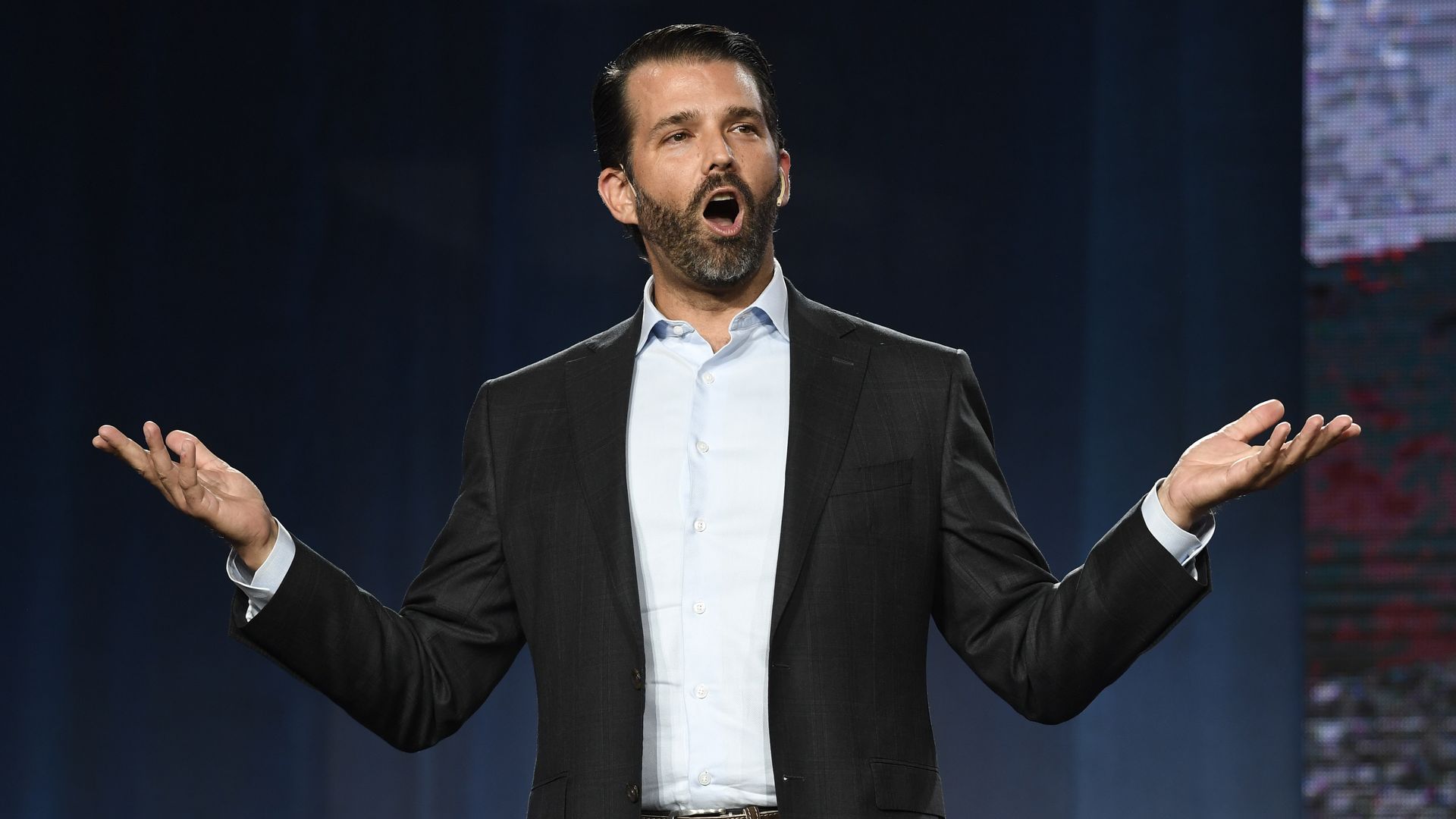
Twitter temporarily prevented Donald Trump Jr. from tweeting and retweeting on Tuesday after the president's son shared coronavirus-related misinformation.
Why it matters: The 12-hour hold — set off by a video touting hydroxychloroquine — is one of the toughest moves yet against a member of the Trump inner circle by the social media platform.
The debate in Washington is heating up again this week over whether and how to update Section 230 of the Communications Decency Act, which immunizes online platforms against lawsuits over moderation practices and user-posted content.
Why it matters: Chipping away at the shield may be a more potent threat to the tech industry than stepped-up antitrust enforcement. It can be done in one fell legislative swoop — as happened two years ago — rather than requiring lengthy, uncertain court proceedings.
Why it matters: Nobody knows when it will be safe for a mass return to the office. Telling workers when they can expect to remain working from home allows them to make plans, especially with many school districts starting the year with remote learning.
Either Big Tech's top companies preside benignly over healthily competitive markets, or they ruthlessly exploit their power to crush upstarts and challengers.
The big picture: Which conclusion you draw will depend upon where you dip into the slew of new studies, polls and policies the firms and their critics are unleashing ahead of Wednesday's historic congressional testimony by the CEOs of Facebook, Google, Amazon and Apple.
Organizers of the #StopHateforProfit advertising boycott say Facebook's ability to withstand their campaign suggests a competition problem and are urging House antitrust investigators to press CEO Mark Zuckerberg on the issue Wednesday.
Why it matters: If the boycott isn't enough to get Facebook and other social media platforms to take firmer action against hate speech, its organizers are hoping pressure from Washington will get results.
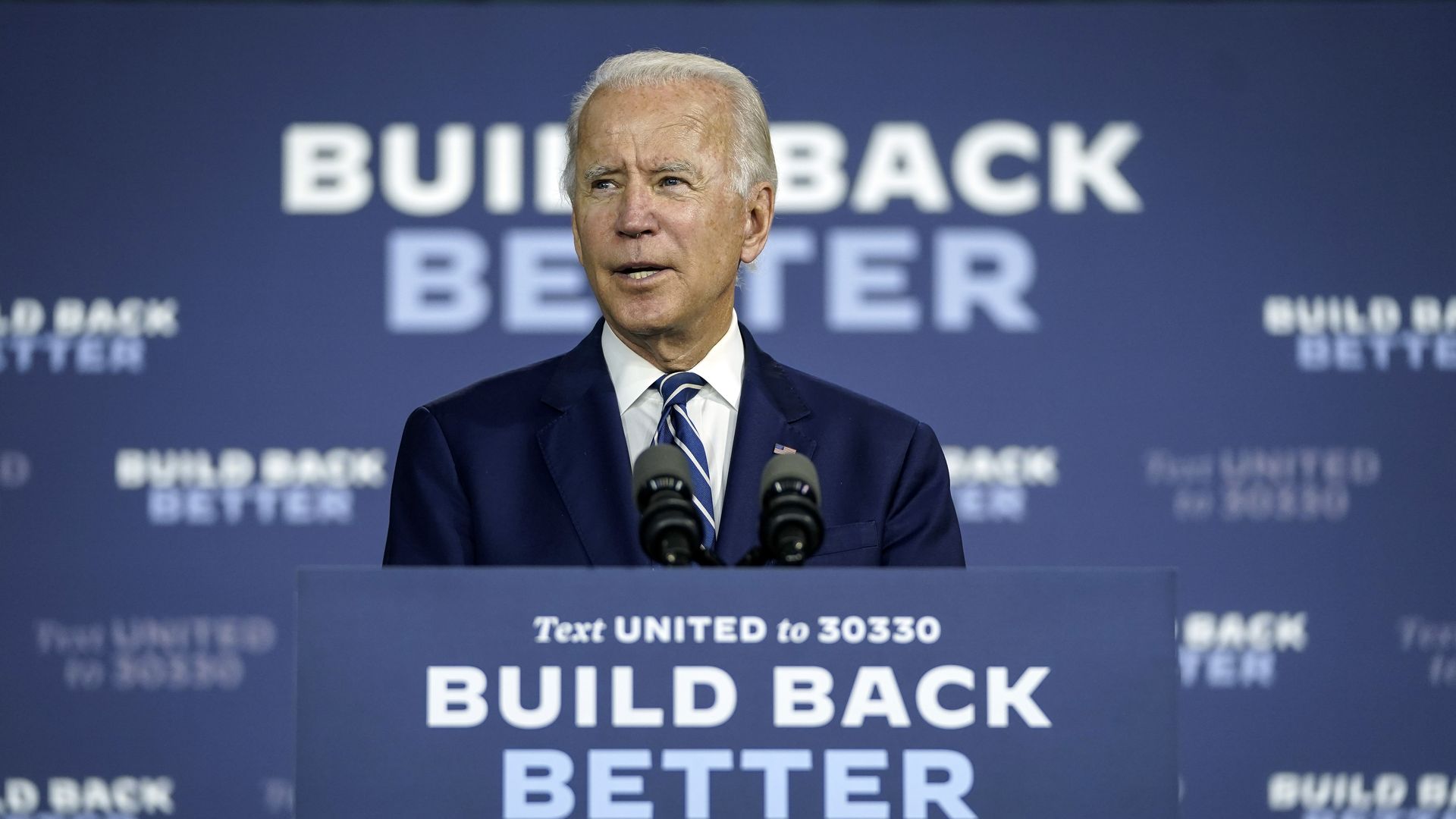
Joe Biden's campaign is asking staffers to delete TikTok from their phones and forbidding them from trading individual stocks without first getting approval from the campaign's general counsel, according to Bloomberg News.
Why it matters: Biden is seeking to draw a contrast with President Trump and members of his family and administration, whom Democrats have accused of profiting from his presidency.
Texas is investigating Facebook for possibly running afoul of state laws on the collection of biometric data, according to June documents uncovered by a tech watchdog group.
The big picture: Texas Attorney General Ken Paxton has emerged as a key tech investigator, and going after Facebook for illegally harvesting biometric data may be a fruitful line of inquiry. Facebook users in Illinois secured a major settlement over the issue.
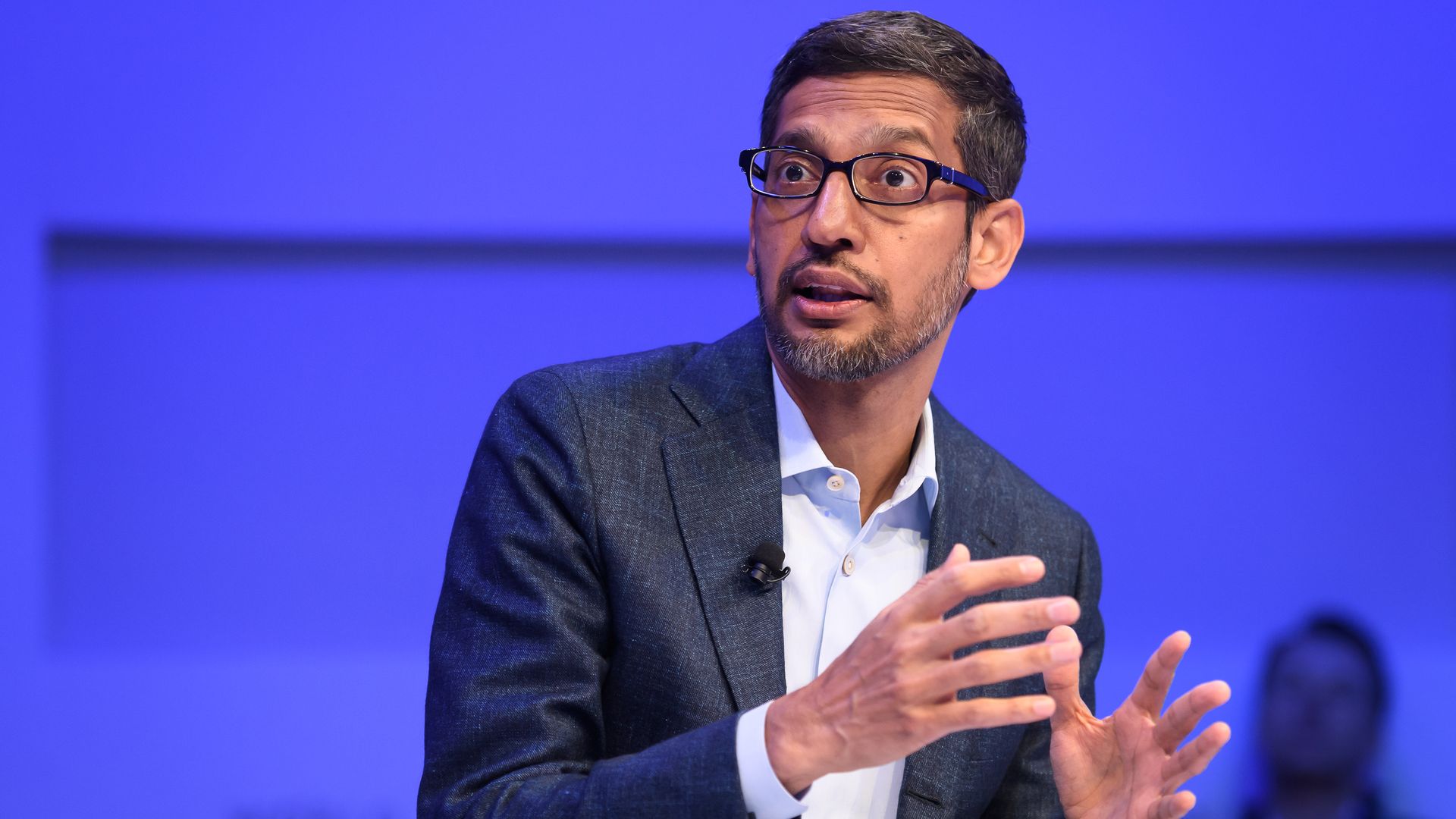
Google will keep its employees out of its offices and working from home through at least next July, the tech giant confirmed on Monday.
Why it matters: It's the first major U.S. company to allow remote work for such an extended period in response to the coronavirus pandemic. The Wall Street Journal first reported on the extension.
The four Big Tech CEOs who will testify before Congress Wednesday command global empires with power and wealth that make them more like countries than companies.
By the numbers: Here are four very large stats for Facebook, Apple, Google/Alphabet and Amazon that tell the story of their value, scale and influence.









/2020/07/27/1595892561311.gif?w=3840)