As companies continue to prepare for the return of their employees to the workplace, they're weighing new types of surveillance in the name of safety.
Why it matters: Just as the coronavirus pandemic has acted as an accelerant for the adoption of remote work, it has also normalized increased surveillance and data collection. In the post-pandemic workplace, our bosses will know a lot more about us than they used to.
Amazon Web Services announced last week it is forming a business division focused on helping government and commercial space entities become more agile and flexible by making use of the cloud.
The big picture: The new division — called the Aerospace and Satellite Solutions business segment — further solidifies Amazon's push into the space sector.
There has been a big uptick in traffic to conservative social media networks like Parler, thedonald.win and Gab over the past few months, according to data from SimilarWeb.
Why it matters: Conservatives are looking to build their own social media platforms, where they can escape from what they feel is baseless censorship of their viewpoints from mainstream social media networks.
Loon, the balloon-based telecom subsidiary from Google parent Alphabet, is working with Telkom Kenya to provide internet service over a 50,000-square-kilometer region in western and central Kenya, a region that has been hard to cover using traditional approaches given its terrain and low population density.
The big picture: The project marks the first large-scale, non-emergency deployment of Loon's service anywhere, as well as the first use of Loon's technology in Africa. It will also serve as an early test of the Loon service's commercial viability.
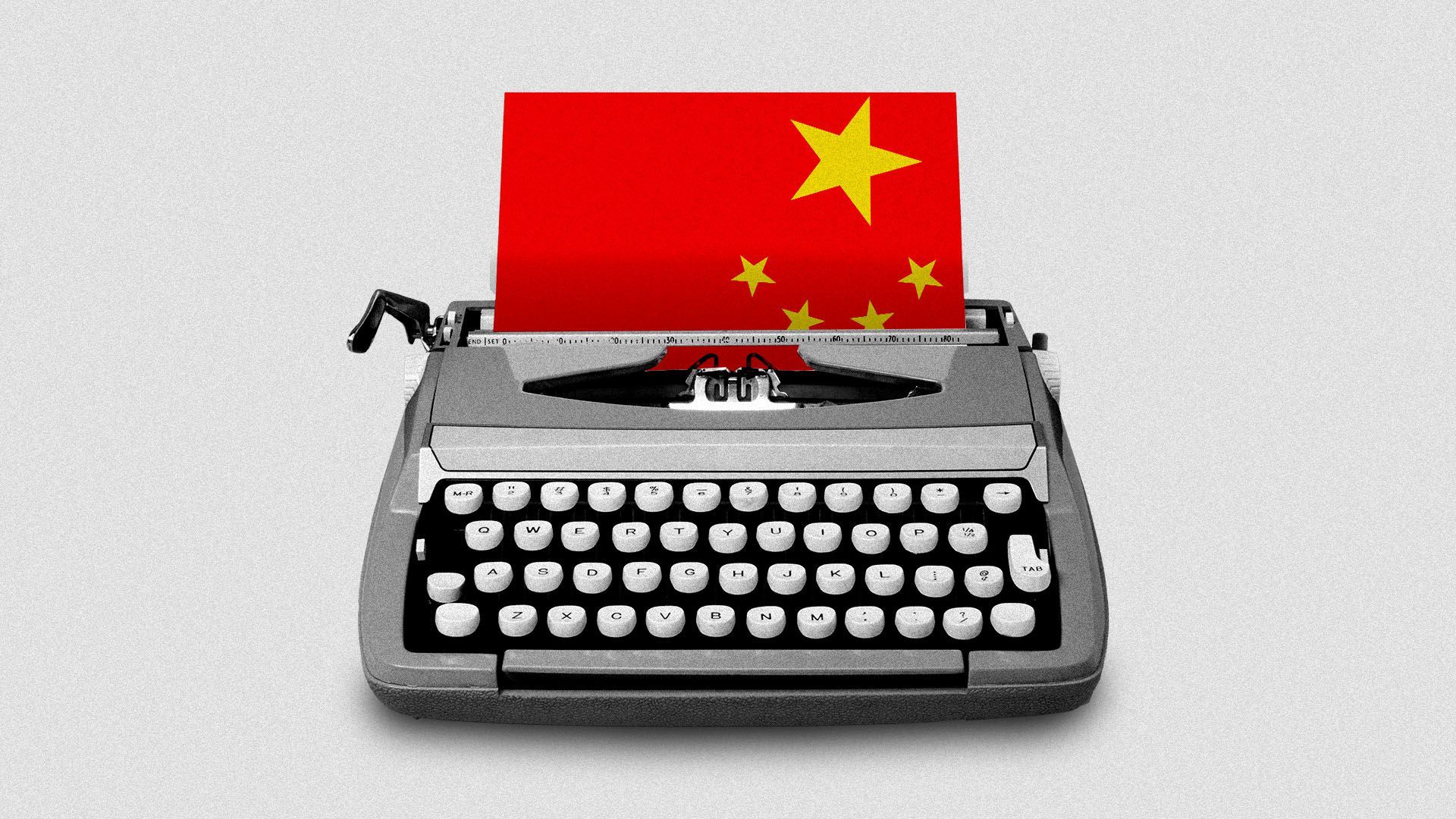
As tensions between the U.S. and China escalate, more U.S. media companies like The Information, Politico and The Wire China are looking to invest in coverage of the country and its technology and business boom.
Why it matters: "It's coverage you have to have if you're a serious tech or business news operation," says Bill Bishop, author of the Sinocism newsletter.
Big Tech companies are scrambling to figure out what China's imposition of a new national security law in Hong Kong means for their businesses there.
The big picture: Tech companies, like other multinationals, had long seen bases in Hong Kong as a way to operate close to China without being subject to many of that country's most stringent laws. Now they likely must choose between accepting onerous data-sharing and censorship requirements, or leaving Hong Kong.
Verishop, the luxury e-commerce site created by former Snapchat Chief Business Officer Imran Khan, expects to sell $50 million of gross merchandise volume in 2020, sources tell Axios. It's also launching a social-shopping experience that will include influencers and a personalized feed of content.
Why it matters: Social media apps like Instagram, Facebook and Snapchat have made efforts over the past few years to offer users a better shopping experience. Verishop is doing the opposite by launching a trusted marketplace first and a social media experience around it second.
Secretary of State Mike Pompeo told Fox News' Laura Ingraham on Monday that the Trump administration is "looking at" a ban on Chinese social media app TikTok.
Facebook CEO Mark Zuckerberg and COO Sheryl Sandberg, facing an ad boycott by more than 500 brands, will hold virtual meetings on Tuesday with civil rights groups who have been key organizers of the #StopHateforProfit campaign.
The state of play: Sandberg will say in a post later that she, Zuckerberg and other execs "are meeting with the organizers of the Stop Hate for Profit campaign followed by a meeting with other civil rights leaders ... including Vanita Gupta from the Leadership Conference on Civil & Human Rights [and] Sherrilyn Ifill from the NAACP Legal Defense Fund."
James M. Miles has been appointed interim CEO of the Open Technology Fund (OTF) by Michael Pack, the new CEO of the U.S. Agency for Global Media (USAGM), sources tell Axios, with an official announcement expected later Tuesday.
Why it matters: The appointment comes after Pack, who took over last month, removed leaders at OTF and other USAGM-affiliated organizations. OTF helps provide tools for dissidents and journalists around the world to securely communicate.
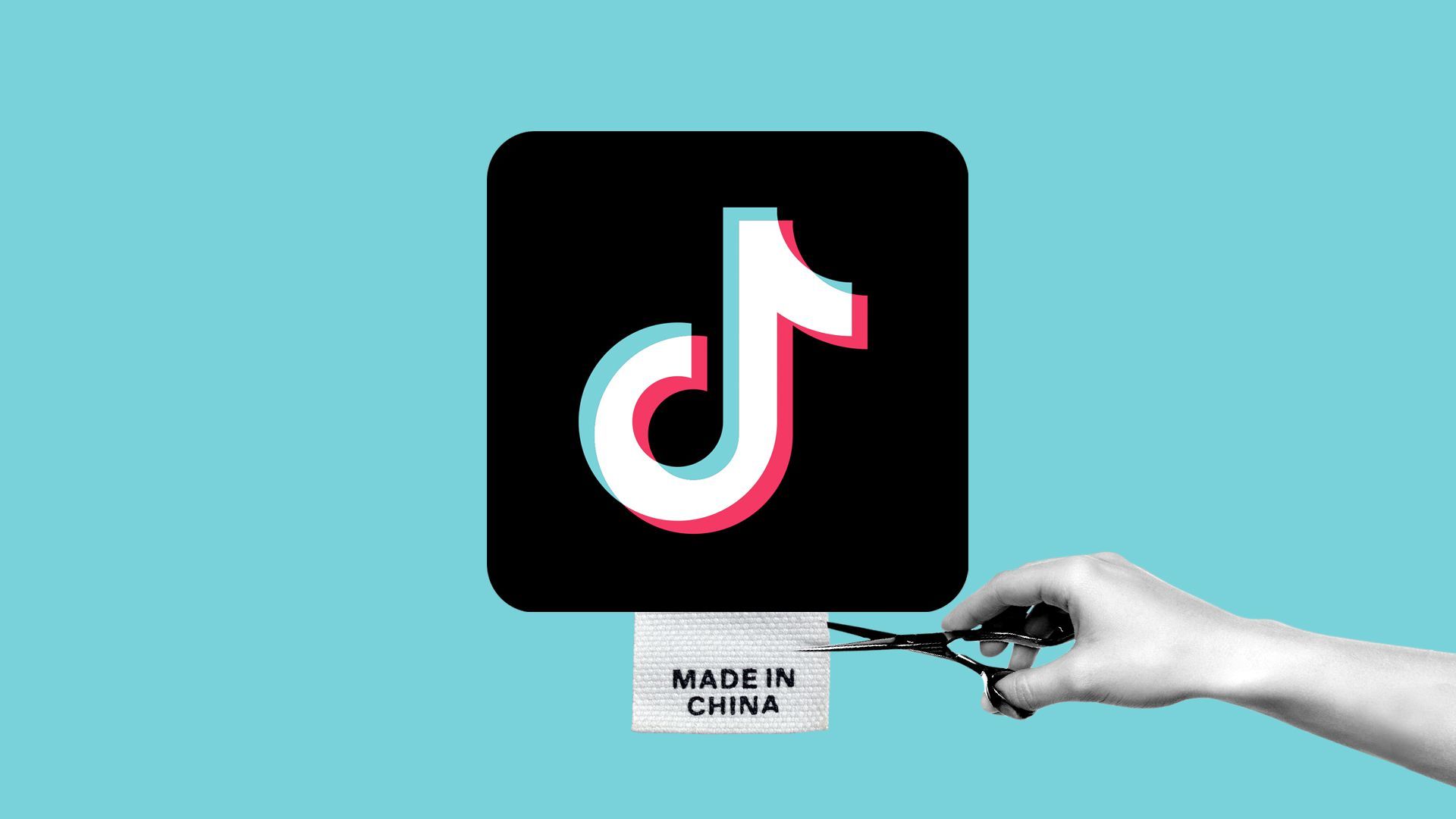
TikTok said Monday night that it would pull its social video platform out of the Google and Apple app stores in Hong Kong amid a restrictive new law that went into effect last week.
Why it matters: TikTok's move comes as many large tech companies say they are still evaluating how to respond to the Hong Kong law.







/2020/07/07/1594129123370.gif?w=3840)



/2020/07/07/1594119003972.gif?w=3840)