Tensions between tech and tech media escalated over the weekend, in a vitriolic back-and-forth that mostly took place on Twitter and new voice chat app Clubhouse.
Axios Re:Cap digs into why the relationship has soured with Jason Calacanis, who has been on both sides of the tech/media divide.
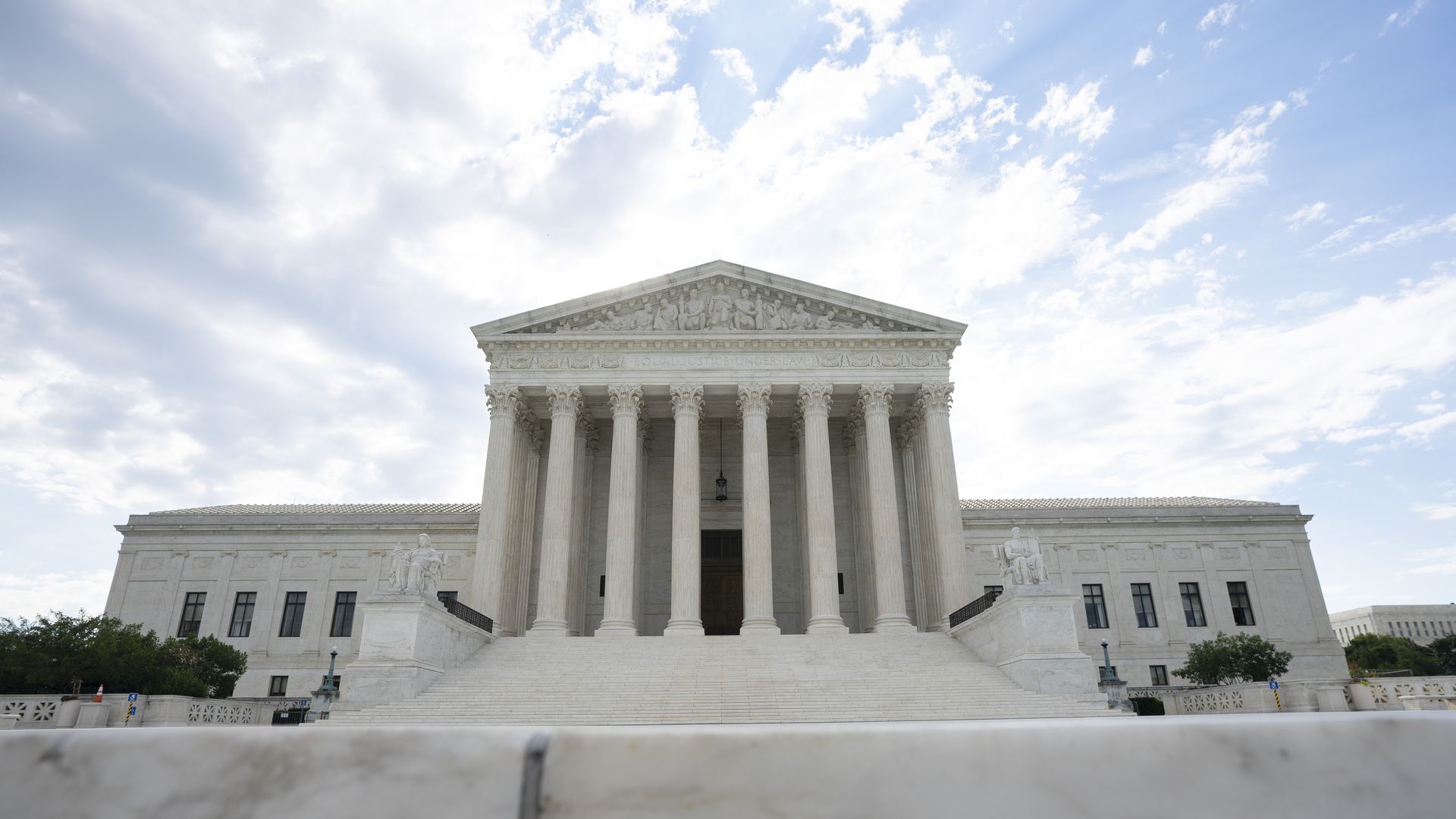
The Supreme Court on Monday ruled that it's unconstitutional for the government to permit certain robocalls but ban others based on who's doing the calling and for what purpose.
Why it matters: The ruling leaves existing restrictions on robocalls in place and ends a recent exemption from them, rather than opening the floodgates to more.
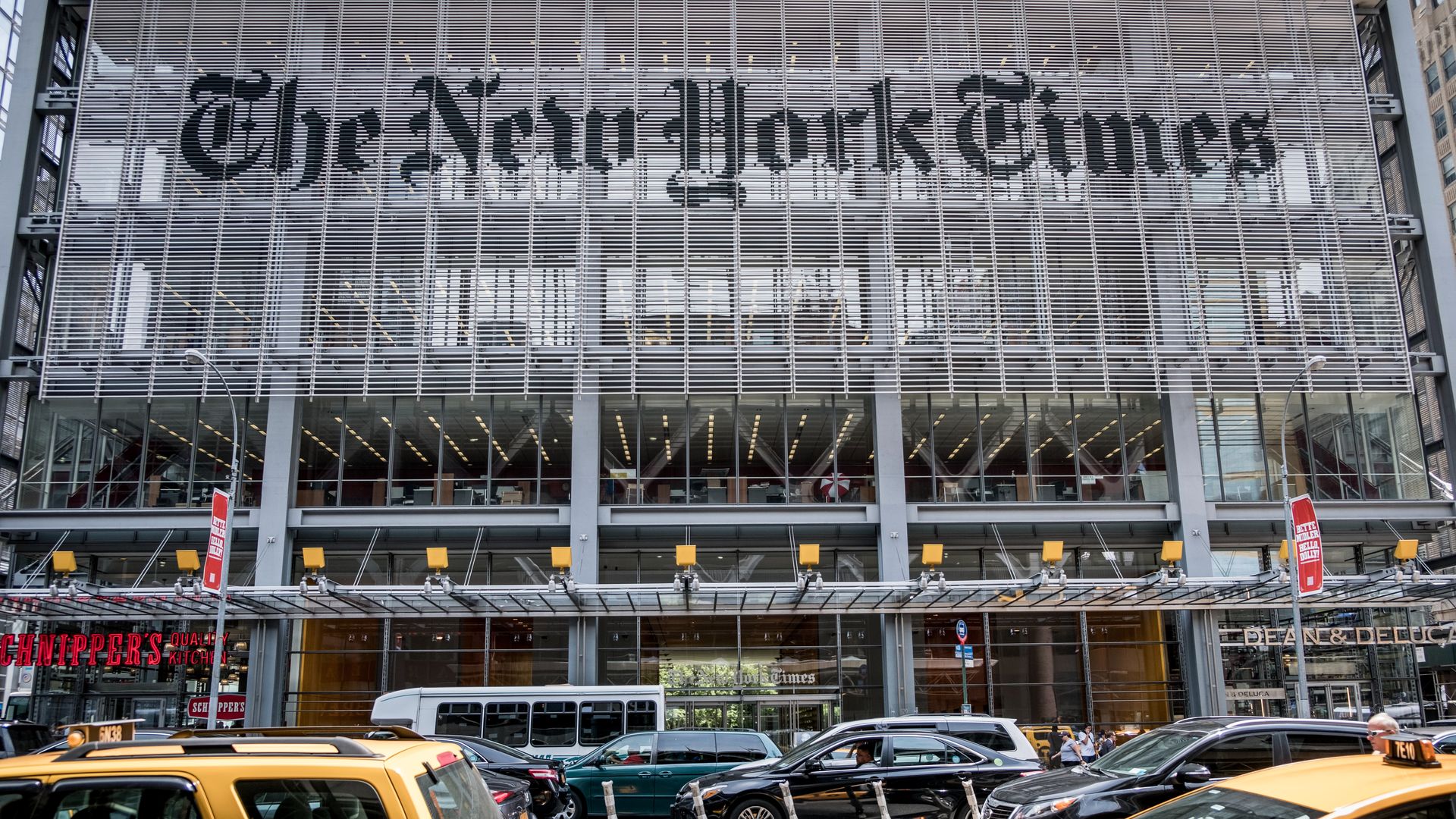
Tensions between tech and tech media hit a boiling point over the weekend, in the latest fraying of a once-cozy relationship.
The shortest version is that New York Times reporter Taylor Lorenz tweeted out some screenshots from the public Instagram of Away CEO Steph Korey, in which she criticized media coverage of her company.
China's tech rivalry with the U.S. has taken the spotlight lately, but it is also in another major dispute with India — one that has significant implications for the tech landscape in both countries.
Why it matters: China and India are the first and second most populous nations on the planet and constitute two of the most important emerging markets for buying tech products. Both countries also want to become more significant tech producers as well.
In 2011, Mark Johnson sold his startup Zite to CNN for $20 million (it was later acquired by Flipboard). Three years later, he moved to New Mexico, where he ran Descartes Labs, which makes sense of satellite imagery. In May, Johnson made another big move — relocating to Omaha to run GrainBridge, an agriculture tech company that is a joint venture between Cargill and ADM.
Why it matters: Tech is seen as vitally important for the global agriculture industry, which faces the stresses of climate change and predictions of a significant increase in food demand with roughly the same amount of land devoted to farming.
The federal government's main program to keep lower income people connected is only serving one-fifth of the people it could help, even during a pandemic that has forced school and work online.
Why it matters: Millions of Americans still lack access to the high-speed internet service that's become vital as people remain stuck at home and reopenings reverse.