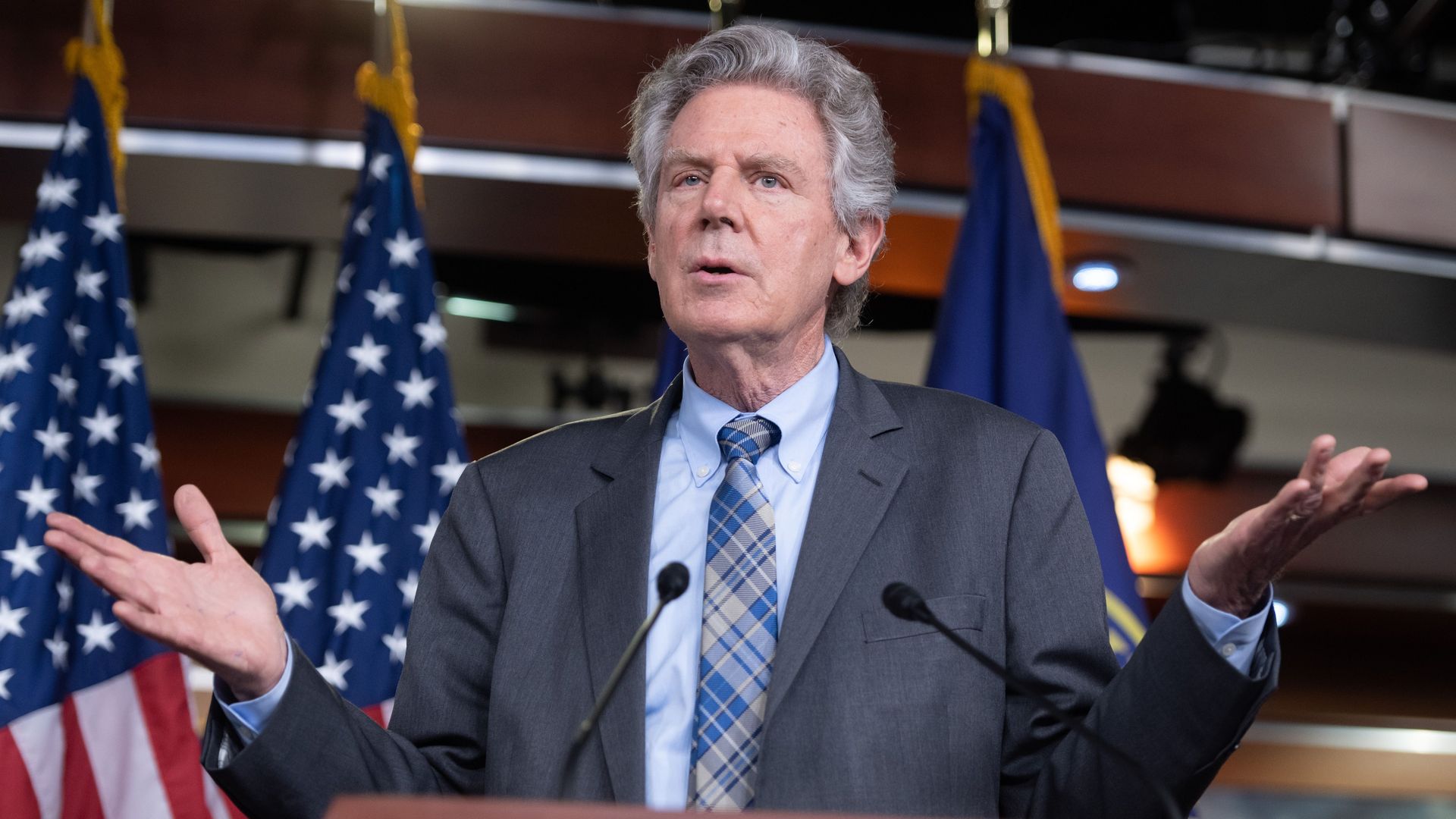
House antitrust investigators are pressing Apple, Alphabet, Amazon and Facebook to say by Sunday whether their CEOs will testify as part of the Judiciary Committee's tech competition probe, Axios has learned.
The big picture: The public grilling of the heads of the biggest tech companies would come as scrutiny over the power of their platforms heats up.
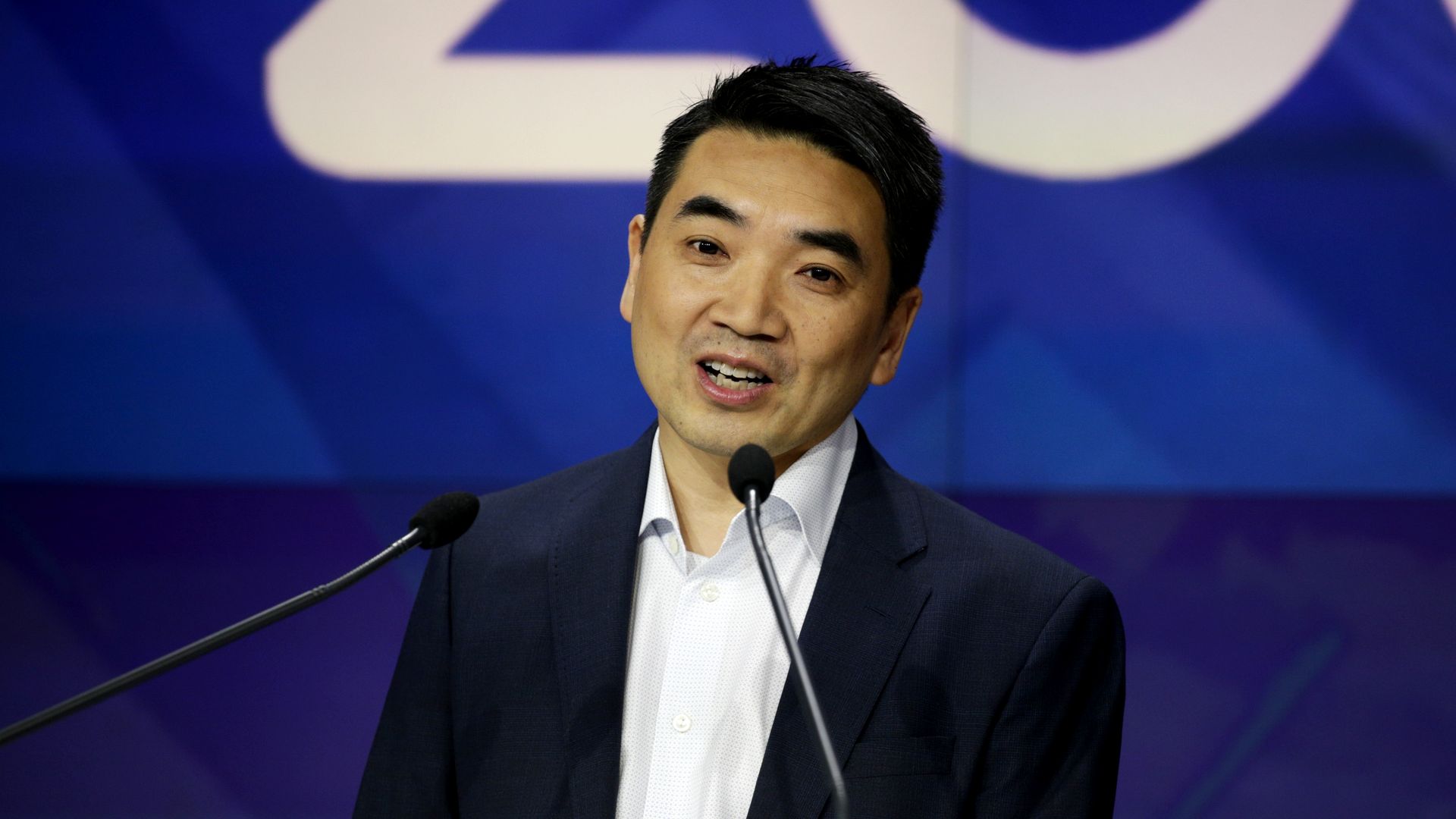
A bipartisan group of U.S. senators has sent a list of questions to U.S. video-conferencing company Zoom after it closed the accounts of several Chinese activists at Beijing's request.
Why it matters: Zoom is now used by hundreds of millions worldwide amid the coronavirus pandemic, making its security and privacy policies a matter of widespread concern.
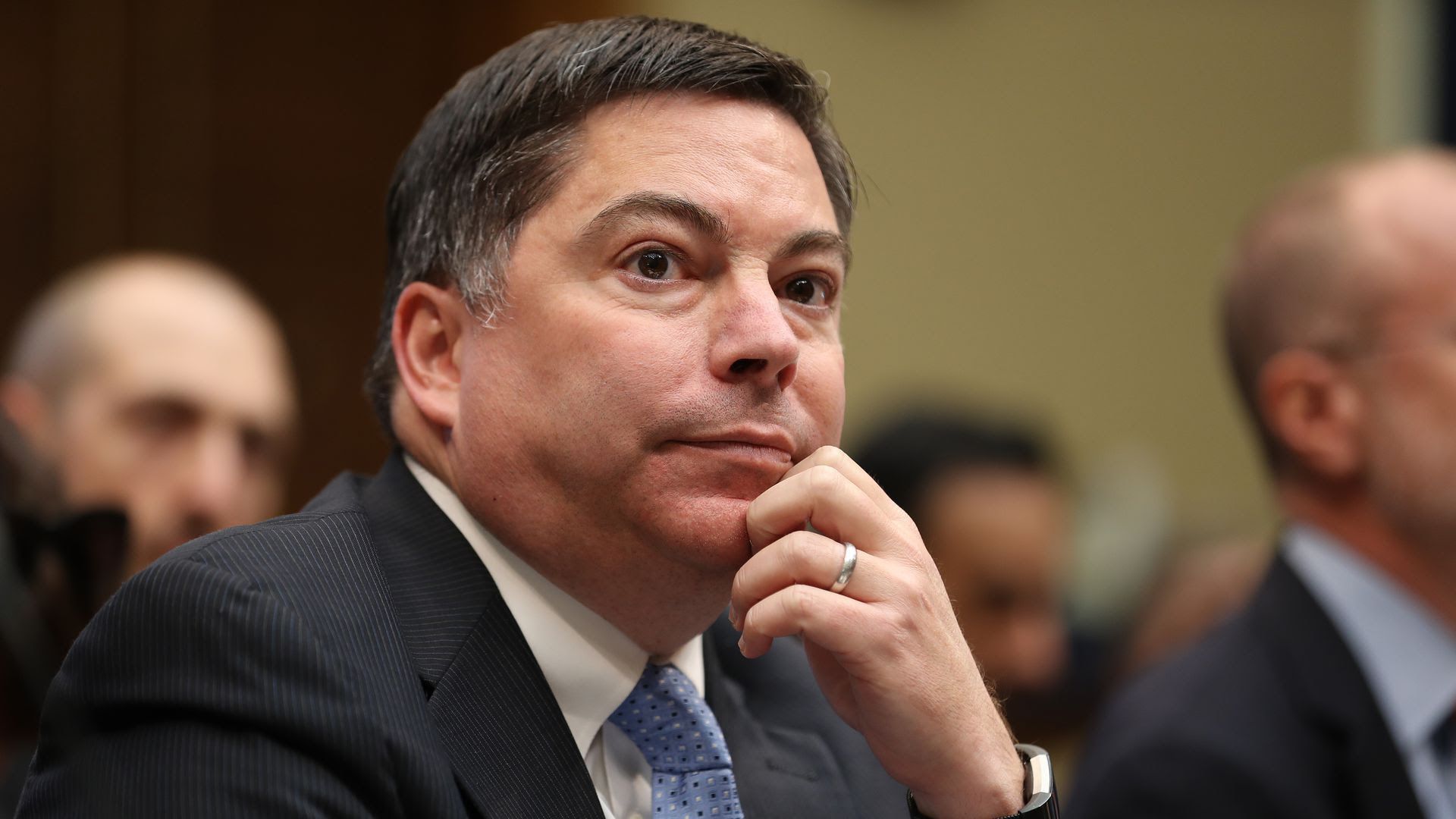
Republican Federal Communications Commissioner Mike O'Rielly said he's unsure whether his agency has the authority to carry out President Trump's executive order targeting tech firms' legal protections.
Why it matters: Trump's order seeks to have the FCC craft regulations limiting the scope of legal immunity that online platforms have under federal law. All three commission Republicans would need to support such regulations for them to pass, as the FCC's two Democrats are certain to oppose them.
Tech companies are starting to open their wallets to confront racial inequities, but the issues that the industry needs to address go far beyond just writing checks.
The big picture: The lack of black and Latinx representation in the tech workforce is well documented, but the industry also must grapple with the vast impact its products can have in healing inequality — or worsening it.
Democratic lawmakers demanded more transparency Friday into how the Federal Communications Commission is doling out $200 million in coronavirus telehealth funding.
Why it matters: The FCC has awarded about half the money, but lawmakers want to know more about health care providers whose applications have not yet been approved.
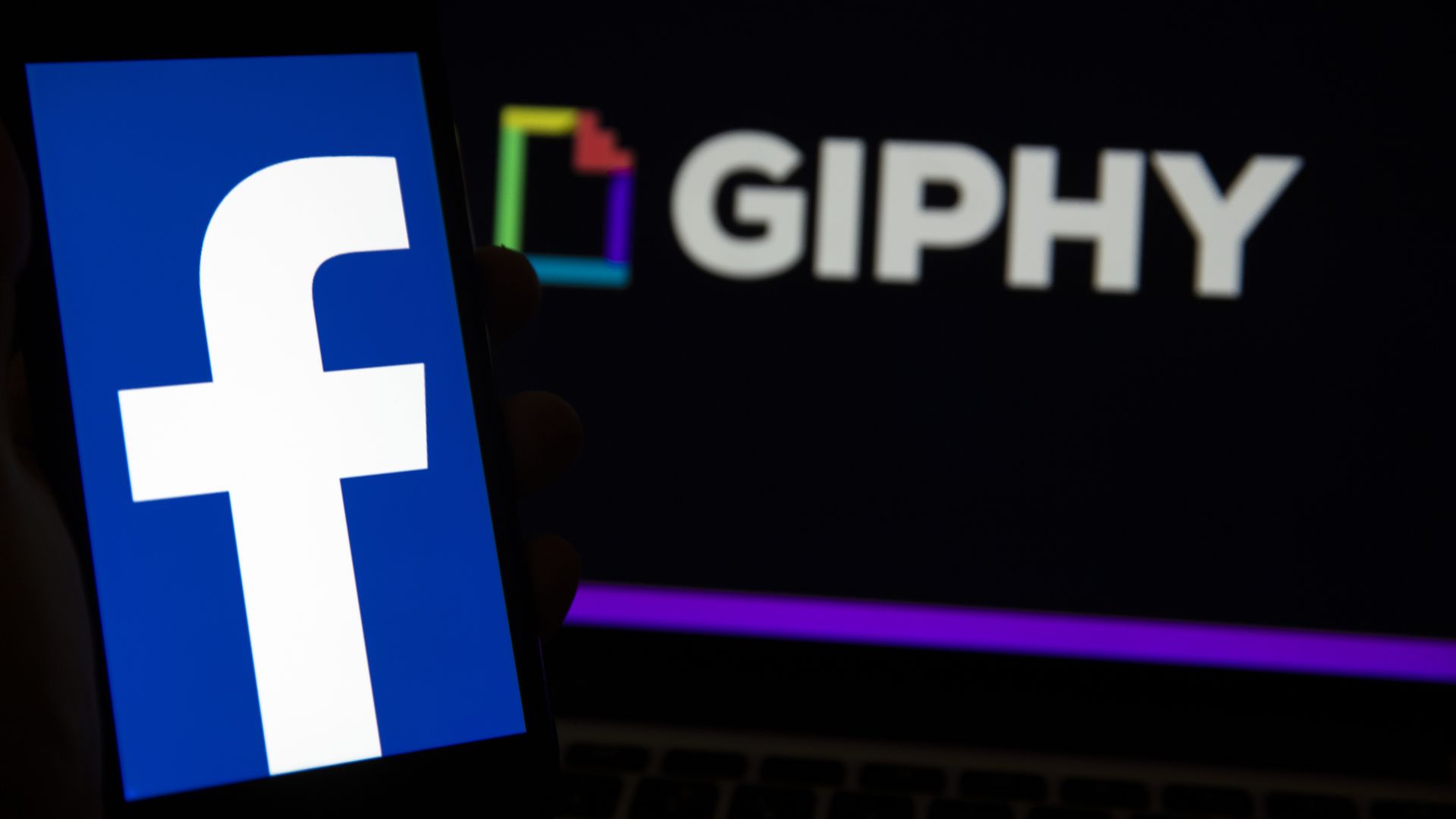
The United Kingdom's competition authority announced an investigation Friday into Facebook's acquisition of Giphy, and ordered the social media giant to halt integration of the animated images platform.
Why it matters: Facebook acquired Giphy last month as antitrust enforcers both in the U.S. and around the globe have increased their scrutiny of the power of major U.S. tech companies.
White House Chief Digital Officer Ory Rinat is leaving the Trump administration later this month to launch a new technology company focused on influencer marketing, Axios has learned.
Why it matters: Rinat was instrumental in crafting the White House’s digital strategy and policy over the past three years. He has been with the White House since 2017.
The Biden campaign won't rely on the tech and ad agency with close ties to Mike Bloomberg to run its digital operation in 2020, people familiar with the process tell Axios.
Why it matters: Hawkfish billed itself as the digital savior for the Democratic Party in 2020, a plug-and-play technology that could go toe-to-toe with Team Trump. But the flashy-yet-unproven NYC-based agency lost its luster when Bloomberg underperformed in the presidential primaries after spending $1b+.
Google fired back on Thursday with claims of patent infringement after Sonos sued the tech giant earlier this year over speaker patents.
Why it matters: Sonos is in a tough spot as it tries to add smart speaker capabilities while also competing with devices from Amazon and Google, the companies that control the two main popular virtual assistants.
U.S. video conferencing company Zoom issued a statement on Thursday acknowledging that the Chinese government requested that it suspend the accounts of several U.S.- and Hong Kong-based Chinese activists for holding events commemorating the anniversary of the 1989 Tiananmen Square massacre.
The big picture: Zoom claims that it only took action because the Chinese government informed the company that "this activity is illegal in China" and that meeting metadata showed "a significant number of mainland China participants." Zoom said it does not have the ability to block participants from a certain country, and so it made the decision to end some of the meetings and suspend the host accounts.
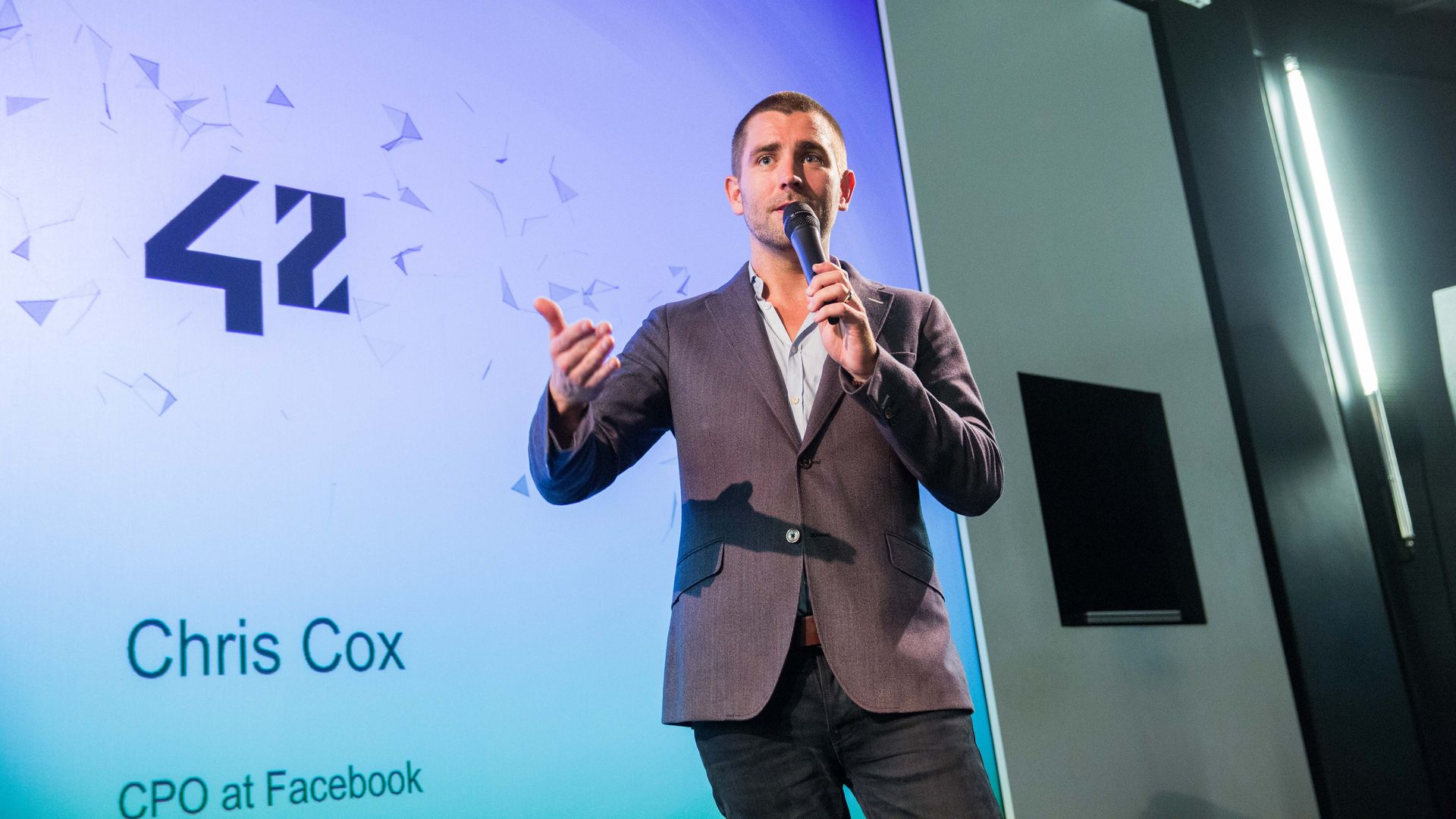
Why it matters: Cox is coming back at a time when Facebook faces continued criticism over its content policies and is just months away from the next U.S. presidential election, the last of which exposed the company's blind spots as to how it saw its influence elections.
Snapchat on Thursday introduced a slate of new products, tools and partnerships that move the company closer to being a platform for developers and businesses, rather than just a chat app for friends.
Why it matters: With increased investments in things like gaming and augmented reality, Snapchat's business is beginning to look more like that of the Chinese tech giants, which make money off of value-added services like in-app purchases, rather than just ads.
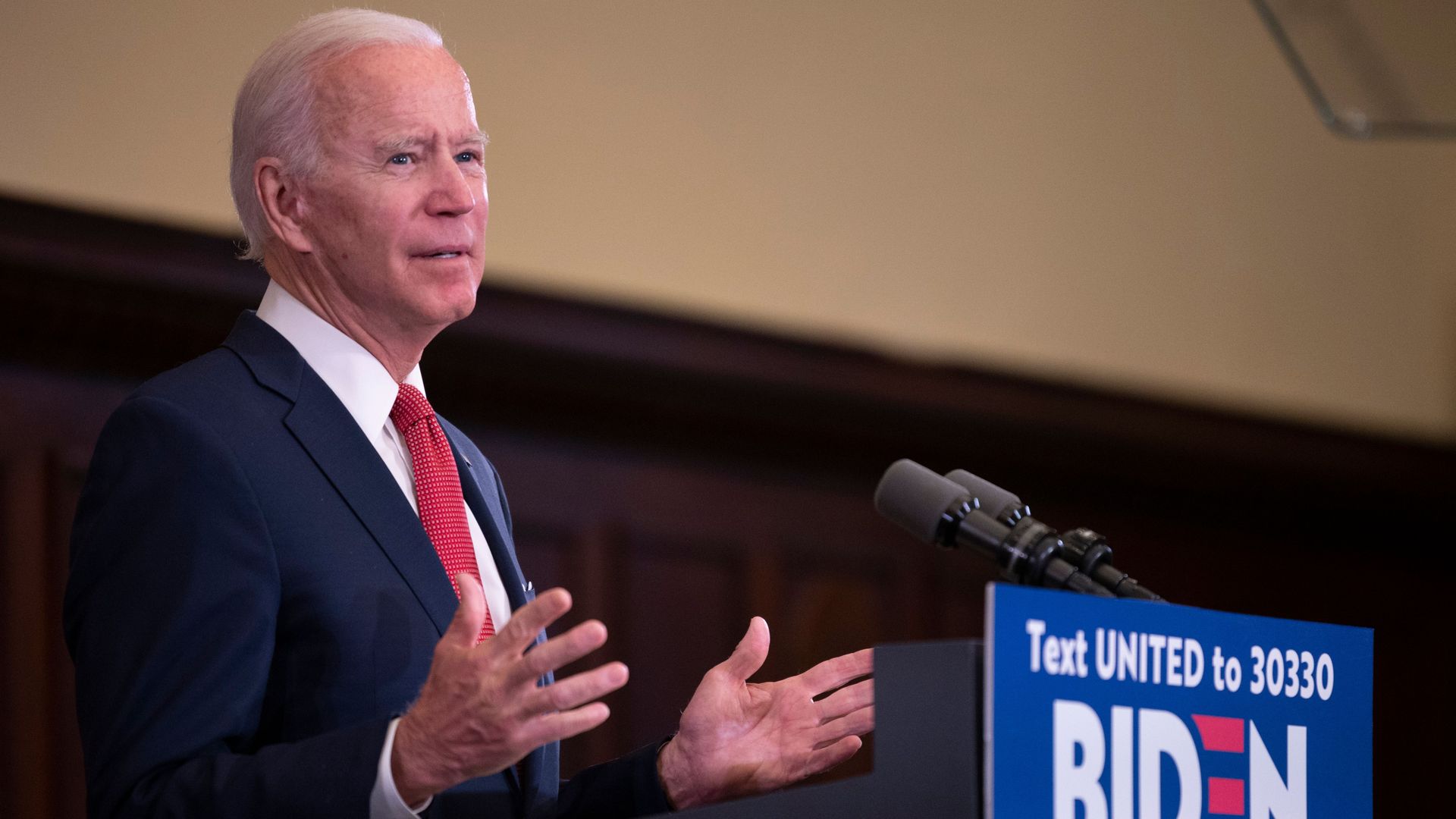
Joe Biden's campaign published a petition and a letter to Facebook CEO Mark Zuckerberg on Thursday demanding that the social media giant implement stronger misinformation rules and hold politicians, including President Trump, accountable for spreading lies.
Why it matters: Biden is directly challenging Facebook over its misinformation policies months ahead of the 2020 election. Many Democrats have been calling for Facebook to more closely regulate misinformation on its platform, especially since some credit Facebook for President Trump's 2016 victory.
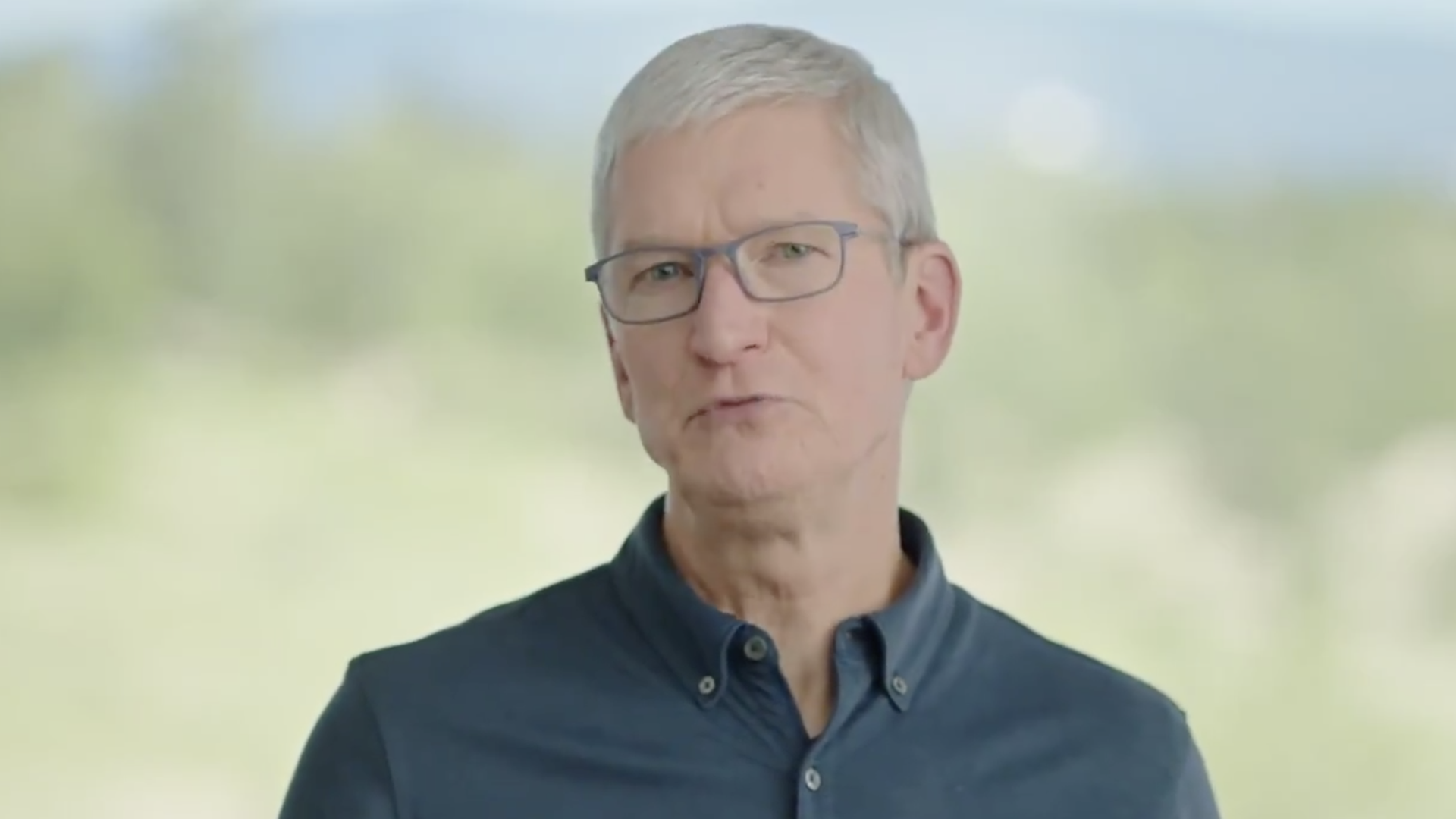
Apple CEO Tim Cook on Thursday announced a $100 million project focused on the systemic barriers to opportunity and dignity faced by the black community, with special emphasis on education, economic equality and criminal justice reform.
Why it matters: While many tech companies have talked about the need for more work in the area, Apple's large check appears to be a more substantial move.
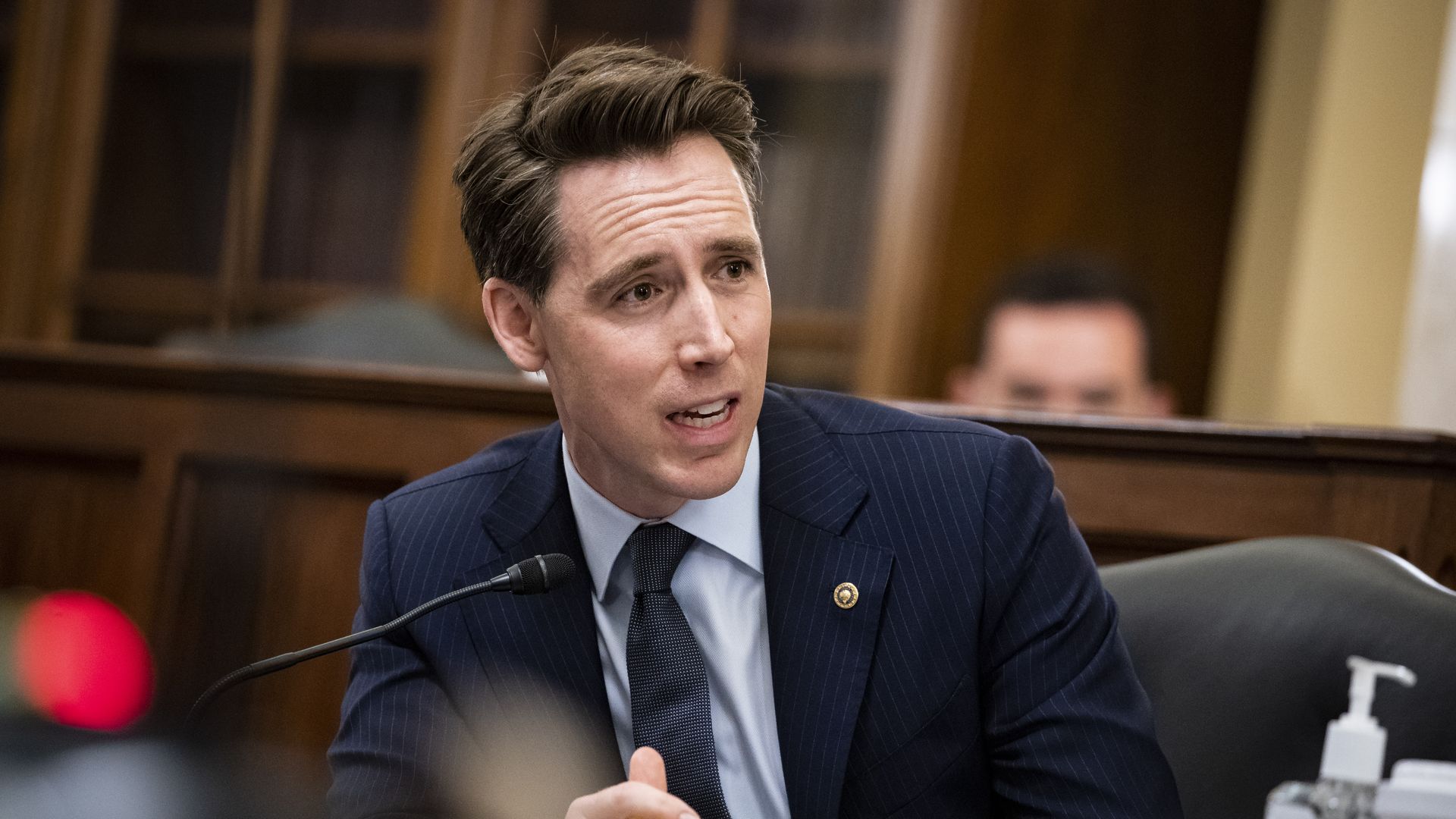
At the request of the Trump administration, Sen. Josh Hawley (R-Mo.) is working on new legislation targeting the tech industry's liability shield, a source familiar with the effort told Axios.
Why it matters: The Hawley bill will be an additional threat against platforms like Facebook and Twitter following President Donald Trump's executive order aimed at curbing their legal protections from content posted by users.
Facebook has been hiring seasoned tech investors to help lead a new "multimillion dollar" investment fund within its experimental apps team, Axios has learned.
Why it matters: Starting a formal investing program aimed at startups could bolster the company's ability to spot the next big social app before it becomes big. That visibility is all the more important given that antitrust scrutiny has likely closed the door on large acquisitions by Facebook for the near future.
As the big five tech giants face a trifecta of crises over pandemic disruptions, government investigations, and protests against racial inequality, their ages and life stages are shaping their responses.
Between the lines: Companies have life cycles that mirror those of people. And like people,they handle stress in different ways at different stages of maturity.











/2020/06/11/1591885397935.gif?w=3840)