Wednesday's technology stories

Amazon to halt police use of its facial recognition technology for one year
Amazon announced on Wednesday it would stop supplying U.S. police officers with its facial recognition technology for one year amid a nationwide push for police reform.
What they're saying: "We’ve advocated that governments should put in place stronger regulations to govern the ethical use of facial recognition technology, and in recent days, Congress appears ready to take on this challenge. We hope this one-year moratorium might give Congress enough time to implement appropriate rules, and we stand ready to help if requested."

Protest responses raise domestic surveillance concerns

The sometimes militarized government response to nationwide protests following the killing of George Floyd has shone a light on the scope of the surveillance and enforcement apparatus that can be mobilized quickly against U.S. civilians.
The state of play: Since the protests began, extraordinary emergency authorities have been granted to the Drug Enforcement Agency to police demonstrators, including through “covert surveillance,” according to a DEA memo leaked to BuzzFeed.

Apple's challenges as it swaps out the Mac's brain
Apple is on the verge of transitioning the Mac from Intel processors to homegrown chips — a move that, even if it pays off in the long term, could mean hassles and tough choices over the next few years for developers and consumers.
The big picture: The move is a blow to Intel, long the U.S. microprocessor leader. Whether it is a win for Apple depends on the eventual cost savings and performance gains, as well as how smoothly Apple is able to handle its transition without losing customers and app developers.
Driving the news: Bloomberg reported Tuesday that Apple may announce its plans for the shift at its Worldwide Developer Conference, scheduled to take place online this month.
- The move is not a surprise. Bloomberg has been reporting it for a while, as has Axios. What's new is that the change seems imminent.
Why it matters: The shift creates dilemmas both for customers deciding what to buy and when, and for software developers allocating scarce programming resources.
Flashback: Apple has changed the types of chips powering the Mac line twice before. In 1994, it switched away from the Motorola chips that powered the first Macintoshes to PowerPC chips, jointly developed by IBM and Motorola. Then, starting in 2005, it moved from PowerPC to Intel.
Consumers and businesses looking to buy a Mac computer in the next year or so will have to decide between two not-so-great options:
- Buy one of the last of the old computers, and accept that there will be new software in a couple of years that doesn't work on your machine...
- Or hang on to the old computer and buy one of the first new machines, even though it may not yet fully support much or all the software you need.
Developers face a dilemma of their own: when to put resources behind optimizing key programs for the new chips. Even after Apple officially announces the move and provides the tools, developers know that the base of potential users for the new software will start from zero.
- Former Windows boss Steven Sinofsky outlined some of the challenges in more detail as part of a Twitter thread Tuesday.
Between the lines: Apple has a pretty good track record here, having managed past chip transitions — as well as the shift from classic Mac OS to OS X — fairly successfully. There were bumps, to be sure, and some applications took years to be converted, but in the end, everyone made it across, and the platform was stronger for it.
- There will likely be some sort of compatibility layer allowing existing apps designed for Intel chips to run on the new Apple-made chips — as well as tools to help developers convert their programs without starting from scratch.
- That said, such approaches have a mixed track record and can slow performance.
Yes, but: This transition differs from Apple's previous ones in a couple of ways.
- The Mac isn't the center of Apple's business any more. Most of Apple's revenue comes from iPhones and other non-Mac product lines, including iPads, peripherals and services.
- And, speaking of iPhones and iPads, Apple isn't moving to a brand-new architecture, but rather to ARM-based chips similar to those that power Apple's iOS devices. That means some work can be ported from existing iOS apps.
Our thought bubble: In addition to sharing the time frame and particulars of the transition, Apple needs to answer why it needs another change in chips. Some developers say the shift will only be worth the effort if it provides a truly meaningful performance boost.
Meanwhile, Microsoft has been trying to open up Windows to ARM-based processors for years now, with little success.
- Each time, Microsoft and a chipmaker partner, such as Qualcomm, promise improved battery life and wireless capabilities — but performance and compatibility issues have consistently sent the companies back to the drawing board.
The bottom line: Apple's motivations for the move likely include an opportunity to cut costs, an effort to boost performance, and a desire to control its own destiny. But even if the company gets all those wishes — and even if it manages the transition well — the whole Mac community is probably headed for some short-term pain.
Exclusive: Advocacy group targets Facebook's and Google's ad model
Facebook and Google should be broken up and stripped of their liability shield if they continue to sell advertising, argues progressive think tank the American Economic Liberties Project in a policy brief out Wednesday.
The big picture: The report ties together three major threads of the techlash: the idea that tech giants are too big; the concern that they harvest too much private data; and the threat to rein them in by taking away their broad legal immunity.

Twitter and Square make Juneteenth a company holiday
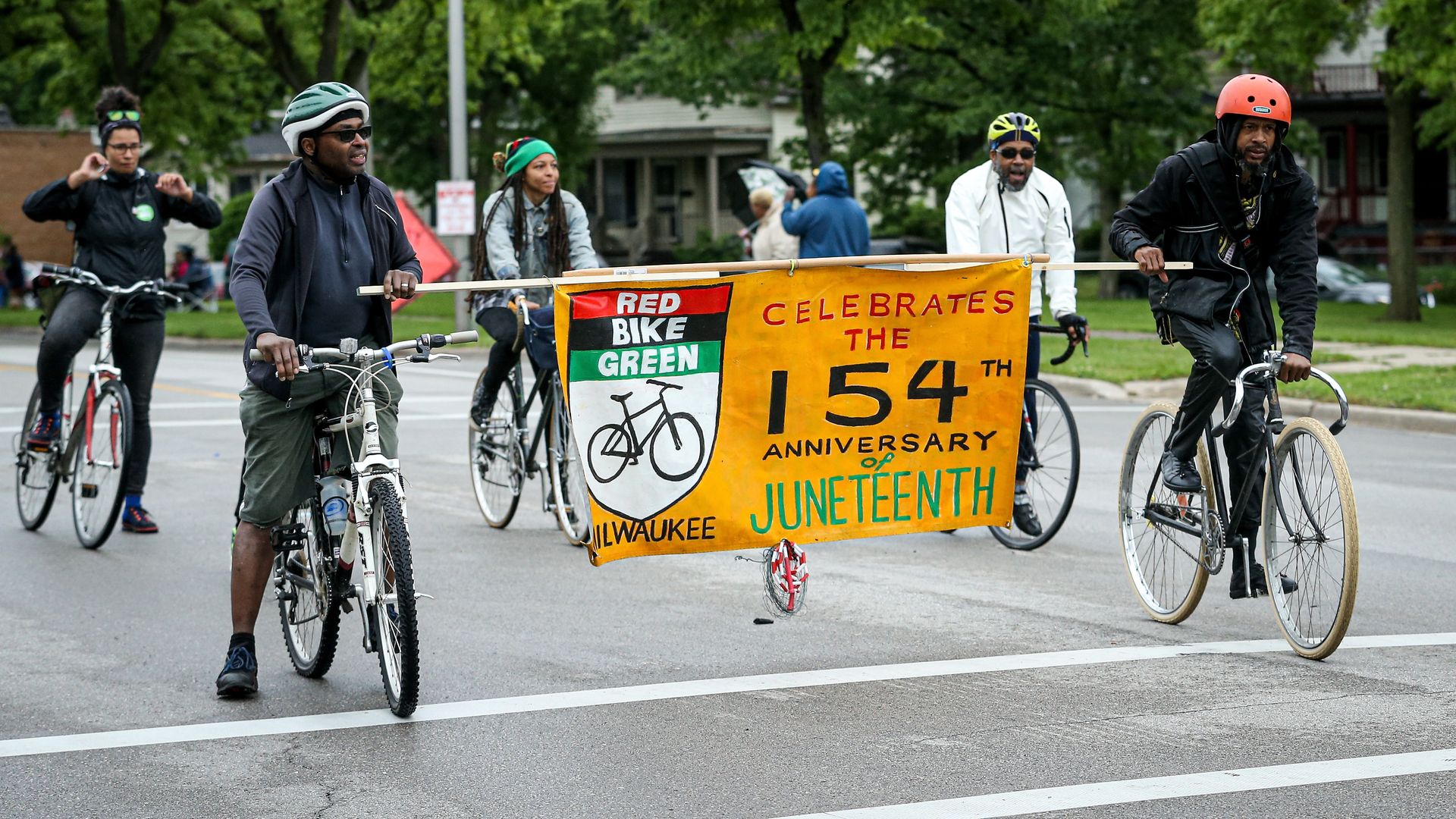
Twitter and Square CEO Jack Dorsey announced Tuesday that Juneteenth would become a holiday for both companies.
Why it matters: The day — June 19 — marks the end of slavery in the United States in 1865, when Union soldiers landed in Galveston, Texas, and told slaves there that they were free and that the Civil War had ended.

Reddit appoints Y Combinator CEO Michael Seibel to board
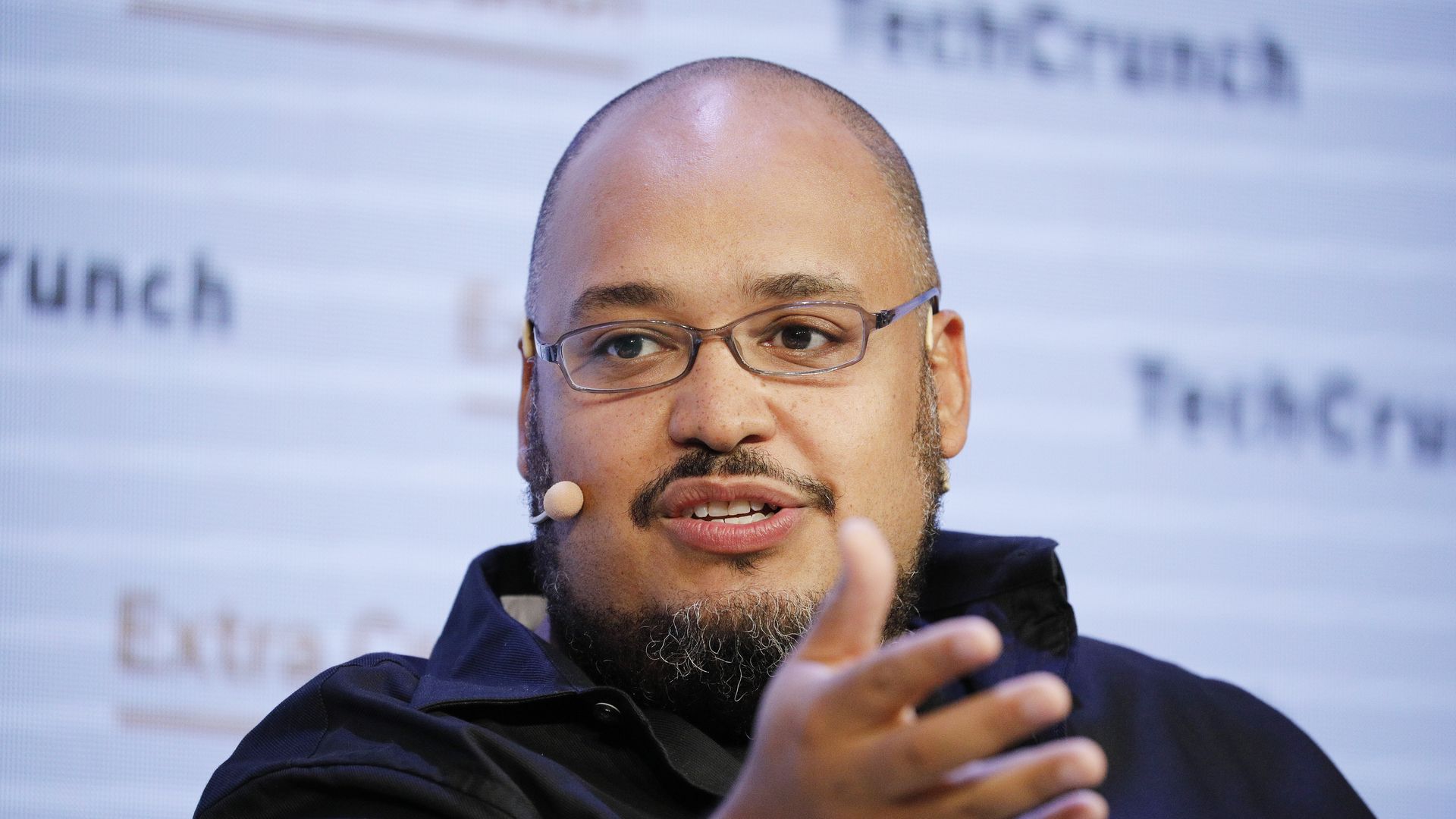
Reddit has appointed Y Combinator CEO Michael Seibel to its board to replace co-founder Alexis Ohanian, who stepped down last week and urged the company to replace him with a black candidate.
Why it matters: The board change comes amid growing scrutiny of Reddit's content moderation, which has often been accused of not curbing hateful content enough.
Hawley calls for FTC inquiry into new TikTok rival
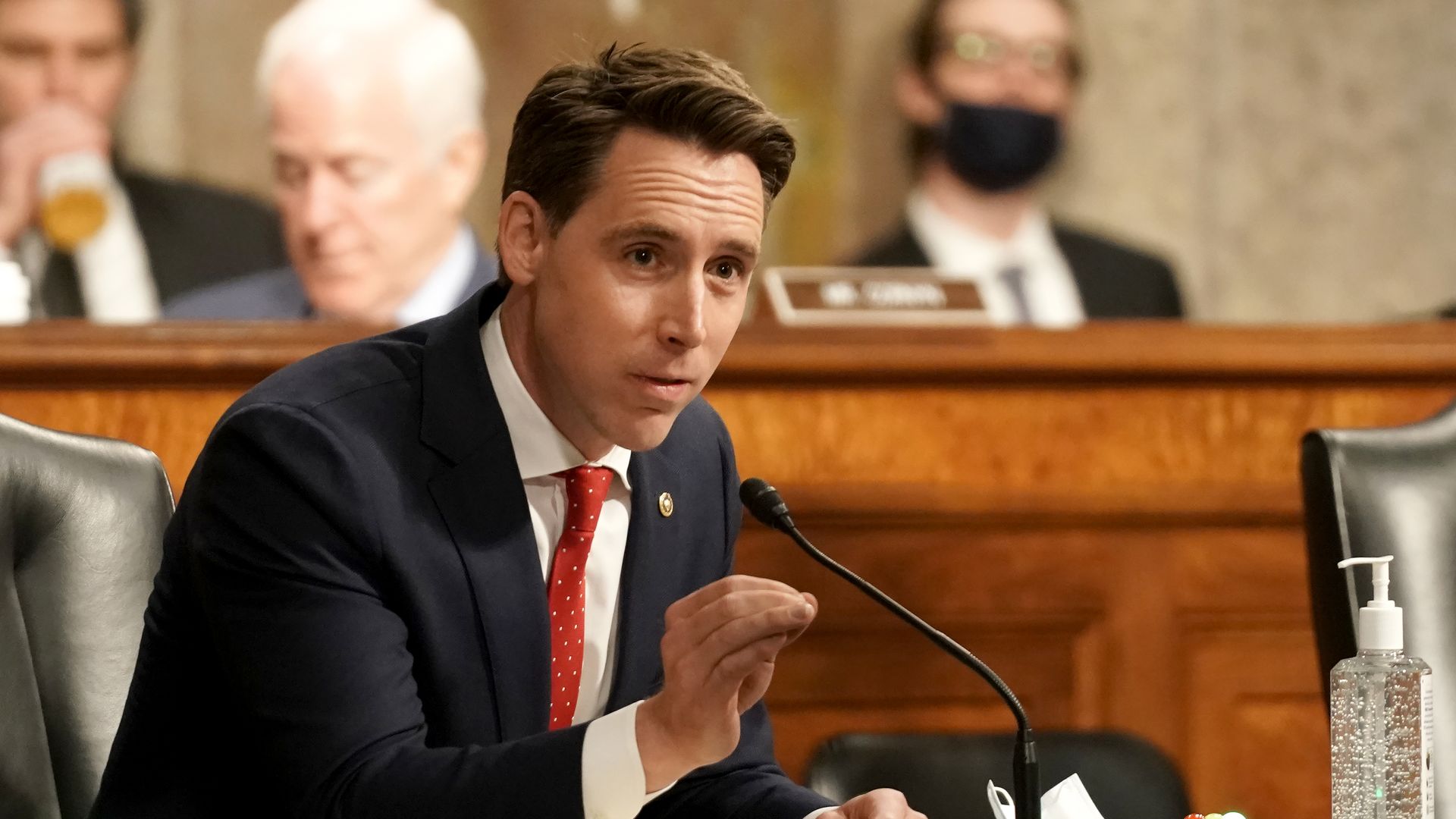
Zynn, a rising TikTok-like service that pays its users, is drawing the attention of China hawk and Big Tech antagonist Sen. Josh Hawley (R-Mo.), who wants the Federal Trade Commission to look into it.
Why it matters: Zynn, which pays users both when they watch content and when they refer others to install its video-sharing app, quickly topped the App Store's free app chart just weeks after debuting in May.
Amazon sues Google over hire of former AWS executive
Amazon is suing Google over its hiring of Brian Hall, a former AWS marketing executive, to serve as a VP of marketing for Google Cloud, citing a non-compete clause in Hall's contract.
The big picture: The move speaks to the level of competition between Amazon and Google — as well as the fact that Washington state still allows some non-compete agreements, while the clauses are generally unenforceable in California.


The nerve center of the American news cycle
The fast-moving world of Twitter has become the nerve center of the American news cycle — as evidenced by record-breaking downloads and engagement for the service last week.
Why it matters: Twitter is our mediaverse's grand interface between journalism and social media. While news organizations play a central role in sharing links to their coverage on Twitter, much of the visual content shared in real time during breaking news events like protests is shared by everyday users.