Twitter will now allow advertising containing references to the coronavirus under certain use cases, according to a note from Twitter sent to clients on Friday that was obtained and confirmed by Axios.
Why it matters: The news comes one day after Google lifted its advertising ban on coronavirus-related terms. Groups have argued against the policy, as it restricts them from running messages about relief efforts or policies on the virus.
Most Americans don't want app makers or the government to scrape their data to combat the coronavirus pandemic, a new survey finds, in the face of public- and private-sector efforts to do just that.
Why it matters: Efforts to fight the pandemic are putting new pressure on privacy protections, particularly around health information, but this study's results shared with Axios suggest the U.S. public isn't ready to give them up.
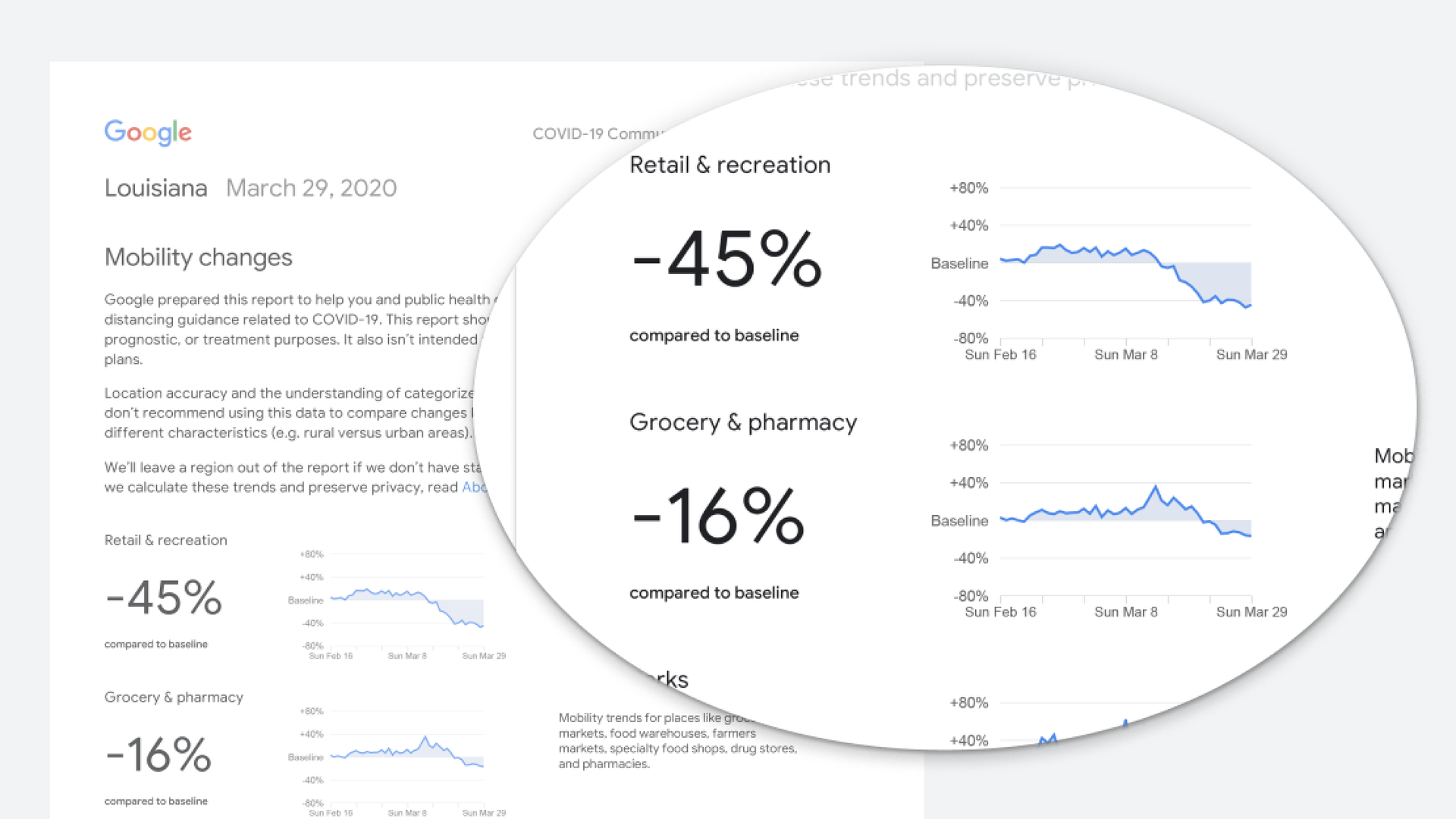
Google late Thursday announced a program to give leaders around the world more data during the coronavirus crisis on where people are traveling (and where they aren't) based on aggregate, anonymous data collected by Google Maps.
Why it matters: Health experts have been asking for more location data to make decisions. This move aims to meet some of those needs without sharing sensitive individual data.
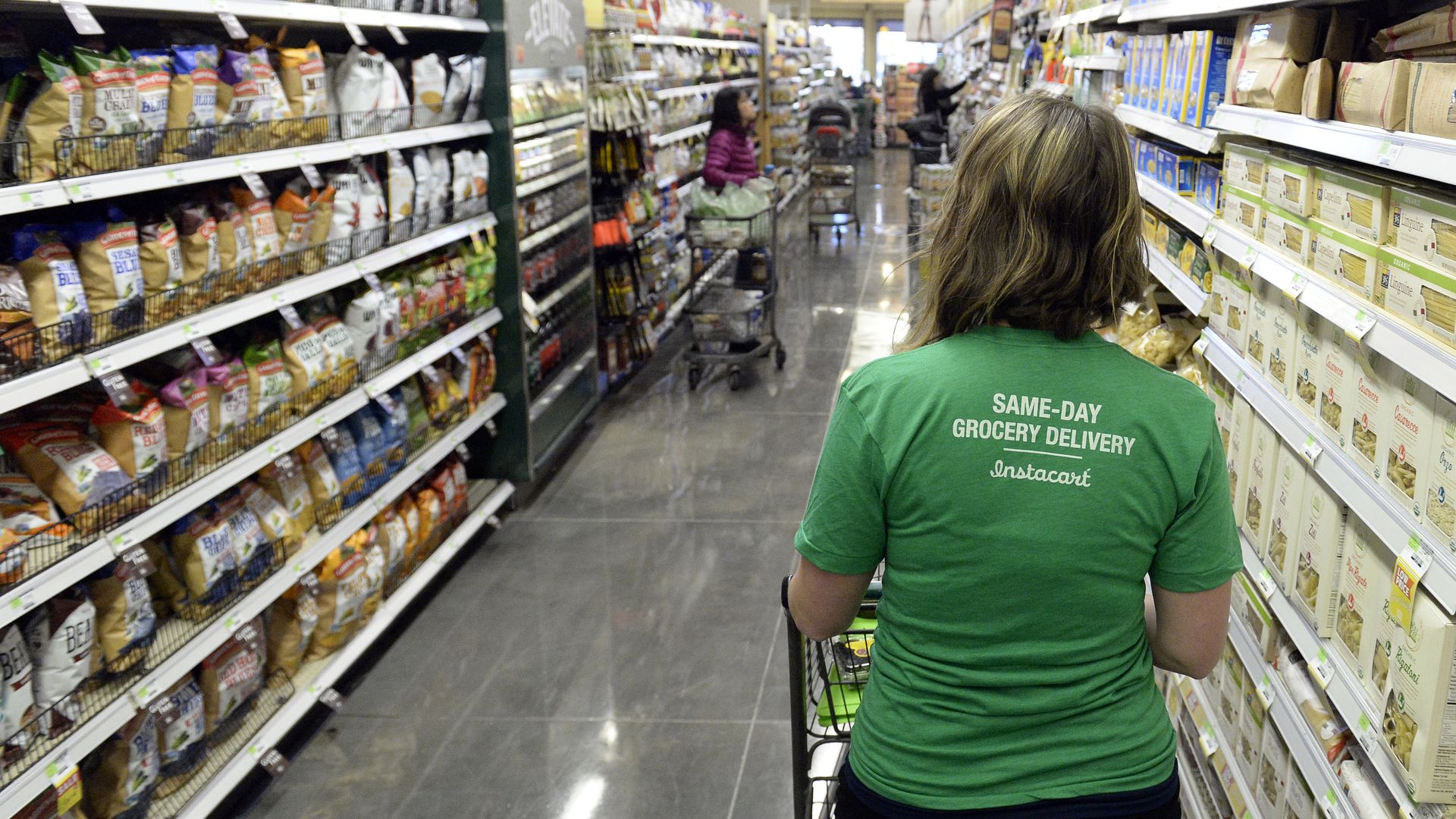
Grocery delivery company Instacart says that beginning next week it will make free safety kits with face masks, hand sanitizer and a thermometer available to the workers who shop for its customers and distribute masks to in-store workers amid the coronavirus outbreak.
Why it matters: Some Instacart workers began a strike on Monday to put pressure on the company to provide them with benefits, safety supplies and additional pay as they — and delivery workers at large — have become a lifeline for many Americans staying in their homes amid the COVID-19 pandemic.
Google will begin to allow some advertisers to run ads across its platforms that address the coronavirus, according to a Google memo sent to clients and obtained by Axios.
Why it matters: Democrats have argued that in banning attack ads targeting President Trump's response to the coronavirus pandemic, including on YouTube, Google was shielding his campaign in a critical election year.
This is clearly Zoom's moment in the spotlight, as the public has embraced the videoconferencing provider's service during the coronavirus lockdown. However, security woes, privacy controversies, and trolling incidents have marred the company's star turn.
The big picture: When Zoom usage soared as Americans started working and studying from home, some worried whether it could handle the load. It did, but other problems cropped up as millions of consumers started using what had been an unsung piece of business software.
For years, Crisis Text Line has served as a 21st-century version of the call-in hotline, helping a largely young clientele manage life's challenges via text message. With the coronavirus outbreak, the line is now serving a new role as well — offering aid to a broader audience struggling to deal with a rapidly changed reality.
Why it matters: In addition to the direct health threat posed by the coronavirus, the pandemic and restrictions aimed at stemming it have led to all manner of anxieties, from health fears to money worries to social concerns.