Artificial intelligence experts at Stanford University are calling for the creation of a task force to establish a National Research Cloud to aid American AI research.
Why it matters: Government support for basic science helped create the post-war American technological colossus. But the unique resource needs of advanced AI research demand a new approach to ensure the field isn't dominated by a few large, rich companies.
Wednesday is April Fools' Day, but this year it's decidedly the wrong moment for online pranks — even though tech companies have reveled in them for several years now.
The big picture: The genre was getting a bit tired even before the pandemic — and many things that might be funny in ordinary times simply aren't funny right now.
Apple acquired paid weather app Dark Sky on Tuesday for an undisclosed amount.
Why it matters: This is a double-coup for Apple. It may use Dark Sky to improve the iPhone's default weather app, which currently gets its data from The Weather Channel, and it plans to kill the Android version of Dark Sky.
T-Mobile and Sprint have closed their merger, the newly combined companies announced Wednesday.
Why it matters: The deal — initiated nearly two years ago — brings together the nation's No. 3 and No. 4 wireless carriers under the T-Mobile name. Critics have said that the combination will reduce competition, even with concessions the companies made to win Justice Department approval.
The coronavirus pandemic has caused shortages of life-saving equipment like masks and ventilators — and now, we could be running low on WiFi hotspots, devices that use cellular signals to create local networks.
Why it matters: Demand is outpacing supply of the normally niche product, now a hot commodity for schools and libraries looking to bring online learning to students who lack internet access at home.
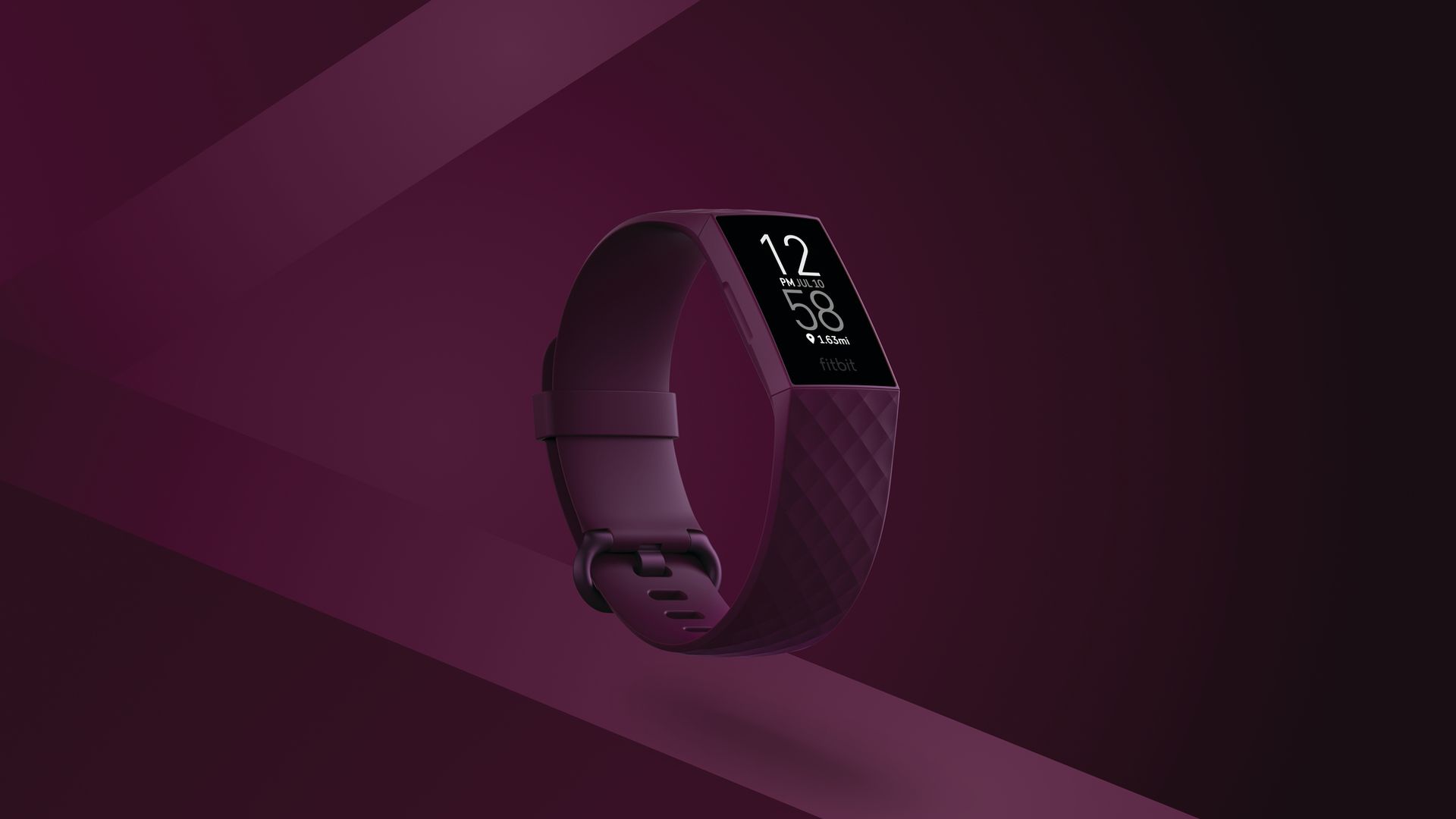
Fitbit is the latest tech company tasked with launching a consumer product amid the coronavirus outbreak, on Tuesday unveiling a new version of its Charge fitness tracker.
The big picture: While it has been working to add paid subscription services, Fitbit remains dependent on new hardware sales, something that could be trickier in a time when most of America is sheltering in place.
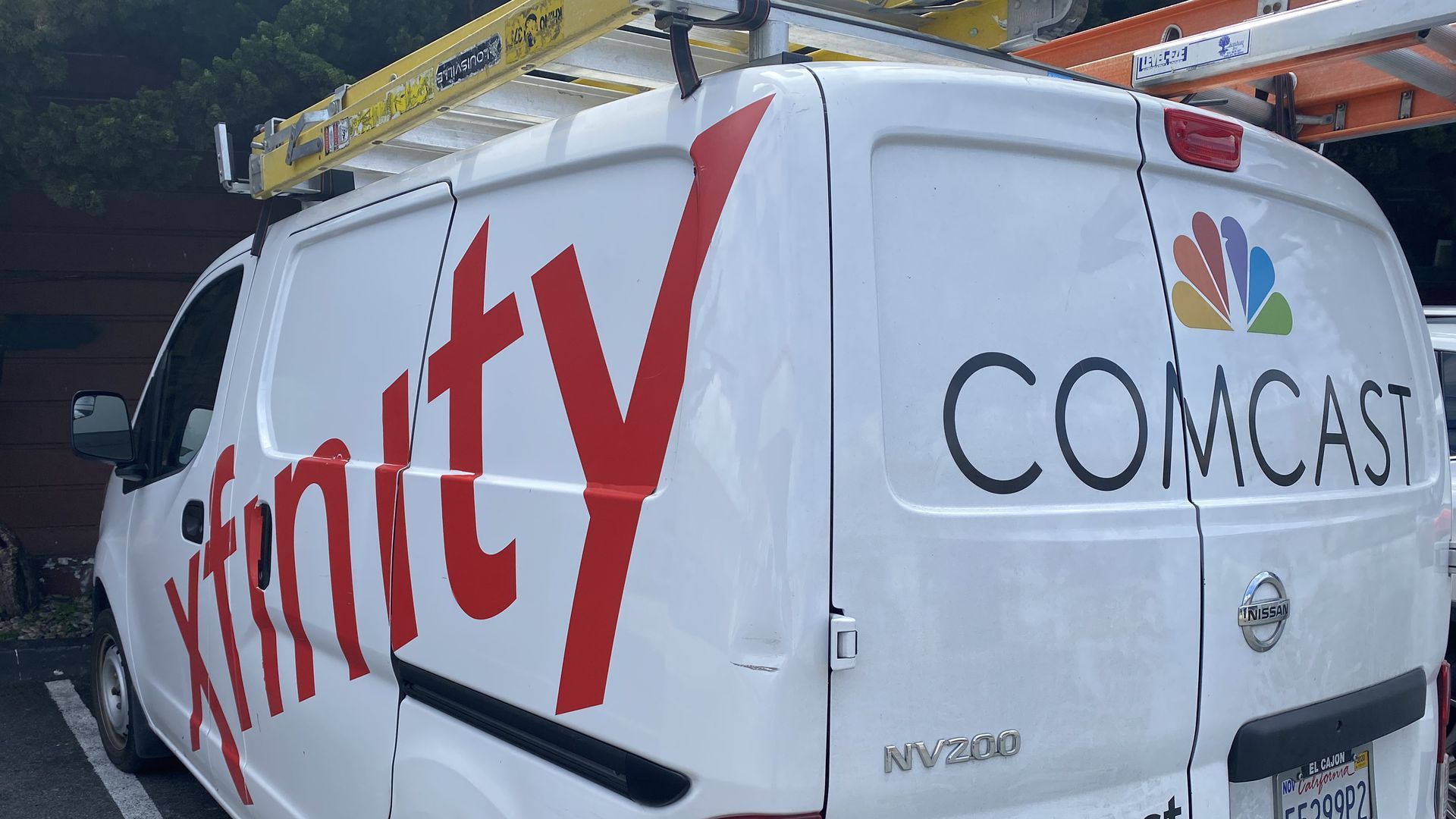
Comcast said on Monday that while demand has increased significantly, so far its network can handle the traffic boost without a noticeable decline in speed or reliability.
Why it matters: There has been much concern over how well the internet would hold up as most of America is working and schooling from home. So far, broadband and wireless providers say they aren't seeing signs of trouble.
It's no shock that online shopping has surged, especially for groceries, but new data from Adobe offers some valuable breakdowns of exactly where consumer dollars are going.
Why it matters: Some buying patterns are likely temporary, but many people may permanently expand what they buy online, even once physical stores reopen.
From barbers to pastors to fitness instructors, any person that used to make money via brick and mortar services, is now turning to online platforms to make money for their expertise.
Why it matters: A slew of old-line industries that once hesitated to embrace digital technologies are now being forced to do so for the sake of survival.
Snapchat said Tuesday that developers can finally integrate its flagship Stories feature into their own apps by utilizing its developer tools, called the "Snap Kit."
Why it matters: It's an integral part of Snapchat's broader growth plans. The social media giant hopes that expanded access to its content and flagship features on other apps will increase its user base — and maybe its bottom line.
The coronavirus pandemic is bringing out Silicon Valley's penchant for problem solving.
The big picture: Tech companies, entrepreneurs, and investors have rushed to find ways to apply their skills, resources, and creativity to tackling the virus and its public health and economic impact.