After recently allowing all customers to cancel reservations due to the coronavirus pandemic, Airbnb says it will spend $250 million to refund 25% of the cancellation fees that hosts would have otherwise received depending on their select policy. It also created a $10 million relief fund for select hosts, which includes $9 million donated by Airbnb's founders.
The big picture: Airbnb has been in the unpleasant position of having to please both sides of its marketplace, while also managing its own finances. It recently cut marketing spend to save $800 million, among other moves, as its business takes a huge hit, a source tells Axios.
Facebook said Monday it's updating its data privacy tools to include additional information about what content users interact with on Facebook and the machine learning data created from their engagement, which the company uses to infer what else they may like.
Why it matters: Facebook wants to ensure it's getting ahead of any privacy regulations, with GDPR now long in effect, and before the new California Consumer Privacy Act (CCPA), which went into effect Jan. 1, starts being officially enforced on July 1.
Some Instacart workers plan to go on strike today, arguing that the grocery delivery unicorn's recent increases in pay and safety equipment are insufficient.
Why it matters: Instacart has become a lifeline for many Americans either unable or unwilling to leave their homes, particularly during the coronavirus pandemic.
Microsoft says it has seen some significant spikes in some applications where there are shelter-in-place or social distancing rules.
Why it matters: The increased cloud demand adds to the strain on the internet, but companies whose key apps are in the cloud are far more easily able to accommodate a remote workforce than those that rely on their own servers.
It's notable that Twitter, like other social networks, has announced stricter rules on virus-related misinformation than other types of false posts. Even more notable, though, is that Twitter has actually enforced its rules against prominent accounts in recent days.
Why it matters: Twitter has been criticized for being lax to enforce its rules, particularly against well-known politicians and celebrities.
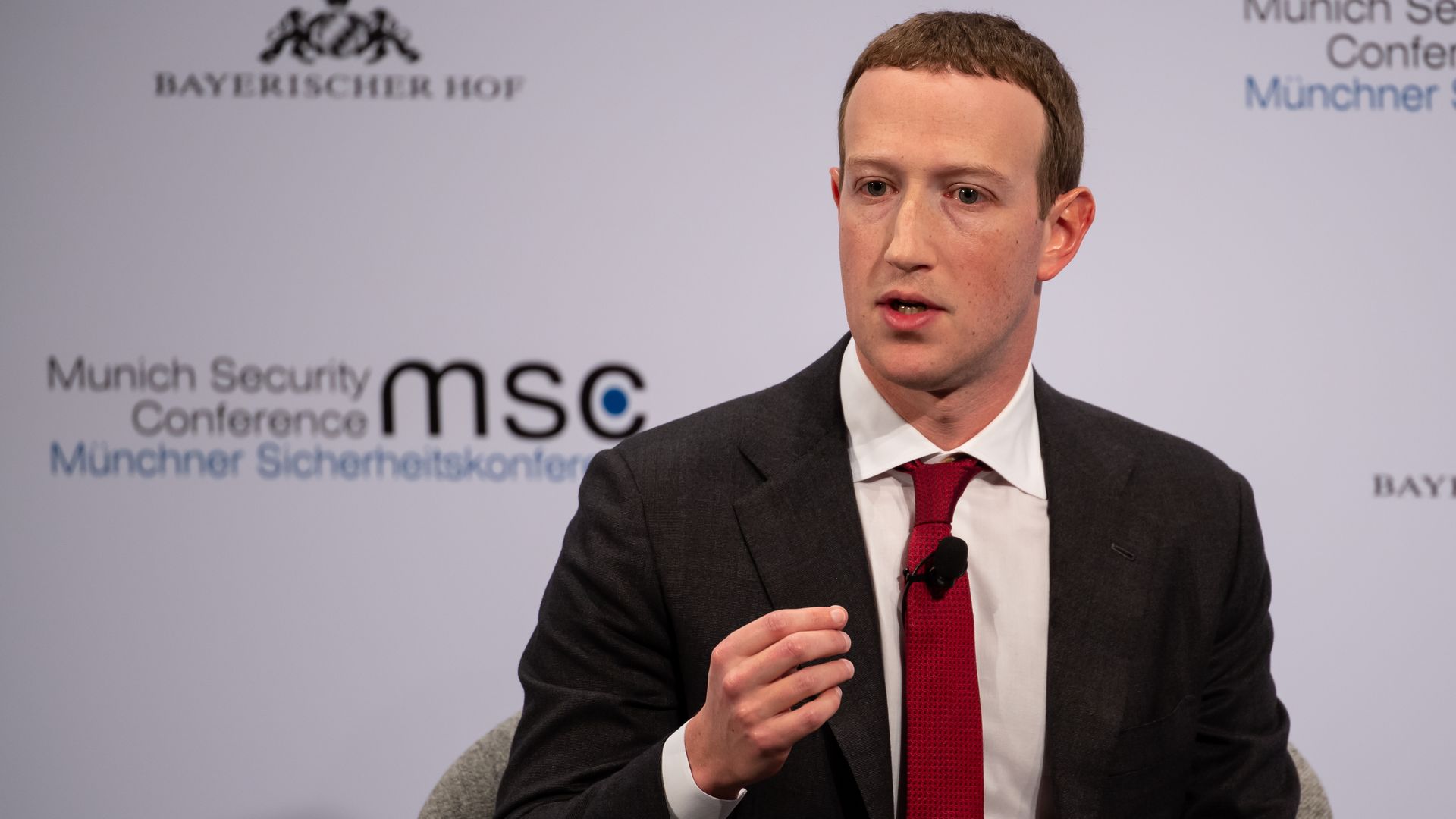
Mark Zuckerberg, signaling his personal involvement in a new Facebook commitment of $100 million to bolstering local journalism, told me that "very local work" is vital to his big mission of bringing the world closer together.
What he's saying: "Everyone believes that local journalism is incredibly important," Zuckerberg told Axios in a phone interview. "But everyone is connected to their local [outlets]. Figuring out how to make an impact, and support local journalism broadly and at scale, has been a challenge."
School districts are exploring ways to keep their homebound pupils connected to the classroom, even though many students don't have the internet service or devices they need to do assignments.
Why it matters: All teachers face the problem of "summer slide" — when students lose skills during summer breaks. This year will be doubly hard because students are losing between one and three additional months of in-classroom instruction due to coronavirus-driven closures.