Fitbit is the latest tech company tasked with launching a consumer product amid the coronavirus outbreak, on Tuesday unveiling a new version of its Charge fitness tracker.
The big picture: While it has been working to add paid subscription services, Fitbit remains dependent on new hardware sales, something that could be trickier in a time when most of America is sheltering in place.
Comcast said on Monday that while demand has increased significantly, so far its network can handle the traffic boost without a noticeable decline in speed or reliability.
Why it matters: There has been much concern over how well the internet would hold up as most of America is working and schooling from home. So far, broadband and wireless providers say they aren't seeing signs of trouble.
It's no shock that online shopping has surged, especially for groceries, but new data from Adobe offers some valuable breakdowns of exactly where consumer dollars are going.
Why it matters: Some buying patterns are likely temporary, but many people may permanently expand what they buy online, even once physical stores reopen.
From barbers to pastors to fitness instructors, any person that used to make money via brick and mortar services, is now turning to online platforms to make money for their expertise.
Why it matters: A slew of old-line industries that once hesitated to embrace digital technologies are now being forced to do so for the sake of survival.
Snapchat said Tuesday that developers can finally integrate its flagship Stories feature into their own apps by utilizing its developer tools, called the "Snap Kit."
Why it matters: It's an integral part of Snapchat's broader growth plans. The social media giant hopes that expanded access to its content and flagship features on other apps will increase its user base — and maybe its bottom line.
The coronavirus pandemic is bringing out Silicon Valley's penchant for problem solving.
The big picture: Tech companies, entrepreneurs, and investors have rushed to find ways to apply their skills, resources, and creativity to tackling the virus and its public health and economic impact.
After recently allowing all customers to cancel reservations due to the coronavirus pandemic, Airbnb says it will spend $250 million to refund 25% of the cancellation fees that hosts would have otherwise received depending on their select policy. It also created a $10 million relief fund for select hosts, which includes $9 million donated by Airbnb's founders.
The big picture: Airbnb has been in the unpleasant position of having to please both sides of its marketplace, while also managing its own finances. It recently cut marketing spend to save $800 million, among other moves, as its business takes a huge hit, a source tells Axios.
Facebook said Monday it's updating its data privacy tools to include additional information about what content users interact with on Facebook and the machine learning data created from their engagement, which the company uses to infer what else they may like.
Why it matters: Facebook wants to ensure it's getting ahead of any privacy regulations, with GDPR now long in effect, and before the new California Consumer Privacy Act (CCPA), which went into effect Jan. 1, starts being officially enforced on July 1.
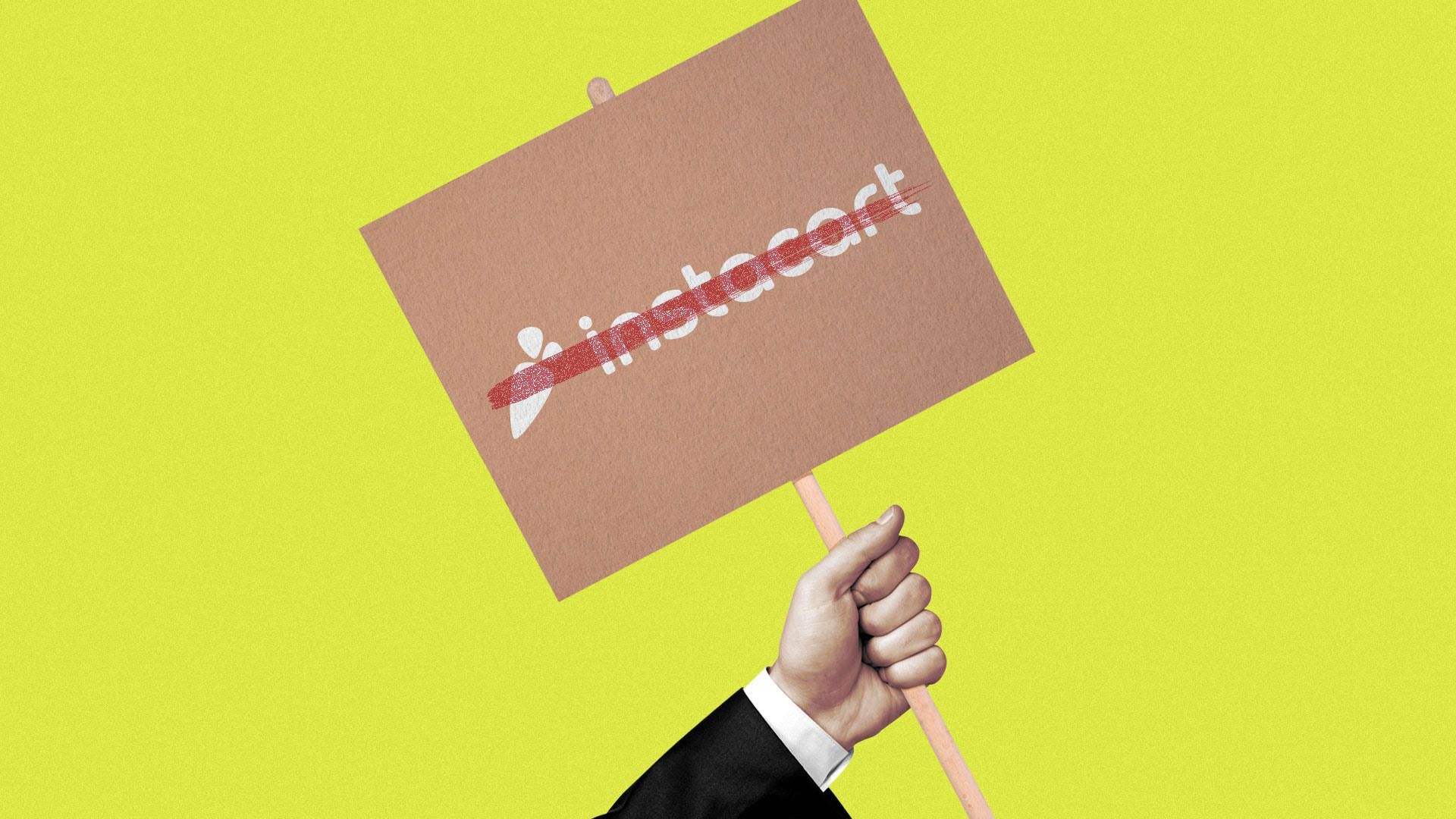
Some Instacart workers plan to go on strike today, arguing that the grocery delivery unicorn's recent increases in pay and safety equipment are insufficient.
Why it matters: Instacart has become a lifeline for many Americans either unable or unwilling to leave their homes, particularly during the coronavirus pandemic.
Microsoft says it has seen some significant spikes in some applications where there are shelter-in-place or social distancing rules.
Why it matters: The increased cloud demand adds to the strain on the internet, but companies whose key apps are in the cloud are far more easily able to accommodate a remote workforce than those that rely on their own servers.
It's notable that Twitter, like other social networks, has announced stricter rules on virus-related misinformation than other types of false posts. Even more notable, though, is that Twitter has actually enforced its rules against prominent accounts in recent days.
Why it matters: Twitter has been criticized for being lax to enforce its rules, particularly against well-known politicians and celebrities.
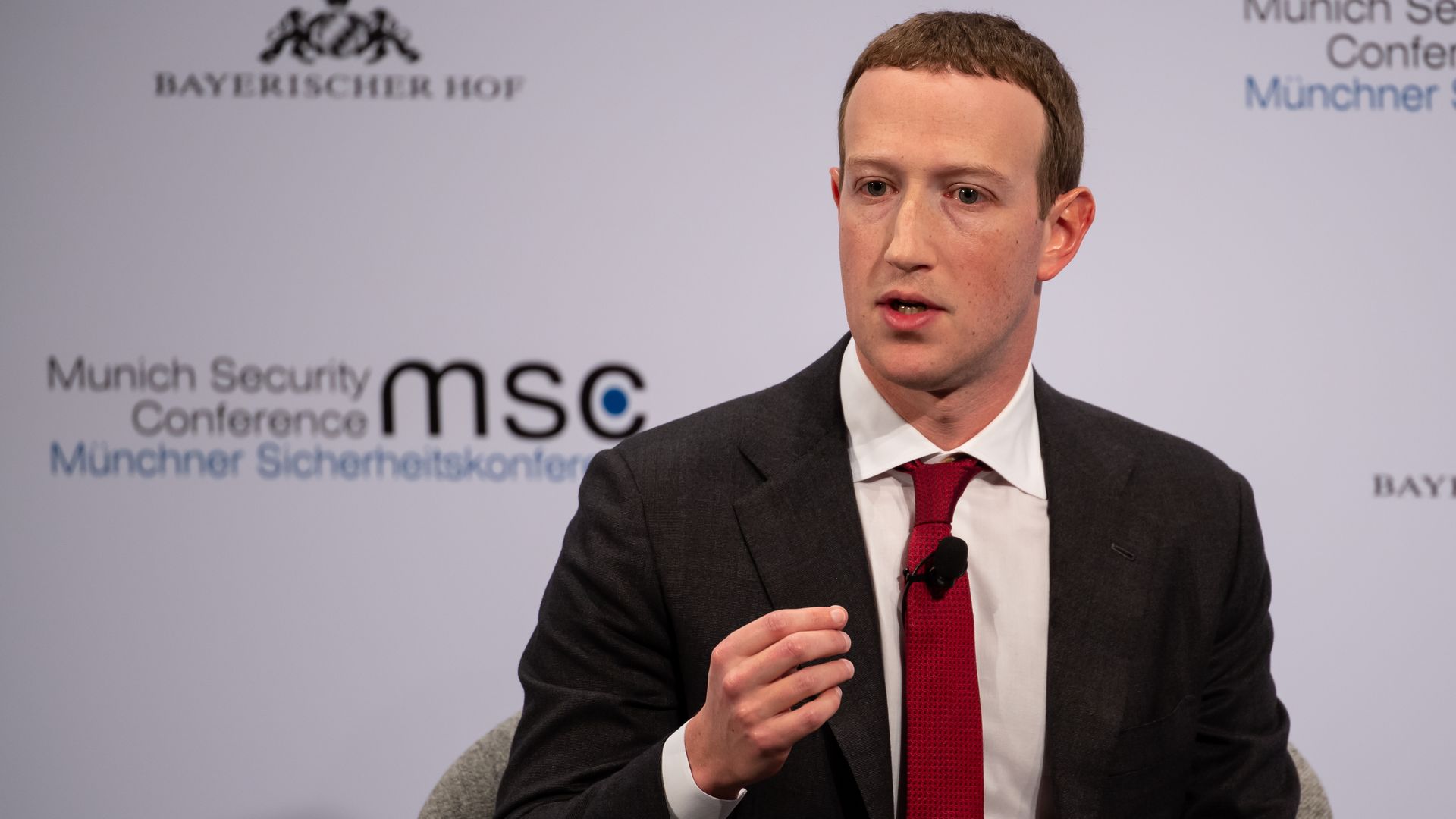
Mark Zuckerberg, signaling his personal involvement in a new Facebook commitment of $100 million to bolstering local journalism, told me that "very local work" is vital to his big mission of bringing the world closer together.
What he's saying: "Everyone believes that local journalism is incredibly important," Zuckerberg told Axios in a phone interview. "But everyone is connected to their local [outlets]. Figuring out how to make an impact, and support local journalism broadly and at scale, has been a challenge."