Millions have embarked on an enforced work-from-home experiment, but it's a little more difficult if you're the CEO of an online messaging company — and you're in quarantine.
Why it matters: Companies that enable remote working have become virtual utilities at a moment of high demand, and they're pushing hard to remain reliable while working under the same conditions as the rest of us.
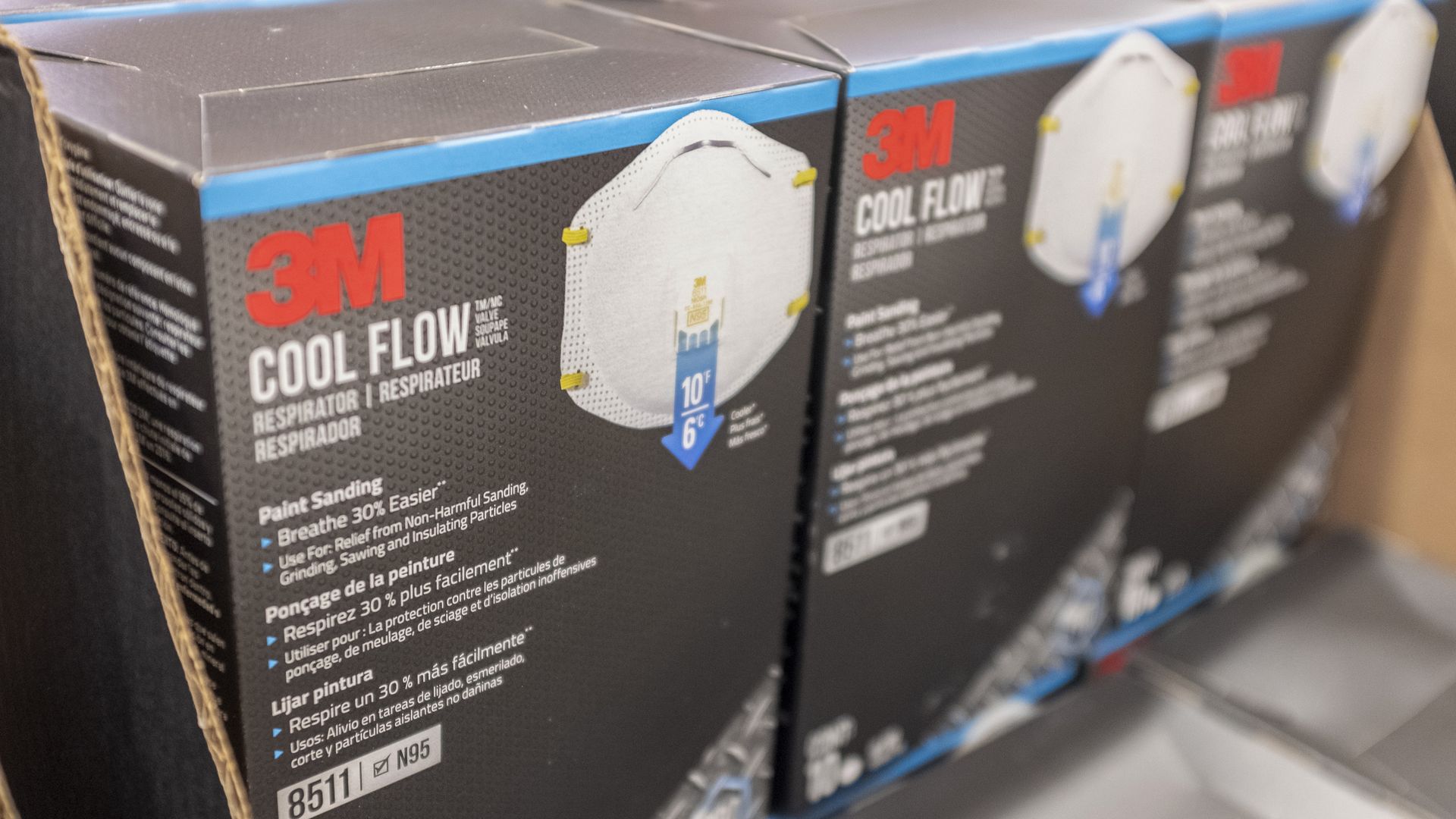
U.S. tech firms are donating big supplies of N95 masks, raising questions about why they have them in the first place. It largely comes down to stockpiling for California’s wildfires.
Why it matters: Health care professionals need all the masks they can get their hands on (far more than that, really).
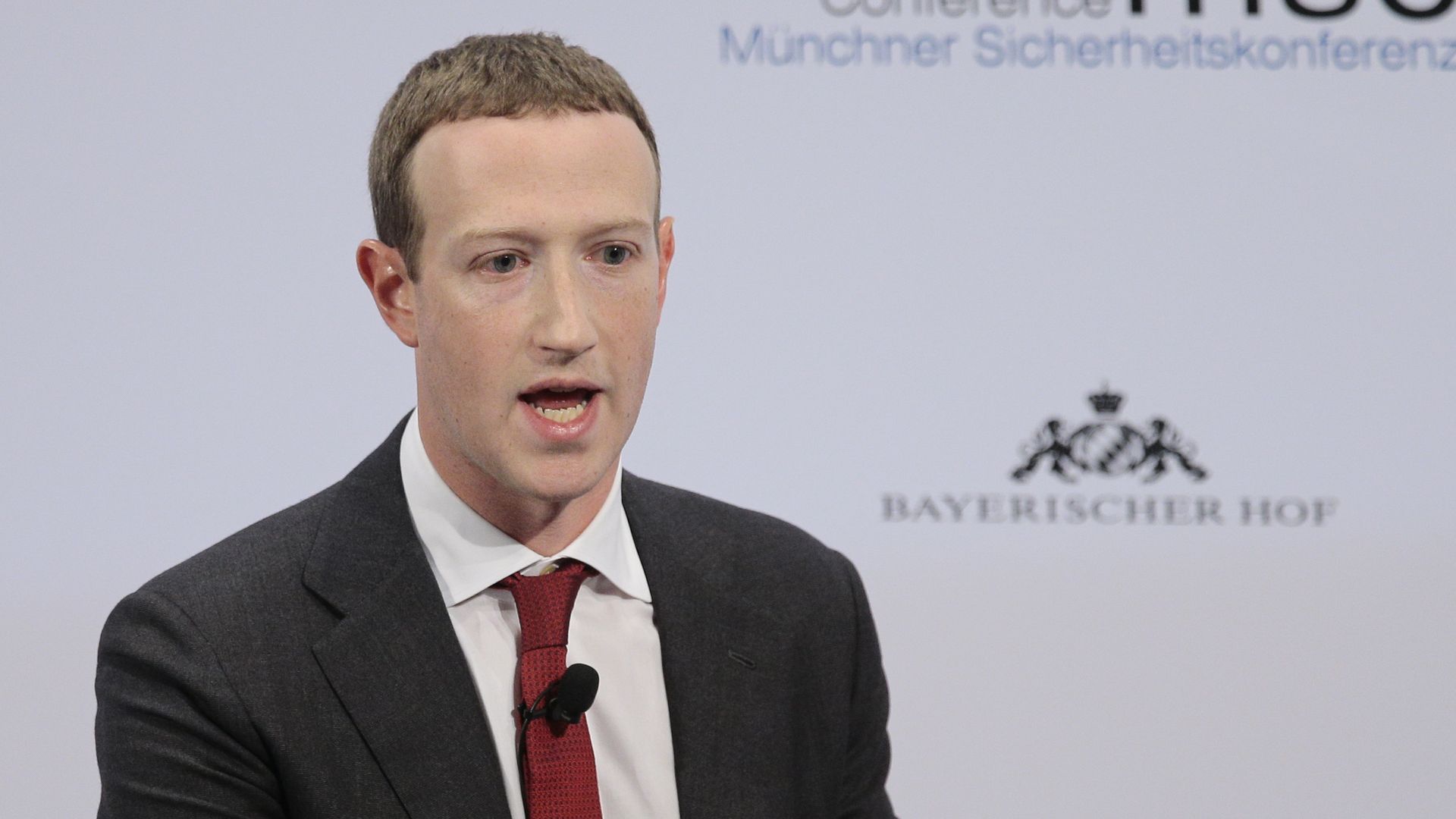
Facebook is said to be in talks to buy a 10% stake in Indian telecom operator Reliance Jio, according to the Financial Times.
Why it matters: Facebook has long sought to invest in big markets where internet connectivity is sparse, expensive, or both — figuring that a boost in internet usage will result in more users. Its last approach, subsidizing free use of Facebook, was poorly received in India. This would appear to be a different means to achieve the same end.
Governments around the world have turned to high-tech solutions like smartphone tracking and Bluetooth bracelets to slow the novel coronavirus' spread. For both practical and cultural reasons, however, the U.S. is unlikely to try such methods.
The big picture: The U.S. plainly needs more tools for slowing the spread of COVID-19. But a lack of testing supplies, the absence of nationwide strategies and policies, an individualistic culture, and concerns over civil liberties all stand in the way of adopting these techniques.
Silicon Valley may end up with large numbers of abandoned employee equity, as startups cut jobs amid the coronavirus-caused economic uncertainty.
Why it matters: Startup employees typically have just 90 days from the end of employment to either exercise their stock options, for which they must pay cash, or to let them go.
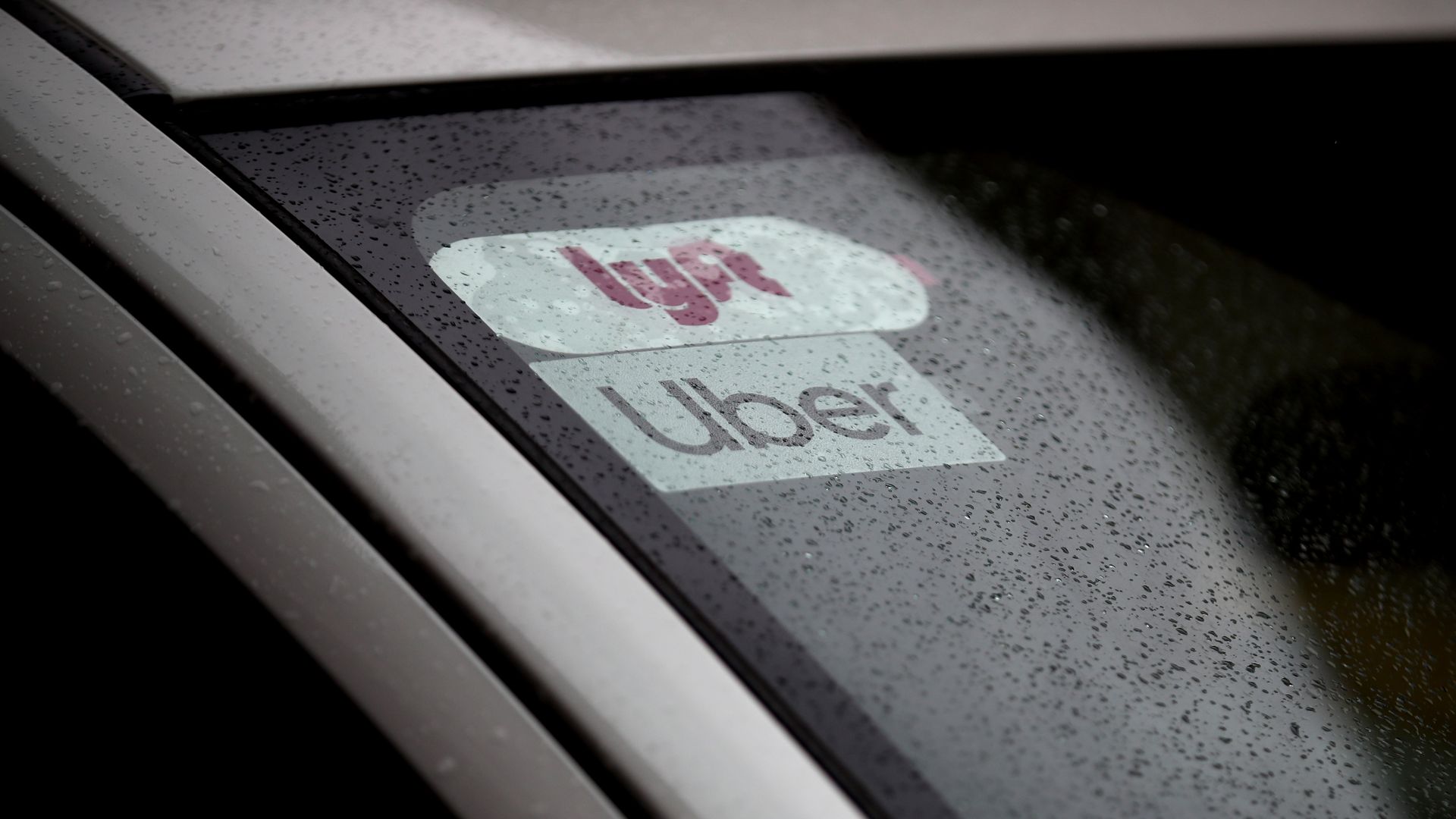
Why it matters: This is an unprecedented expansion of benefits to gig economy workers, who have been classified as independent contractors instead of employees by ride-hailing and food delivery companies, among others.
Why it matters: A COVID-19-caused recession will likely lead to a spike in automation, meaning some of the jobs lost to the virus will never return as companies restructure their operations to rely more on machines than people.
Twitter said Tuesday that it's donating $1 million to the Committee to Protect Journalists and the International Women's Media Foundation ($500,000 each) to support newsrooms while covering the novel coronavirus.
Why it matters: Many newsrooms are struggling with how to balance covering the virus while ensuring the safety of their employees. Others are struggling to cover COVID-19 without the steady stream of ad revenue coming in during the pandemic.
Southern California broadband provider Wander is offering free high-speed internet to all families in Santa Monica with school-age children for the rest of the academic year.
Why it matters: School districts across the country are moving to virtual learning to keep students engaged during coronavirus-induced closures. But e-learning requires a reliable broadband connection, which many families do not have at home.
Tech companies are using artificial intelligence and other tools to comb through coronavirus data to track cases and find transmission hotspots.
Why it matters: Finding patterns in otherwise discrete data points could help make sense of where and how the virus is spreading in the U.S., and could aid in allocating the country's limited testing and treatment capabilities.
House Democrats' coronavirus response plan unveiled Monday would direct funding to pay for WiFi hotspots for students and bar broadband providers from imposing data caps during the crisis.
The big picture: House Speaker Nancy Pelosi announced the legislation after Republicans and Democrats in the Senate failed to move their own stimulus measure forward.