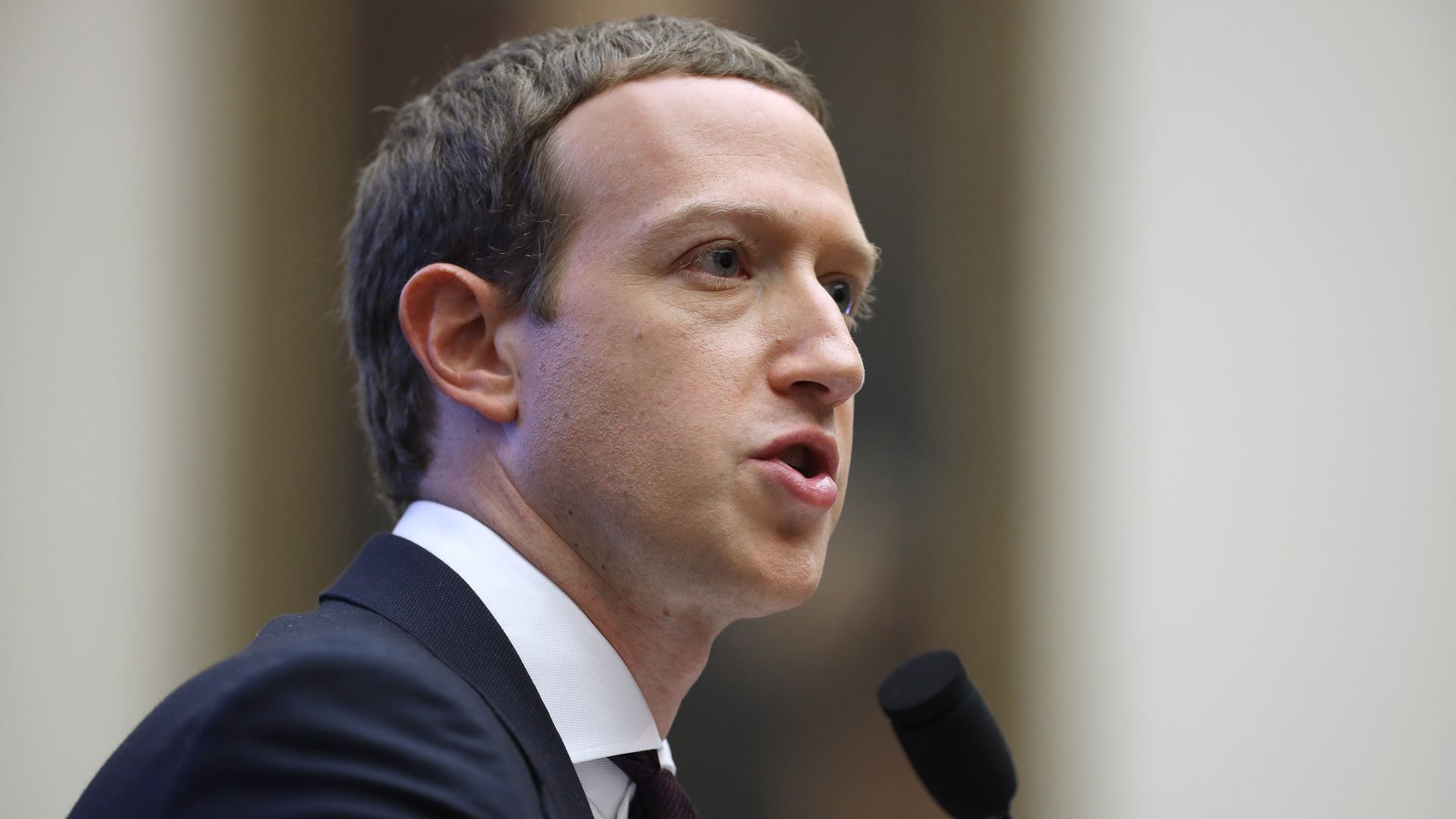
The personal banking information of about 29,000 Facebook employees was compromised last month after a thief stole hard drives from an employee's car, Bloomberg reports.
Details: The breach happened on Nov. 17, but Facebook realized it three days later and notified employees Friday. The unencrypted payroll data, which included no user data, included items like employee names, bank account numbers, the last four digits of Social Security numbers and compensation information.
Florida has become a hotbed for self-driving cars, thanks to its mild weather, unique demographics, lenient laws and an ambitious state senator.
Why it matters: States at the forefront of autonomous vehicle testing stand to reap the economic benefits — and perhaps problems, too — of self-driving cars.
Self-driving truck company Plus.ai says it completed the first coast-to-coast commercial freight run with an autonomous truck.
Why it matters: Driving both day and night, Plus.ai completed the 2,800-mile trip from Tulare, Calif., to Quakertown, Pa., in less than three days, an important milestone in validating the system’s ability to safely handle a wide range of weather and road conditions.
Tech companies have increasingly been participating as co-hosts or sponsors of political debates. But this cycle, two of the biggest tech giants, Facebook and Google, are so far noticeably absent from the Democratic primary debates.
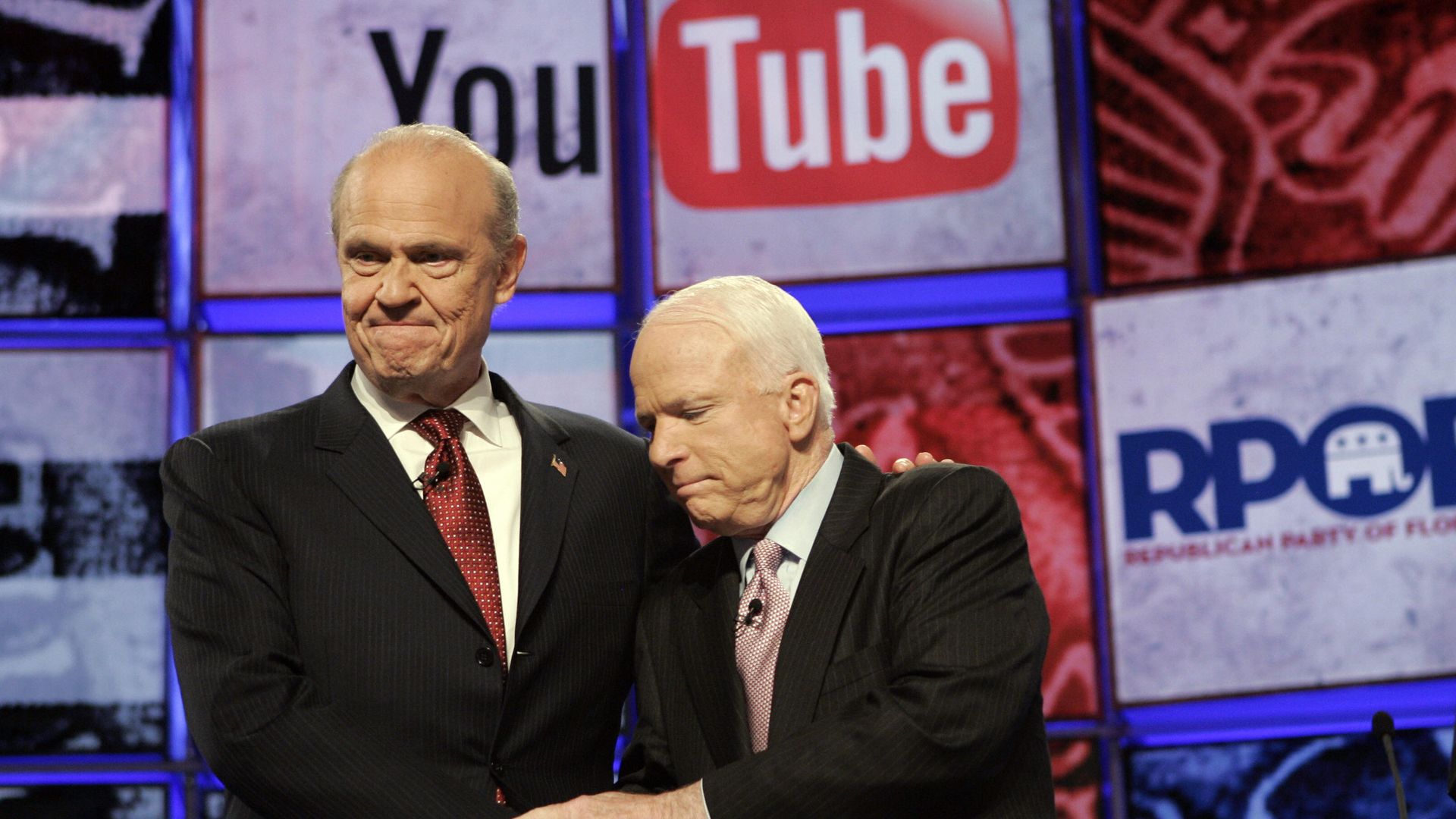
Why it matters: Google and its video subsidiary YouTube, as well as Facebook, first partnered with TV networks for debates during the 2008 presidential cycle. Their presence has continued as a part of subsequent debates until this year.
Wishing your friends a happy birthday on social media now comes with a side of guilt.
Why it matters: "Tech is making it easier to stick a virtual hand out ... for tips and gifts you might not have planned to give," reports USA Today's Edward C. Baig.
If you're a white man who works at Intel, there's a 27.8% chance that you make more than $208,000 per year. If you're a black woman who works at Intel, there's only a 9.5% chance that you make that much.
Officials at the Federal Trade Commission are weighing seeking a preliminary injunction against Facebook over antitrust concerns, the Wall Street Journal reports.
Where it stands: Such an injunction would seek to bar Facebook from integrating different products. Facebook also owns Facebook Messenger, Instagram and WhatsApp. A majority of the FTC's five member board would need to vote in favor of seeking an injunction in federal court.
Facebook said on Thursday that the company has made an initial commitment of $130 million to fund a trust for its global content oversight board. The board was proposed in 2018 as an independent authority to help users appeal Facebook's content moderation decisions.
Yes, but: The company disclosed that it was behind on announcing its board members, of which it could appoint up to 40. Facebook was planning to announce them by year's end, but said, "we've decided to take additional time to consider the many candidates who continue to be put forward."
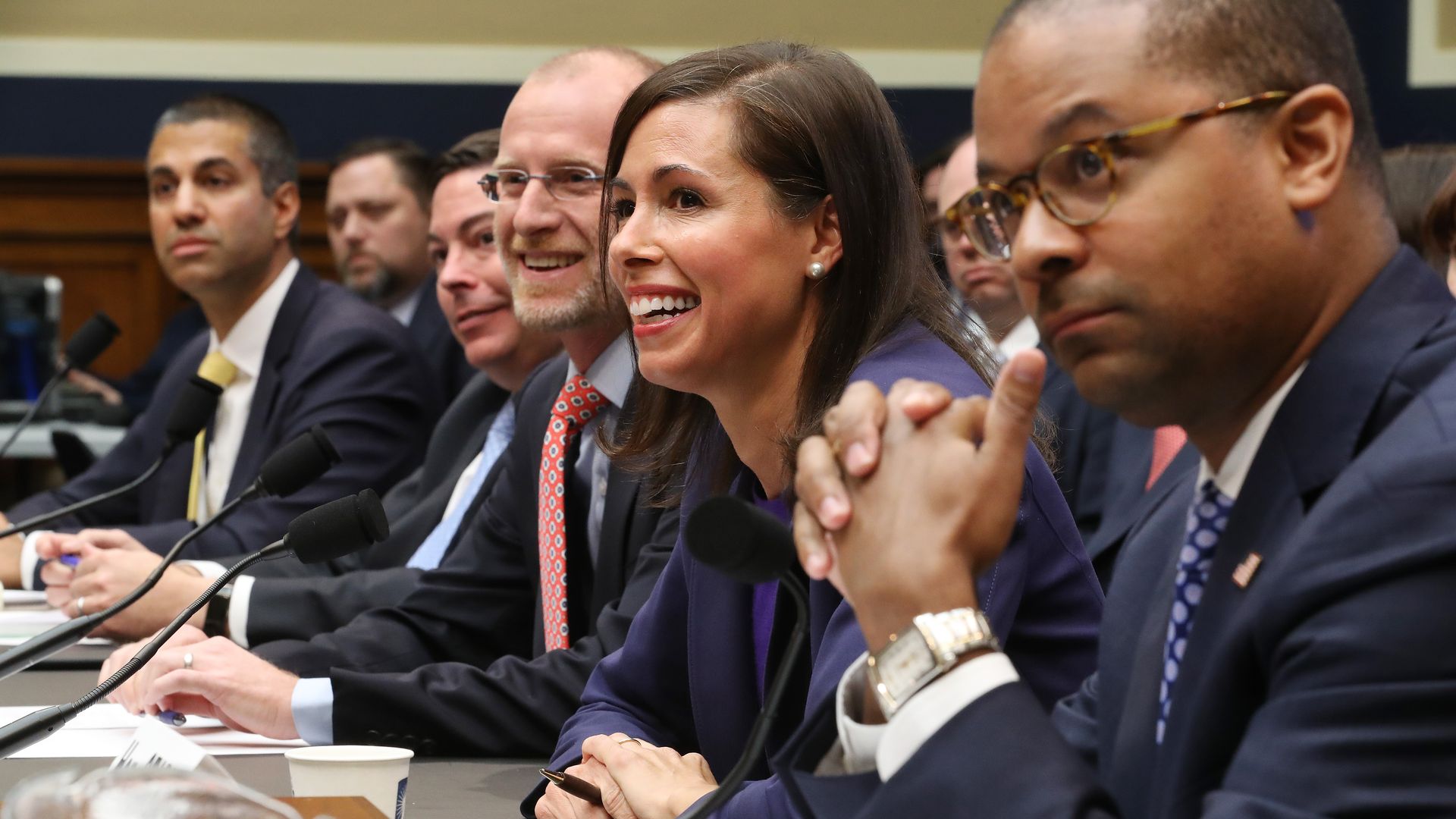
The Federal Communications Commission voted unanimously Thursday to take a swath of airwaves long set aside for auto safety and open it up for WiFi and other uses.
The big picture: The FCC's proposal comes over the objections of the Department of Transportation. It wanted to preserve the 5.9 GHz band for car-to-car communications aimed at preventing crashes and eventually managing traffic once self-driving and semi-autonomous vehicles hit the roads.
A Senate Judiciary Committee hearing Tuesday set up what's likely to be the most consequential national debate on encryption since the 1990s.
The big picture: The technical community's long-held consensus against weakening encryption is colliding head-on with bipartisan political hostility toward the Big Tech companies that are making encrypted communications an internet default.
Governments around the world are taking a much closer look at proposed mergers, often on antitrust grounds, with bankers telling Axios that they've changed their approach with clients.
The big picture: "We used to look for reasons that a regulator might object to a deal," said a senior deal-maker at a large Wall Street bank. "Now we look at it from the opposite direction: We assume there will be objections, and then look for reasons why it won't get held up."
Why it matters: Twitter is under pressure to better crack down on bots, hate speech and misinformation, but it is unclear how open standards will help address any of these issues.
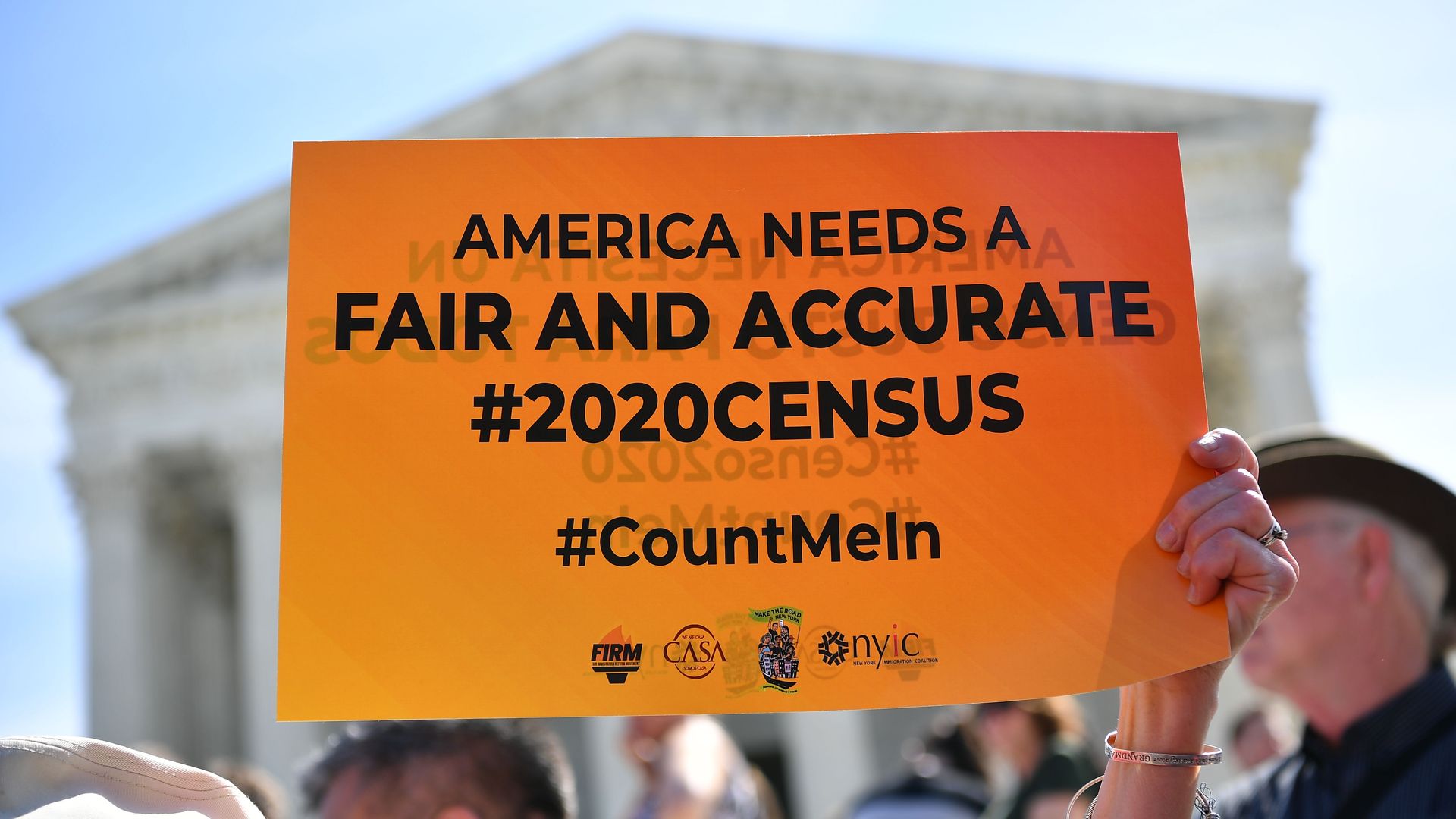
Google on Wednesday offered a roundup of its efforts to keep census misinformation from infesting YouTube, search, ads and other products. It's the latest signal from a tech platform looking to show it's taking the 2020 census seriously.
Why it matters: Census results from 2020 will be used to draw political districts in 2022, shaping democratic representation in the U.S. for a decade.










/2019/12/12/1576167815149.gif?w=3840)