If you're decorating an apartment for cheap, you might buy everything — couch, bed, dresser, cupboards, desk — from Ikea.
But, but, but: What if you're in a tiny, tiny apartment, the kind that's increasingly prevalent in huge, packed cities? Well, you might go instead for Ikea's all-in-one couch-bed-dresser-cupboards-desk.
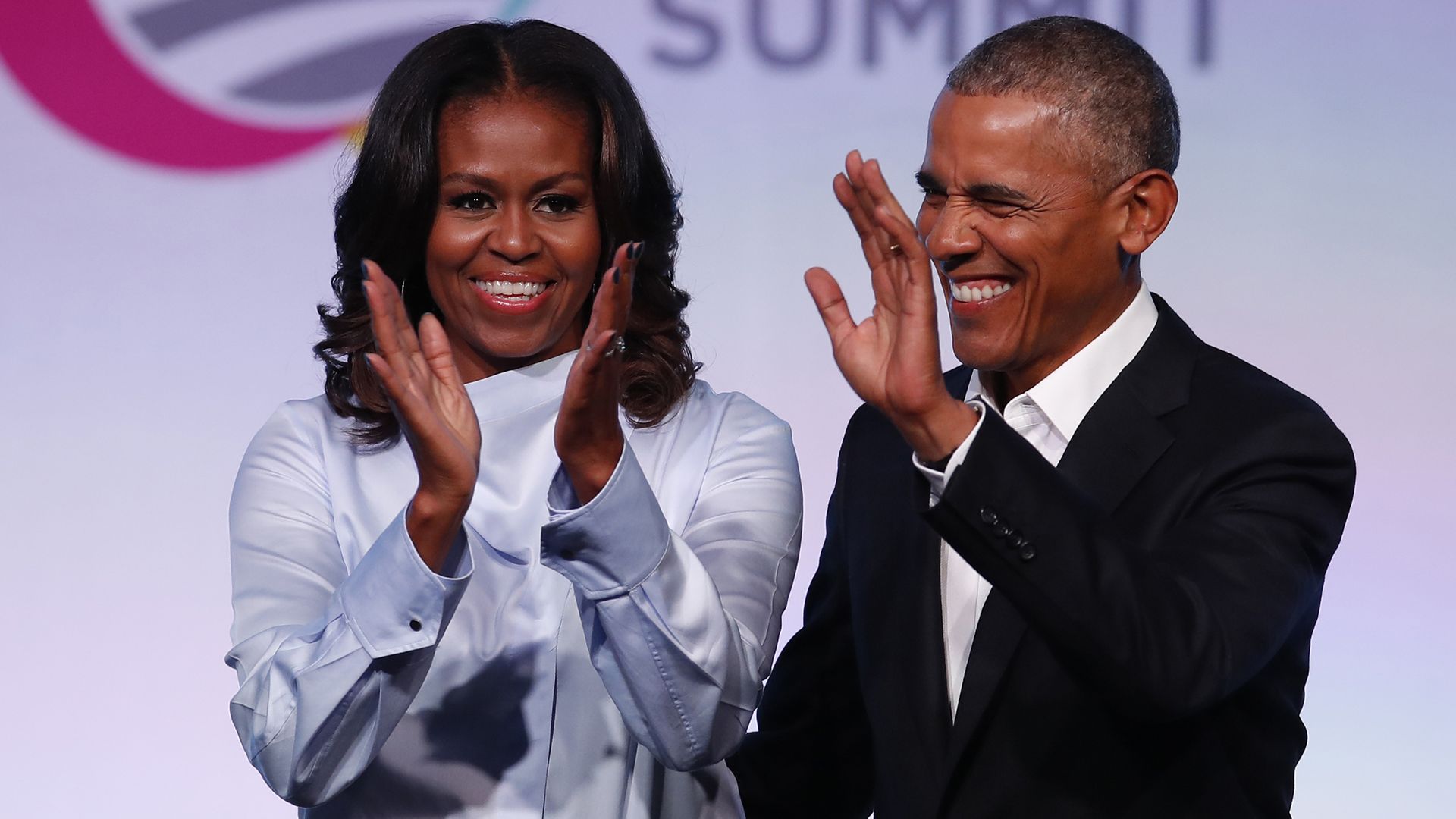
Barack and Michelle Obama have signed an exclusive deal with Spotify to produce a series of podcasts, Variety reports.
Why it matters: Politicians are increasingly turning to streaming media, like Netflix, as a way to reach the younger audience that uses those platforms, according to Axios' Sara Fischer. The Obamas signed a similar multi-year production deal with Netflix last year.
YouTube found itself the center of discussion around hate speech Wednesday, but not in the way it had hoped.
Driving the news: The company had long ago picked the date to announce a range of new policies aimed at limiting the presence and spread of hate speech on its platform. Instead, the announcement came in the midst of another uproar over the platform's enforcement of its policies, this one centering around conservative host Steven Crowder and the many homophobic and racial insults he has made over the years against Vox's Carlos Maza.
Robots are getting pretty good at the repetitive, precise tasks that make up a good deal of factory and warehouse work. But place one in a home it's never seen before, or on a busy sidewalk, and it's likely to struggle to get around or do anything useful.
Driving the news: These chaotic scenarios — called "edge cases," because no two are the same — are the singular focus of a new robotics startup that was announced today. The high-powered venture wants to teach robots to think more like people in order to navigate the world.
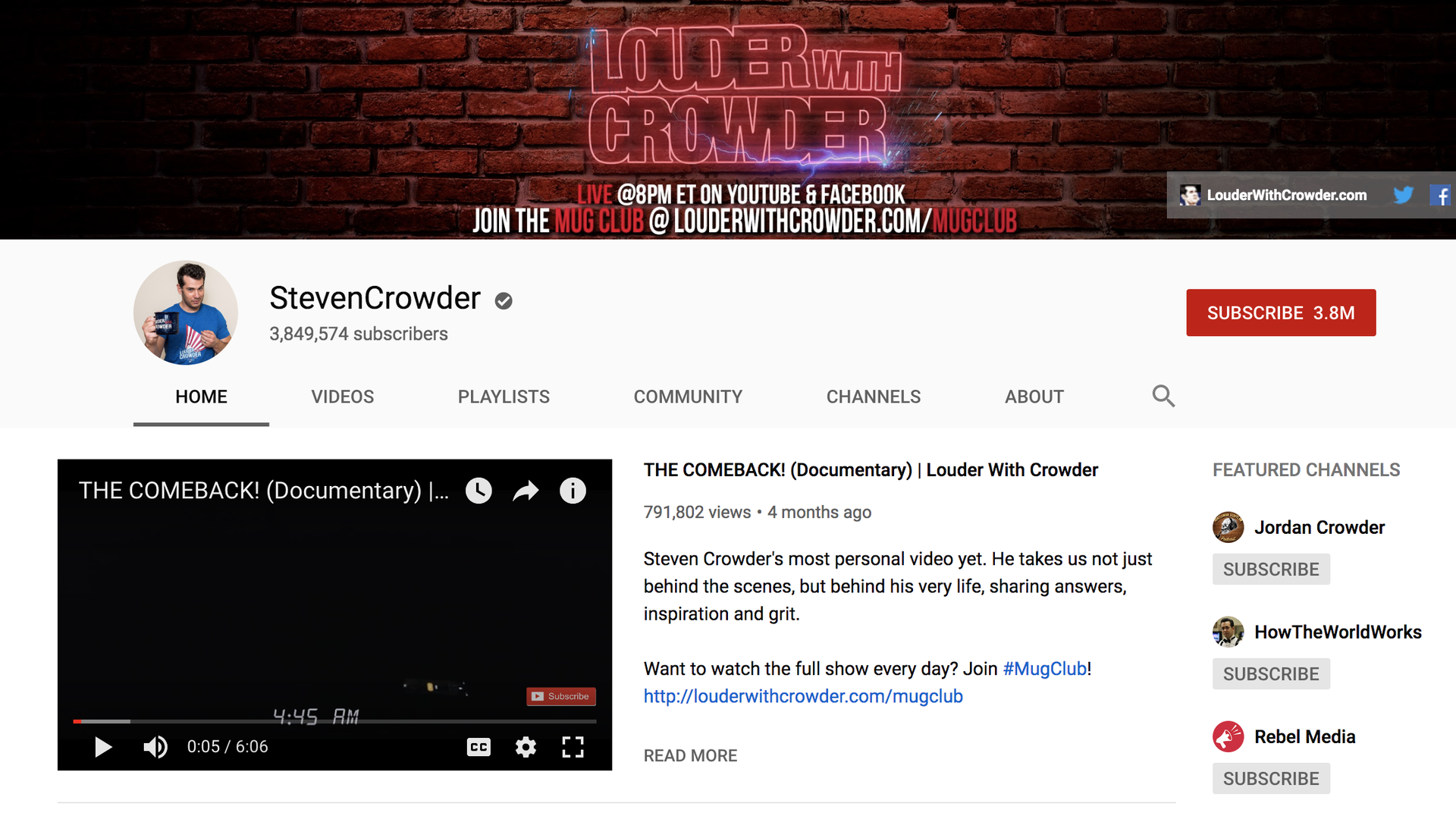
YouTube said Wednesday it was suspending ad revenue opportunities for Steven Crowder, a popular conservative creator who used a variety of racial and homophobic insults against Vox journalist Carlos Maza.
Why it matters: The Google-owned video site had been accused of failing to uphold its own standards after taking no action despite video clips showing Crowder directing various insults at Maza. Crowder is popular on YouTube, with more than 3.8 million people subscribed to his channel.
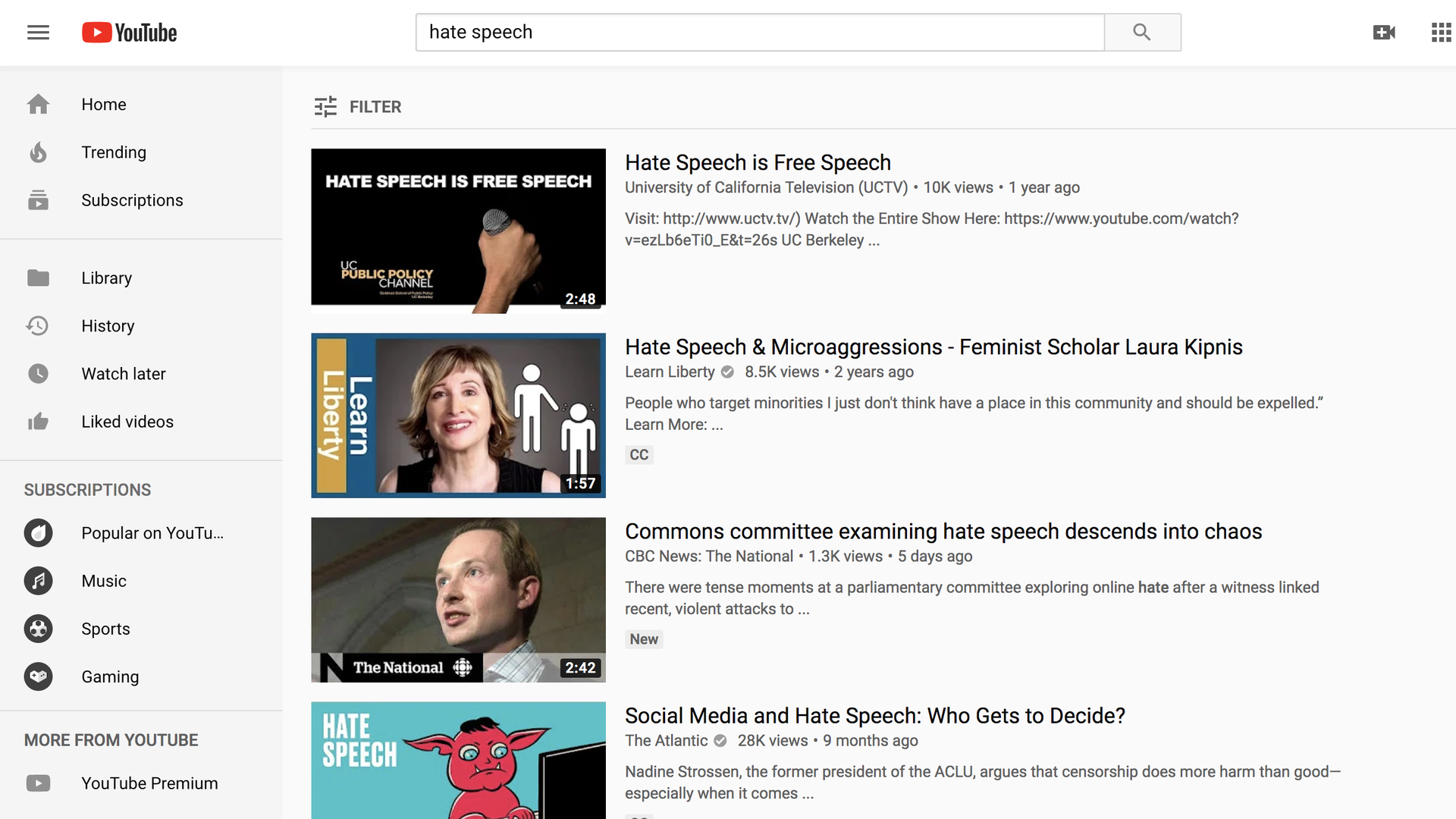
YouTube today is announcing three changes designed to limit the posting and spreading of hate speech, even as the Google-owned video site faces fresh complaints it is allowing such content to flourish.
Why it matters: YouTube has been promising to improve both its policies and recommendation algorithms, but big problems persist.
By the end of its developer conference keynotes, Apple often has users drooling for all the ways their existing iPhones will be better with the next version of the operating system. This year, though, the changes seemed more modest than in years past.
Why it matters: IPhone sales have already been struggling as users keep their devices longer and most people who can afford a high-end smartphone have one.
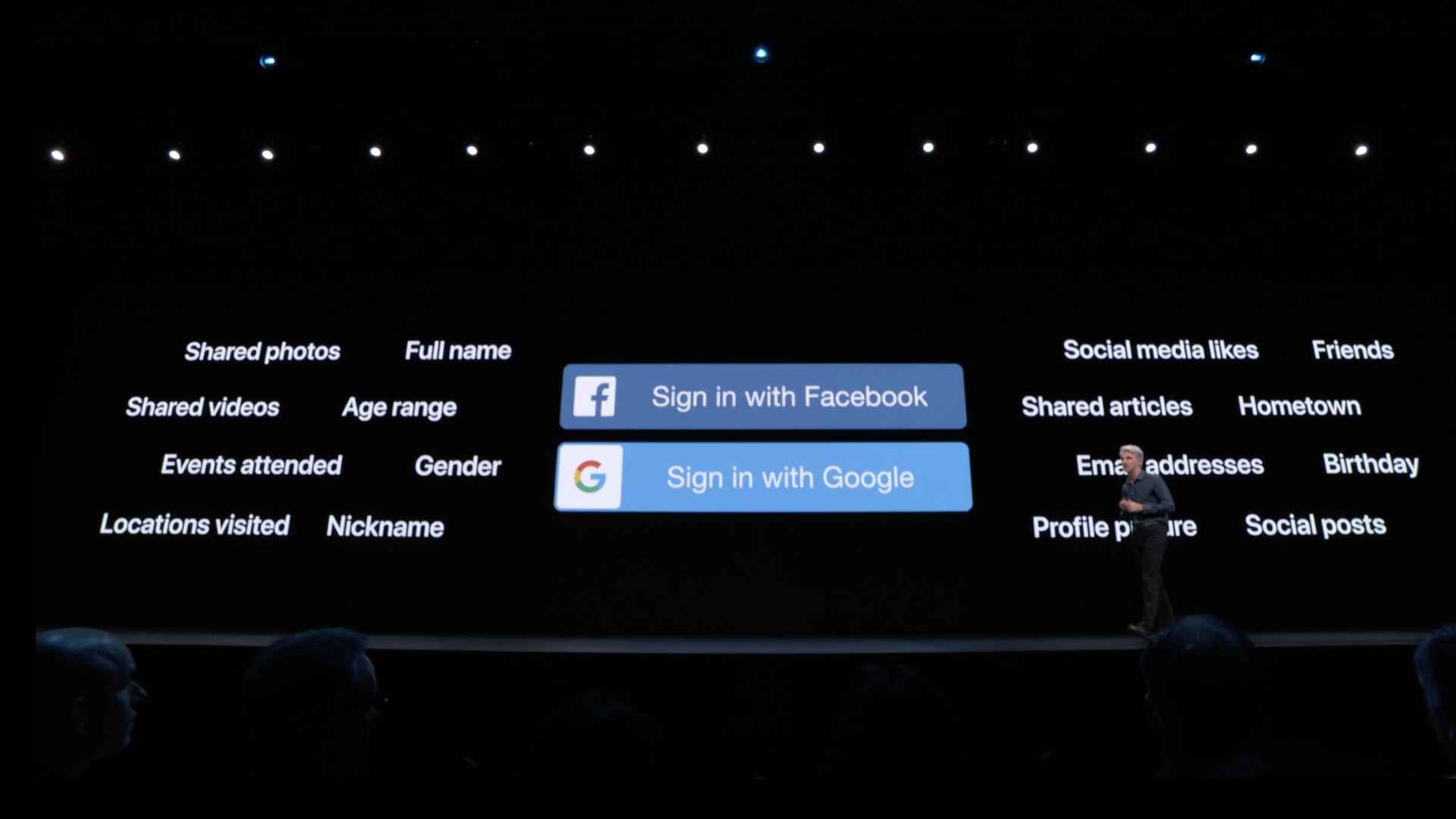
Regulators are increasingly policing Big Tech's privacy violations while also investigating the same companies for anticompetitive behavior. Now Apple has thrown them a curve ball: It's leveraging its platform's market power to help users protect their privacy.
Driving the news: The new "Sign In with Apple" service, announced Monday, aims to offer apps and websites a privacy-protecting alternative to using Google or Facebook as a means of authenticating user logins.
Americans view made-up news and information as a bigger problem than other critical issues, including terrorism, immigration, climate change and racism, according to a new survey from Pew Research Center.
Why it matters: The survey finds that Americans feel more worried today about fake news because it's undermining their trust in key institutions, like government and the media.
Editor's note: This was published in 2019, and Axios has since updated its privacy policy.
If you are a reader of Axios, either through our website or newsletters, we've collected some information about you.
Why it matters: We've written extensively about the data collection practices of big tech platforms. Media companiesmake money from free, ad-supported content and, in some cases, reader subscriptions — both of which require some level of data collection. Since we're turning this lens on so many other companies, we want to do our best to turn it on ourselves as well.