Many of the changes coming to Apple's operating system this fall are nice-to-have tweaks rather than big, bold changes. However, the announcement of Sign In with Apple stands out.
Why it matters: Apple's service is similar to ones already offered by Facebook and Google. But Sign In with Apple is making privacy an explicit feature and doing so in a way that will make it tough for its competitors.
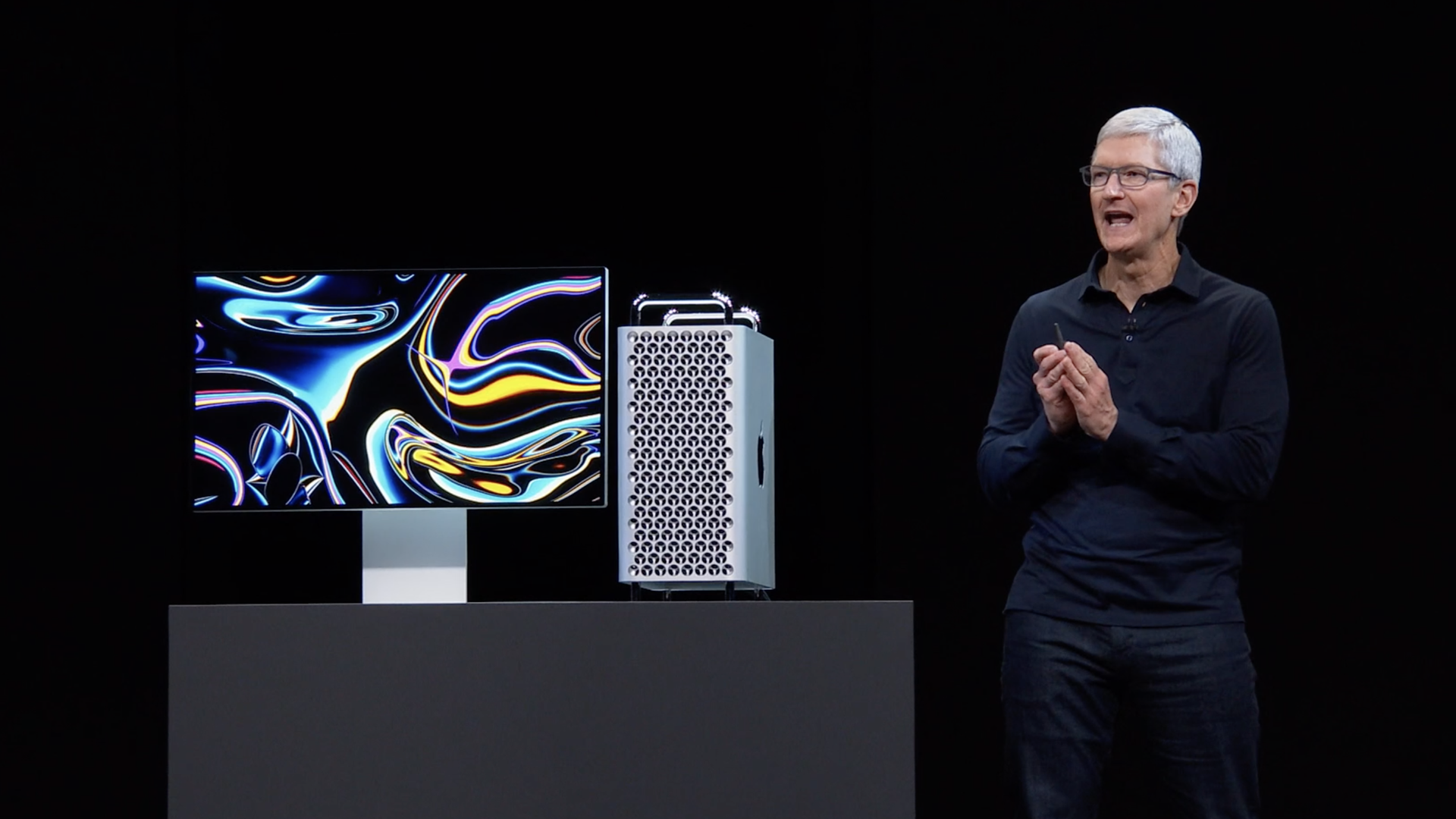
Two years ago, I was one of a handful of reporters as Apple SVP Phil Schiller and leaders of the Mac team disclosed their plan to scrap the existing Mac Pro in favor of an all-new design that was still at least a year away from readiness.
Driving the news: On Monday, the same reporters and Apple leaders gathered at WWDC to talk about the new Mac Pro and get the rest of the story.
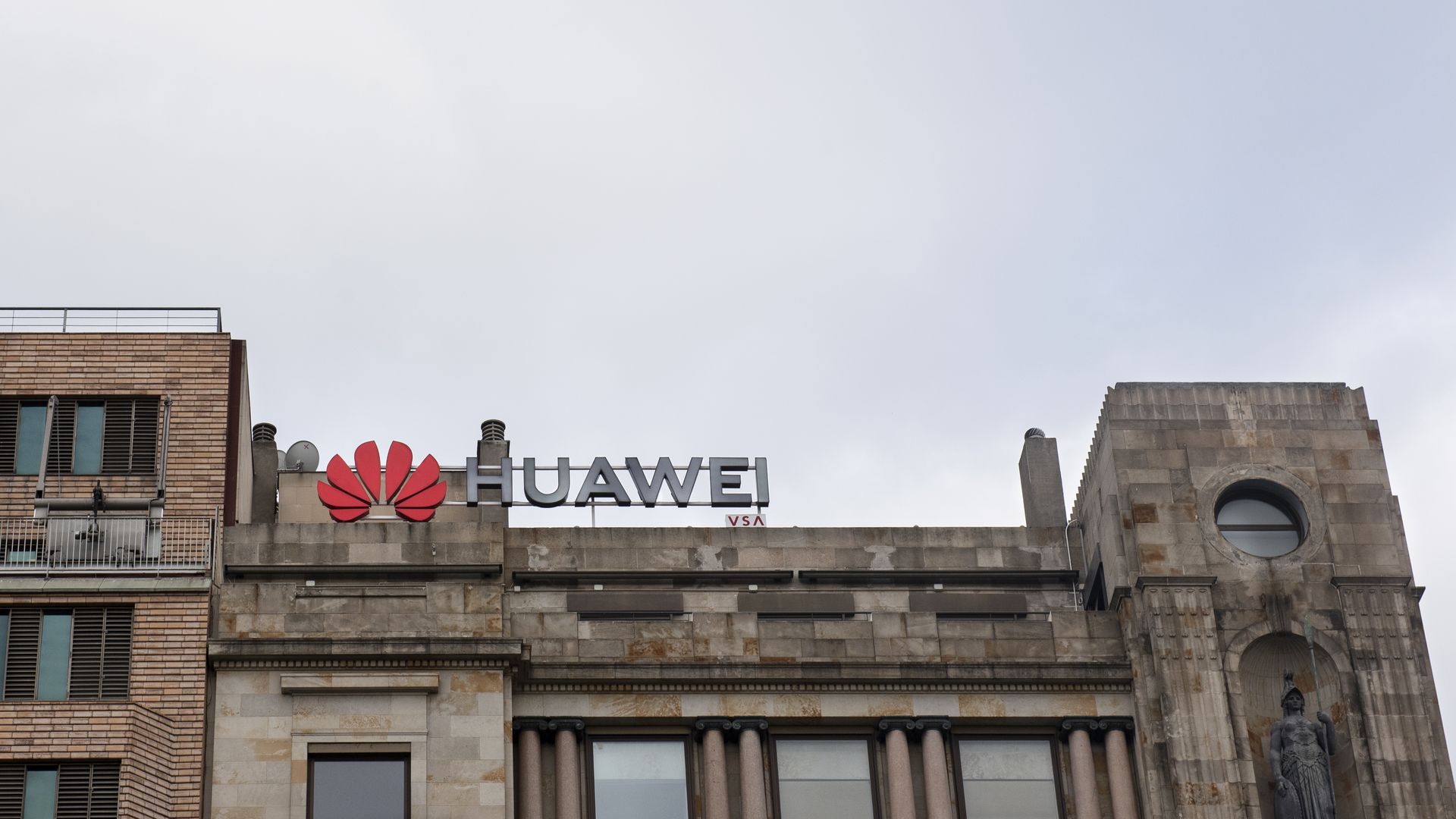
Huawei is set to sell its underseas cable business, a move that could help China continue a critical part of its global infrastructure push.
Why it matters: Two weeks ago, the U.S. Commerce Department added Huawei to its “entities list,” blocking it from U.S. suppliers. The sale of Huawei’s underseas cable business would effectively pass the baton to another Chinese national champion, Hengtong Group.
Airlines are expecting their worst year since 2014, the auto industry has laid off more people than it has in a decade and manufacturing is starting to contract across the globe.
Why it matters: Transportation can be a doubly important signal about the health of the economy. More planes, ships and trains transporting cargo mean companies are selling products and business is growing. More passengers on planes, trains and ships also means more people feel economically confident to travel.
Broad U.S. antitrust action against Big Tech moved firmly from the speculative realm to the investigative mode in the last 72 hours, as both Congress and regulatory agencies appeared to be moving forward with inquiries.
The big picture: While the pressure on the likes of Google, Facebook, Amazon and Apple has been mounting for years, the one-two punch of a public Congressional investigation into their dominance and possible antitrust probes by regulators marks a major escalation in tensions.
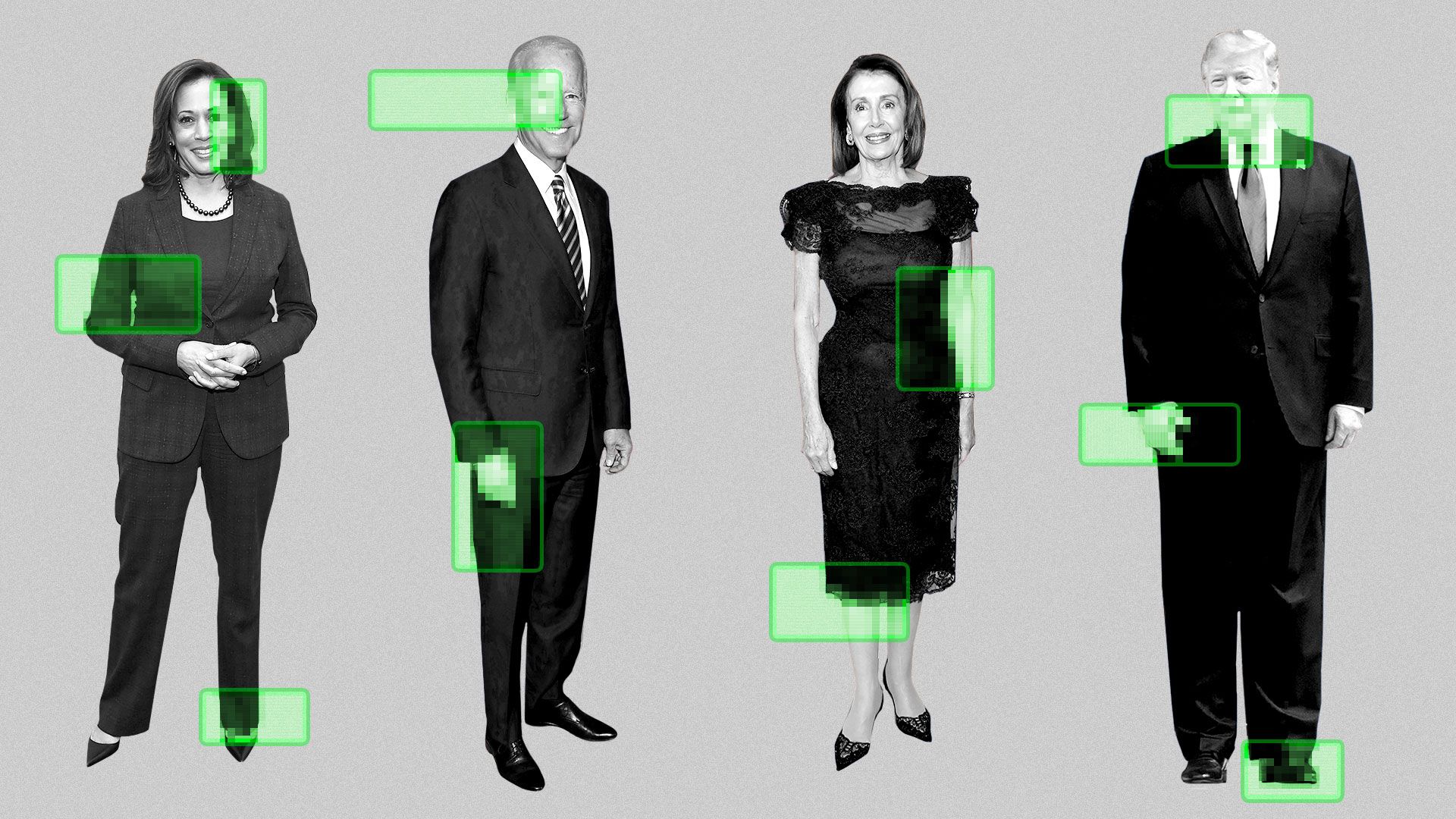
The 2020 presidential campaigns appear to have done little to prepare for what experts predict could be a flood of fake videos depicting candidates doing or saying something incriminating or embarrassing.
Driving the news: The recent manipulated video of House Speaker Nancy Pelosi was just a taste of what could lie ahead. Fake video has the potential to sow huge political chaos, and countering it is wildly difficult. And right now, no one can agree who's responsible for countering it.
The House Judiciary Committee announced Monday that it will launch a bipartisan, sweeping antitrust investigation into major tech companies.
"A small number of dominant, unregulated platforms have extraordinary power over commerce, communication, and information online. Based on investigative reporting and oversight by international policymakers and enforcers, there are concerns that these platforms have the incentive and ability to harm the competitive process. The Antitrust Subcommittee will conduct a top-to-bottom review of the market power held by giant tech platforms. This is the first time Congress has undertaken an investigation into this behavior."
Apple used its annual developer conference to debut a fully redesigned desktop computer for professionals. Unlike the cylindrical model it replaces, the new Mac Pro (due out this fall) features a design reminiscent of years past, giving it significantly more expansion options. The power and flexibility come at a price, though, with the computer starting at around $6,000. You can see our hands-off video here. (We weren't allowed to touch it.)
Why it matters: Though they don't represent a large percentage of Apple's computer sales, professional users are among the company's most demanding and loyal customers.
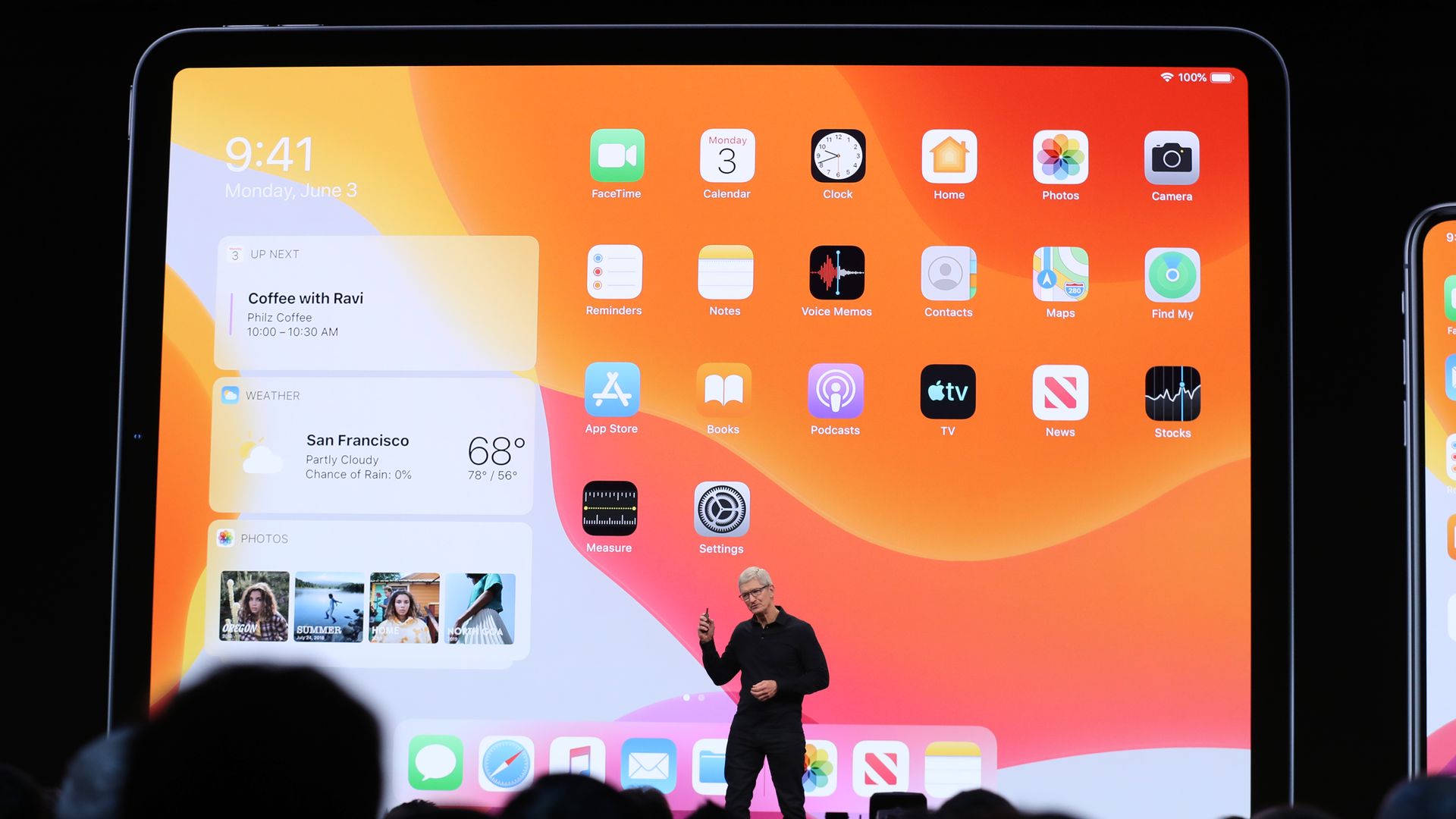
Apple used its annual Worldwide Developer Conference to unveil a redesigned Mac Pro for professional users and debut iOS 13 — the next version of its iPhone operating system. It also previewed updates coming to its iPad, Mac, Apple TV and Apple Watch operating systems.
Why it matters: The announcements come as Apple has seen growth in the iPhone slow even as the device has become ever more central to its business. Apple's summer software moves typically lay the groundwork for new hardware in the fall.
China's Huawei is set to sell a majority slice of its undersea cable division to Hengtong Optic-Electric Co., a Chinese manufacturer of optical cables, per a Shanghai regulatory filing.
Why it matters, via Axios' Dan Primack: This is the first concrete indication that Huawei is scaling back some of its global infrastructure ambitions.
The threat level rose for Big Tech in Washington over the weekend, as U.S. antitrust regulators reportedly took steps toward greater scrutiny for Google and Amazon.
Why it matters: These moves could set the table for the kind of long-running antitrust cases that can sap company resources, result in embarrassing legal discovery and depositions, and, in the most extreme scenarios, lead to corporate breakups.
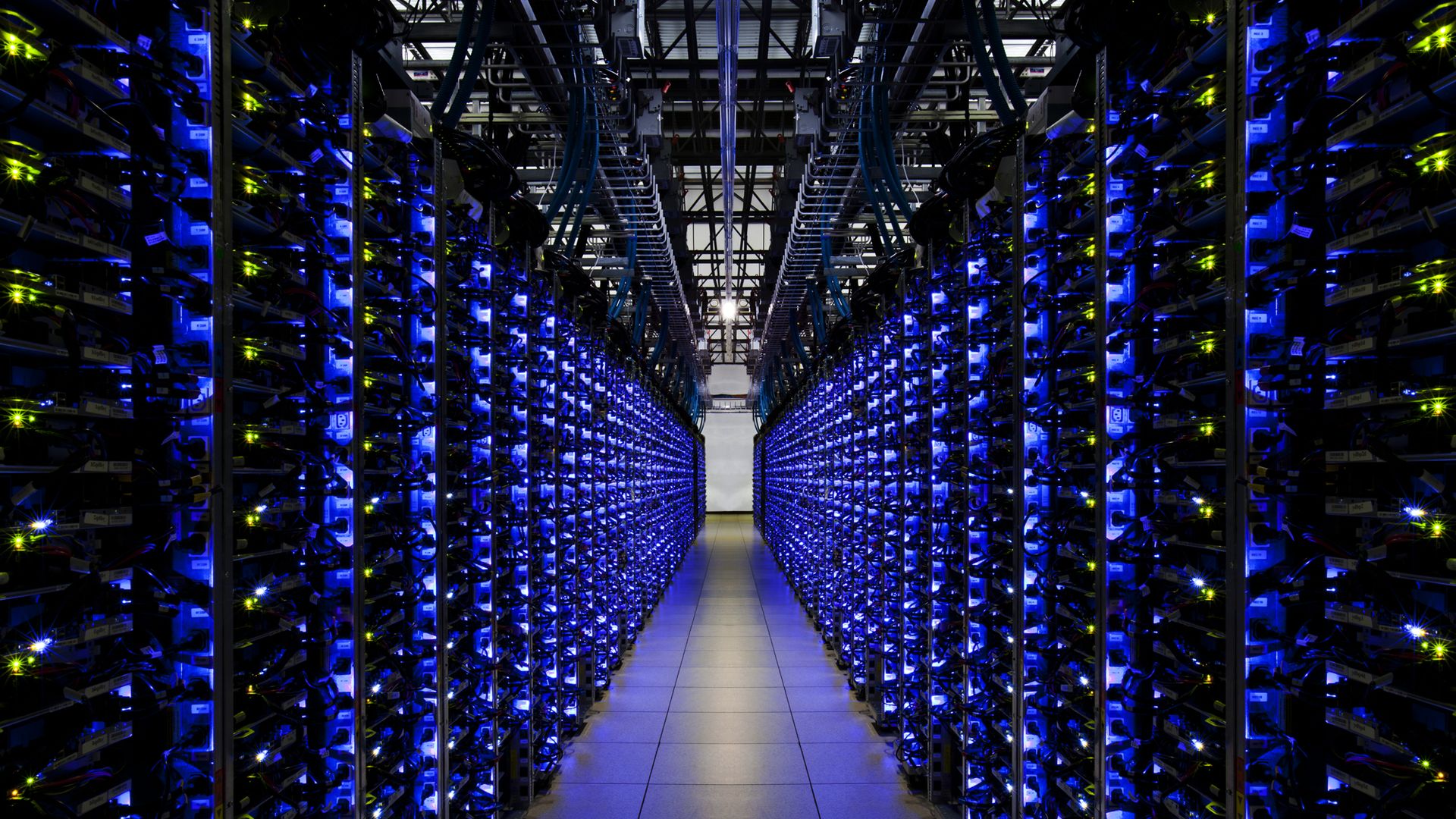
Some Google experienced an outage in services Sunday, including YouTube and Gmail, as did some businesses that rely on Google Cloud.
What's happening: The outages, which Google says are centered around the eastern U.S., are also affecting Snapchat and Vimeo, among others, per The Verge. Google said it believes it has found the root cause of the error and expects service to be back to normal soon.





/2019/06/04/1559648144045.gif?w=3840)