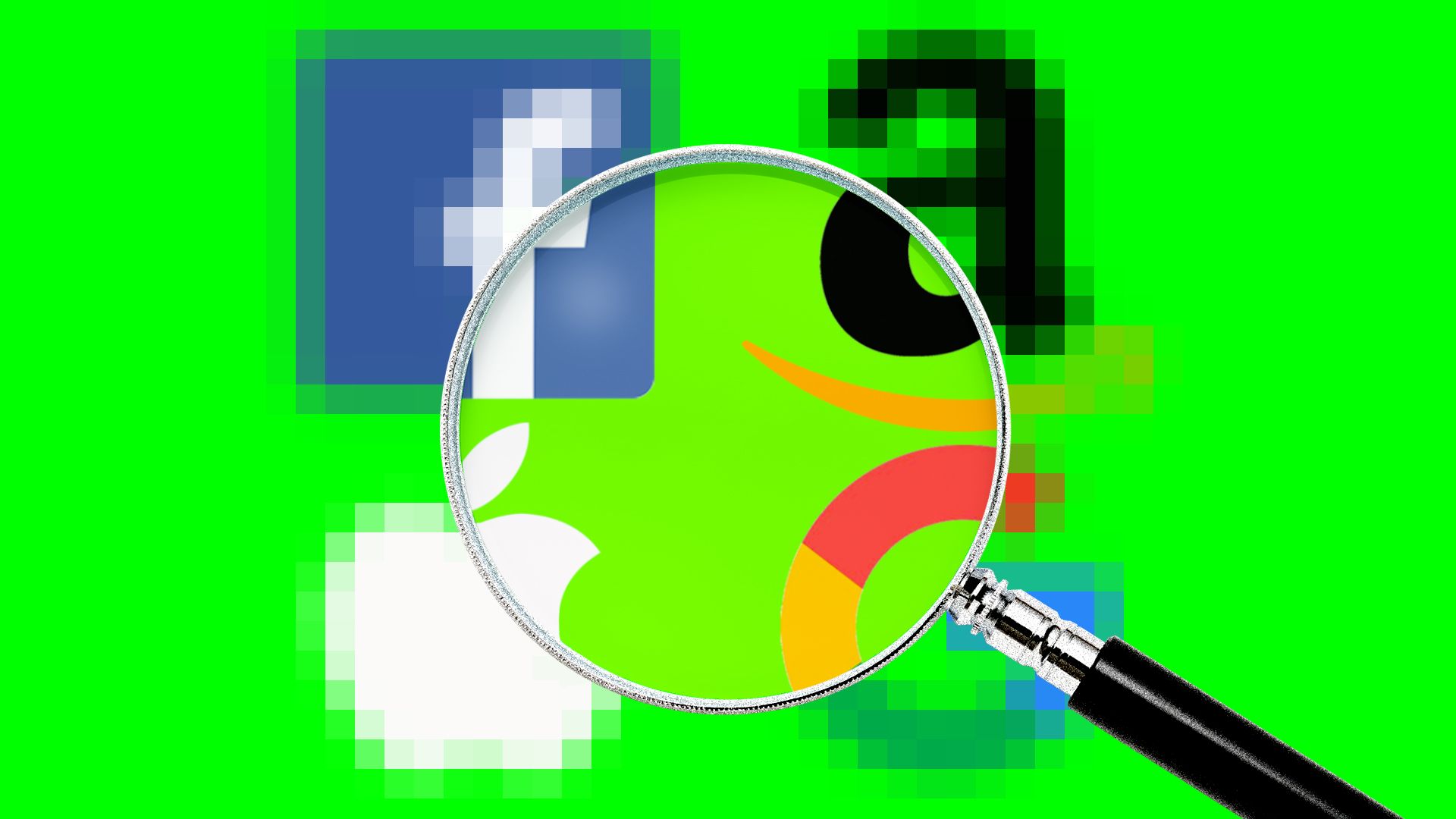
The House Judiciary Committee announced Monday that it will launch a bipartisan, sweeping antitrust investigation into major tech companies.
"A small number of dominant, unregulated platforms have extraordinary power over commerce, communication, and information online. Based on investigative reporting and oversight by international policymakers and enforcers, there are concerns that these platforms have the incentive and ability to harm the competitive process. The Antitrust Subcommittee will conduct a top-to-bottom review of the market power held by giant tech platforms. This is the first time Congress has undertaken an investigation into this behavior."
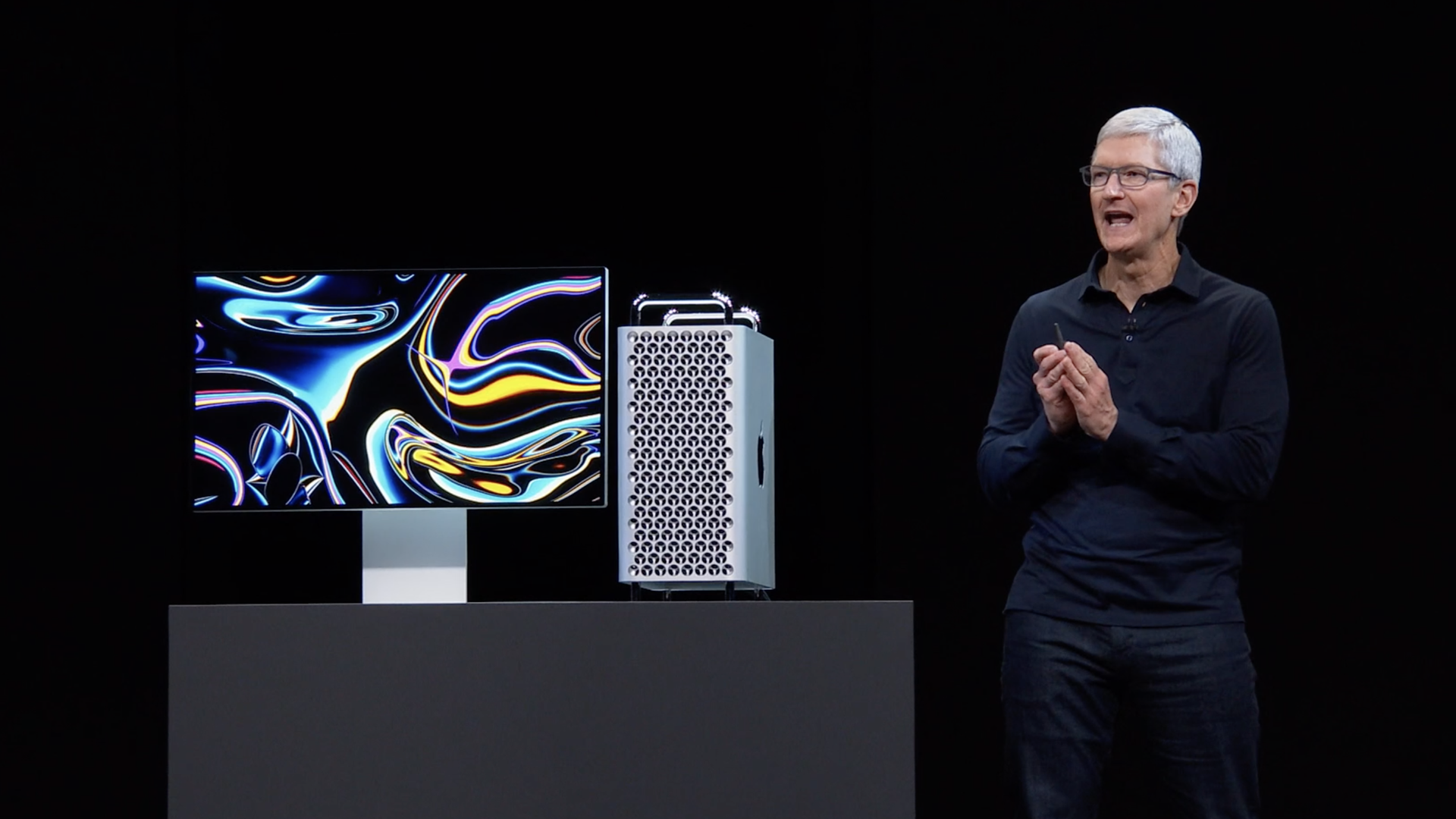
Apple used its annual developer conference to debut a fully redesigned desktop computer for professionals. Unlike the cylindrical model it replaces, the new Mac Pro (due out this fall) features a design reminiscent of years past, giving it significantly more expansion options. The power and flexibility come at a price, though, with the computer starting at around $6,000. You can see our hands-off video here. (We weren't allowed to touch it.)
Why it matters: Though they don't represent a large percentage of Apple's computer sales, professional users are among the company's most demanding and loyal customers.
Apple used its annual Worldwide Developer Conference to unveil a redesigned Mac Pro for professional users and debut iOS 13 — the next version of its iPhone operating system. It also previewed updates coming to its iPad, Mac, Apple TV and Apple Watch operating systems.
Why it matters: The announcements come as Apple has seen growth in the iPhone slow even as the device has become ever more central to its business. Apple's summer software moves typically lay the groundwork for new hardware in the fall.
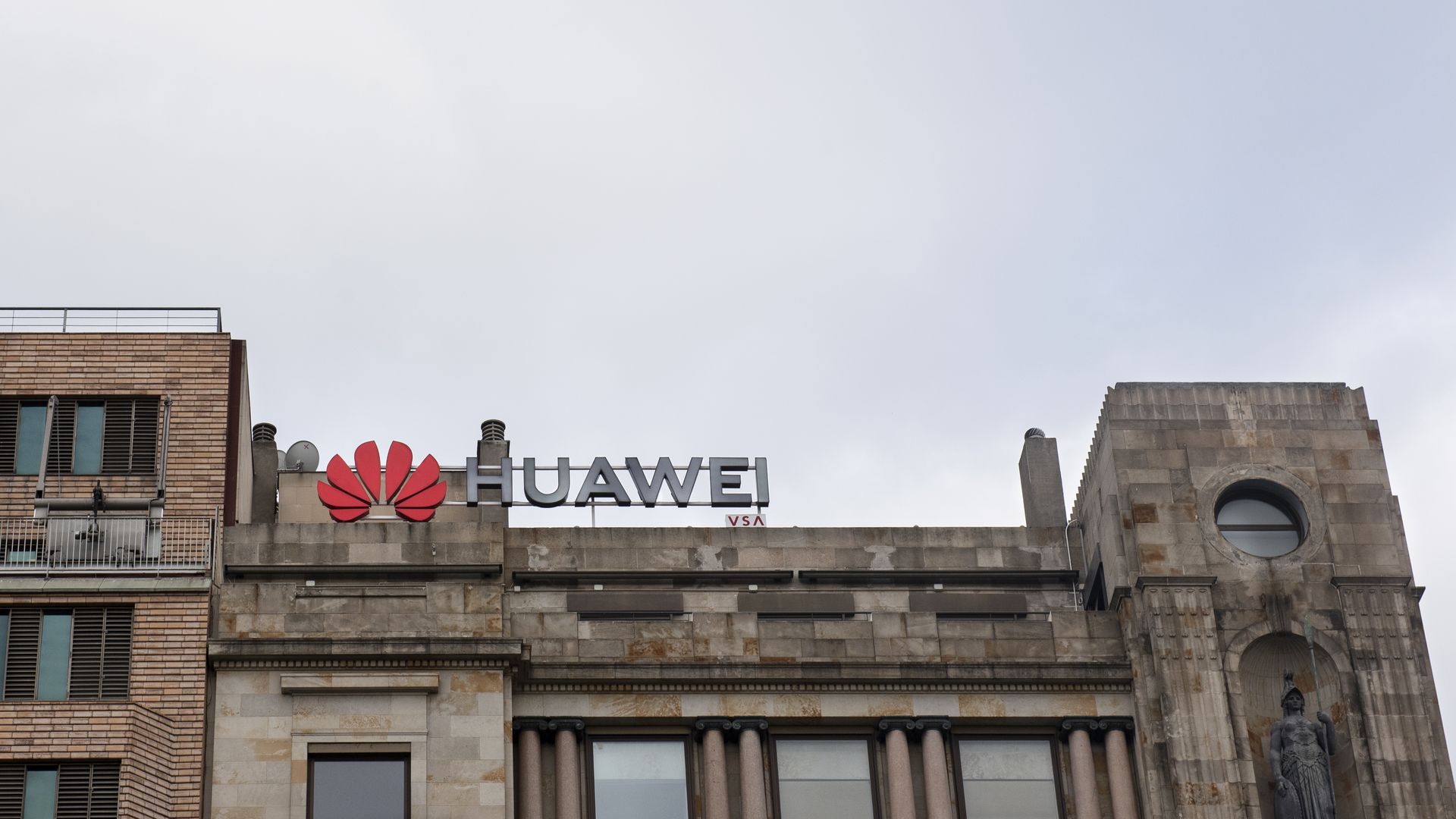
China's Huawei is set to sell a majority slice of its undersea cable division to Hengtong Optic-Electric Co., a Chinese manufacturer of optical cables, per a Shanghai regulatory filing.
Why it matters, via Axios' Dan Primack: This is the first concrete indication that Huawei is scaling back some of its global infrastructure ambitions.
The threat level rose for Big Tech in Washington over the weekend, as U.S. antitrust regulators reportedly took steps toward greater scrutiny for Google and Amazon.
Why it matters: These moves could set the table for the kind of long-running antitrust cases that can sap company resources, result in embarrassing legal discovery and depositions, and, in the most extreme scenarios, lead to corporate breakups.
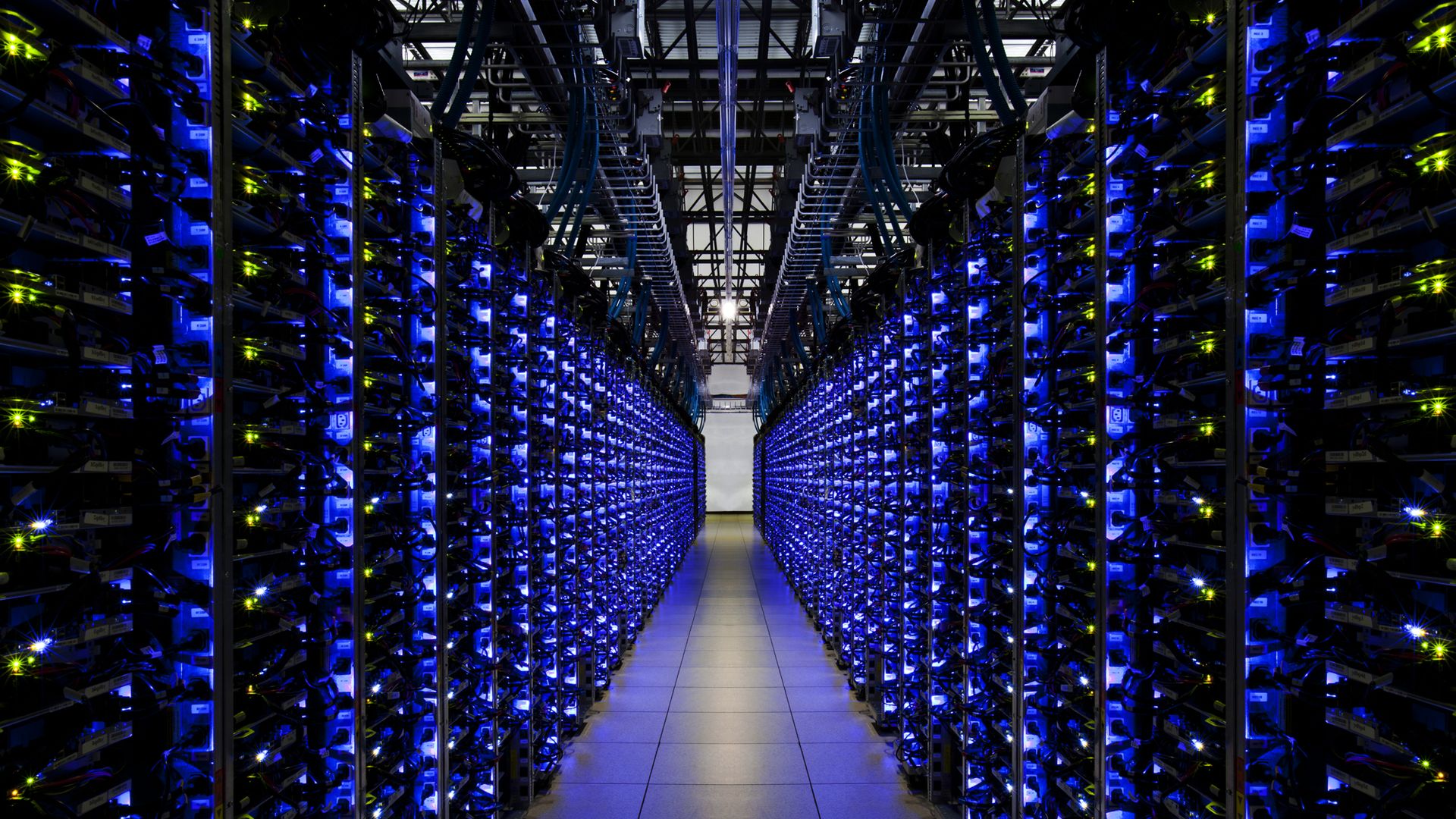
Some Google experienced an outage in services Sunday, including YouTube and Gmail, as did some businesses that rely on Google Cloud.
What's happening: The outages, which Google says are centered around the eastern U.S., are also affecting Snapchat and Vimeo, among others, per The Verge. Google said it believes it has found the root cause of the error and expects service to be back to normal soon.
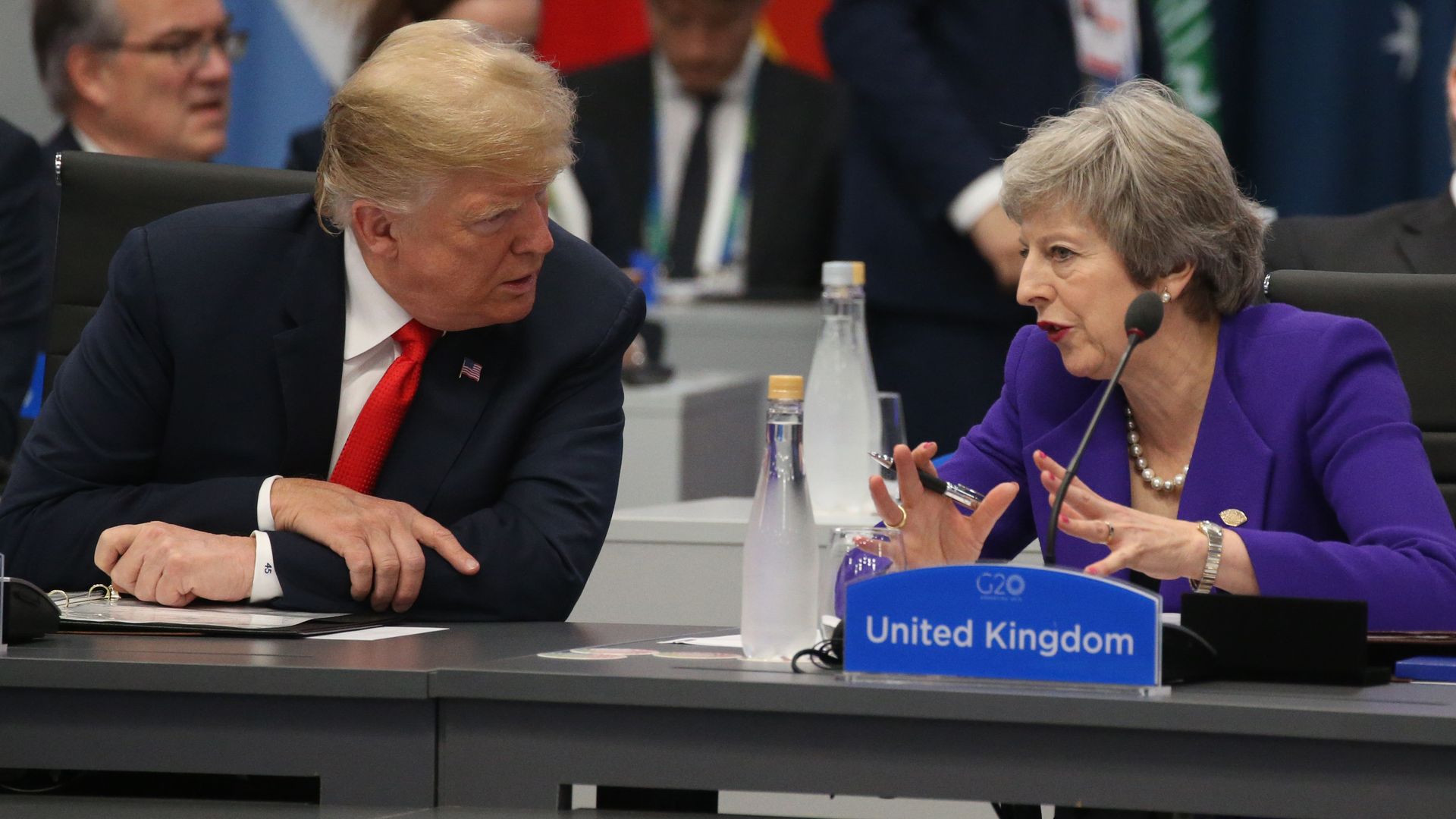
State visits by American presidents in the U.K. are typically smooth sailing, but a combination of British political events and bilateral tensions could unsettle President Trump's current trip.
The big picture: Trump arrives in London amid the upheavals of the unresolved Brexit issue, a Conservative Party leadership crisis and the sizable win for far-right leader Nigel Farage’s party in the European parliamentary elections. His commentary on the politics of Brexit has not always been welcome, and disputes over Huawei and other foreign policy issues have added to the strain.
Amazon and Google could face increased antitrust scrutiny after federal regulators agreed to split oversight of the tech giants, The Washington Post reported Saturday night, citing 3 people familiar with the matter.
Details: Under the agreement, the Federal Trade Commission would be responsible for oversight of Amazon, while Google would come under the watch of the Justice Department, the Post said, adding the sources spoke on the condition of anonymity "because the government’s work is confidential."
Why it matters: The apparent increased regulatory scrutiny in the United States comes at a time when President Trump has attacked the companies by name.
The big picture: The Federal Trade Commission previously directed a separate Google antitrust investigation, looking at the company's search and advertising practices and the negative impact on competitors. However, the probe was dropped in 2013. The company chose to make a handful of changes as a result.