The CIA is warning Britain for its use of Huawei's technology to develop a 5G network after it was found that the Chinese telecoms company accepted money from varying branches of Beijing's state intelligence network, reports The Times.
Why this matters: This allegation directly links the world's largest telecoms equipment manufacturer to the Chinese state, per The Times. Huawei has previously denied that the company spies for China, but Chinese law forces companies to work with the security branches.
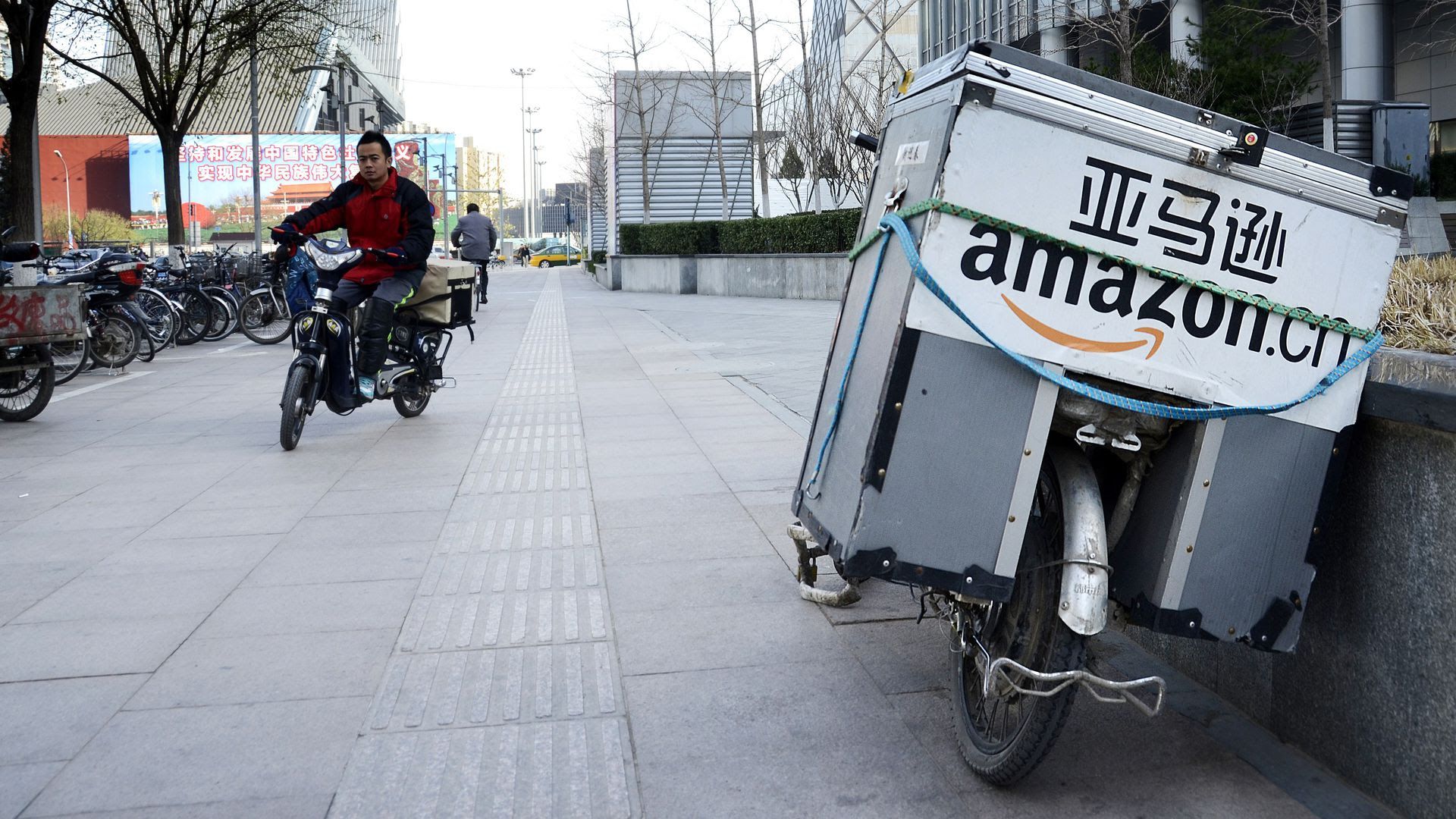
Amazon's decision to all but shut down operations in China is another step in a reorganization of the world into two distinct, digitally driven universes.
What's happening: In an announcement yesterday, Amazon said it will give up the local Chinese market, making its online store there solely a conduit for foreign goods.
With minimal national oversight or unified data to rely on, police accountability groups are trying to create their own data systems to document use of force by law enforcement.
Why it matters: Police forces increasingly tap into location data, sensors and facial recognition to do their jobs. Now the groups who police the police are increasingly trying to use technology to empower citizens on the other side of the interaction.
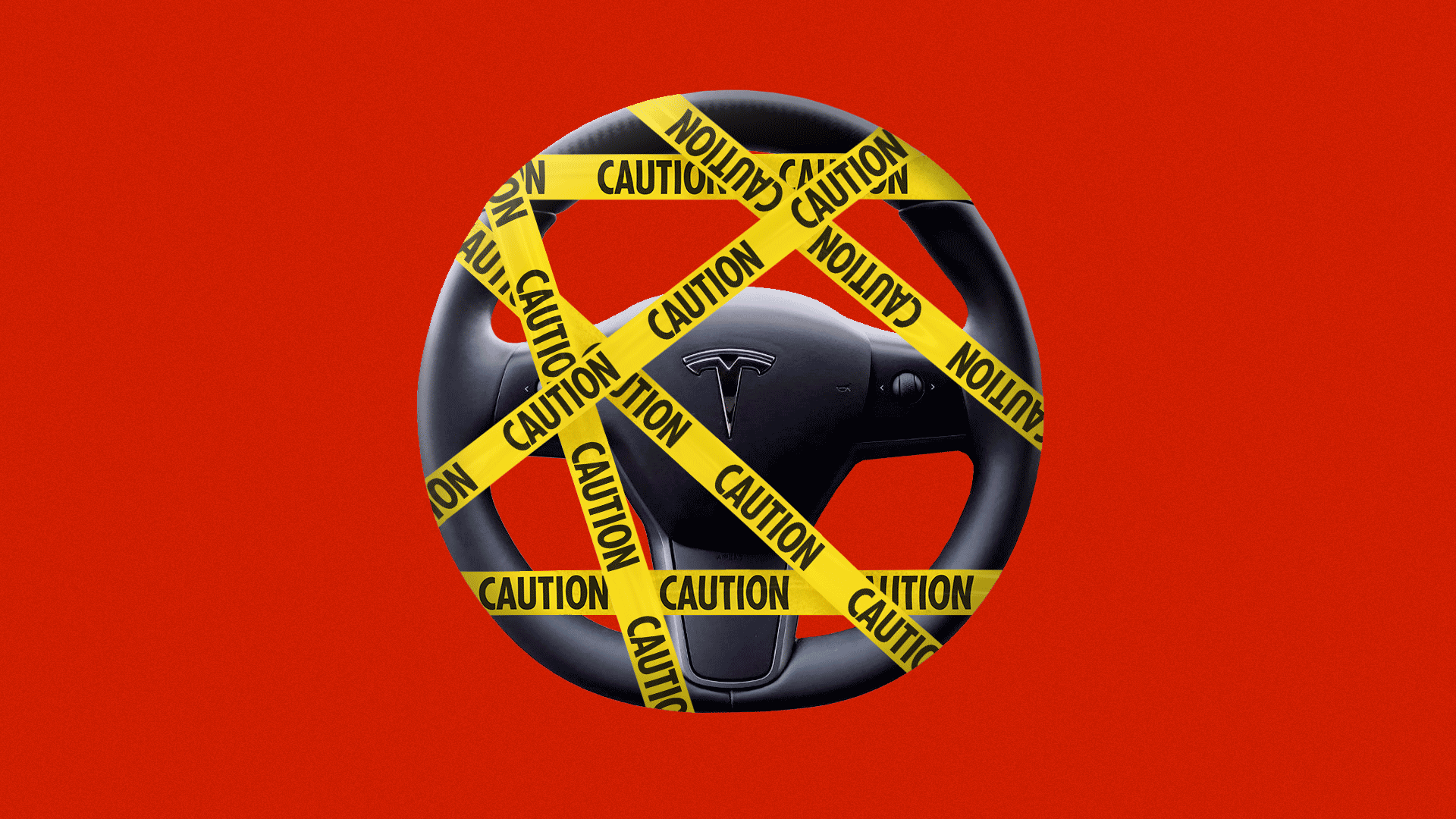
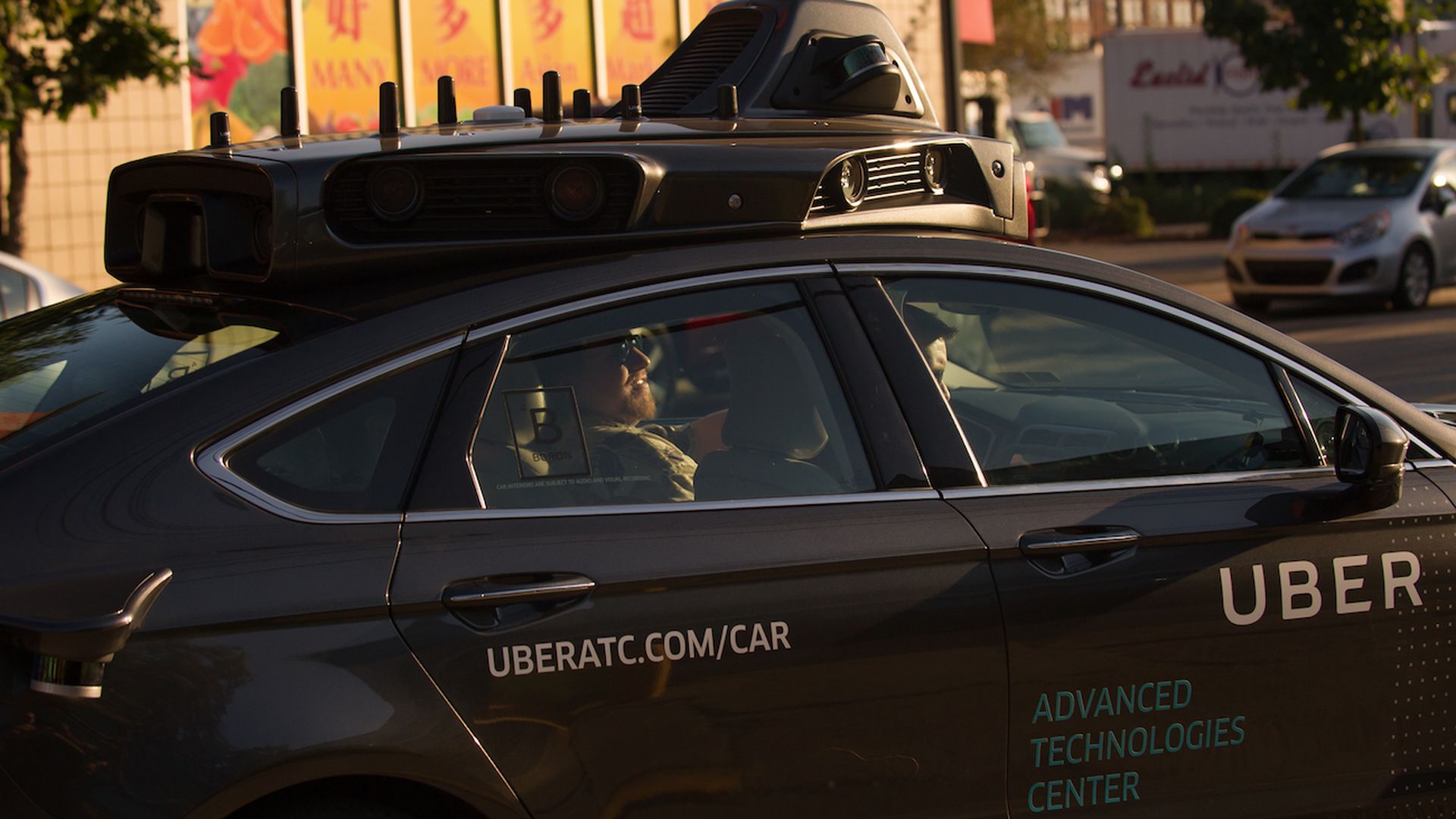
Tesla — whose CEO Elon Musk recently suggested victory in the self-driving car race — plans to pull back the curtain on its Autopilot technology for investors next week.
Why it matters: Many technological and regulatory hurdles remain before automated cars can be deemed ready to replace human drivers. Musk's claim runs the risk of confusing consumers — and frustrating regulators.
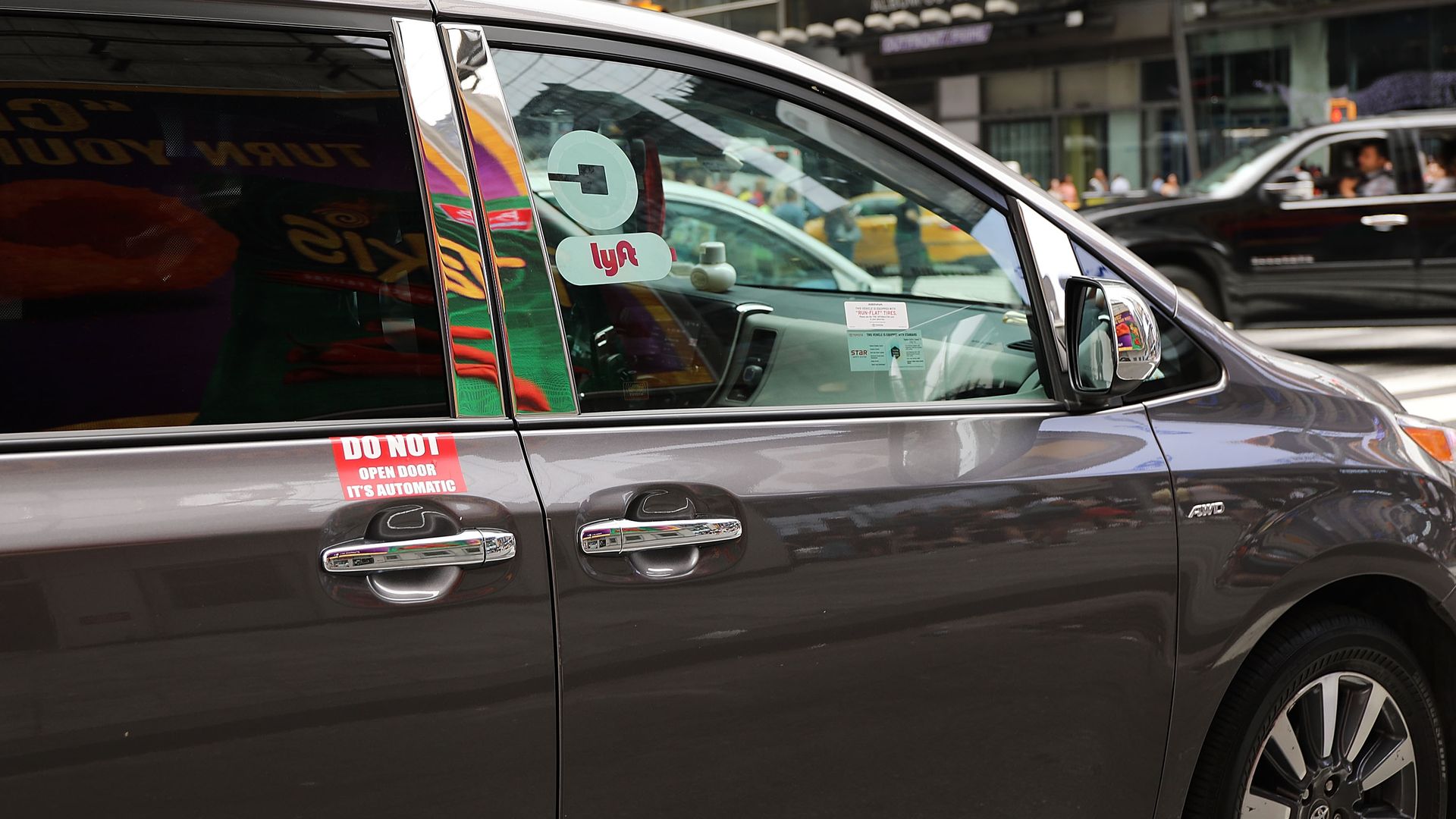
Even as ridesharing companies expand their offerings and look towards AV deployment, many people with disabilities are still unable to access today's shared vehicles.
Why it matters: Ridesharing companies, such as Uber and Lyft, formed their business models and then — belatedly, allege critics — began addressing accessibility challenges, a strategy that could hinder disability access to AVs in the future.
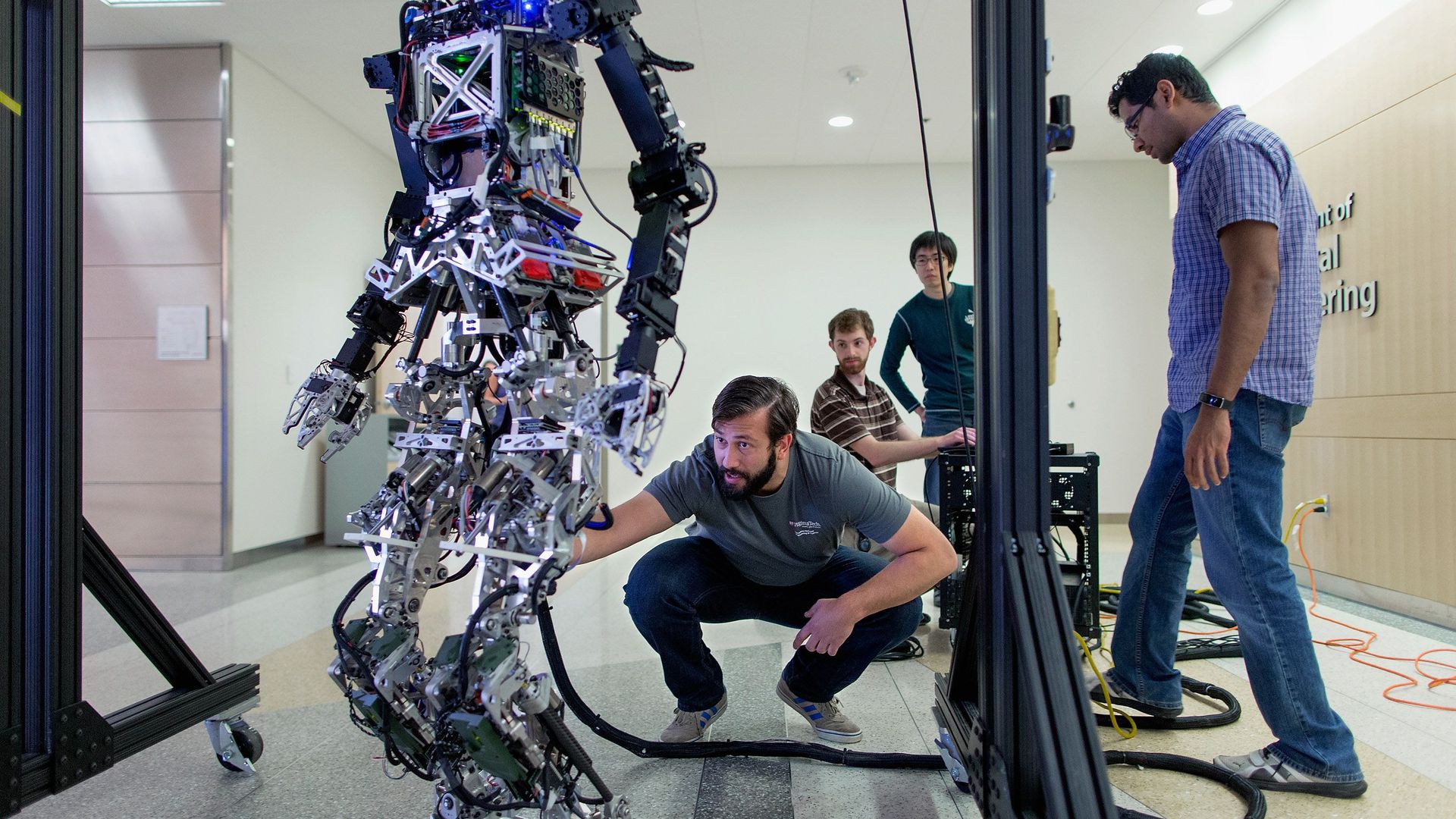
Amid a torrid geopolitical, commercial and scientific race around artificial intelligence, universities are adding professors, classes and entire new programs, but there is still a massive talent shortage, forcing companies to contemplate creative ways around it.
The big picture: The frenzy at American and Canadian universities reflects the changing technology cycle, in which AI is expected to become perhaps the defining factor in economic and geopolitical power in the decades ahead.
The U.S. and China, front runners in the race to lead the world in AI, are playing with different strengths: China has vast amounts of data and money at its disposal, but the U.S. has a significant leg up in talent.
The big picture: Crucially, the American talent pool is made up mostly of international researchers and students, according to a new analysis from Joy Dantong Ma of the Paulson Institute.