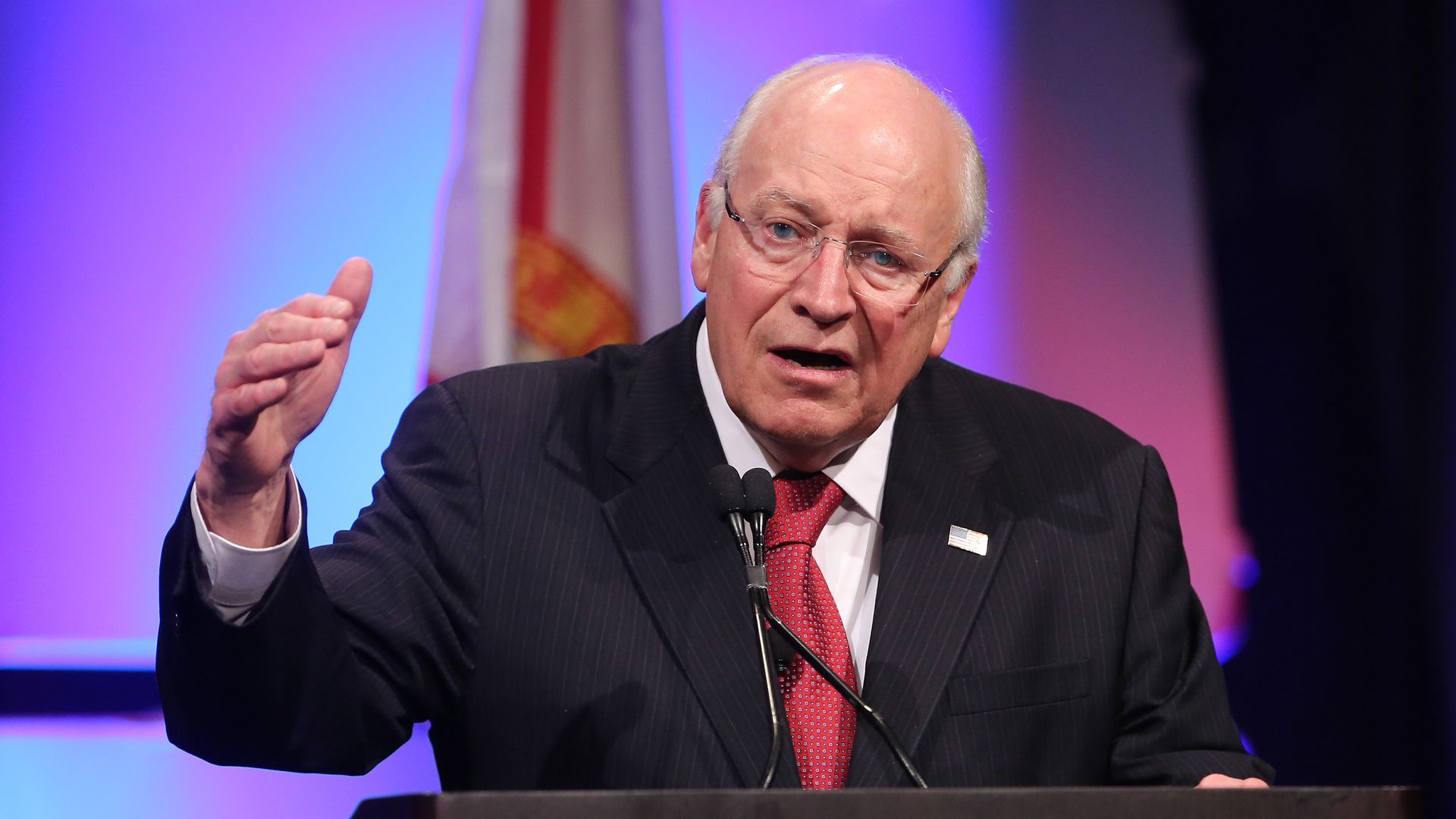
Former Vice President Dick Cheney criticized President Trump’s presidency in a private session with Mike Pence at the annual American Enterprise Institute’s World Forum, Politico's Eliana Johnson reports.
What they’re saying: The criticism is notable since Cheney has remained largely silent on the Trump’s administration and tactics. Attendees told Johnson that Cheney tore into Trump’s tenuous relationship with the U.S. intelligence community and NATO, as well as his willingness to make major policy announcements on Twitter. Cheney also lambasted the administration’s foreign policy for resembling President Obama’s more than it resembled Republican values.
Microsoft is suing a unit of Taiwanese contract manufacturer Foxconn over unpaid patent royalties on the consumer devices it makes for others.
Why it matters: Microsoft has a patent license with Foxconn that calls for it to make payments for smartphones, tablets and other devices and to provide an annual audit to Microsoft. The software maker says the company has not been doing either in recent years.
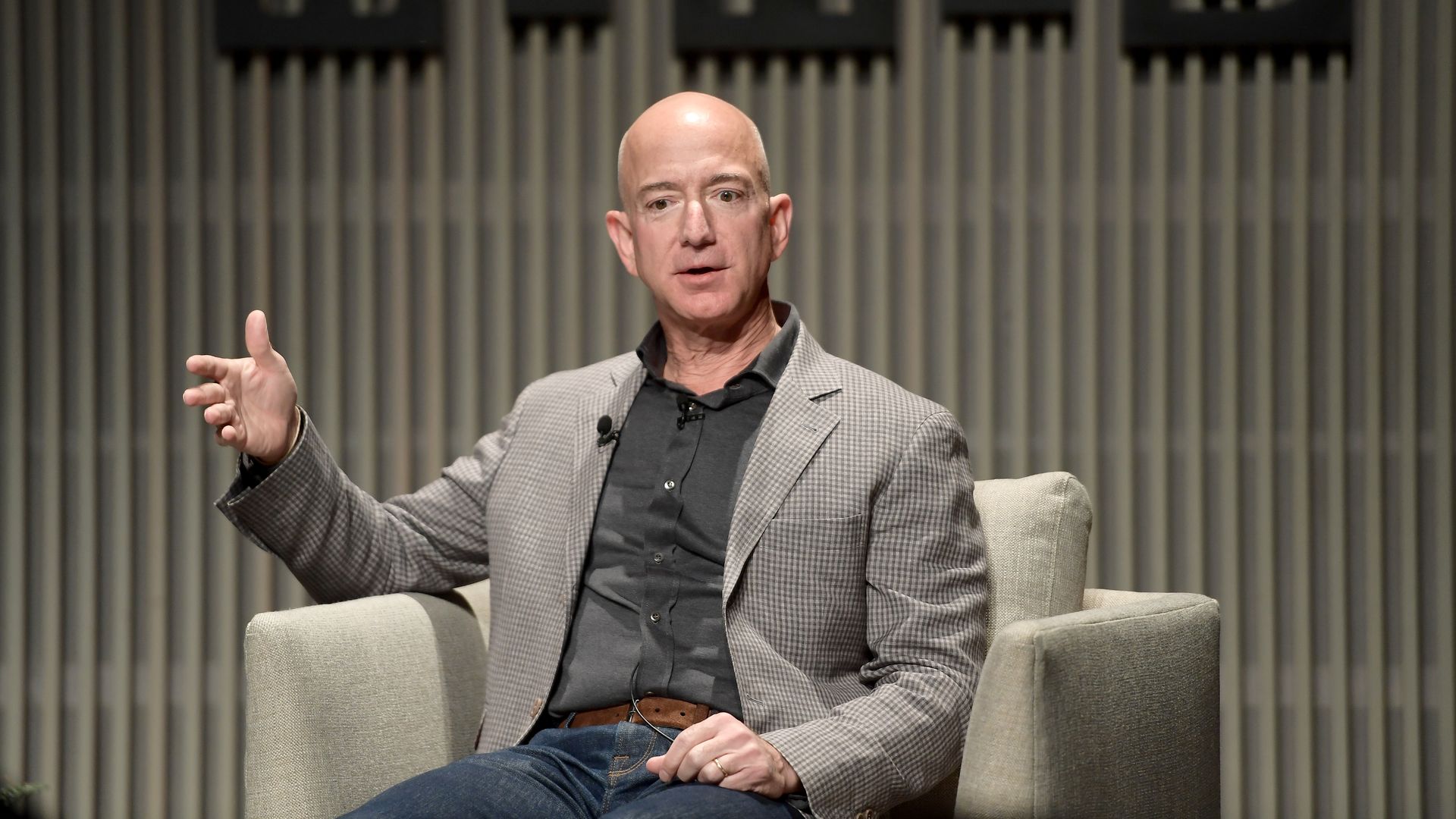
Amazon will no longer tell third-party merchants that sell products on its platform in the United States that they cannot offer the same goods for a lower price on another website, according to a person with direct knowledge of the company's decision.
Why it matters: Critics have said the so-called "most favored nation," or "price parity," provisions could violate antitrust law. But even without them, the company still faces a broader set of attacks on its size and power in the United States and around the world.
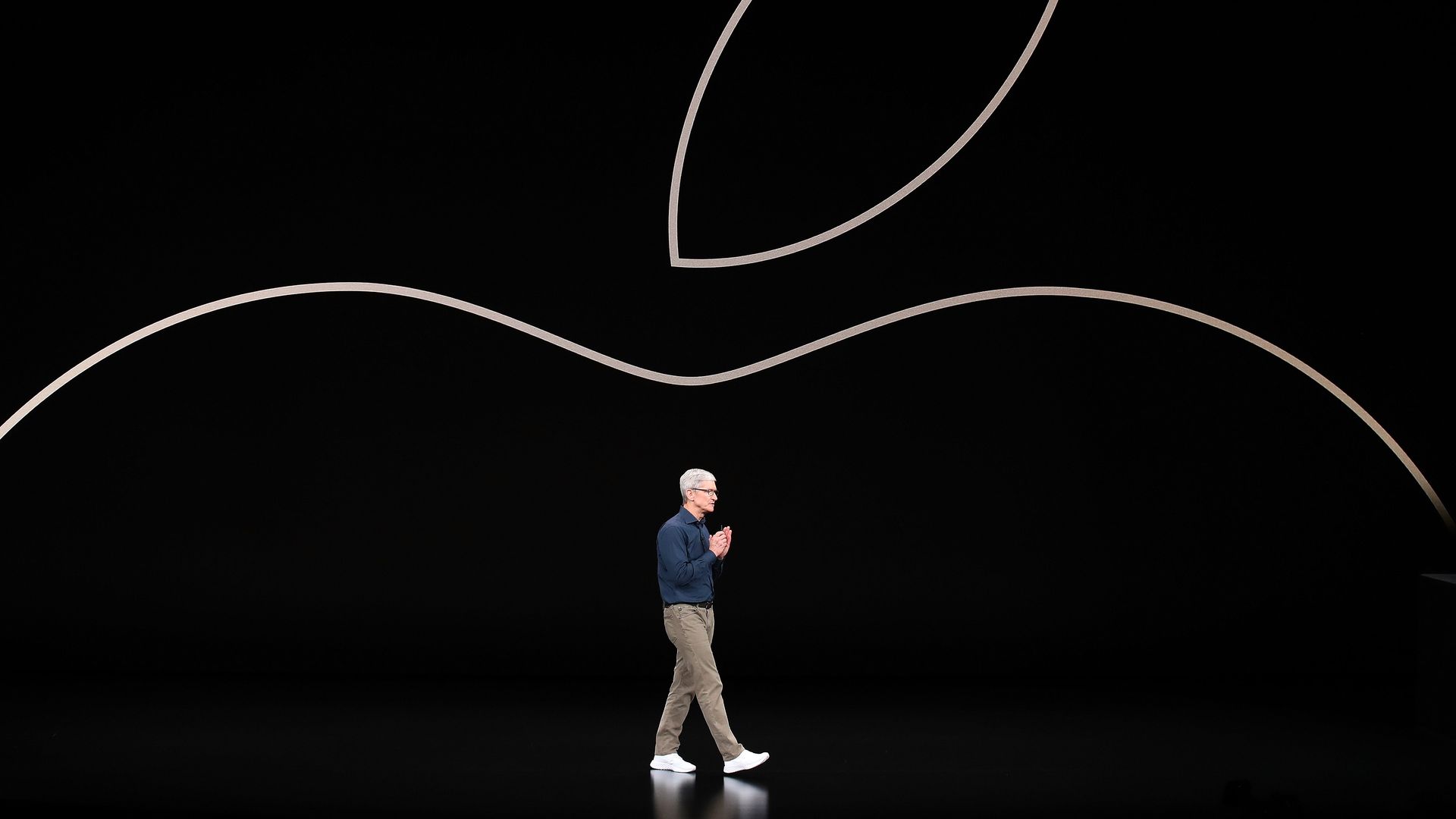
Apple is hosting an event at its headquarters on March 25, which the company expected to use to talk more about services like video and likely news.
Why it matters: As iPhone sales growth has slowed, Apple has been looking to services to help boost sales. It has made several moves in the space, including big video content deals with Oprah and others and the purchase of Texture, a sort of "Netflix for magazines."
The Trump administration informed the German government on Friday that it would curtail intelligence-sharing if Berlin allowed Huawei to participate in building the country's 5G network, WSJ reports.
Why it matters: The U.S. has been pushing allies to bar Huawei and other Chinese vendors from building out their 5G networks over concerns that these companies would facilitate Chinese spying, though this is the first time it has delivered a formal warning.
After denying to Republican donors that he mistakenly referred to Apple CEO Tim Cook as "Tim Apple," President Trump has admitted to the slip in a Monday tweet.
"At a recent round table meeting of business executives, & long after formally introducing Tim Cook of Apple, I quickly referred to Tim + Apple as Tim/Apple as an easy way to save time & words. The Fake News was disparagingly all over this, & it became yet another bad Trump story!"
Computer hardware company Nvidia announced Monday it will acquire Mellanox for $6.9 billion to help grow its chip-making for data centers.
Why it matters: The acquisition marks Nvidia biggest acquisition to date and reportedly tops a bid from rival Intel. Mellanox’s chips power high-speed networks that connect servers. The acquisition would allow Nvidia to wean off its reliance on the video game industry.
For all the many controversies around Facebook's mishandling of personal data, Google actually knows way more about most of us.
The bottom line: Just how much Google knows depends to some degree on your privacy settings — and to a larger degree on which devices, products and services you use.
This chart comes from Lyft's IPO filing, and it shows how much money Lyft takes out of every dollar spent on its platform. It's not a perfect proxy for the amount siphoned from each fare before the driver gets paid, but it's close. As platforms like Lyft become bigger, they invariably take an increasing cut of total revenues.




/2019/03/08/1552074399862.gif?w=3840)


