The success of mobile technologies across Africa is prompting speculation among tech investors about whether AI will likewise take off on the continent. But most African countries aren’t yet ready to benefit from the technology, a new Atlantic Council report suggests.
Reality check: AI depends on large volumes of high-quality data from which to learn and make decisions. While deepening mobile phone use means Africans today generate more data than ever before, the quality of that data is still poor and data-privacy regulations are mostly nonexistent.
We tend to think of a single "digital divide" separating the haves and have-nots in the online world, but inequality in the internet era takes on a vast number of forms.
Data: SurveyMonkey online poll conducted Nov. 27–29 among 3,308 U.S. adults. Total margin of error is ±2.5 percentage points; Poll methodology; Chart: Chris Canipe/Axios
Economics and geography play the biggest role, with those in cities enjoying far greater connectivity than those in rural areas. Similarly, people with more wealth tend to have more and faster connections. While those are the two biggest factors, there are also differences across race, education and age.
The House Judiciary Committee’s hearing with Google CEO Sundar Pichai has been postponed due to the D.C. funeral for George H.W. Bush, a spokesperson for the panel confirmed. A new date has not been selected.
Why it matters: Republican lawmakers are eager to hammer Pichai over perceived conservative bias on his platform, even though those allegations are unproven. Lawmakers will also have questions for the executive about the company’s potential re-entry into China and its dominance over parts of the internet industry.
Why it matters: China and Silicon Valley are competing for proprietary access to the genetic data of entire populations, which can be analyzed using machine learning to drastically advance genomic and medical research. Breakthroughs and overall leadership in these fields will have repercussions for the global economy.
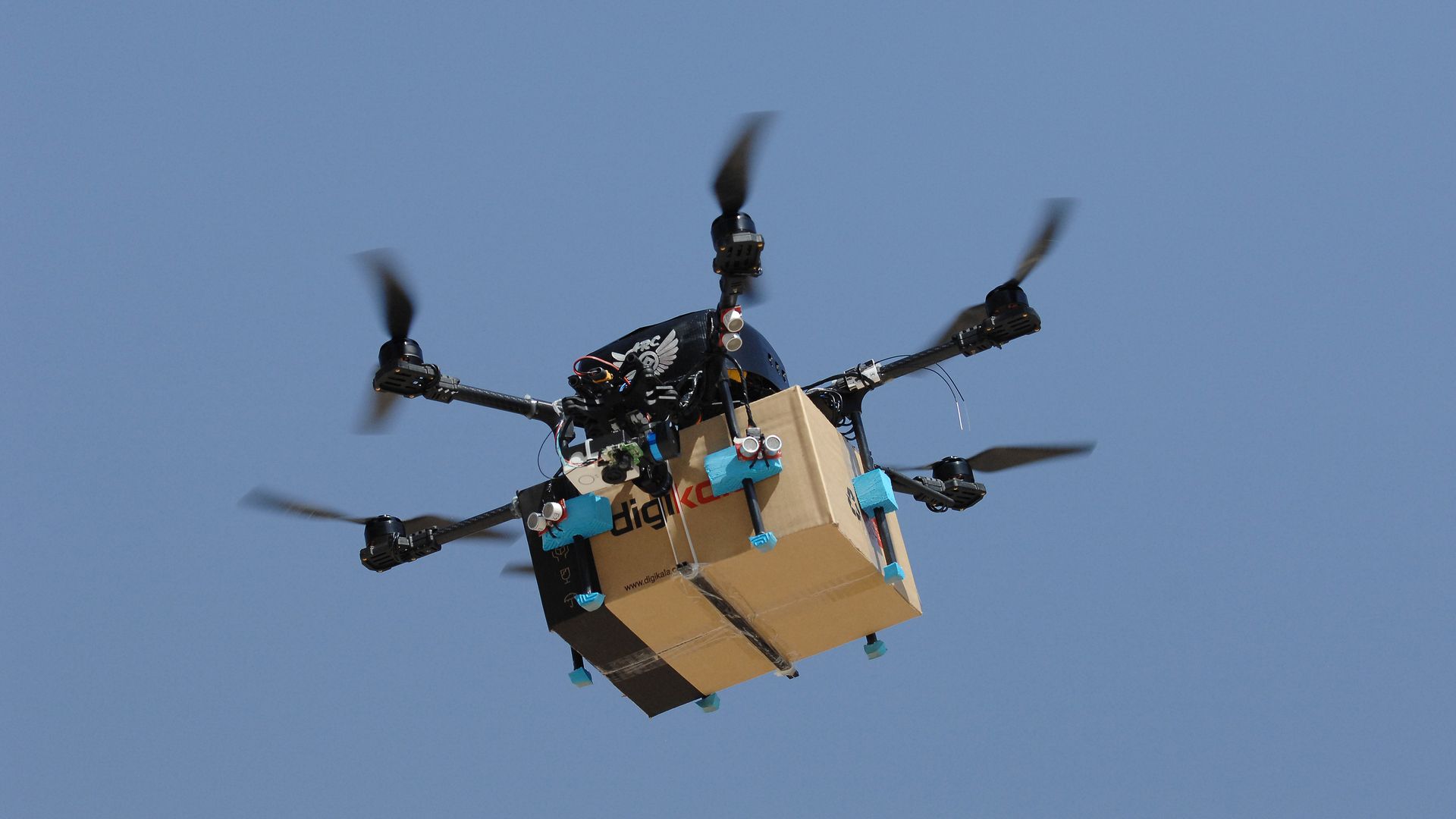
"Jeff Bezos boldly predicted five years ago that drones would be carrying Amazon packages to people's doorsteps by now. Amazon customers are still waiting," AP's David Koenig and Joseph Pisani report.
The big picture: "[O]vercomingthe regulatory hurdles and safety issues posed by drones" has been a bigger challenge than expected. "The day may not be far offwhen drones will carry medicine to people in rural or remote areas, but the marketing hype around instant delivery of consumer goods looks more and more like ... hype. Drones have a short battery life, and privacy concerns can be a hindrance, too."
While there are growing tensions between capitalist success and liberal-democratic principles, there are no such tensions with Chinese-style communism. Instead, the tensions appear between Chinese companies and countries trying to protect their citizens' rights and privacy.
The big picture: Between 2000 and 2017, Chinese GDP grew by 910% in constant-dollar terms. U.S. GDP, by contrast, grew by only 44% over the same time period. The greatest capitalist success story of the 21st century is a communist regime with an atrocious human-rights record. Every company wants to do business there: The profit motive means collaboration with the Party.
Facebook's leaders have accumulated dynastic wealth from mining the personal information of a billion Facebook users and then selling those users to the highest bidder — even when that bidder is actively seeking to undermine democracy.
The backdrop: In the Philippines, the government uses Facebook to suppress dissent. In the U.K., Cambridge Analytica used Facebook data in violation of campaign-finance laws to affect the outcome of the Brexit vote. And in the U.S., of course, Russia's Internet Research Agency ran more than 3,500 pro-Trump Facebook ads during the 2016 election.
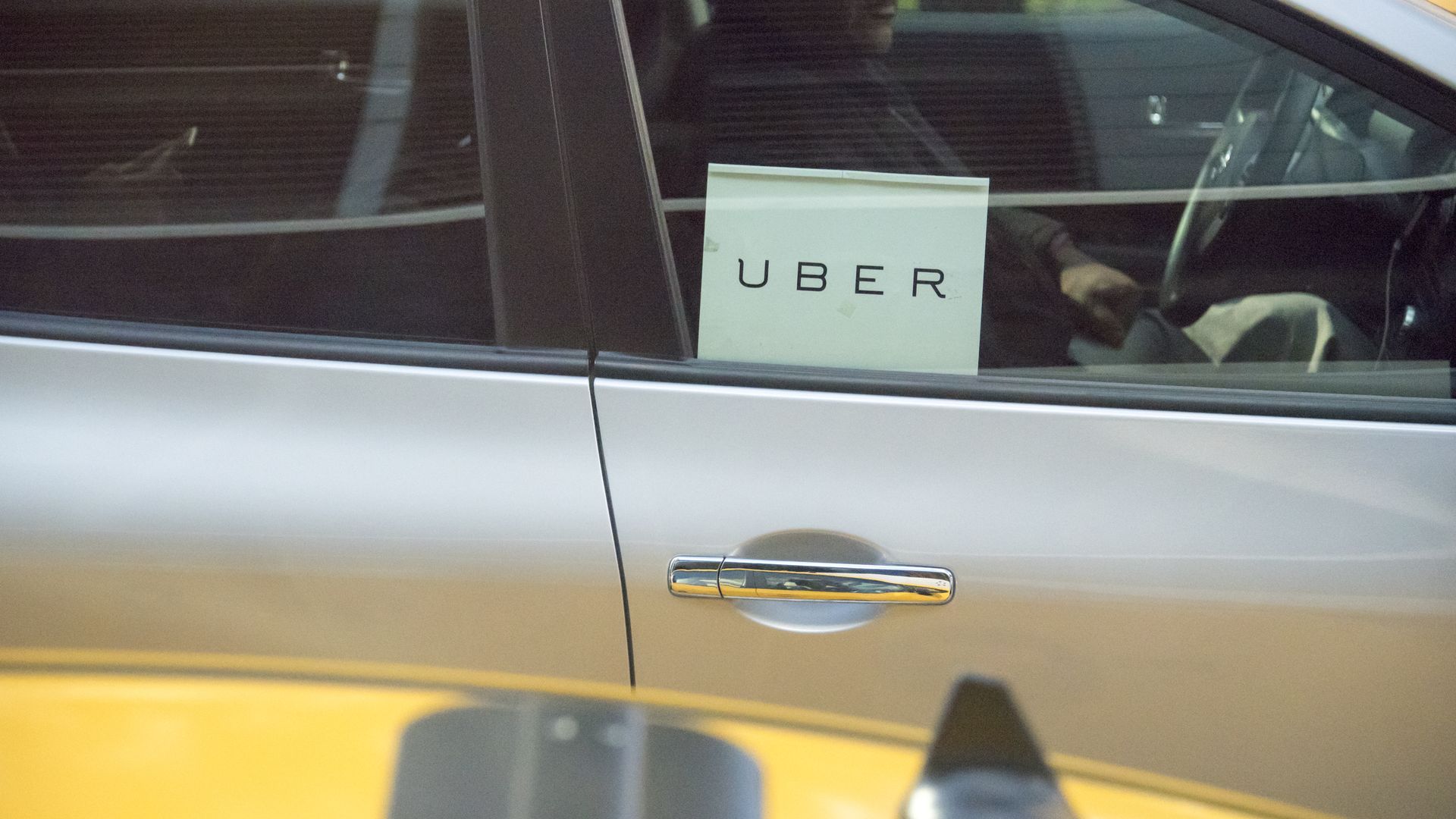
Fewer people are taking ambulance rides to the hospital nationwide because more patients are opting to use ride share services such as Lyft and Uber that come with substantially lower costs, NBC News Bay Area reports.
The big picture: There has been a 7% dip in ambulance calls since Uber hit the market in major U.S. cities between 2013 and 2015 according to an analysis by David Slusky, an assistant professor in Kansas University's department of economics, and Leon Moskatel from the department of medicine at Scripps Mercy Hospital.