While there are growing tensions between capitalist success and liberal-democratic principles, there are no such tensions with Chinese-style communism. Instead, the tensions appear between Chinese companies and countries trying to protect their citizens' rights and privacy.
The big picture: Between 2000 and 2017, Chinese GDP grew by 910% in constant-dollar terms. U.S. GDP, by contrast, grew by only 44% over the same time period. The greatest capitalist success story of the 21st century is a communist regime with an atrocious human-rights record. Every company wants to do business there: The profit motive means collaboration with the Party.
Facebook's leaders have accumulated dynastic wealth from mining the personal information of a billion Facebook users and then selling those users to the highest bidder — even when that bidder is actively seeking to undermine democracy.
The backdrop: In the Philippines, the government uses Facebook to suppress dissent. In the U.K., Cambridge Analytica used Facebook data in violation of campaign-finance laws to affect the outcome of the Brexit vote. And in the U.S., of course, Russia's Internet Research Agency ran more than 3,500 pro-Trump Facebook ads during the 2016 election.
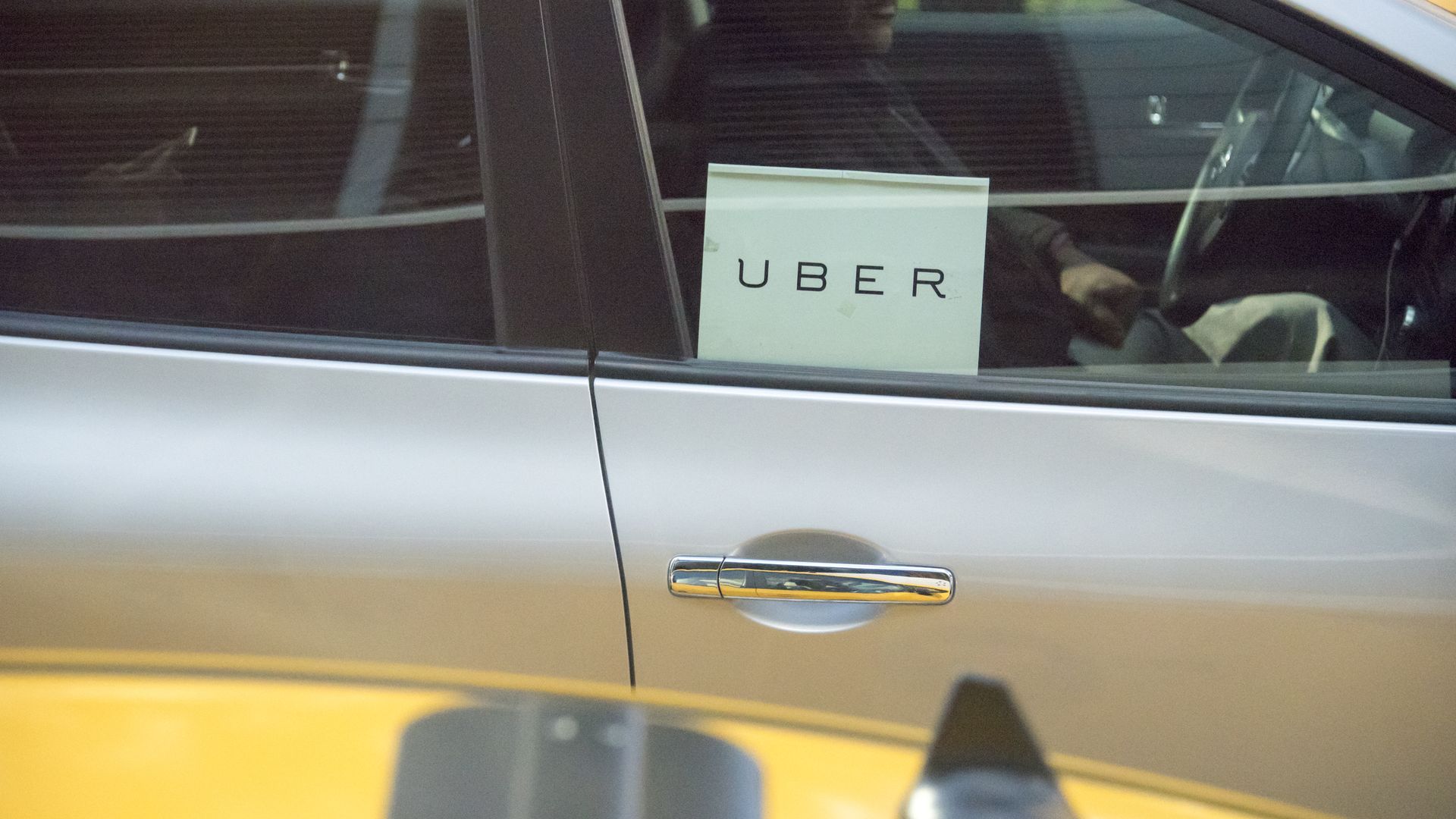
Fewer people are taking ambulance rides to the hospital nationwide because more patients are opting to use ride share services such as Lyft and Uber that come with substantially lower costs, NBC News Bay Area reports.
The big picture: There has been a 7% dip in ambulance calls since Uber hit the market in major U.S. cities between 2013 and 2015 according to an analysis by David Slusky, an assistant professor in Kansas University's department of economics, and Leon Moskatel from the department of medicine at Scripps Mercy Hospital.
Facebook stayed in the news this week as COO Sheryl Sandberg met with a civil rights group and her story continued to shift on her involvement with a political consulting firm's work. Here are five other stories in tech news this week that may have gotten lost in the Facebook drama.
The internet has become a fundamental requirement of modern life. For those with comfortable incomes, living in cities or suburbs, connectivity and information can seem ubiquitous.
Reality check: According to a 2017 report from the Brookings Institution, less than one-fifth of Americans live in a neighborhood where at least 80% of the residents have broadband.
Although the choice between iOS and Android may sometimes seem like a question of aesthetics, the reality is that the different business models of Apple and Google lead to fundamental differences for your privacy.
Why it matters: Because of the way Google monetizes user data, Android phones can cost hundreds of dollars less than iOS devices. The more you spend, the more likely you are to use a device with more privacy protection and less data collection.
The federal government's efforts to provide ubiquitous internet access have had varying levels of success.
Why it matters: Congress mandates that the FCC take "immediate action" if advanced telecom capability is not being deployed to "all Americans in a reasonable and timely fashion." Chairman Ajit Pai says closing the digital divide is his top priority, but the FCC can't compel ISPs to expand networks; it can only offer incentives to do so.
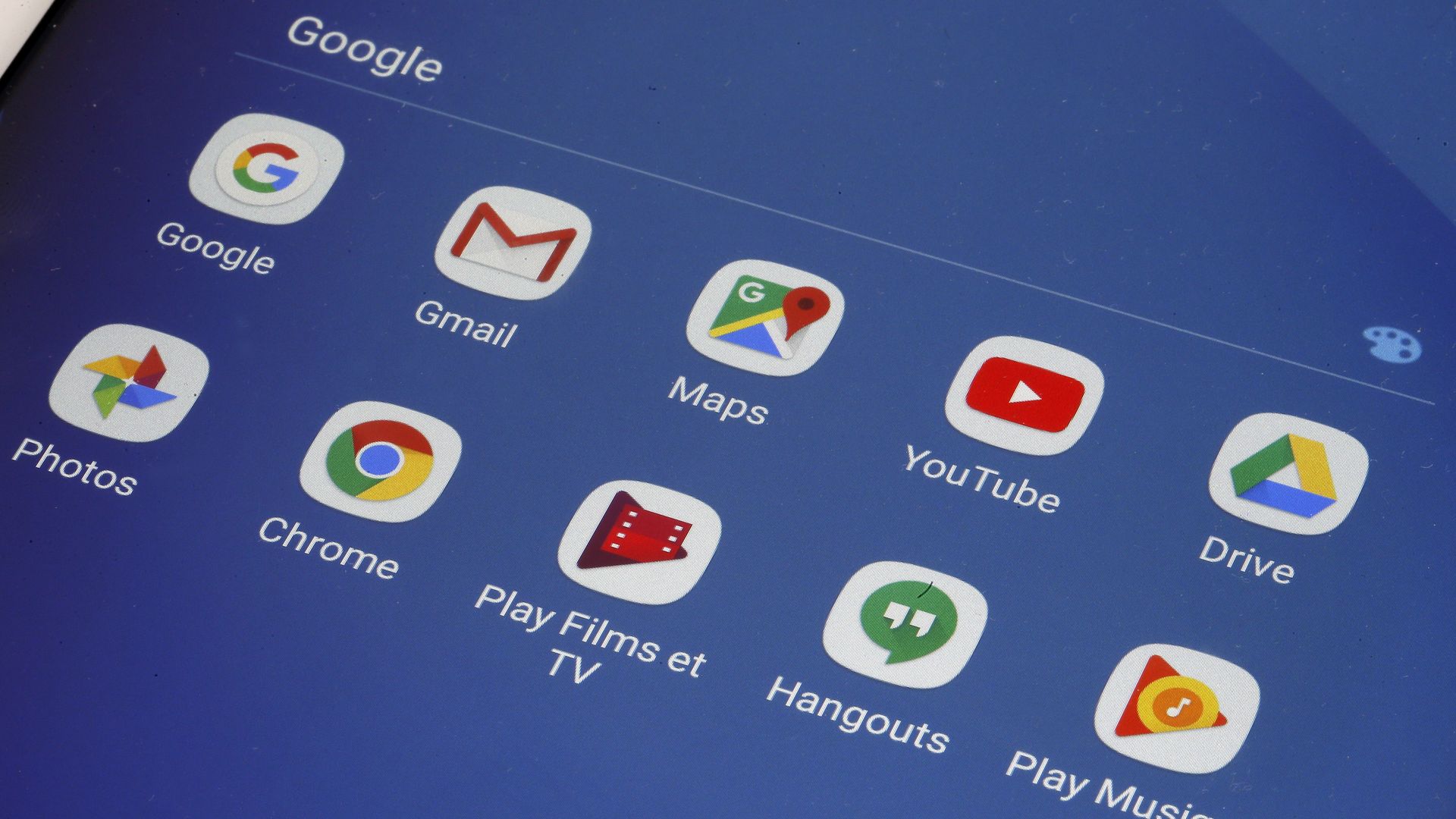
Google Hangouts will shut down sometime in 2020, according to a scoop from 9to5Google.
Why it matters: Hangouts had lost some of its footing on the instant messaging medium since its rename and redesign from GChat that started in 2013, and has overall slowed its app development. A handful of other chat mediums that have launched since then, and workplace behemoth Slack surpassed 8 million daily paid users in May, per TechCrunch.