Early in the high-stakes race to dominate artificial intelligence, Big Tech — flush with cash, data, and name recognition — has seemed to have already captured AI's commanding heights and created an insurmountable, monopolistic advantage.
But new data suggests that the contest is not quite over, and that the field is much more crowded than was thought.
Huawei chief financial officer Wanzhou Meng is facing extradition to the United States after being arrested in Canada on suspicion of violating U.S. sanctions on Iran, the Globe and Mail reports.
Why it matters: A court hearing has been set for Friday. If Meng is extradited, it will mark the first time a Huawei official will face U.S. authorities.
Boeing is facing intense scrutiny for failing to provide instructions on how to operate a new automated flight-control system in the operations’ manual for its 737 MAX aircraft, a decision investigators say might have led to October's Lion Air crash that killed all 189 people on board off the coast of Indonesia.
Why it matters: As the Wall Street Journal notes in a detailed report published Wednesday, the move to “omit the control system from manuals has put a Boeing design principle at the center of a probe into a fatal airliner crash for the first time in more than two decades.” Questions about the crash have also threatened “to tarnish Boeing’s reputation for safety and its tradition of prioritizing pilot authority over automation.”
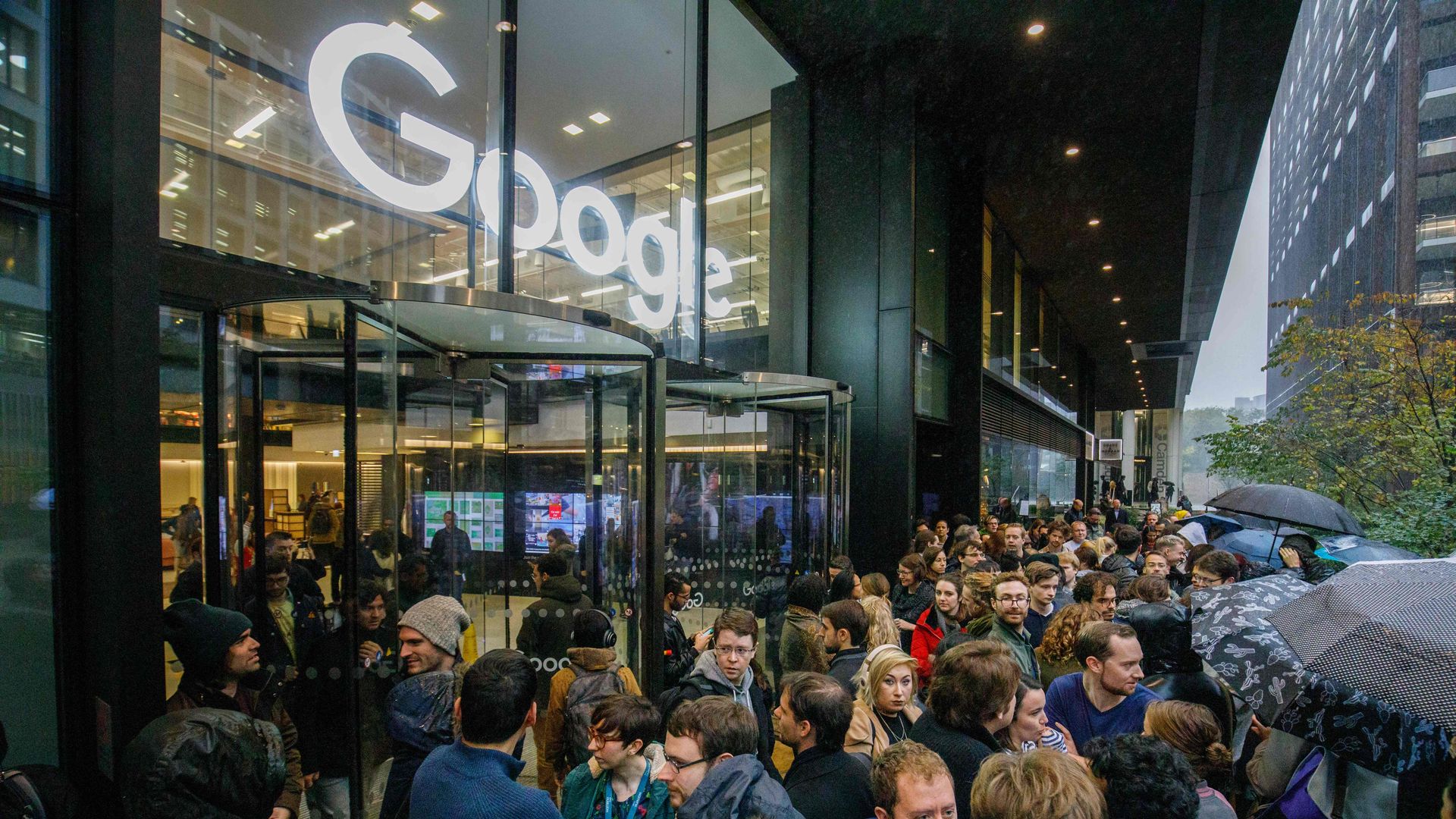
Google's contract workers are demanding they receive the same benefits enjoyed by full-time workers — including access to companywide town halls on topics such as sexual harassment — in a letter they sent to CEO Sundar Pichai on Wednesday.
The big picture from Axios' Ina Fried: Google, like many other Big Tech firms, essentially has two classes of workers: full-time employees and then a large number of others who work within its walls, including temporary workers, vendors and contractors."
Facebook documents released Wednesday portray the social giant as considering aggressive routes to squeeze more revenue out of user data, giving major companies extra access to data and undermining competitors.
Why it matters: While much of what's in the documents was already reported, together they provide a rare window into one of the world's most influential companies and reveal how Facebook's executives were ruthlessly focused on growing their service — while downplaying risks to user privacy.
Starting today, somePhoenix-area residents can use an app on their phone to summon a driverless taxi from Waymo. But even Waymo is playing down the historic milestone, acknowledging the world won't change overnight.
The big picture: After years of hype, it's the first real test of consumer demand for robocars. But the low-key launch speaks volumes about where AV technology is today — and how long it will take before people feel comfortable with cars that drive themselves.
As part of the Trump administration’s efforts to hold China accountable for unfair treatment of American companies, the Commerce Department on Nov. 19 proposed new export controls, traditionally limited to sensitive weapons technologies, that could bring China’s ambitious autonomous vehicle push to a screeching halt.
Why it matters: The move to block exports of these “emerging” and “foundational” technologies from the U.S., even by non-American companies, would limit partnerships with Chinese firms and possibly the employment of Chinese nationals in the U.S. AV industry, since technical information could qualify as an export.
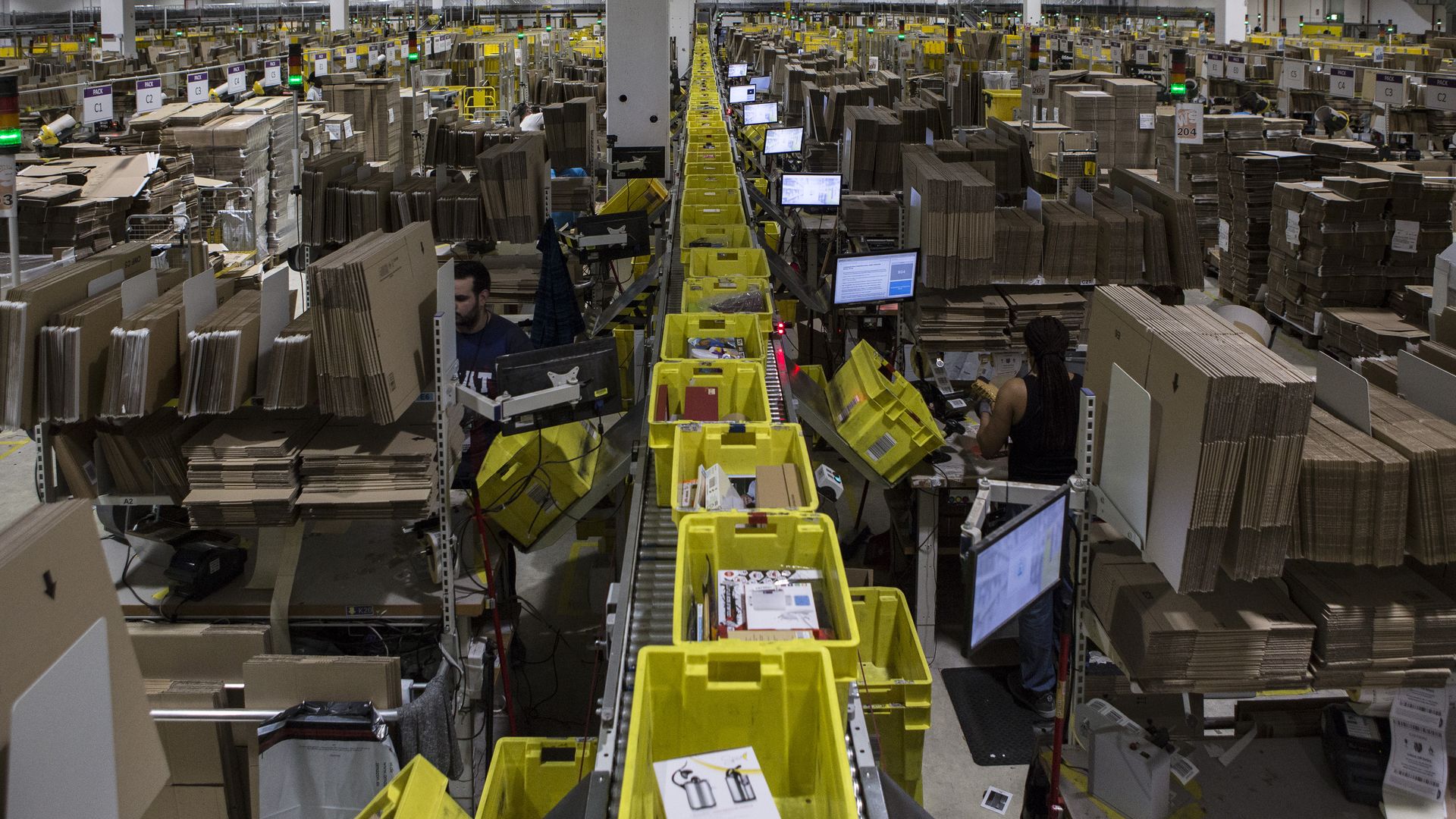
A task force created by President Trump said Tuesday the U.S. Postal Service should consider increases to the cost of shipping some packages, a move that could hurt Amazon along with other e-commerce companies.
Why it matters: Amazon faces a politically perilous moment. At home, it has become a symbol of the outsized wealth the tech boom put in the hands of the few, and it fields regular attacks from Trump. Across the Atlantic, it is under antitrust investigation.
After a year of scandals, Facebook lost its place as the best company to work at, according to Glassdoor. Facebook fell from first to seventh in the survey.
Why it matters: While customer defections or new regulations could both be longer-term consequences of the company's many trials, employee retention could be the most immediate challenge.