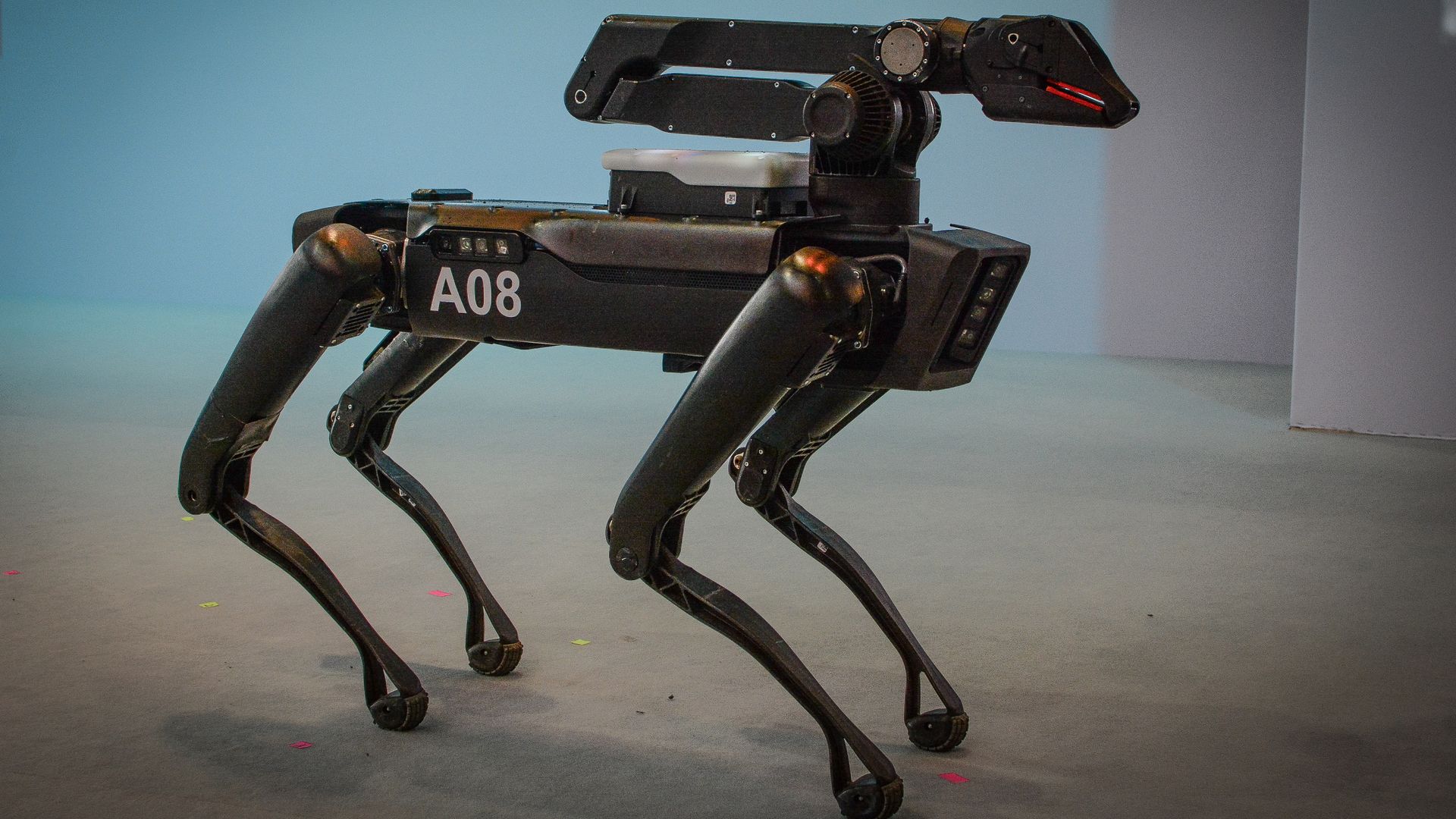
The U.S. is considering imposing export controls on a long list of emerging technologies in a move to protect its lead over China in developing artificial intelligence, robotics and quantum computing.
Why it matters: China has been gaining on the American head start in these strategic technologies, and the U.S. is deploying new tools to keep it at bay. "This complex effort was undertaken primarily due to the perception that China was exploiting weaknesses in the system to obtain advanced technologies with potential military applications," said Paul Triolo, an analyst at the Eurasia Group.
Dan is joined by New York Times tech reporter Mike Isaac, to discuss Facebook's terrible, horrible, no good, very bad week.
"Mark Zuckerberg reportedly referred to a lot of the criticism, particularly on the idea it misled people, as 'bullshit' during an employee call late last week, but here’s what’s very real. The talk of Zuckerberg running for president, or Sheryl Sandberg returning to D.C. in a Democratic administration, is over. Now it’s all about if they deserve to keep running one of the world’s most powerful companies."
If Apple is so big on users' privacy, why does the company take billions of dollars from Google in exchange for letting the search giant be the default search engine on iPhones, iPads and Macs? It's a question that has been on my mind a lot amid the raging debate over how much control individuals should have over their data.
Why it matters: Apple likes to make the case that while most of the Big Tech companies make money from selling your information, it makes money from selling you products. But it also gets a lot of money from Google, which only pays that amount because it makes more than that from Apple's customers.
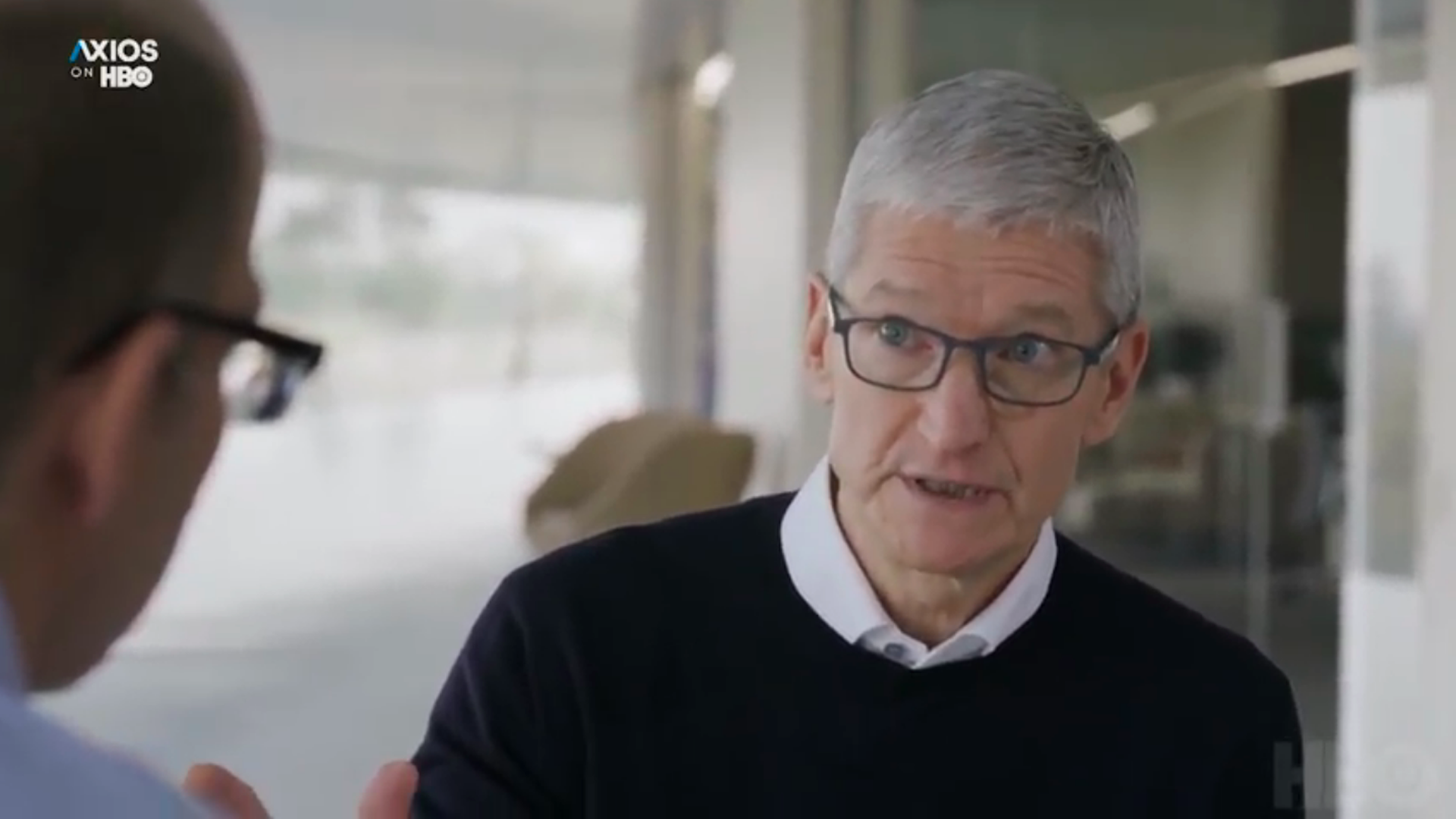
Apple CEO Tim Cook isn't worried about computers taking over from humans. He's far more concerned about people hanging on to their humanity.
"They're worried about machines taking jobs and AI sort of replacing humans. My worry is not that machines will think like people — it's that people will think like machines. And so that to me is a much bigger worry."
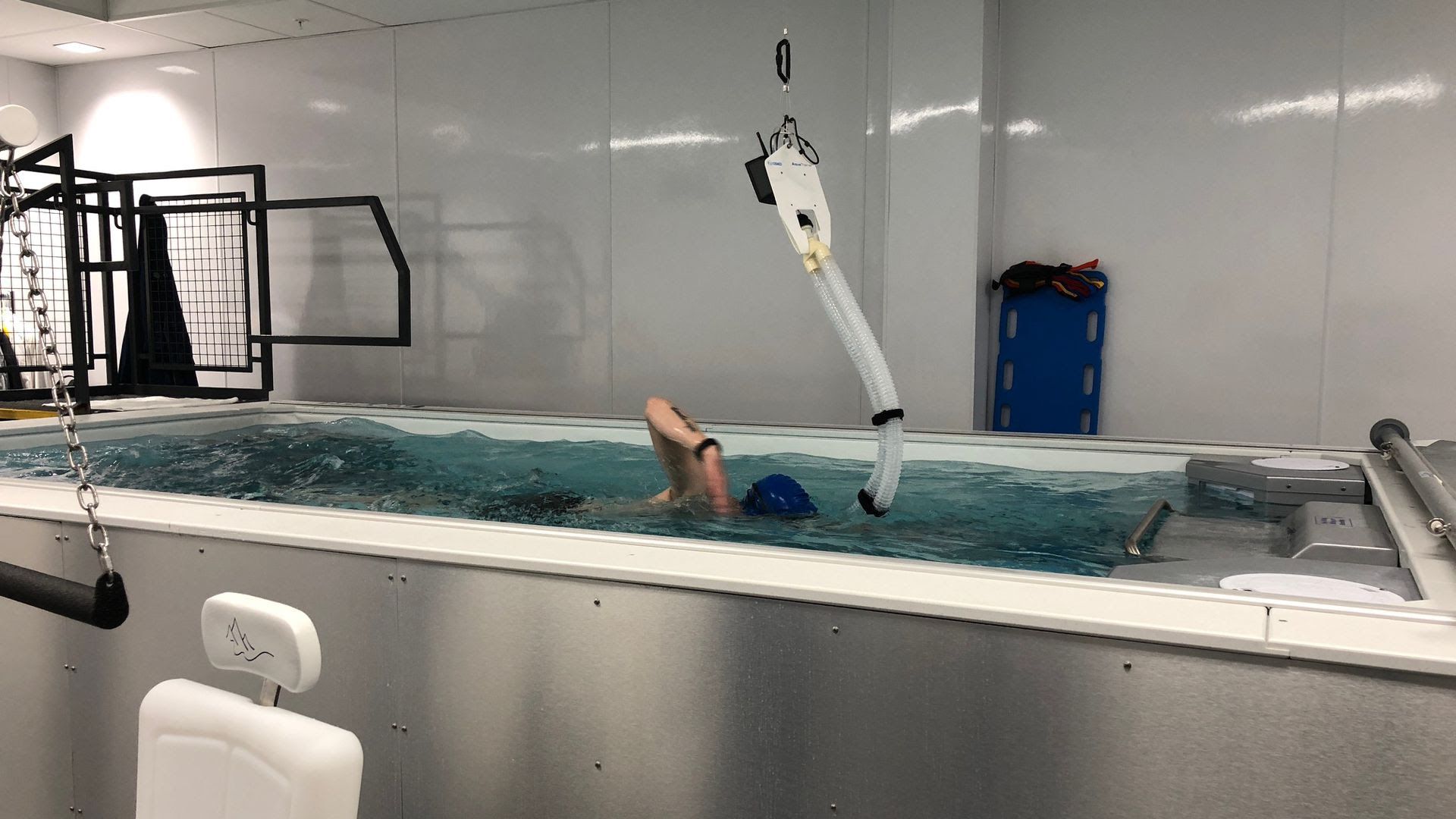
Details: Parts of the lab resemble a gym, with dozens of treadmills, rowing machines and other exercise machines. There's also a yoga room and an endless pool, which allows Apple to better track how people are swimming — as different strokes burn different amount of calories.
Here's a potential timesaver this Black Friday: a smartphone app that will deploy a robot to hold a parking space for you at the mall.
Details: MyPark is a Miami-based parking reservation service that, per Forbes, deploys mobile space blockers to hold spots for customers willing to pay a few dollars for the convenience.
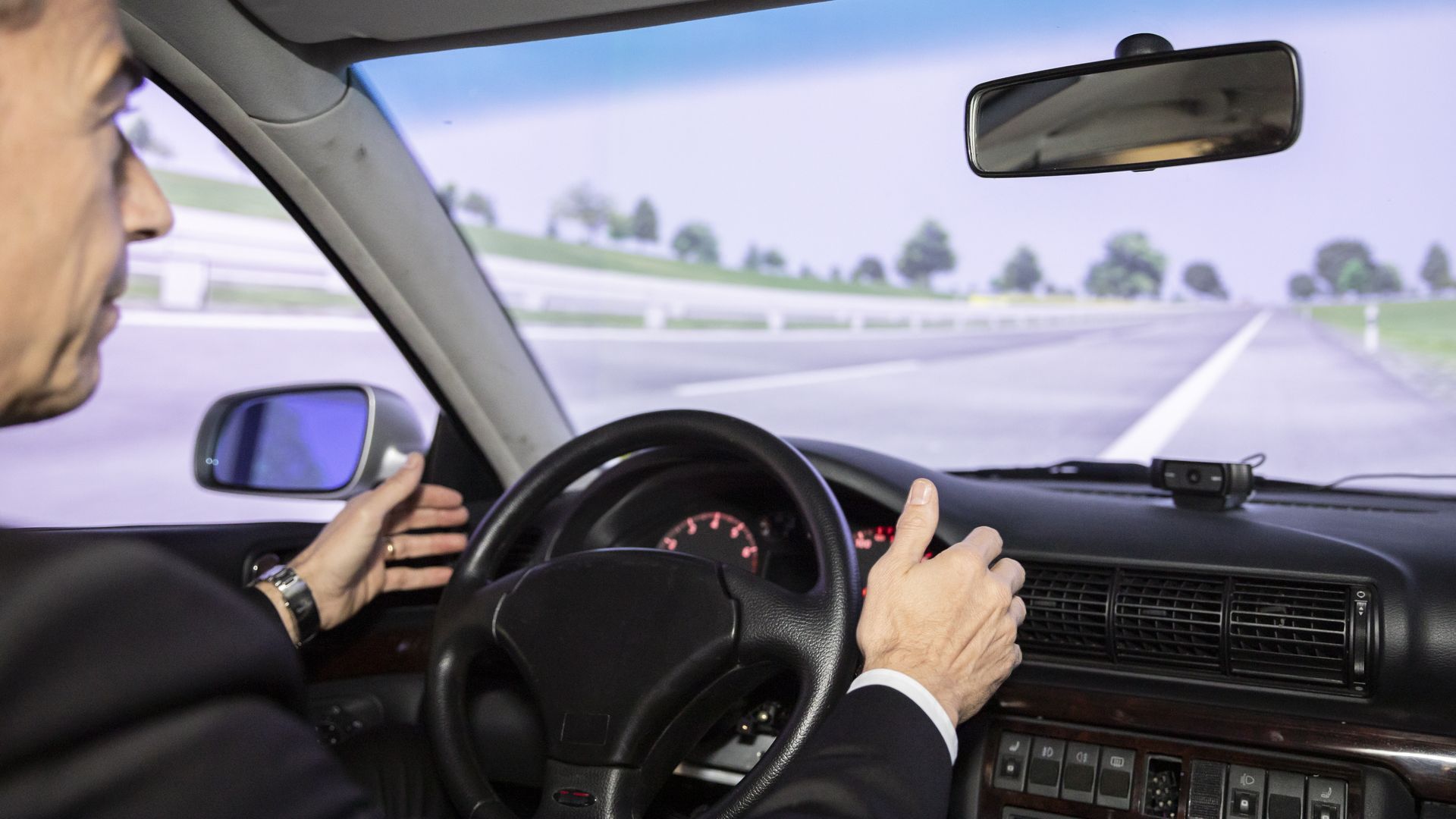
The job of autonomous vehicle safety driver seems pretty easy: Get paid for sitting there while the car does all the work. But it's a challenging assignment and self-regulated by the companies testing AVs, so the rules are only beginning to emerge.
The big picture: Safety drivers are researchers' eyes and ears, chronicling every roadway encounter to make the technology better. But requiring drivers — even specially trained ones — to pay attention without actually driving is difficult, which is why many companies argue that full autonomy is the safest way to go.
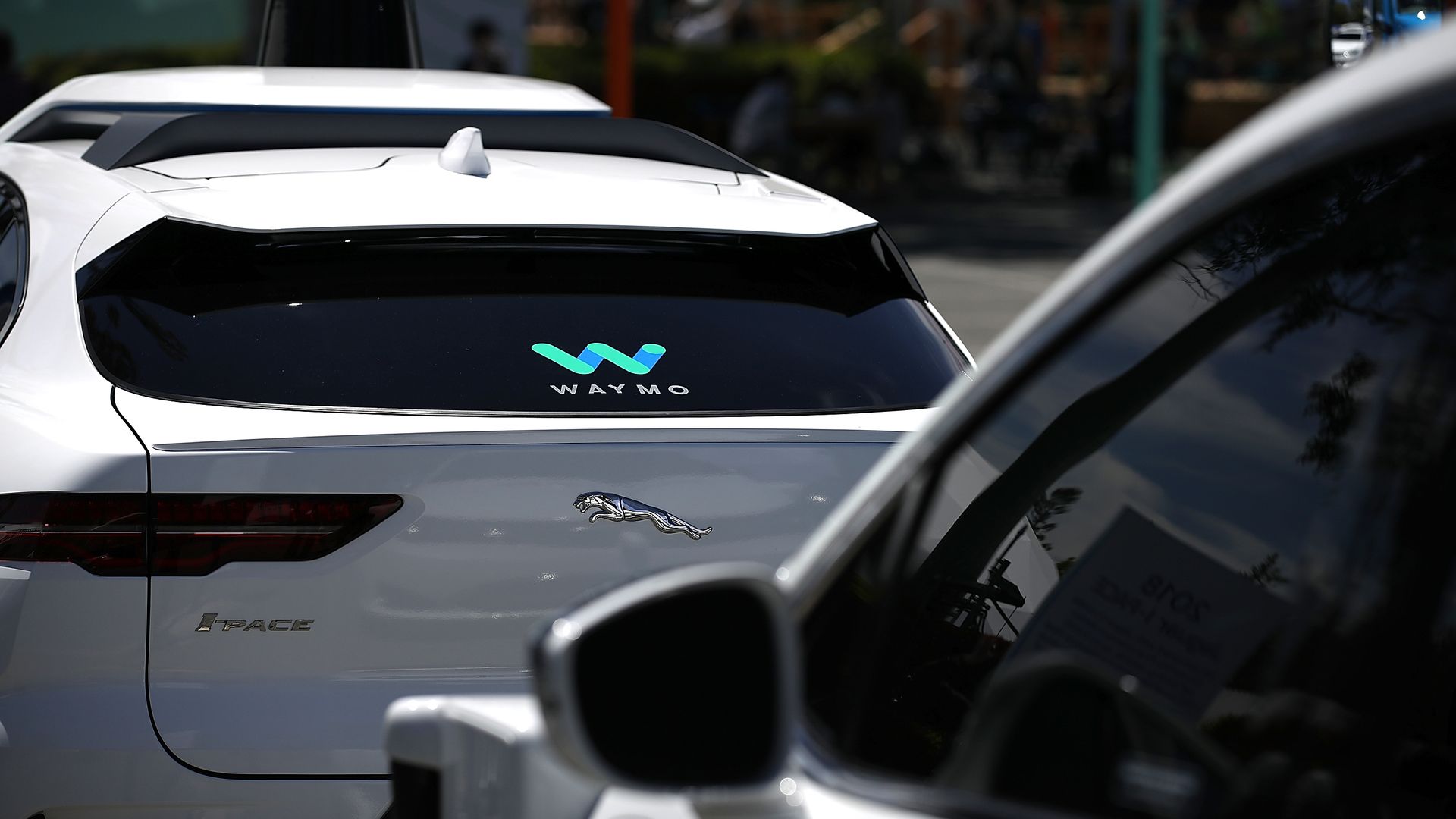
Waymo recently became the first AV company cleared to test vehicles without human safety drivers in California — which has far more congestion than Arizona, the only other state that has granted permits to driverless vehicles.
Why it matters: As AVs make it onto the road, they will interact with human drivers, pedestrians, cyclists and other driverless cars, but there is no industry standard for how they should signal their driving intentions — or even an agreement that they'll have to. This problem has become all the more urgent as test deployments of truly driverless cars move forward.
As Uber and Lyft team with automakers to invest in AV technology and expand their ride-sharing options, these services may contribute to a decline in personal car ownership that will make such partnerships even more essential to automakers.
The big picture: An initial drop in private car purchases will likely be limited to dense cities, and it's still too early to know how it will be affected by other trends in urban planning and public transit.
Silicon Valley has a big and growing problem: Americans have rising concerns with its most popular products and a growing majority wants big social media companies regulated, according to new poll conducted by Survey Monkey for “Axios on HBO.”
Why it matters: The public is more aware than ever of some of the negative consequences of the technologies that have changed their lives, which makes Silicon Valley and social media ripe political and regulatory targets.
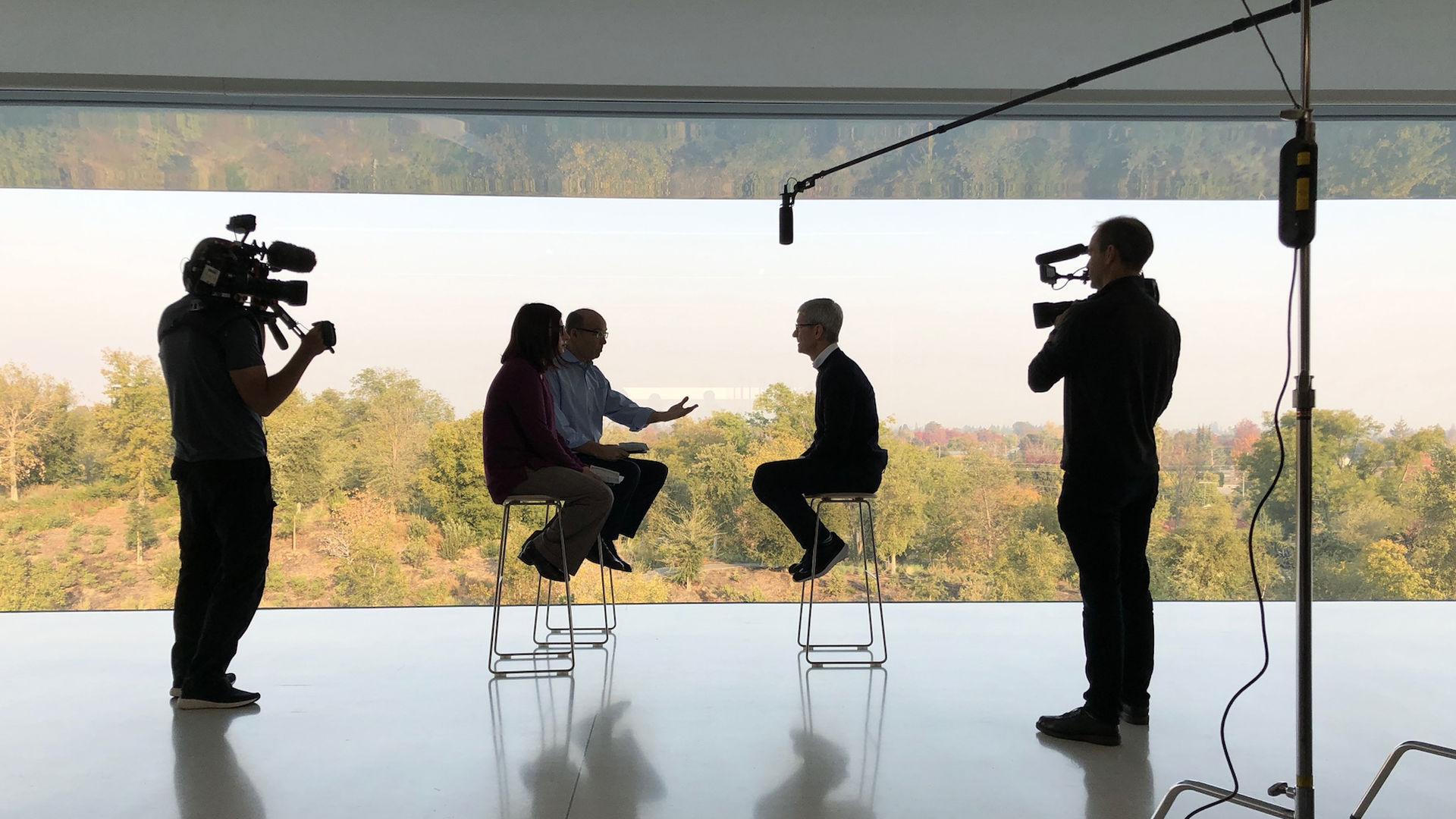
Apple CEO Tim Cook says his company views privacy as a "core value" that goes back before the iPhone. In an interview with "Axios on HBO," Cook defended taking billions from Google to make its search engine the default setting on the iPhone.
"I think their search engine is the best. Look at what we've done with the controls we've built in. We have private web browsing. We have an intelligent tracker prevention. What we've tried to do is come up with ways to help our users through their course of the day. It's not a perfect thing. I'd be the very first person to say that. But it goes a long way to helping."
— Cook to "Axios on HBO" in an interview that aired Sunday