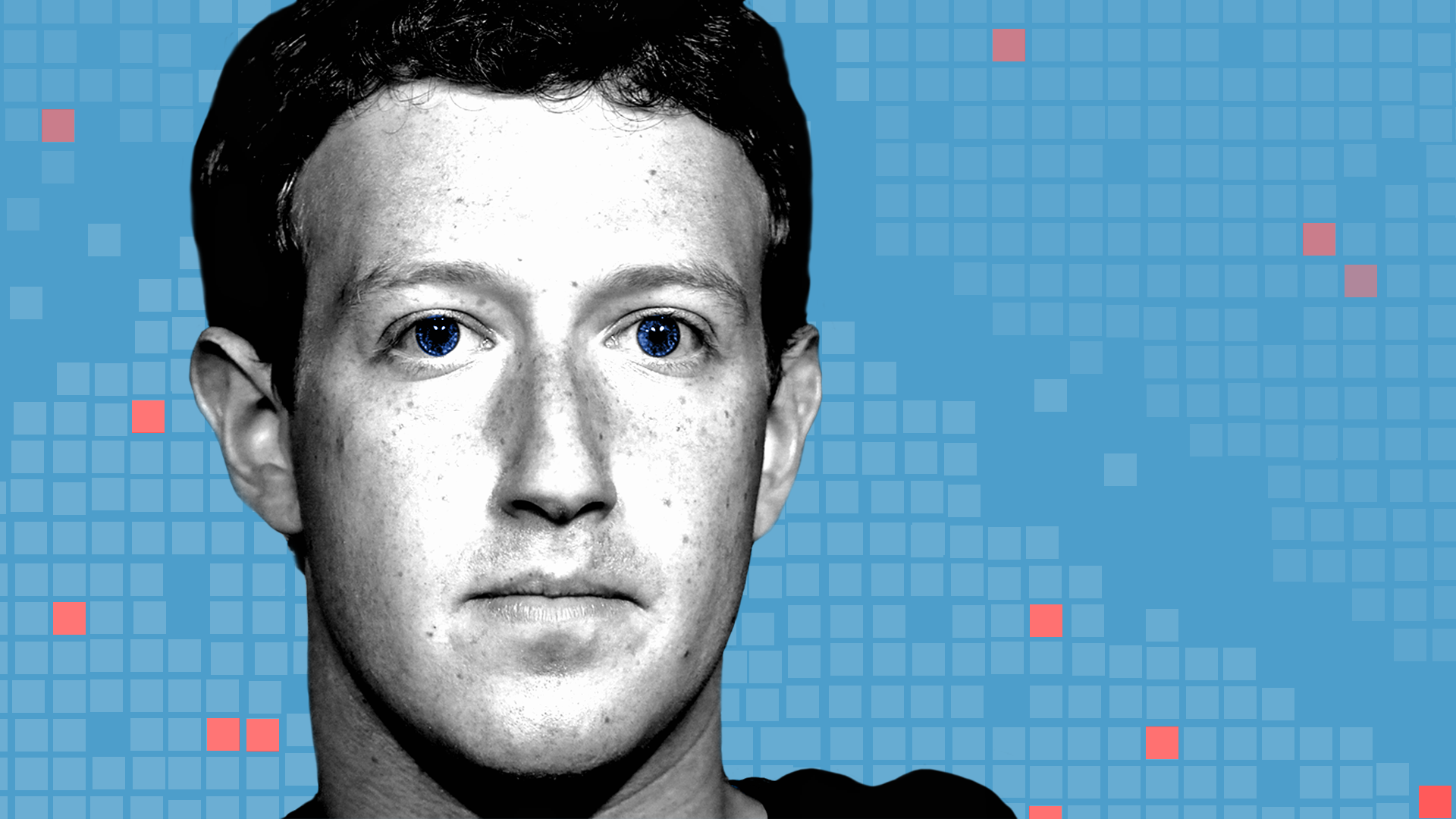
Facebook had even worse press than Amazon this week, thanks mainly to a devastating New York Times article on Wednesday.
What they're saying: The focus of the story is the manner in which Facebook's top two executives — Mark Zuckerberg and Sheryl Sandberg — react to bad news. Rather than deal with it directly, they tend, in the words of the article's headline, to "delay, deny and deflect." The conclusion: "Bent on growth, the pair ignored warning signs and then sought to conceal them from public view."
News consumption on smart speakers isn't picking up in the U.S. even though the purchases and overall usage of smart speakers is increasing overall, according to a report by the Reuters Institute for the Study of Journalism.
Why it matters: In a news environment that's fast and precise, news by smart speaker still has several glitches that turn users off, such as a long listening times, poor audio quality and story duplications. Smart speakers are still used more for weather reports and music.
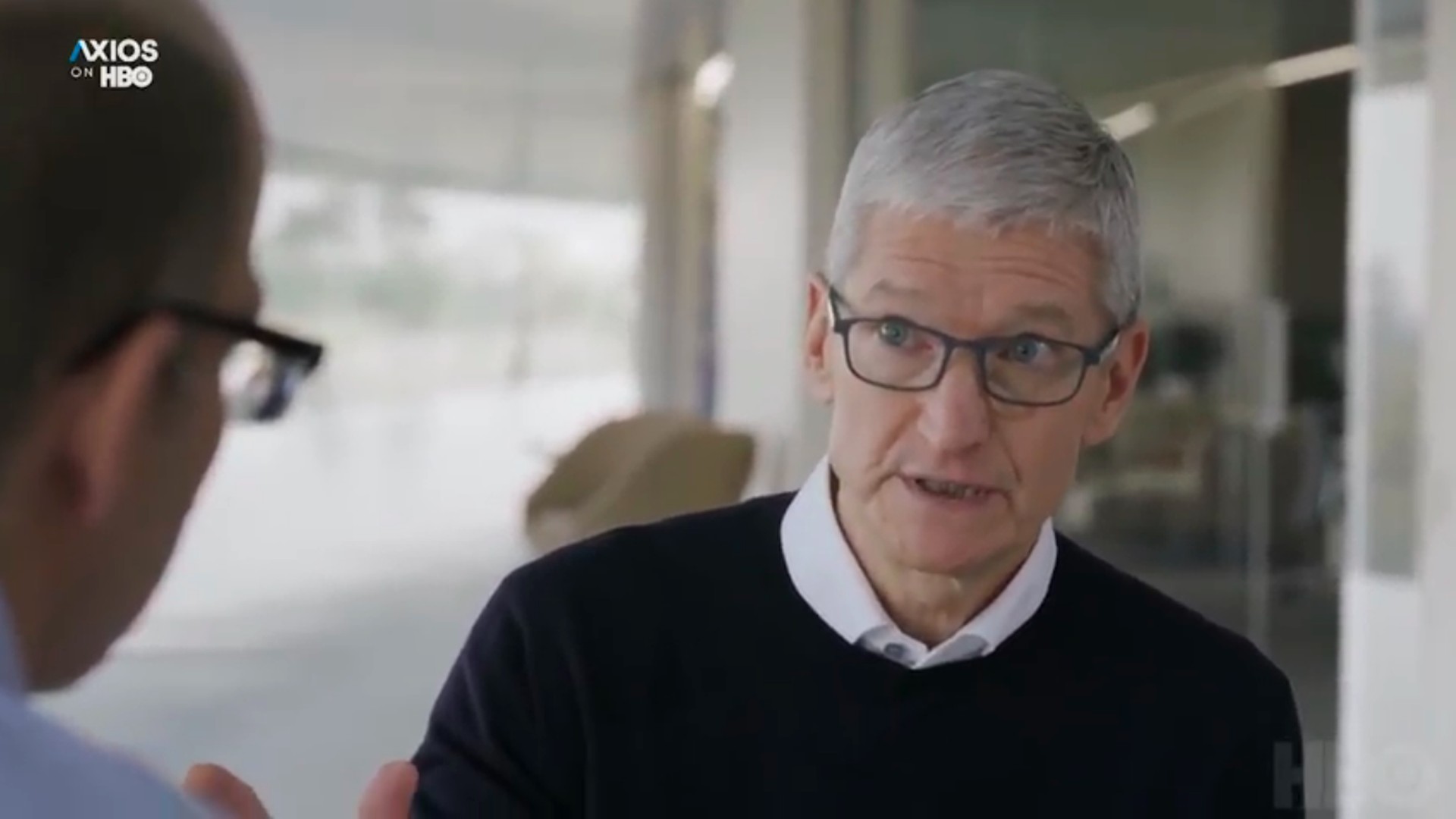
CUPERTINO, Calif. — Apple CEO Tim Cook says tech companies don’t build products that are inherently good or bad, but should be aware that their products can be used for evil. And he said in an interview for "Axios on HBO" that new regulations are likely coming.
What he's saying: "Generally speaking, I am not a big fan of regulation," Cook said in the interview. "I'm a big believer in the free market. But we have to admit when the free market is not working. And it hasn't worked here. I think it's inevitable that there will be some level of regulation," Cook added. "I think the Congress and the administration at some point will pass something."
Catch up quick: LinkedIn expects media business to bring in $2 billion in 2018; China’s networking-equipment manufacturing threatens 5G wireless infrastructure; Spotify launches in 13 new markets in the Middle East and North Africa; the global market for refurbished phones grew 10% in Q2; and veterans with disabilities find work training AI.
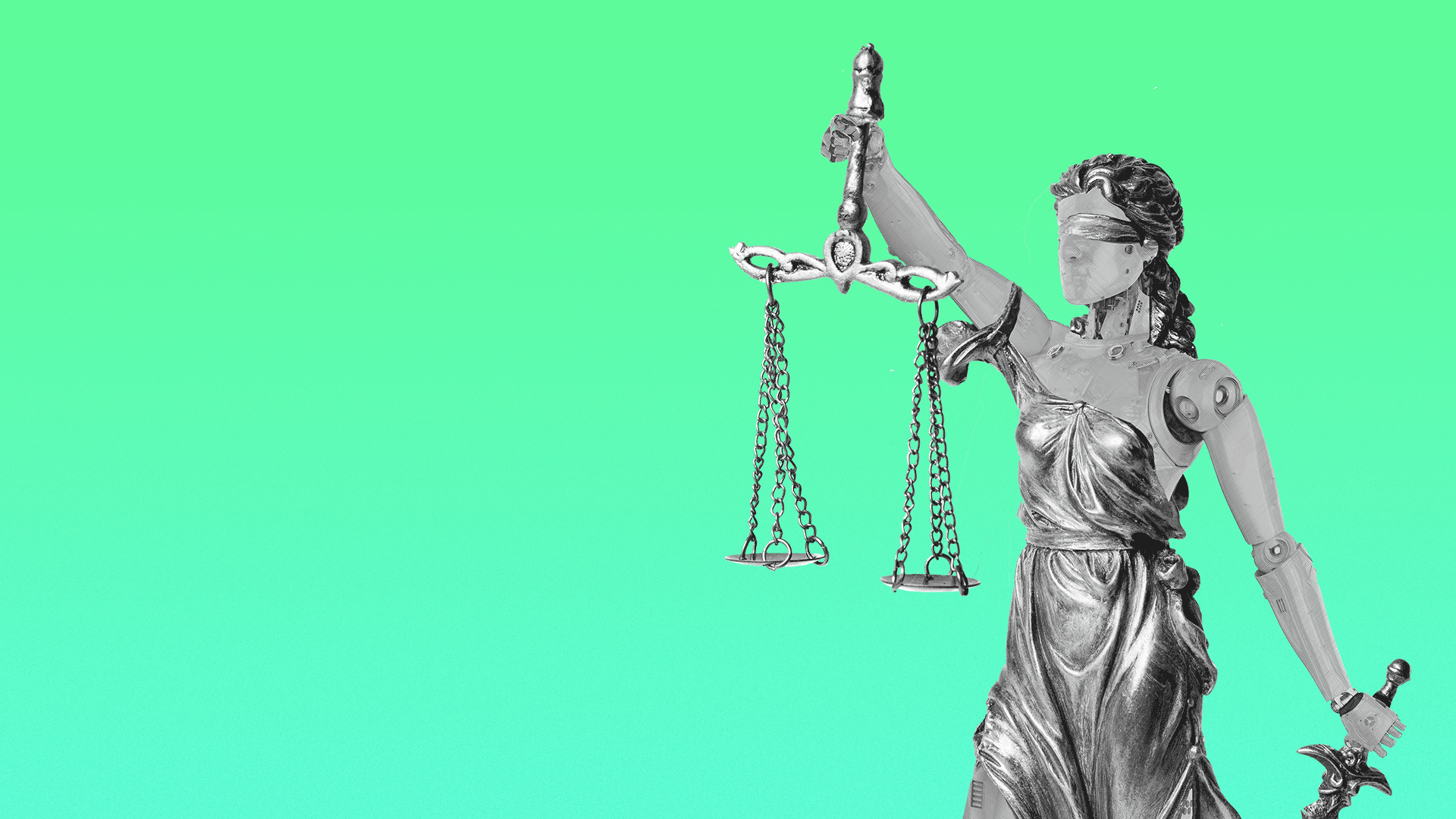
A court hands down an opinion: thoughtfully reasoned, forcefully argued, eminently fair. It’s lauded widely — until it comes out that the author wasn't a renowned judge but rather an advanced artificial intelligence system.
The big question: Should the opinion be rejected because of its source, even if it’s indistinguishable from — or better than — what a human would have produced?