A court hands down an opinion: thoughtfully reasoned, forcefully argued, eminently fair. It’s lauded widely — until it comes out that the author wasn't a renowned judge but rather an advanced artificial intelligence system.
The big question: Should the opinion be rejected because of its source, even if it’s indistinguishable from — or better than — what a human would have produced?
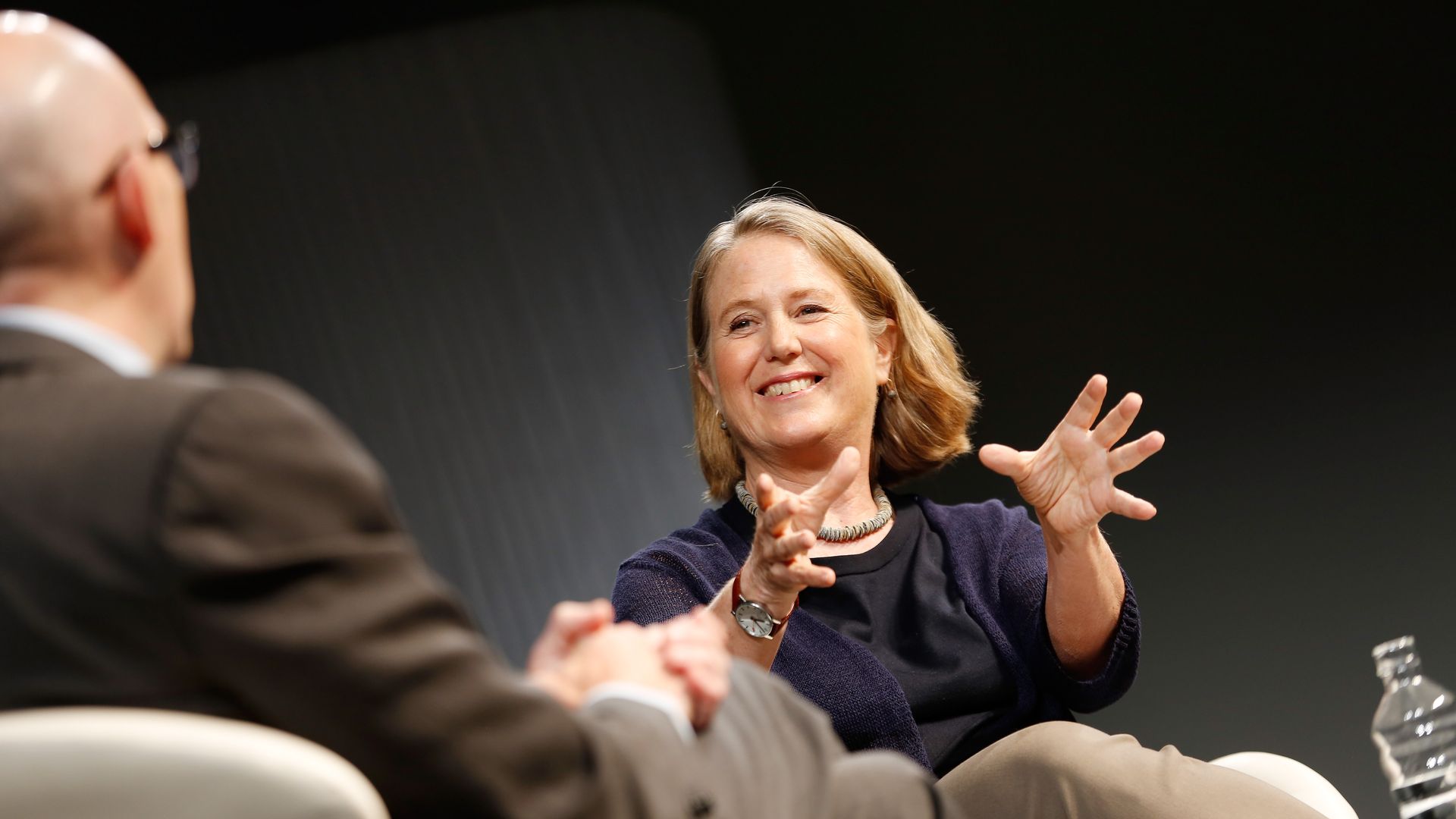
Diane Greene is stepping down as the head of Google's cloud computing business, three years after taking the role. She will be replaced by Thomas Kurian, who has been president of Oracle since late 2014 before exiting in September.
Greene will remain as CEO through January continue to serve as a director on parent company Alphabet's board.
Thought bubble: Greene brought tons of industry credibility at a time when Google needed to establish itself as a cloud player, but much work remains as Google continues to battle Amazon and Microsoft. Her departure also means the exit of one of the company's top female leaders at a time where it is under the microscope with regards to gender issues
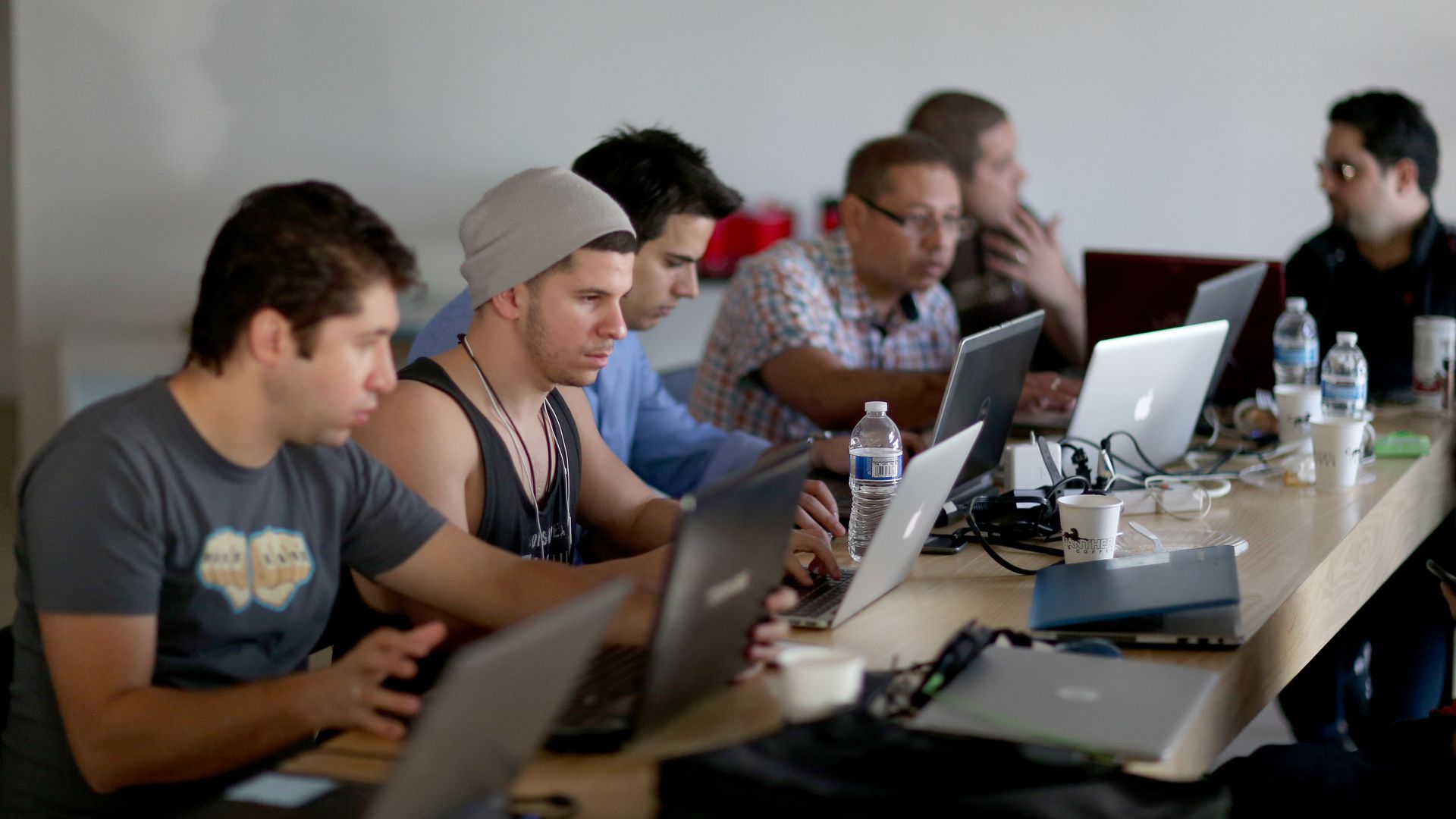
Transportation agencies in San Antonio, Baltimore, Fairfax and the state of Delaware have hosted hackathons and open data challenges, as did the recent InnoTrans conference in Berlin. These are opportunities for programmers, coders and designers to turn their ideas into practical transportation solutions in the form of web and mobile apps, data visualizations and algorithms for improved transit performance.
The big picture: Transit systems across America have seen a steady decline in ridership over the past five years, with an average drop of 5% in bus ridership from 2016 to 2017. These hackathons are only one of the newest ways cities are approaching the modernization of their transportation offerings — in addition to connecting public transit with Uber and Lyft, hosting bike and scooter shares, and launching smart phone apps that plan and track public transit rides.
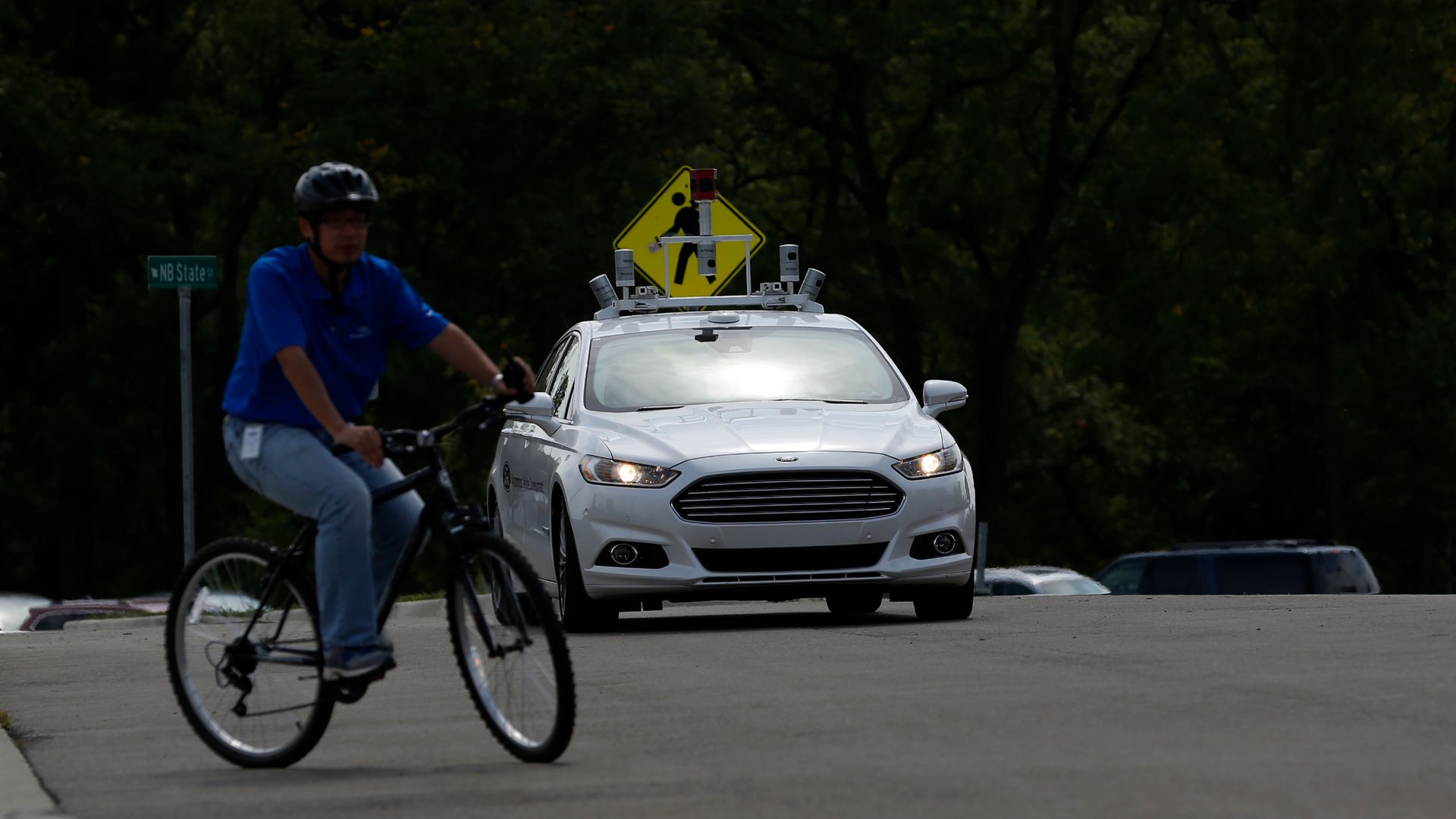
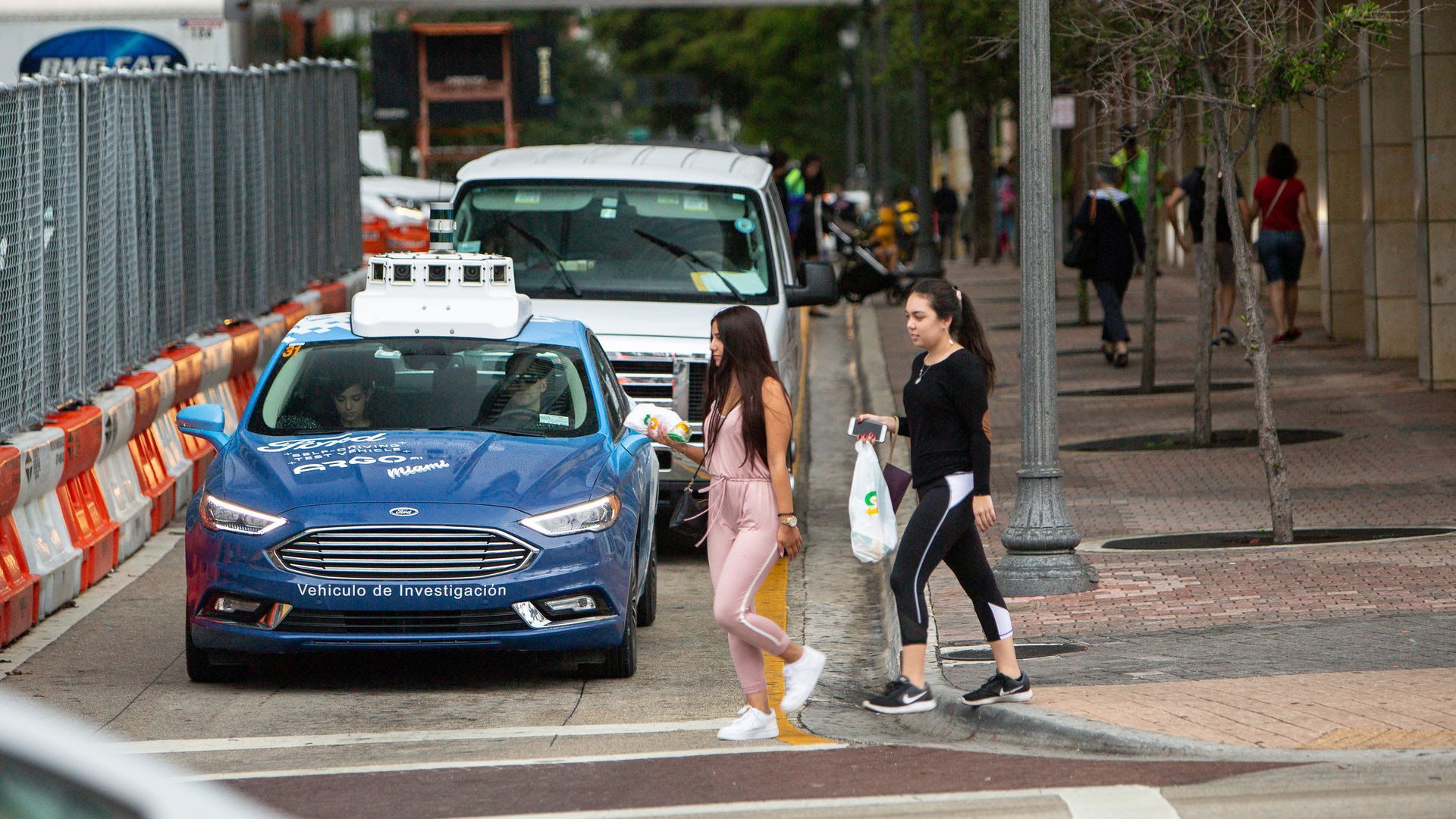
This week I traveled to Miami for some seat time in Ford's autonomous test vehicles. I rode in 3 separate Ford Fusions, each with a different pair of safety drivers up front.
Details: The AV's safety drivers kept their hands and feet ready to react, but only once did they opt to take control.
While Ford's autonomous vehicles are learning to drive on Miami's bustling streets, the company is simultaneously mapping out a business strategy for the driverless future by tapping local merchants for input on its first purpose-built AV.
Why it matters: The U.S. market for AVs will be $332 billion by 2026, according to Ford. About 40% could be for goods delivery including small businesses that are often constrained because they can't afford to hire drivers or buy delivery vehicles for only sporadic use.
AV developers are using their test vehicles to collect data on the interactions between vehicles, pedestrians and cyclists, but that data is currently specific to West Coast cities like San Francisco.
The big picture: The cultural norms of driving vary widely from one region to the next. To operate safely and be deployed widely, AVs will need to draw on global data sets that are locally customized and continuously updated to account for both changing behaviors and new modes of transportation, like electric scooters.
In the pinnacle of football season, The Weather Channel is forecasting football weather in mixed reality to help viewers understand the conditions the players endure at the stadium, shown in their newest mixed reality video exclusively obtained by Axios.
Why it matters: The channel plans to use immersive mixed reality technology in 80% of their programming by 2020 to give their reporting more of a competitive edge.
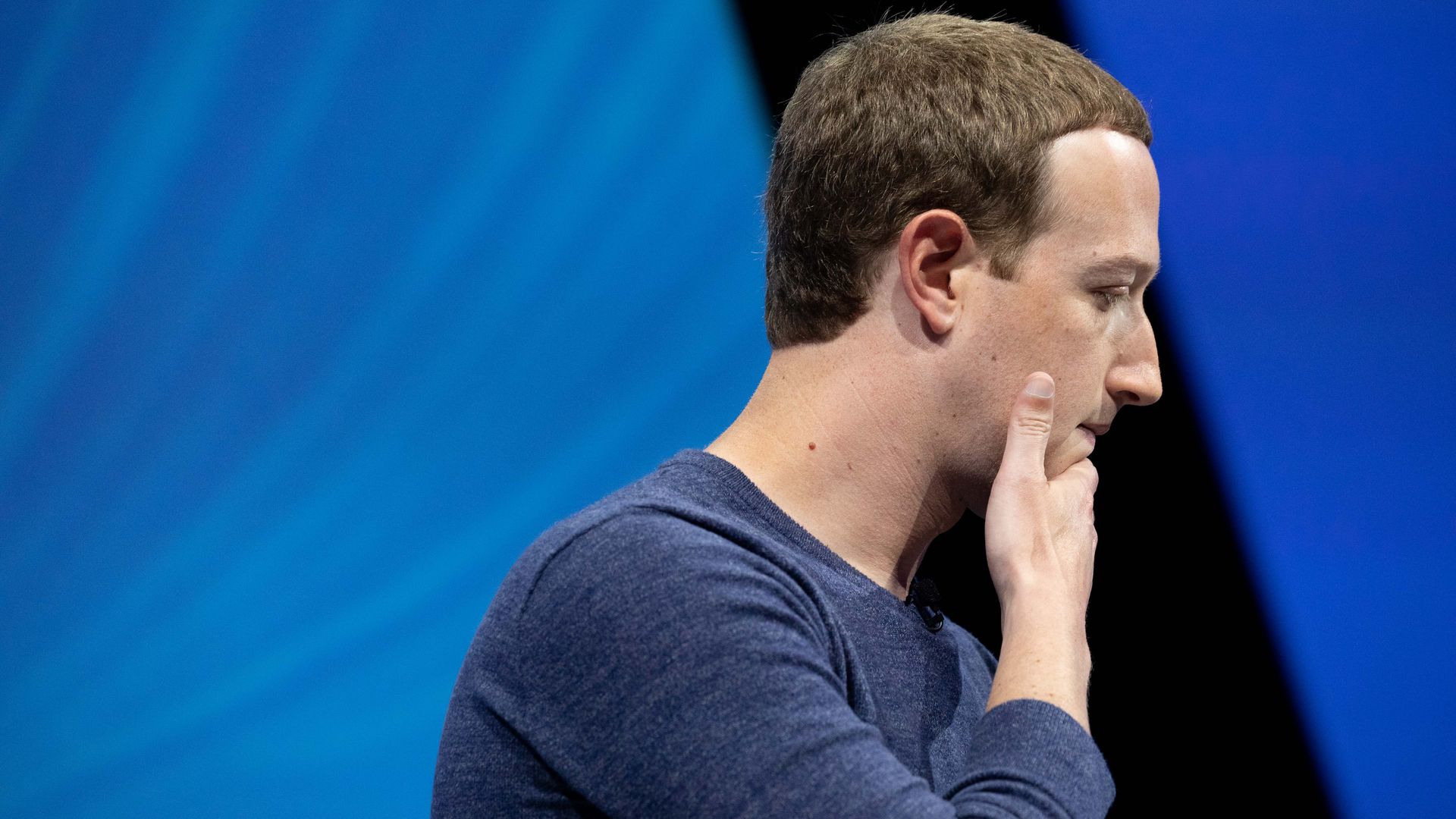
Facebook CEO Mark Zuckerberg said Thursday that he and COO Sheryl Sandberg were unaware of the company's involvement with a Washington, D.C.-based opposition research firm that had tried to link an anti-Facebook campaign to billionaire philanthropist George Soros.
Why it matters: Sharp-elbowed political consultants are common in the world of corporate lobbying. But a long series of crises, including the Cambridge Analytica privacy breaches and the election-meddling misinformation campaigns, have eroded Facebook's morale and run down its credibility reserves, giving the company's leaders little room to maneuver.
Michigan’s term-limited governor, Rick Snyder, has negotiated AV research partnerships with the governments of four countries—China, the U.K., the Netherlands and Australia—and two key auto-making regions in Canada and Europe.
Why it matters: Snyder wants to position Michigan as the convening authority when it comes to harmonizing global standards for self-driving cars. By luring foreign entities to conduct and share research in Michigan he's pushing back against the notion that California is the epicenter of autonomous vehicle development.







/2018/11/15/1542310092897.gif?w=3840)