Dan speaks with Salesforce CEO Marc Benioff, who has been the driving force behind a ballot initiative in San Francisco that would increase corporate taxes to help alleviate homelessness.
If approved, this could become a model for other cities, particularly ones whose booming tech industries have helped create unaffordable housing environments. But the outcome is anything but certain, and the ballot measure has split a San Francisco tech community that usually sees eye-to-eye on political matters.
A public interest group is calling for a new federal authority to oversee how the government approaches artificial intelligence technologies as they become central to the economy.
Why it matters: Autonomous machines are gaining footholds in our daily lives and across industries, but there's no clear or consistent approach to governing AI and the policy challenges that are already starting to emerge.
Cars do scary things sometimes when operating in driver-assist mode: braking in shadows, swerving at unseen obstacles and failing to respond the way we expect. The other night, an invisible set of hands kept vying for control of the 2019 Acura RDX I was driving. It gave me the creeps, like the car was possessed.
Why it matters: Consumers need to be able to trust the advanced driver assist systems on today’s vehicles or they will never embrace fully self-driving cars.
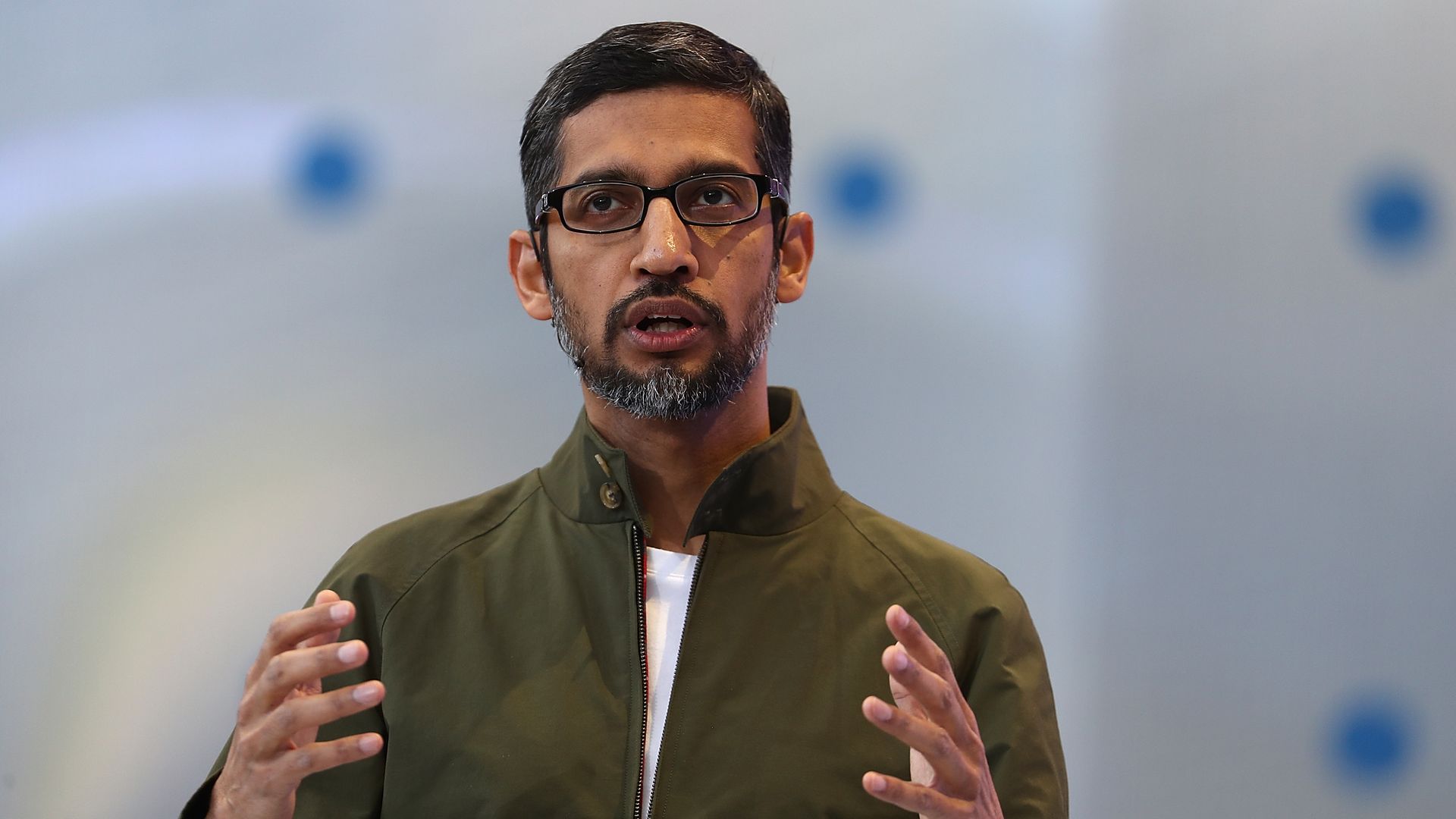
Google CEO Sundar Pichai told employees Tuesday that the company's contrition for handling of past sexual harassment didn't go far enough and promised to take a "much harder line" going forward. Pichai also pledged support for employees who choose to take part in a walkout on Thursday.
Why it matters: Google has come under attack for paying exit packages to executives in who have left in the wake of sexual harassment allegations while continuing the employment of others credibly accused of misconduct.
As Facebook changes its apps so that feeds share the spotlight with "stories," its "revenue growth may be slower in that period just as it was when we transitioned to mobile,” CEO Mark Zuckerberg cautioned investors Tuesday on a call to discuss the company's 2018 Q3 earnings.
The bottom line: Although Facebook needs to appease Wall Street as it comes off a string of controversies and navigates new changes to its products, its CEO was blunt about the challenges posed by this trend.
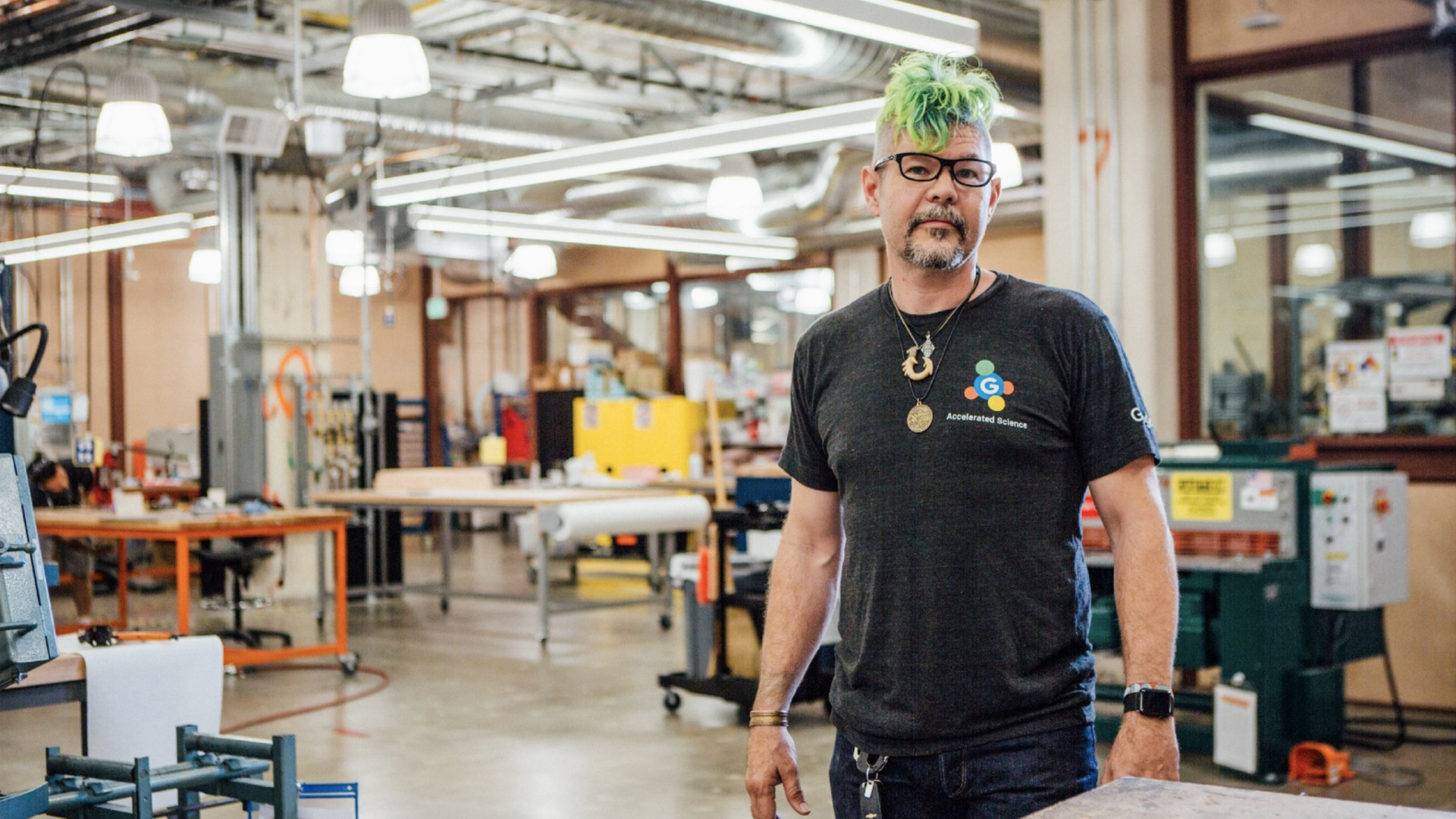
Rich DeVaul, a director at X, the moonshot unit of Alphabet, Google's parent company, has left the company following reports of sexual harassment. DeVaul left the company earlier today, according to a source familiar with the matter, and did not receive an exit package.
Why it matters: Google has come under fire for paying large severance packages or continuing to employ those found to have engaged in improper conduct.
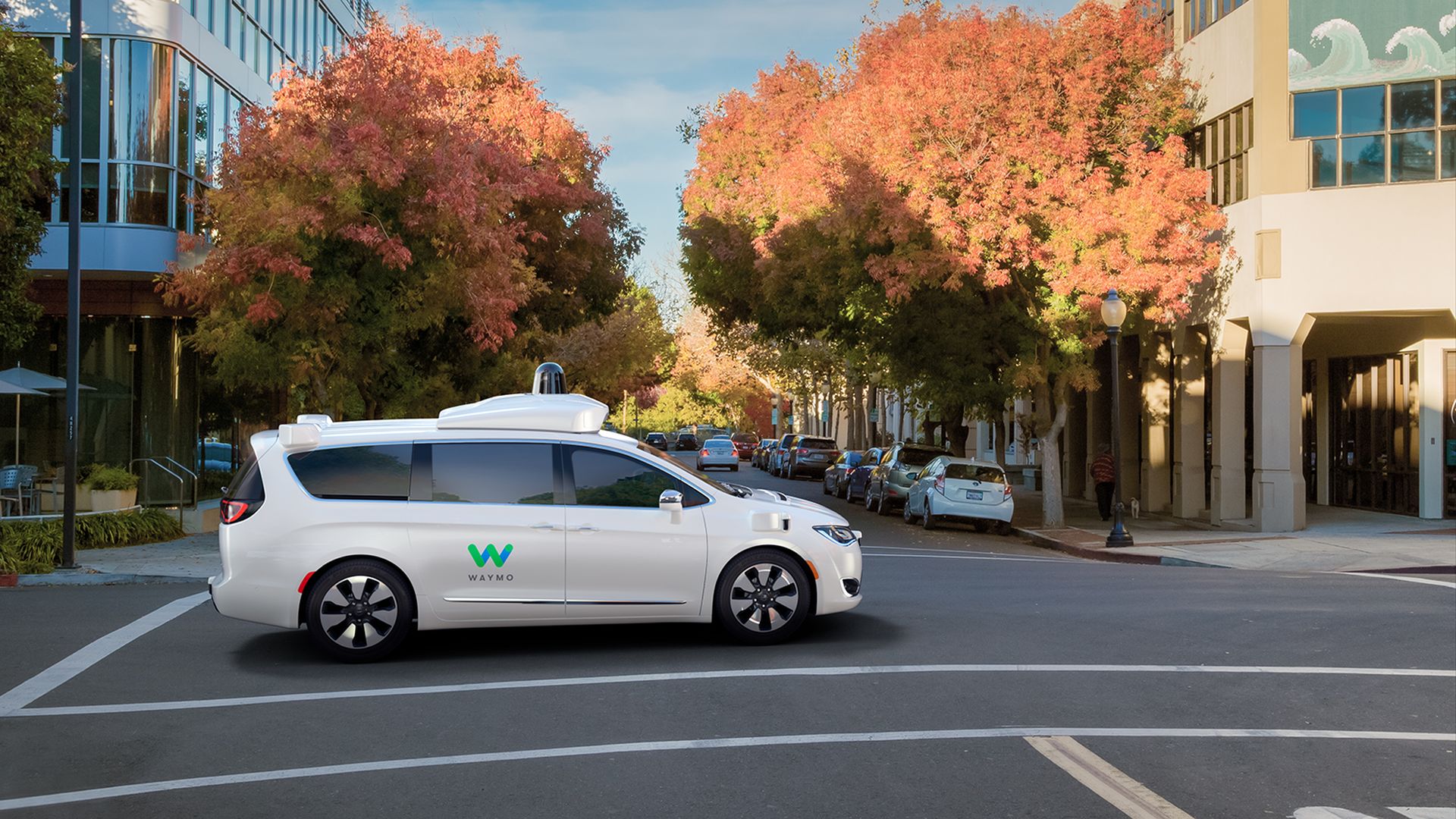
Waymo, Alphabet's self-driving car unit, has obtained a permit from the California Department of Motor Vehicles to begin testing on public roads without a safety driver behind the wheel. The company says it is the first to obtain such a permit.
Why it matters: This is a step towards Waymo's plan to eventually roll out a self-driving car service for customers in California as it has already done in Phoenix. The company has also been testing fully driverless rides on its private test track three hours outside of San Francisco (check out Axios's visit).
Facebook's stock was down slightly in after-hours trading Tuesday after the company blew past investor expectations for earnings, but missed on user growth and revenue.
Why it matters: The company advised last quarter that revenue growth rates would decline by high single digit percentages from prior quarters. Revenue was up 33% year over year.
Although hate continues to flourish on social media, experts say the situation is not hopeless. Among the recommendations are allowing broader reporting of hate speech, offering a similar reporting system across different social networks, and putting content moderation on par with finding bugs in code.
What they're saying: "It’s common for a bounty to be paid for reporting code issues to a company — companies should do the same with content moderation," Newhouse School of Public Communications professor Jennifer Grygiel tells Axios. "The public, researchers, experts etc. should be paid for reporting content that violates Twitter’s community guidelines."
The bottom line: The increase in length hasn't turned all tweets into short novels. Instead, it seems the change simply made it easier for users to avoid using a litany of abbreviations. And for users who still want to post longer thoughts, Twitter has also improved the ability to create so-called "tweetstorms," or sequences of connected tweets.
The U.K. government plans to introduce a new "digital services tax" in 2020 that would force big American companies like Google, Amazon and Facebook to pay a tax of 2% of their British revenue.
Why it matters: The tax, which is expected to raise £400 million annually, is one of several international efforts to levy stiffer corporate taxes that would hit U.S. tech giants hard.




/2018/10/30/1540919711552.gif?w=3840)