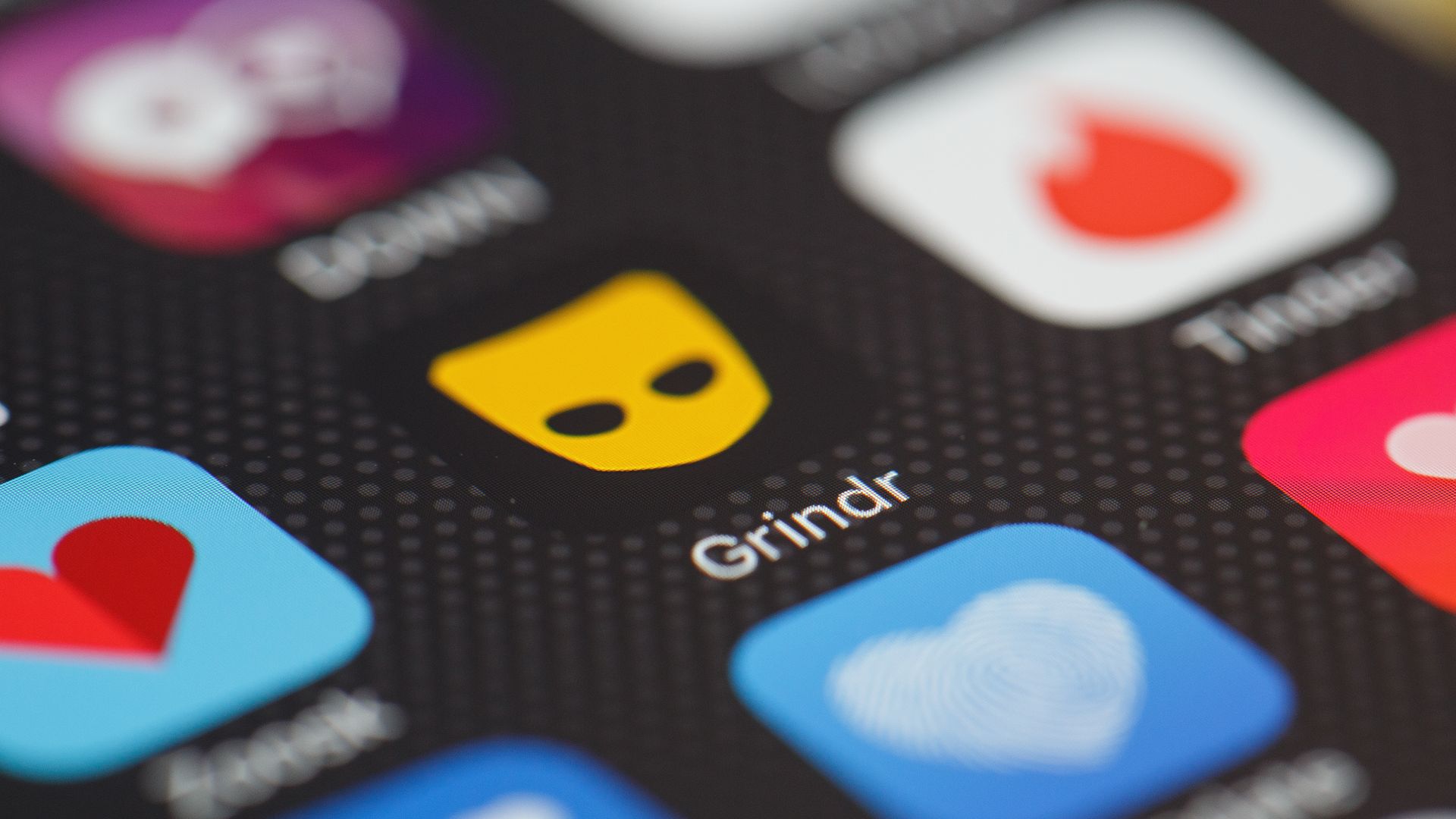
Grindr has stopped sharing users' HIV status with its third-party vendors, the company's head of security told Axios. However, much of the concerns with Grindr's data-sharing practices were a misunderstanding of what was being shared and with whom, says Grindr security chief Bryce Case.
The bottom line: Grindr may have been sharing more information than needed, but it insists the most sensitive information was encrypted and not shared with advertisers.
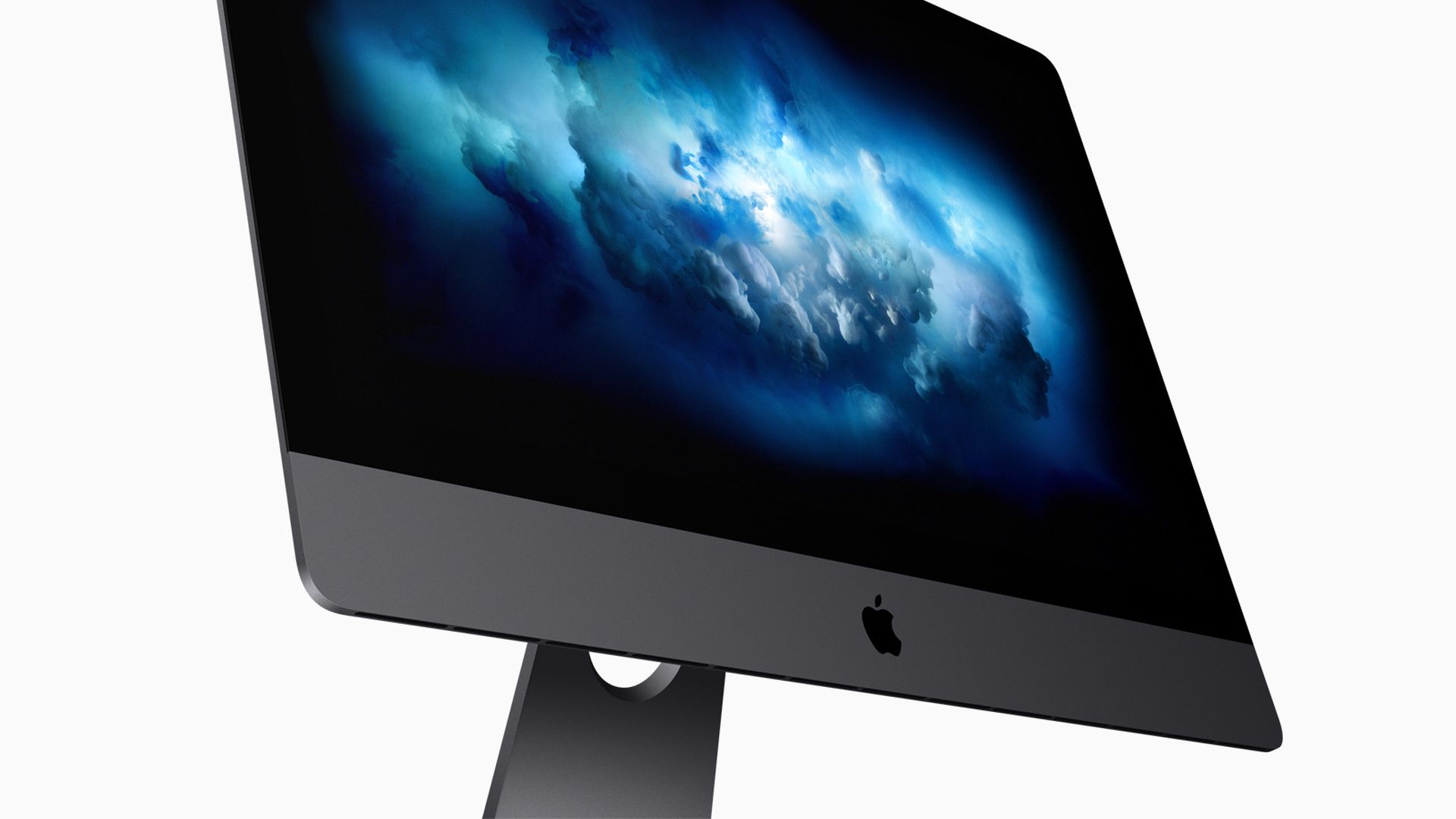
Apple could switch to homegrown processors for its Mac line by 2020, supplanting Intel, Bloomberg reported on Monday.
Why it matters: Switching to its ARM-based line of chips would offer Apple the potential for cost savings, battery life improvement and increased similarity between Macs and iOS-based devices. However, it will have to overcome performance and compatibility challenges.
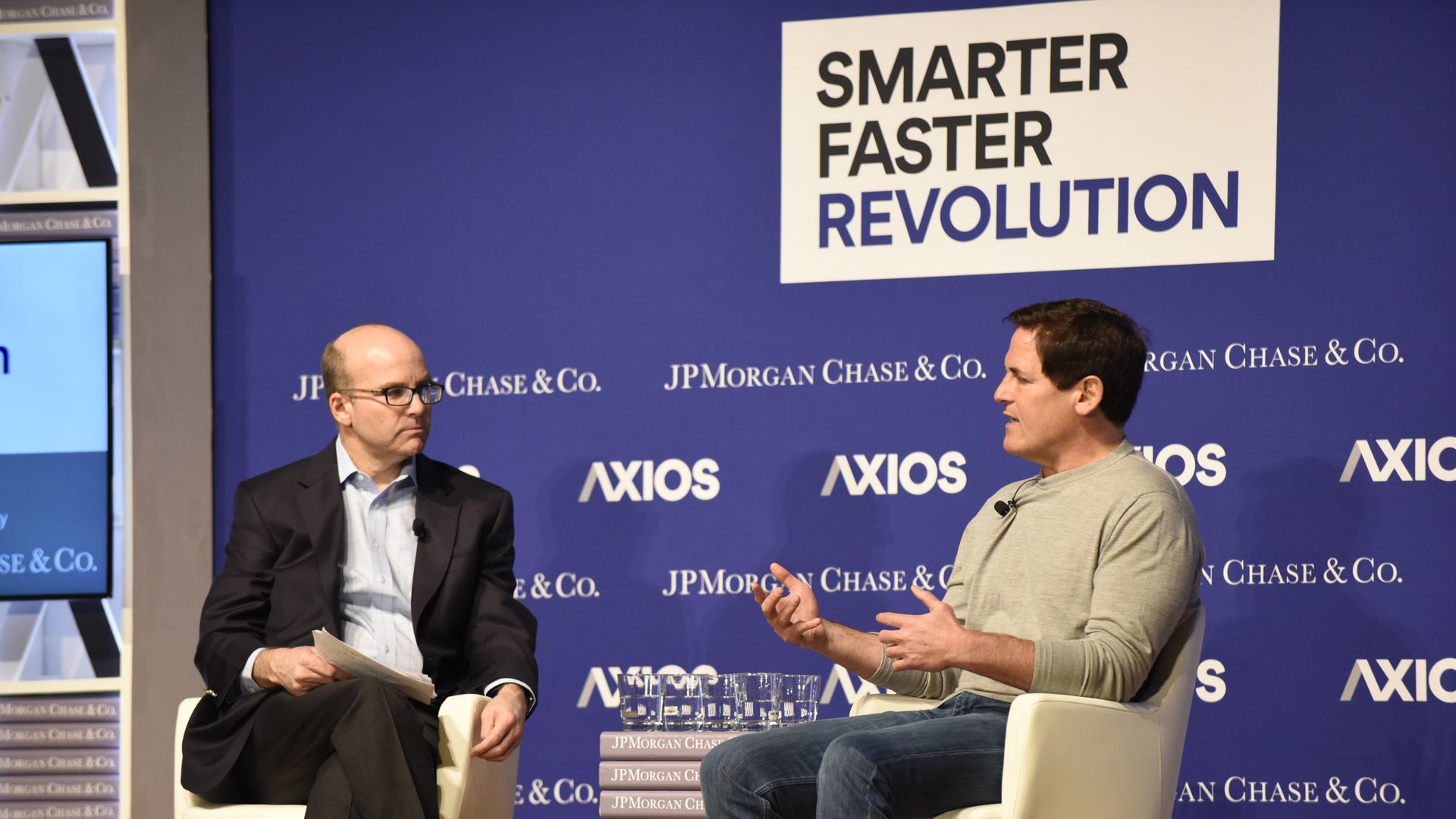
"You have no privacy... Your data is held by so many companies that Facebook isn’t doing something all that unusual."
— Billionaire Mark Cuban at an Axios event at Ohio State University.
Cuban said the best way to avoid privacy issues with Facebook is to avoid it. "Just don’t use Facebook and you don’t have to worry about it." At the same time, Cuban says users need to be smarter about what they're using: "We're all happy to beat up on Mark Zuckerberg. Anybody read the terms of service?"
Why this matters: The Cambridge Analytica controversy has turned into a reckoning over Facebook's data practices. Facebook CEO Mark Zuckerberg has been publicly defending the company in media interviews and is expected to appear before Congress this month.
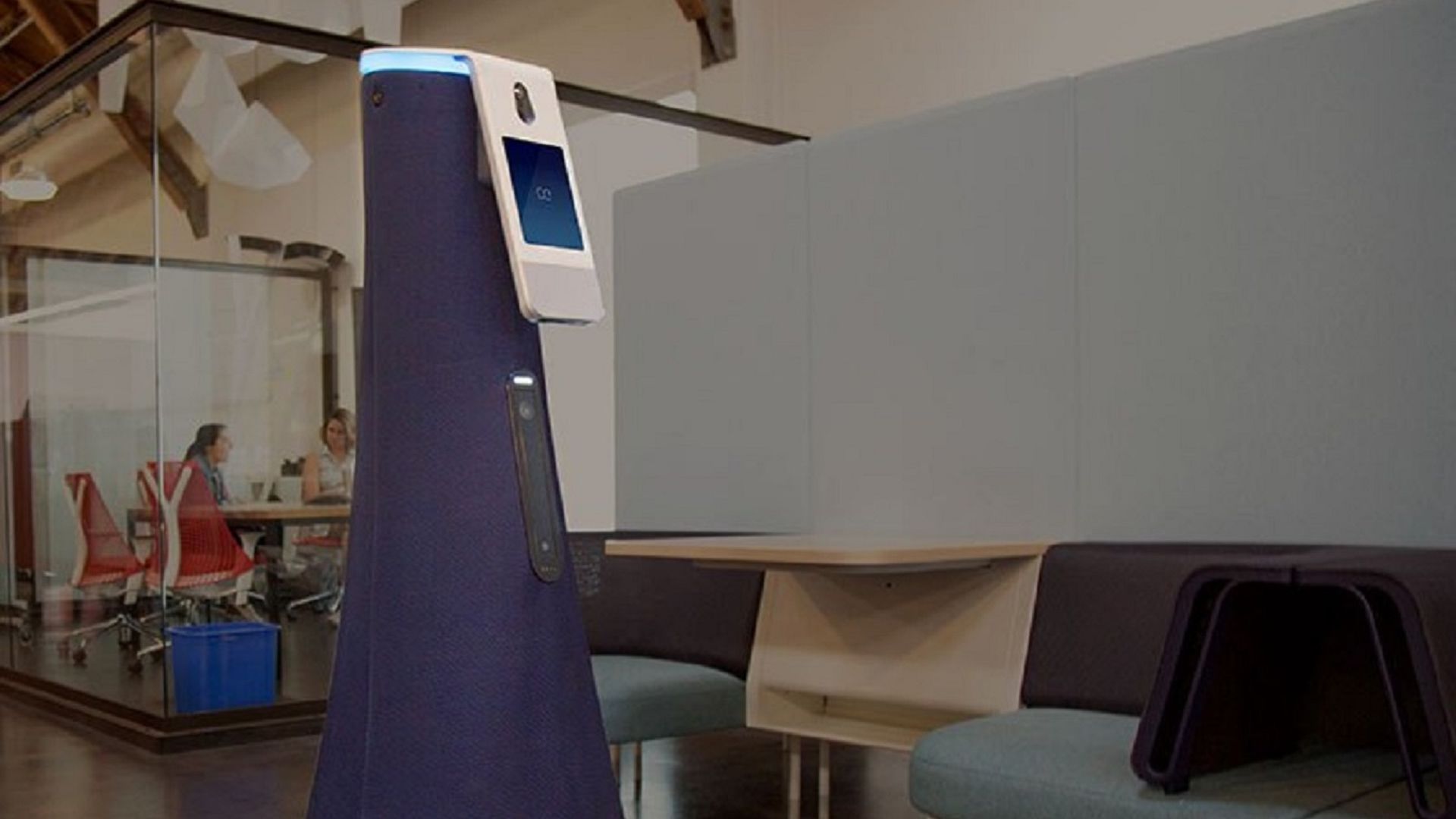
Cobalt Robotics, a developer of robotic security guards for office buildings, raised $13 million in Series A funding led by Sequoia Capital.
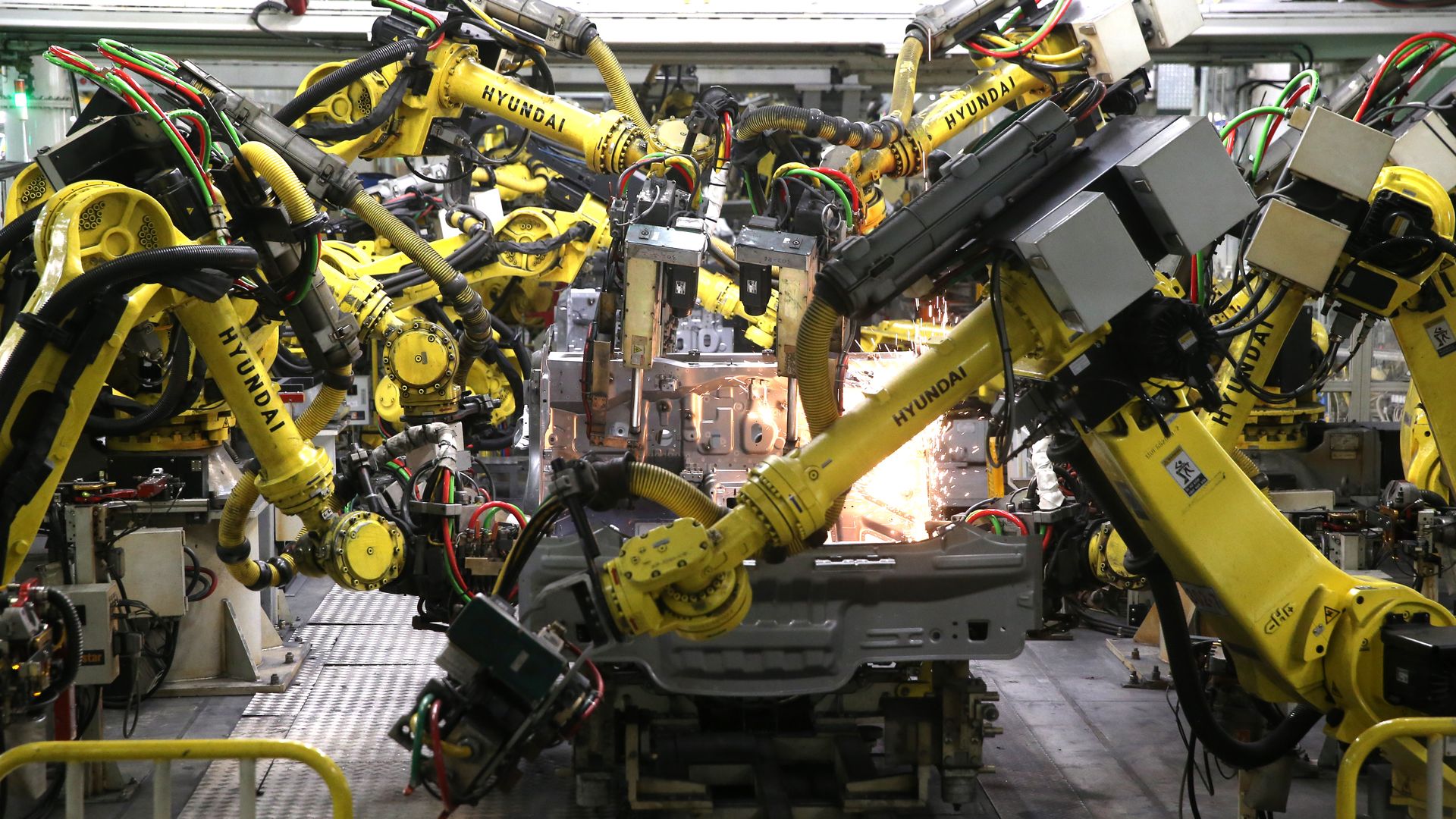
Why it's a big deal: This might be the first step toward replacing not only human security guards, but also certain types of facilities managers (its detection skills include water leaks and spills).
In conversation with Vox's Ezra Klein, Facebook CEO Mark Zuckerberg laid out his plan for ensuring he and his platform are held accountable for the content that appears on site:
"[O]ver the long-term, what I’d really like to get to is an independent appeal. So maybe folks at Facebook make the first decision based on the community standards that are outlined, and then people can get a second opinion. You can imagine some sort of structure, almost like a Supreme Court, that is made up of independent folks who don’t work for Facebook, who ultimately make the final judgment call on what should be acceptable speech in a community that reflects the social norms and values of people all around the world."
Leading economists are increasingly scaling back the most apocalyptic forecasts of job losses resulting from the new age of automation. In a major report, the Organization for Economic Cooperation and Development (OECD), the research and policy grouping of the world’s richest nations, says 10% of U.S. jobs are at high risk of vanishing to automation — much lower than most prior forecasts.
Why it matters: The benchmark for such scholarship is a landmark 2013 study by two Oxford University economists, who said automation could wipe out 47% of American jobs. So, to the degree the new report is a better reflection of the future, it's good news for American workers.
"You know, I find that argument, that if you’re not paying that somehow we can’t care about you, to be extremely glib. And not at all aligned with the truth. The reality here is that if you want to build a service that helps connect everyone in the world, then there are a lot of people who can’t afford to pay. And therefore, as with a lot of media, having an advertising-supported model is the only rational model that can support building this service to reach people ... I don’t think at all think that means that we don’t care about people. To the contrary, I think it’s important that we don’t all get Stockholm Syndrome, and let the companies that work hard to charge you more, convince you that they actually care more about you. Because that sounds ridiculous to me."
Go deeper: This episode of "The Ezra Klein Show" podcast just dropped. Listen here.
There is a big reason to oppose the sort of pranks that have become all too common in the tech and business worlds on April Fools' Day. Most just aren't that funny.
But, but but: A number of people pointed to a larger truth amid all the messages: Why is it that April Fools' Day is the one day a year where we view what we read on the internet with skepticism?
Public relations experts who have experience grooming CEOs for congressional testimony have pointers for Mark Zuckerberg as he prepares to face lawmakers over Facebook's data controversy, AP reports.
Why it matters: "CEOs testifying in Washington have lost jobs, faced perjury investigations and otherwise endured public humiliation. It’s not comfortable for anyone in a position of power to essentially kowtow to Congress in a televised setting," AP writes.