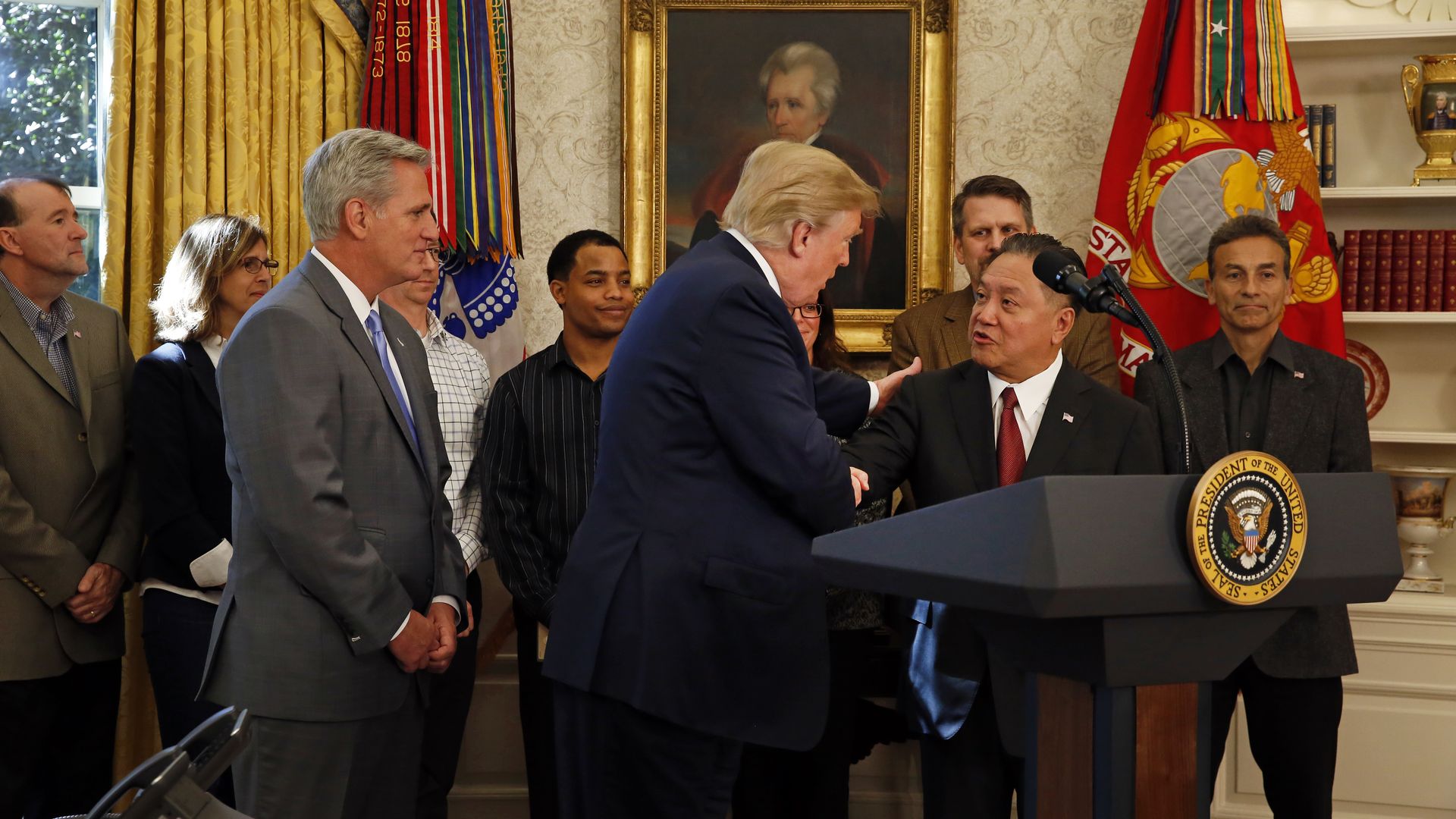
The White House tonight blocked Broadcom's proposed $117 billion purchase of Qualcomm, saying preventing the deal was "necessary to protect the national security of the United States."
Why it matters: It is unprecedented for the U.S. government to block a deal like this one. The purchase — which would have been the largest tech deal in history — hadn't even been agreed to yet by the two companies. Blocking it also shows the Trump administration's aggressive stance on perceived threats from foreign investors and the growing technological might of China.
Lyft says that in 2017 Q4 it saw 168% in GAAP (generally accepted accounting principles) revenue growth year-over-year, and that it brought "over $1 billion" in GAAP revenue for the whole year.
Why it matters: While Lyft continues to deny IPO rumors, it's not surprise that the ride-hailing company is touting numbers that show it's growing and doing well. Though it's still much smaller than rival Uber, the company is definitely pushing the narrative that it's growing faster (it sent reporters a chart comparing the two).
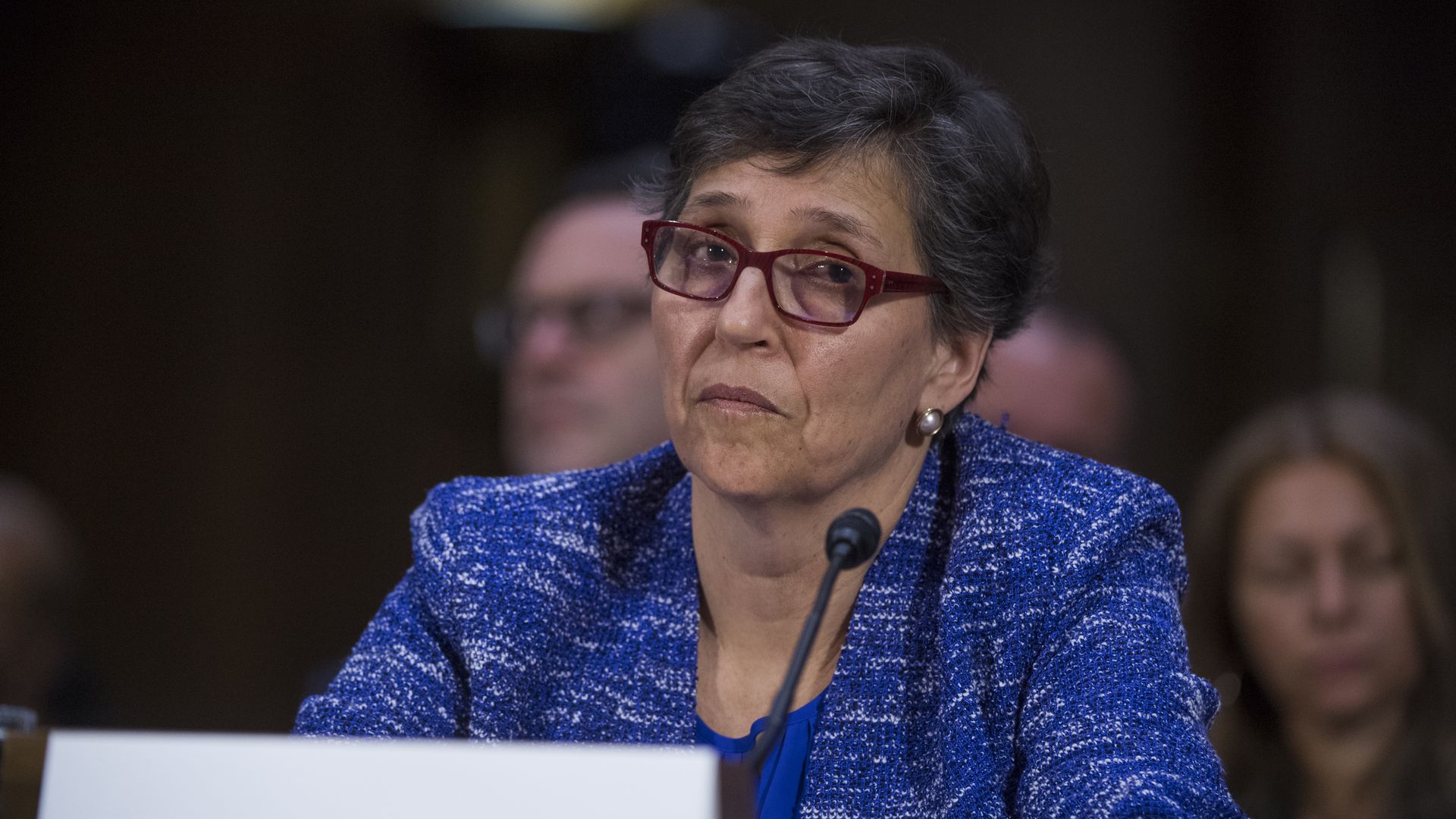
A judge ruled today that anyone affected by the U.S. data breach can sue Verizon, who owns Yahoo, according to Reuters, because customers might have acted differently if they had known of the security weaknesses.
Why it matters: All 3 billion accounts on Yahoo's server were compromised.
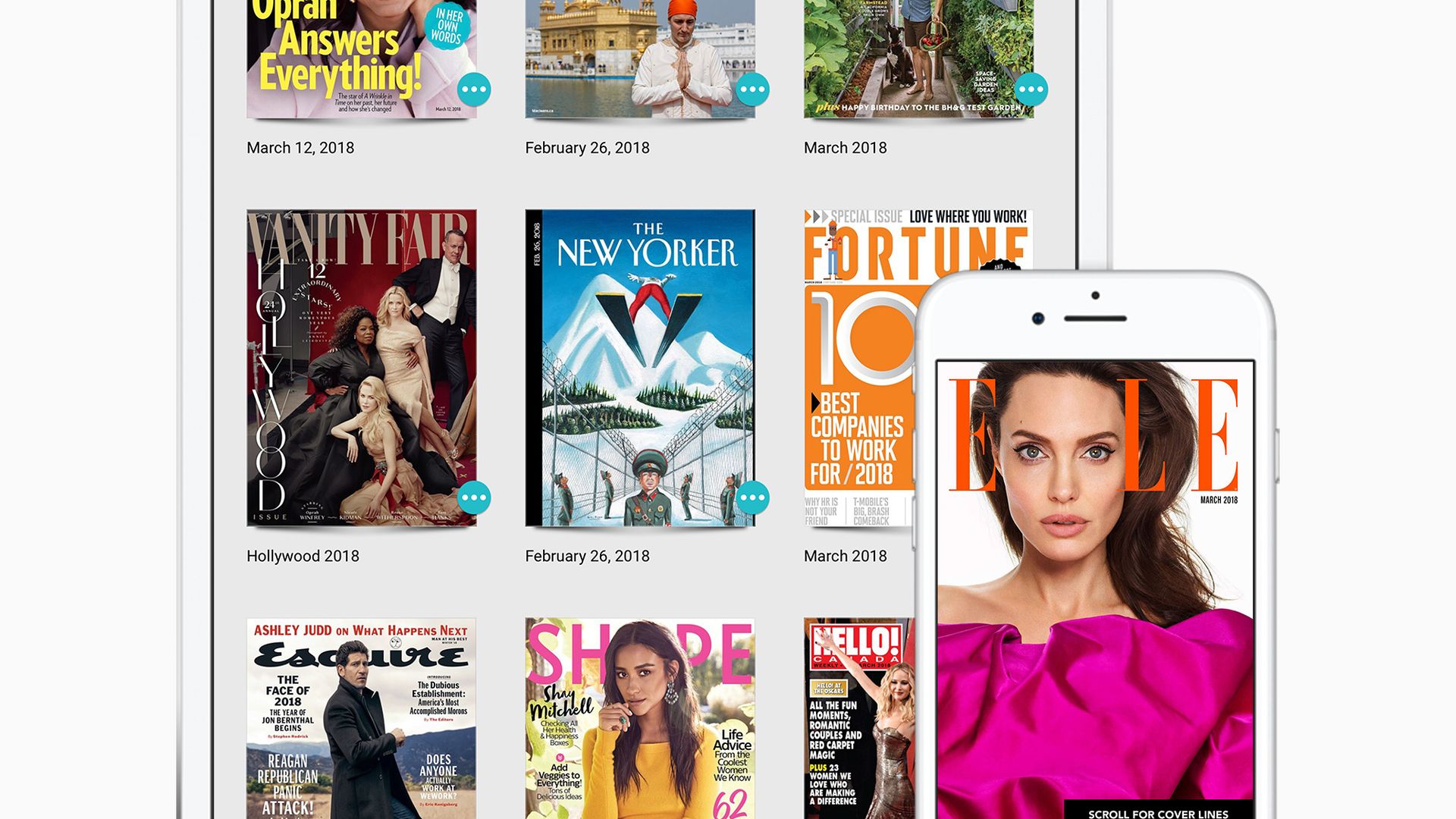
Apple has acquired Texture, an online service that lets users access to more than 200 magazines for $10 per month. Texture is expected to continue operating as a standalone services. Sellers include KKR. No terms of the deal were disclosed.
Why it matters: The move could help Apple expand both Apple News on iOS and its subscription business more broadly. Apple also emphasizes that it will help it continue to provide high-quality journalism from trusted sources to its customers.
Amazon is announcing today it's bringing its voice assistant into a range of business settings, big and small, like hotels and co-working spaces.
Why it matters: While people always think of Amazon as a consumer company, it has shown itself time and again to have larger ambitions. This move could help it expand tis business services beyond its already popular Amazon Web services.
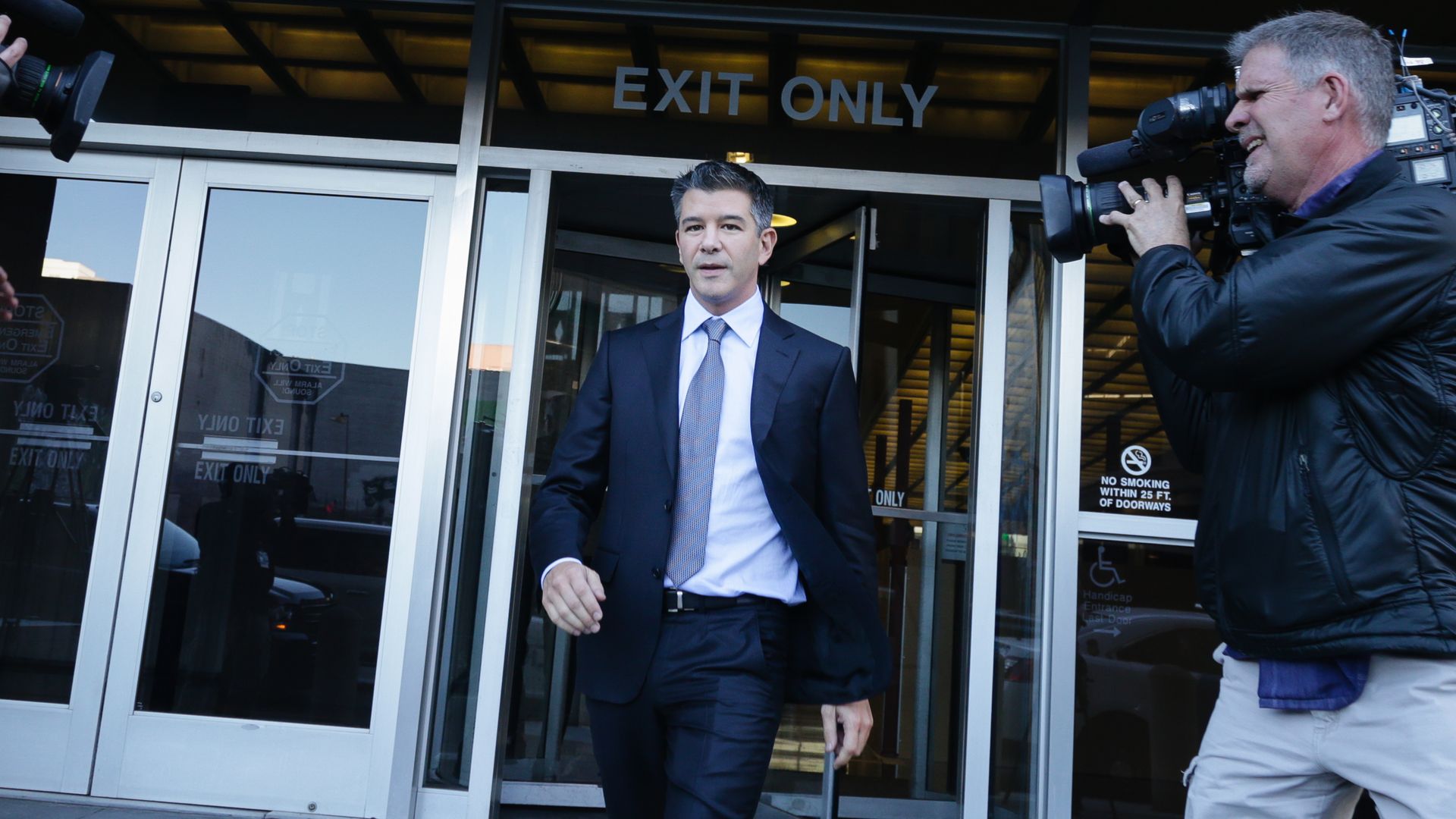
"The takedown of Travis Kalanick: The untold story of Uber's infighting, backstabbing, and multi-million-dollar exit packages," by Business Insider's Julie Bort.
The big picture: "Uber grew too quickly, from 6,700 employees in December 2016 to 15,000 by June 2017, and devolved into chaos before proper HR procedures and seasoned executives could be put in place. Most blame Kalanick for this, saying he was more focused on world domination than seemingly mundane, operational details."
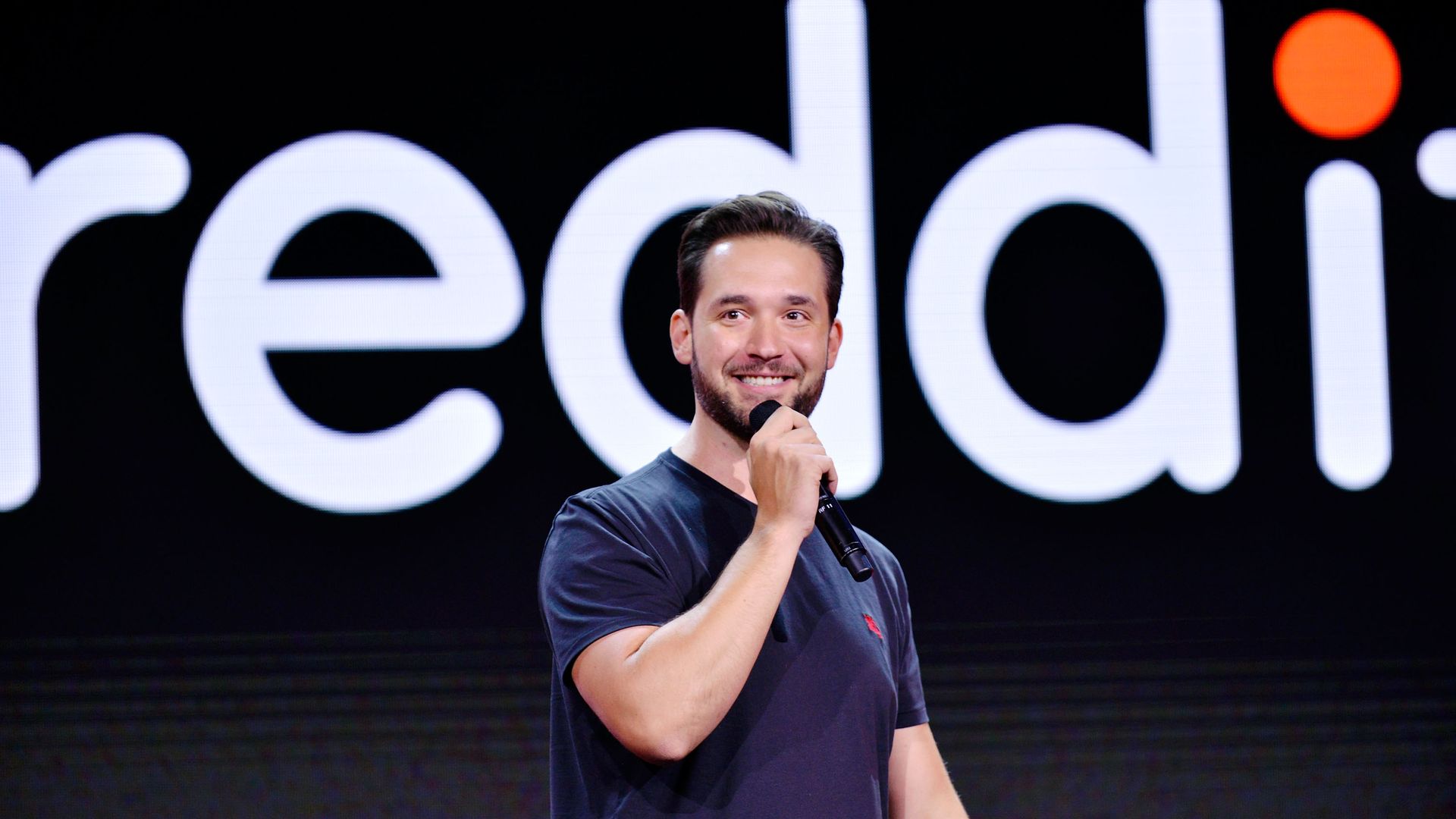
In “Antisocial Media," New Yorker contributing editor Andrew Marantz discusses the state of free speech and the web, with an inside look at Reddit, the internet’s fourth-most-popular site, after Google, YouTube, and Facebook, and a well-known breeding ground for hate speech and trolling.
Why it matters: "Some people end up on Reddit by accident, find it baffling, and never visit again. But people who do use it — redditors, as they’re called — often use it all day long, to the near-exclusion of anything else."
"Fake news" has become ubiquitous as a signal to a politician's supporters to ignore legitimate reporting and hard questions, and as a smear of beleaguered and dwindling local press corps, AP's Ryan Foley writes.
Why it matters: Experts on the press and democracy say the cries of "fake news" could do long-term damage by sowing confusion and contempt for journalists and by undermining the media's role as a watchdog organization.
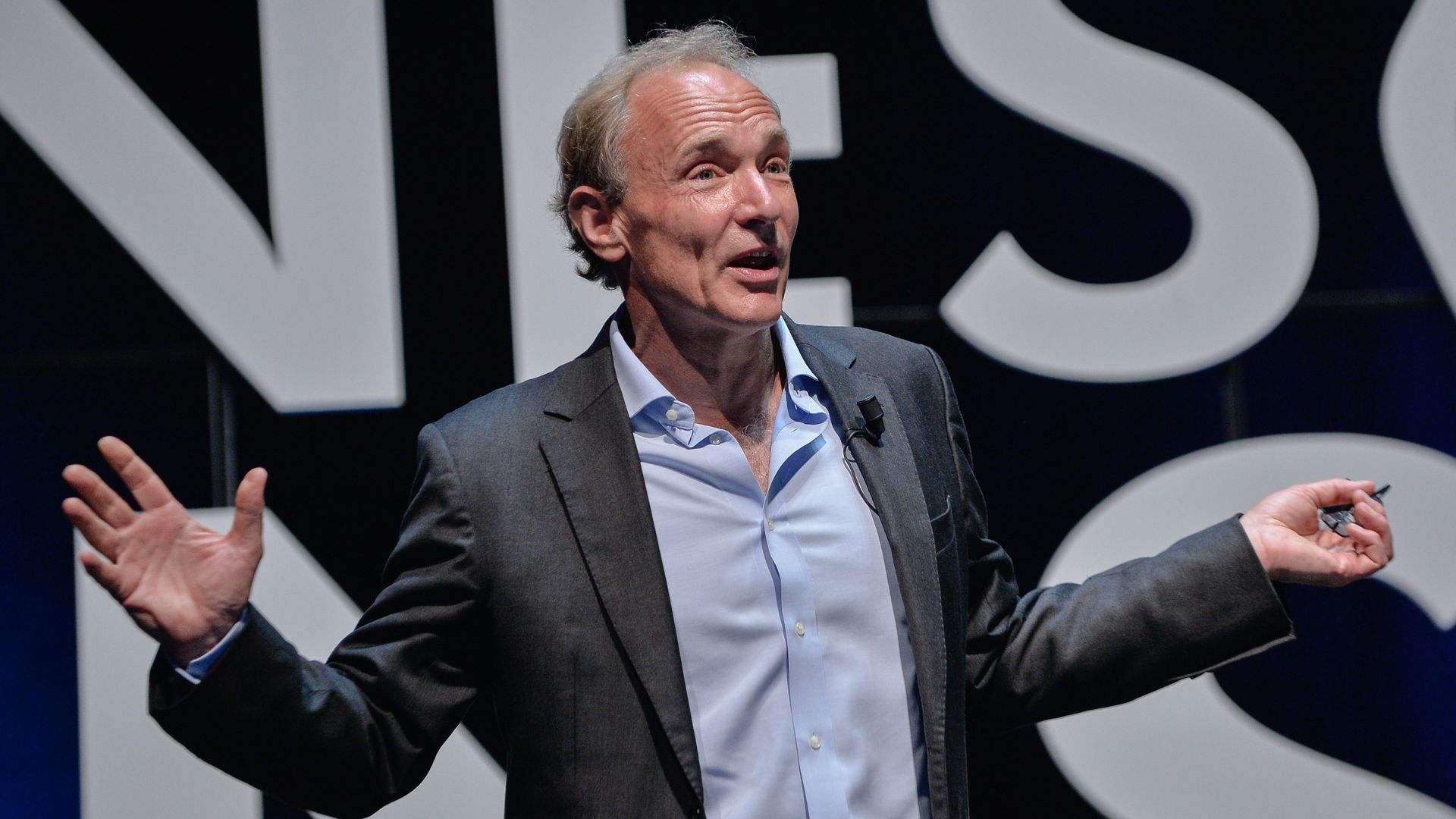
Sir Tim Berners-Lee, the inventor of the World Wide Web, says the fact that the internet is controlled by a handful of dominant companies likely means the next 20 years will be much less innovative than the last — and a "regulatory framework" may help address the new concentration of power.
Why it matters: Today is the Web's 29th birthday, and one of its biggest boosters is joining critics by calling out the danger brewing in the current online landscape. As Berners-Lee wrote in an open letter posted Sunday evening, the web has changed drastically since its early days. A vibrant array of websites "has been compressed under the powerful weight of a few dominant platforms" that have created "a new set of gatekeepers" that control how ideas are shared.