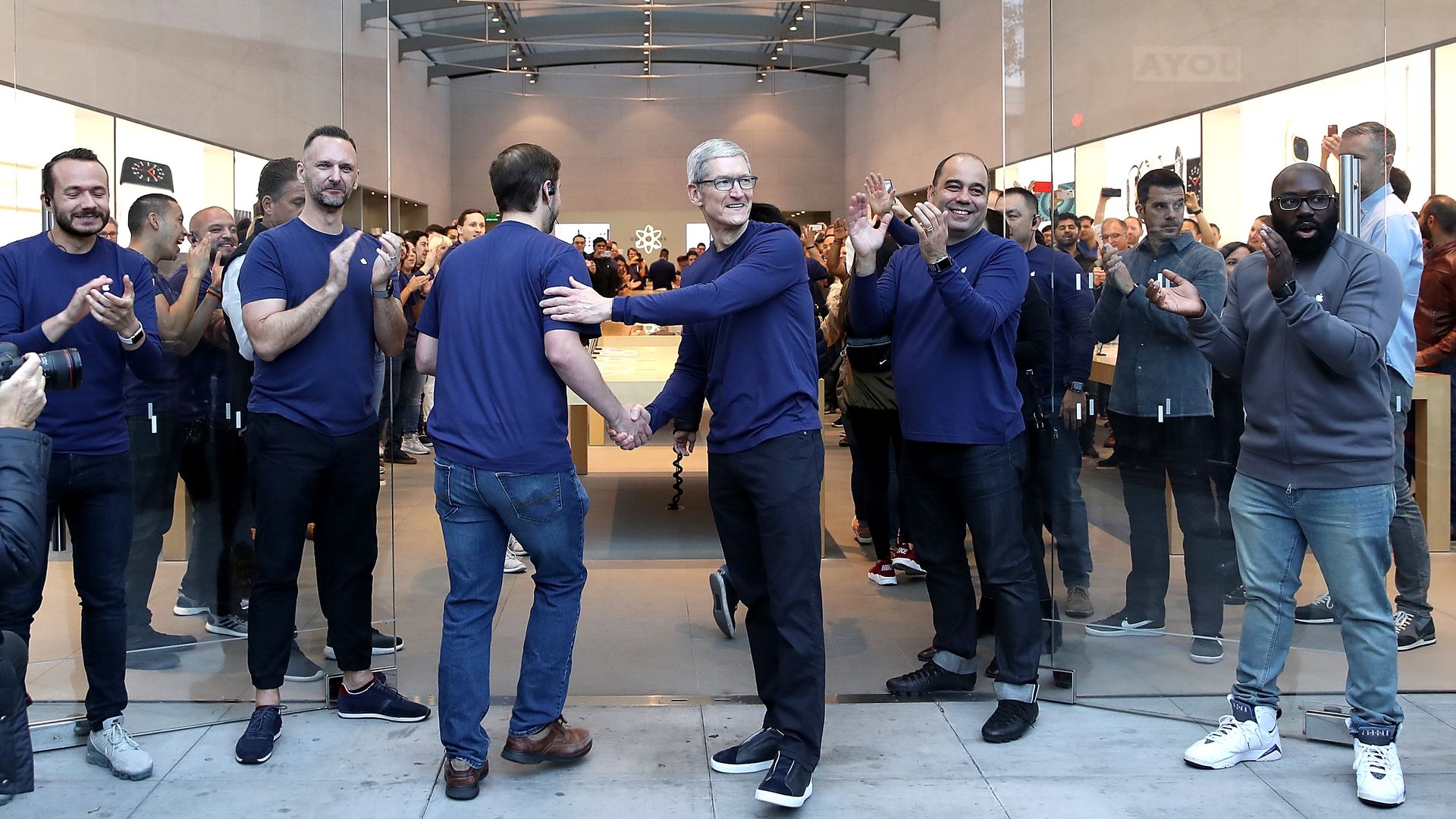
Apple is giving restricted stock grants worth $2,500 to lower-level employees worldwide and boosting the level at which it matches employee charitable donations, Axios has confirmed.
Our thought bubble: The moves follow the recent tax overhaul, but give no credit to Trump or the Republican-led Congress, irking some on that side of the aisle.
Be Smart: The new office, which won't be in Texas or California, will initially house technical support staff. It may grow, but isn't imagined as a second headquarters.
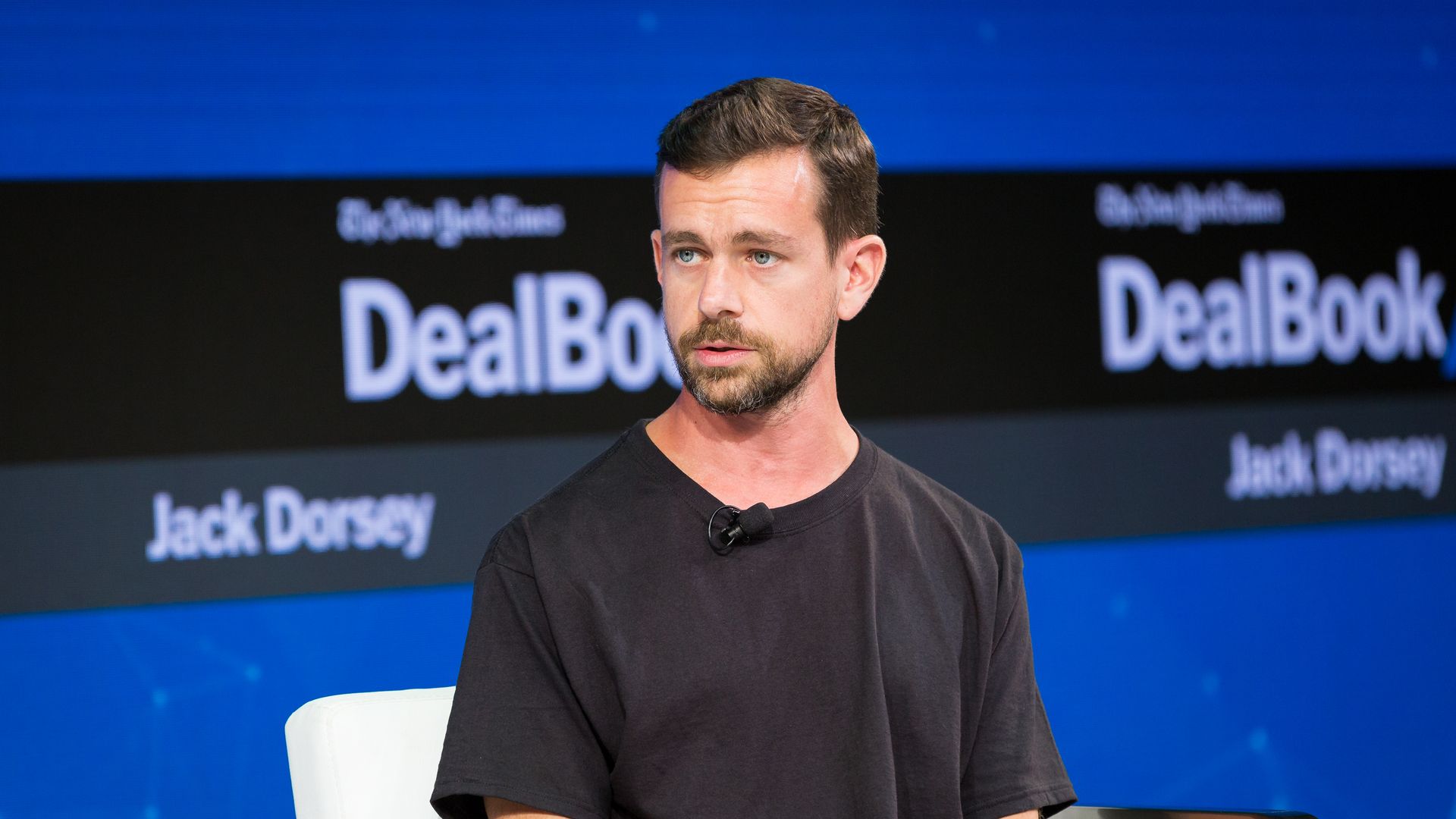
Twitter's Carlos Monje said at a Wednesday hearing that the company is trying to "identify and inform individually the users who have been exposed to [Russian troll farm] accounts during the election," per Recode's Tony Romm.
Why it matters: Facebook has already done the same thing. Twitter has been under pressure over a lackluster response to Capitol Hill questions about the Russian campaign during the 2016 election.
The big question: Will Twitter, like Facebook, just notify users who saw ads associated with the Internet Research Agency Troll farm, or will it also notify people who saw their tweets organically?
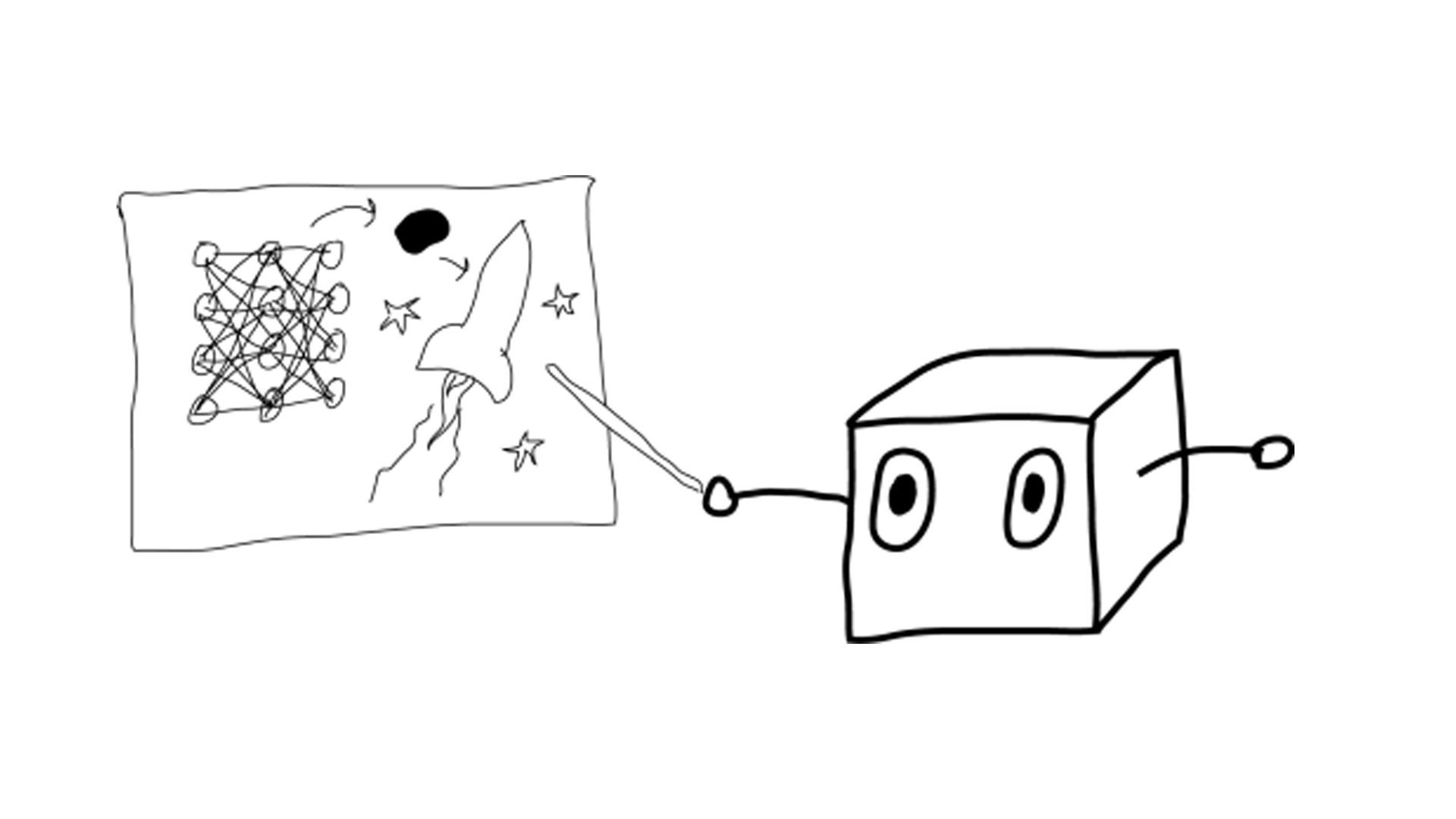
Electrical engineer Janelle Shane's hobby is giving neural networks — a computing system that loosely mimics a brain — somewhat silly datasets to see what they can create.
Most recently, she input 44,126 thesis titles from MIT. Some of the products — “Atoms and characteristics of monolithic nanocity,” for example — may not immediately jump out as odd. Others, Shane says, are "completely ridiculous."
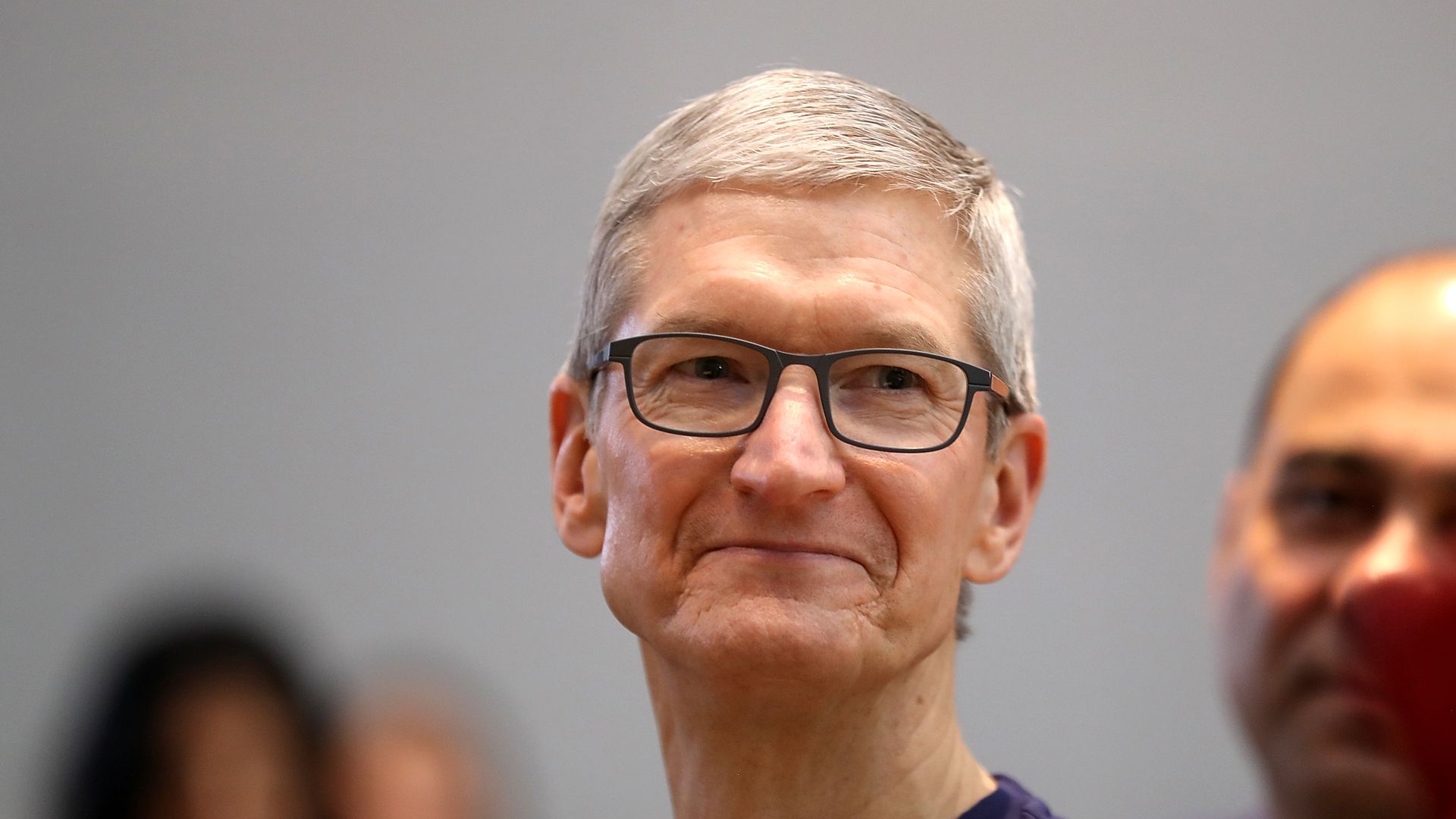
Apple plans to open a second corporate campus as part of a broader plan to "directly contribute" $350 billion to the U.S. economy over the next five years, a figure that doesn't include its regular taxes, tax revenue from the wages it plays employees or the sale of Apple products.
Why it matters: While it manufactures nearly all its products outside the U.S., Apple has been eager to show how much it contributes domestically including all the developers, Apple suppliers and contract manufacturers that are based here.
Facebook, Google-owned YouTube and Twitter said Wednesday they support a Democrat-led effort to block the FCC’s repeal of net neutrality rules. They also support efforts craft new rules through legislation.
The bigger picture: Silicon Valley giants have been less vocal during this round of the net neutrality fight. But they also can’t risk further alienating allies on the left, and their employees care about preserving net neutrality. They also know that the attempt to restore the rules is unlikely to pass the House or be signed by the president. Net neutrality legislation, of course, is also a long shot.
A new survey suggests that artificial intelligence has at last penetrated mainstream business at a high rate, and is not headed for a third "winter," a post-hype loss of faith.
Why it matters: In the survey, 61% of big companies said they had implemented some form of AI in their business operations, up from 38% in 2016. This suggests that, unlike two previous false starts for AI, the current boom has been embraced in a bout of business investment, said Stuart Frankel, CEO of Narrative Science, an AI company that commissioned the survey. "This is not about hype but business actually adopting the technology," Frankel told Axios.
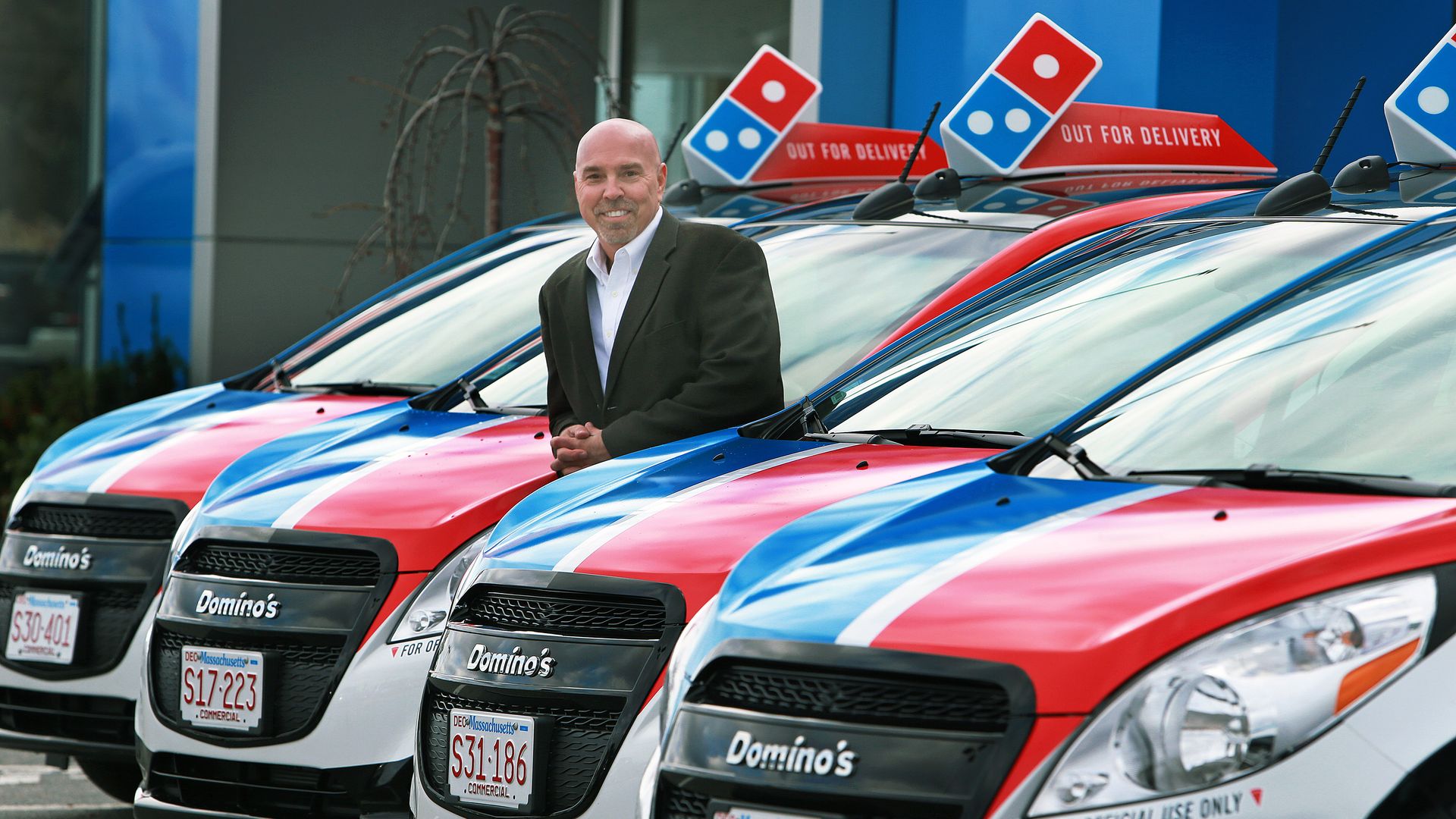
Domino's Pizza CEO Patrick Doyle, who is set to retire in June from his role, told TheStreet that in about three to five years at the earliest he expects driverless cars and voice orders to shift the way the world orders pizza:
"We have been investing in natural voice for ordering for a few years. We rolled that out in our own apps before Amazon launched Alexa and Alphabet launched Google Home...[and] we are making investments...to understand how consumers will want to interact with autonomous vehicles and pizza delivery" — Patrick Doyle, Domino's Pizza CEO
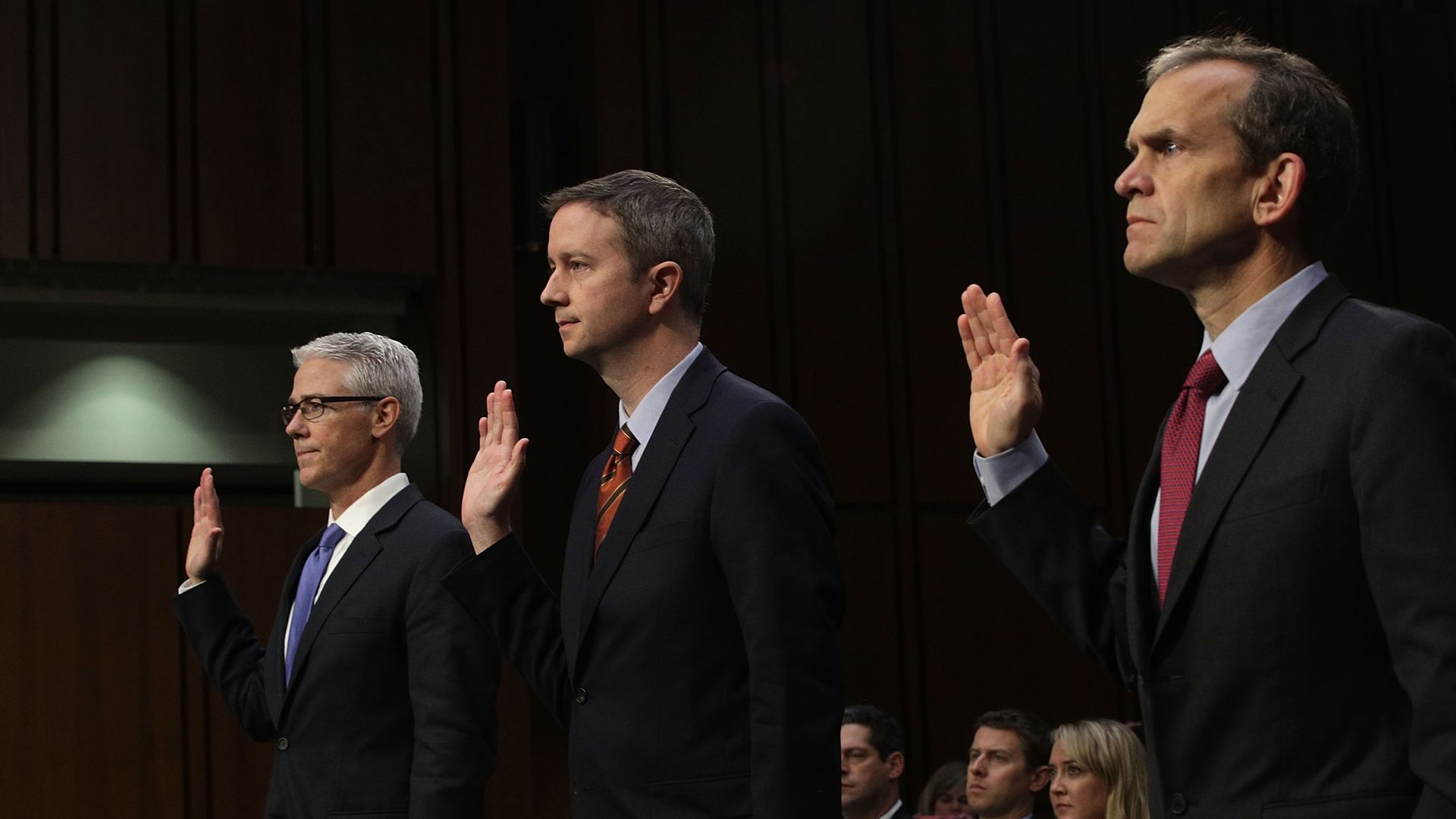
Big Tech returns to Capitol Hill Wednesday to answer questions from the Senate's influential Commerce Committee about how it handles terrorist content, following hearings last year on Russian election interference.
"The companies that our witnesses represent have a very difficult task: preserving the environment of openness upon on which their platforms have thrived, while seeking to responsibly manage and thwart the actions of those who would use their services for evil," Chairman John Thune plans to say in his opening statement. "We are here today to explore how they are doing that, what works, and what could be improved."
On the cover of today's Wall Street Journal, Greg Ip — one of the world's best economics writers — takes on the transcendent question, "The Antitrust Case Against Facebook, Google and Amazon ... A few technology giants dominate their worlds just as Standard Oil and AT&T once did. Should they be broken up?"
Why it matters: "By that standard, there isn’t a clear case for going after big tech — at least for now. They are driving down prices and rolling out new and often improved products and services every week."
Eric Schmidt (of Google, Alphabet fame) dropped by the West Wing today for meetings with senior officials, per two sources with direct knowledge. I don't know whether he met with Trump, though I do know he discussed 5G with at least one West Wing official.
The backdrop: It's super rare these days to see a top tech CEO in Trump's White House. Gone are the days of tech leaders dropping in for photo ops with a president who is toxic in Silicon Valley.